
1. Introduction
When designing or enhancing an outdoor space, you may have come across the term pergola. But what exactly is a pergola, and why has it become so popular in gardens and backyards? Many homeowners wonder about the pergola's meaning and how it can be used to improve their outdoor living areas.
In this blog, we’ll explore what a pergola is, what it is used for, and compare pergolas with other common outdoor structures. By the end, you’ll have a clear understanding of how a pergola can transform your outdoor space.
2. What Is a Pergola?
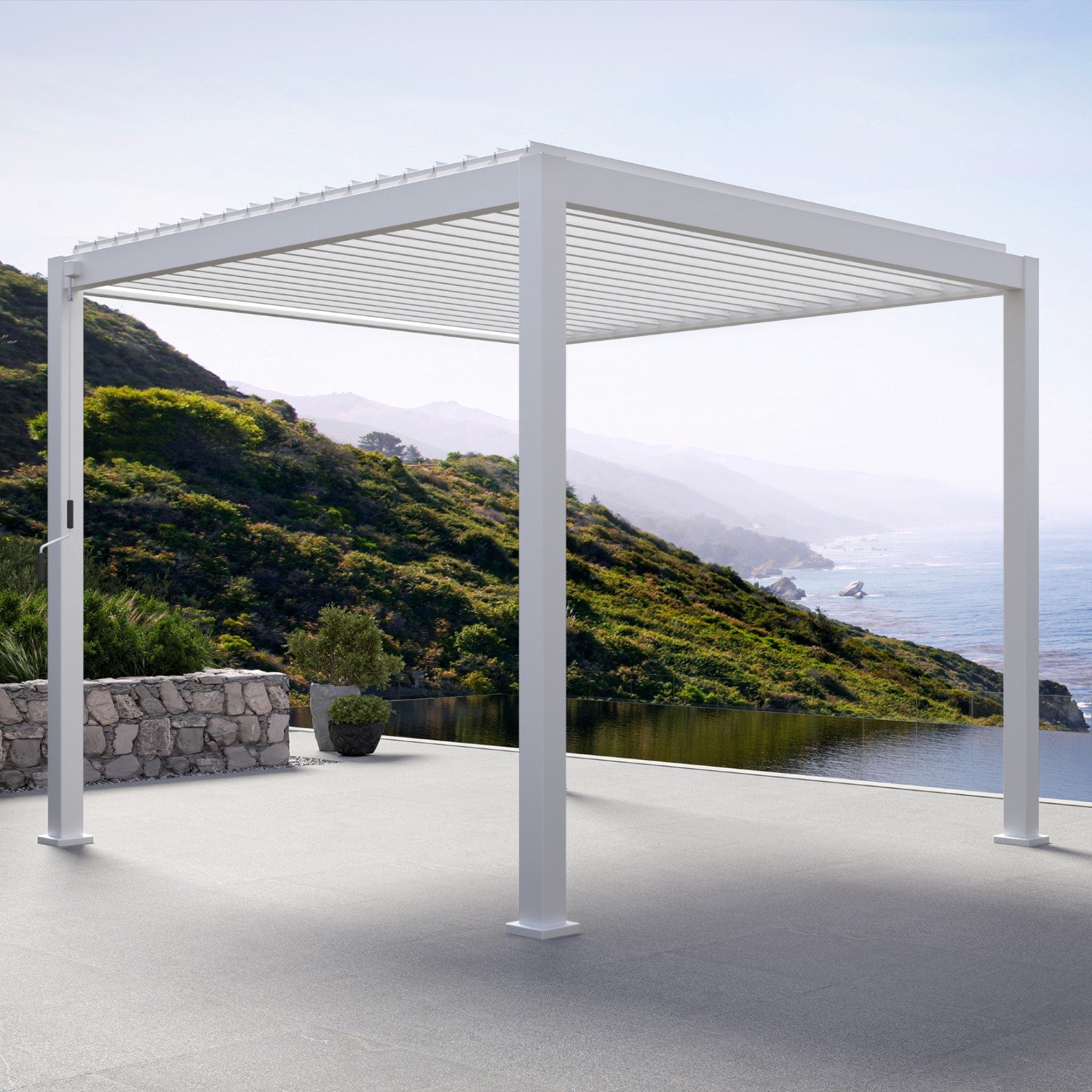
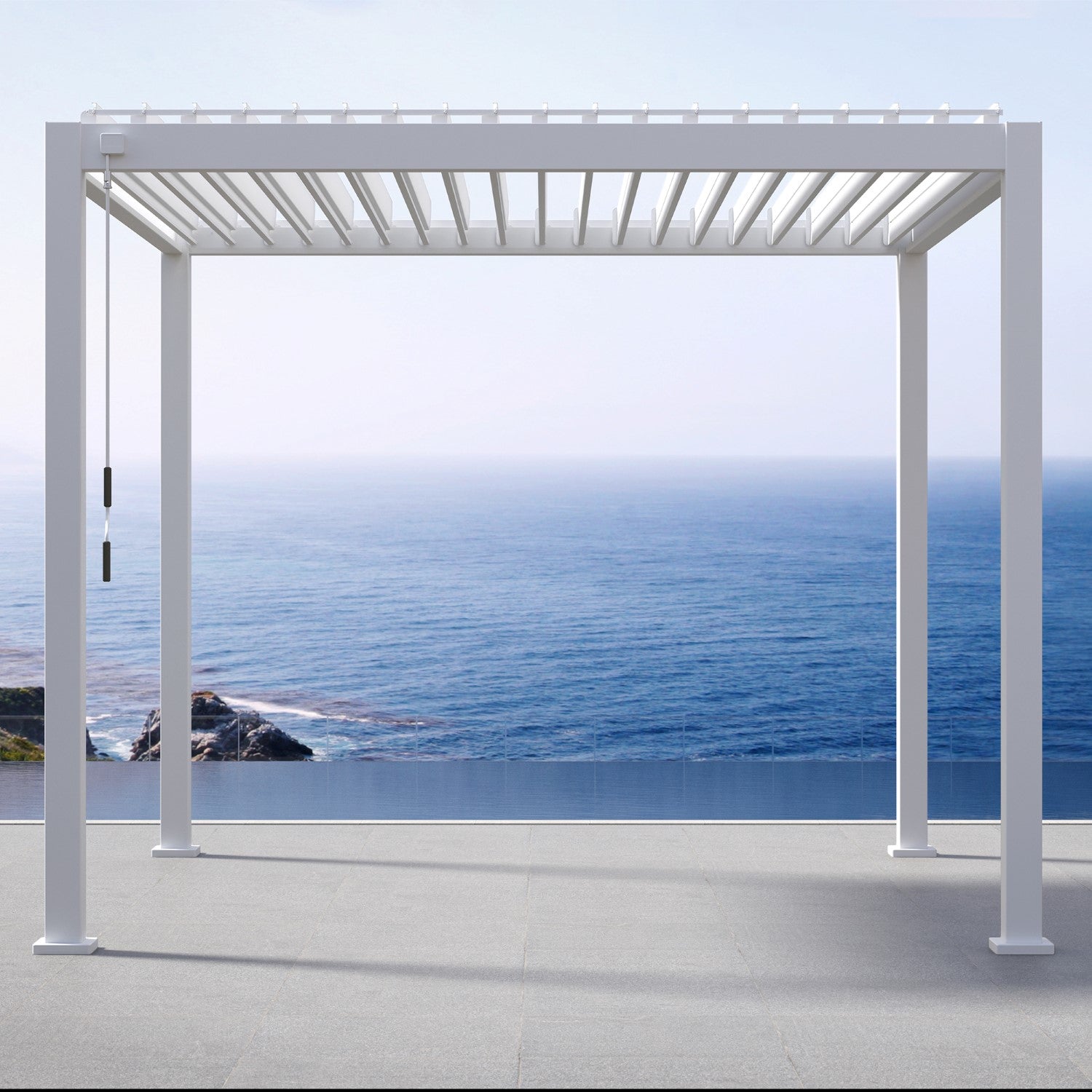
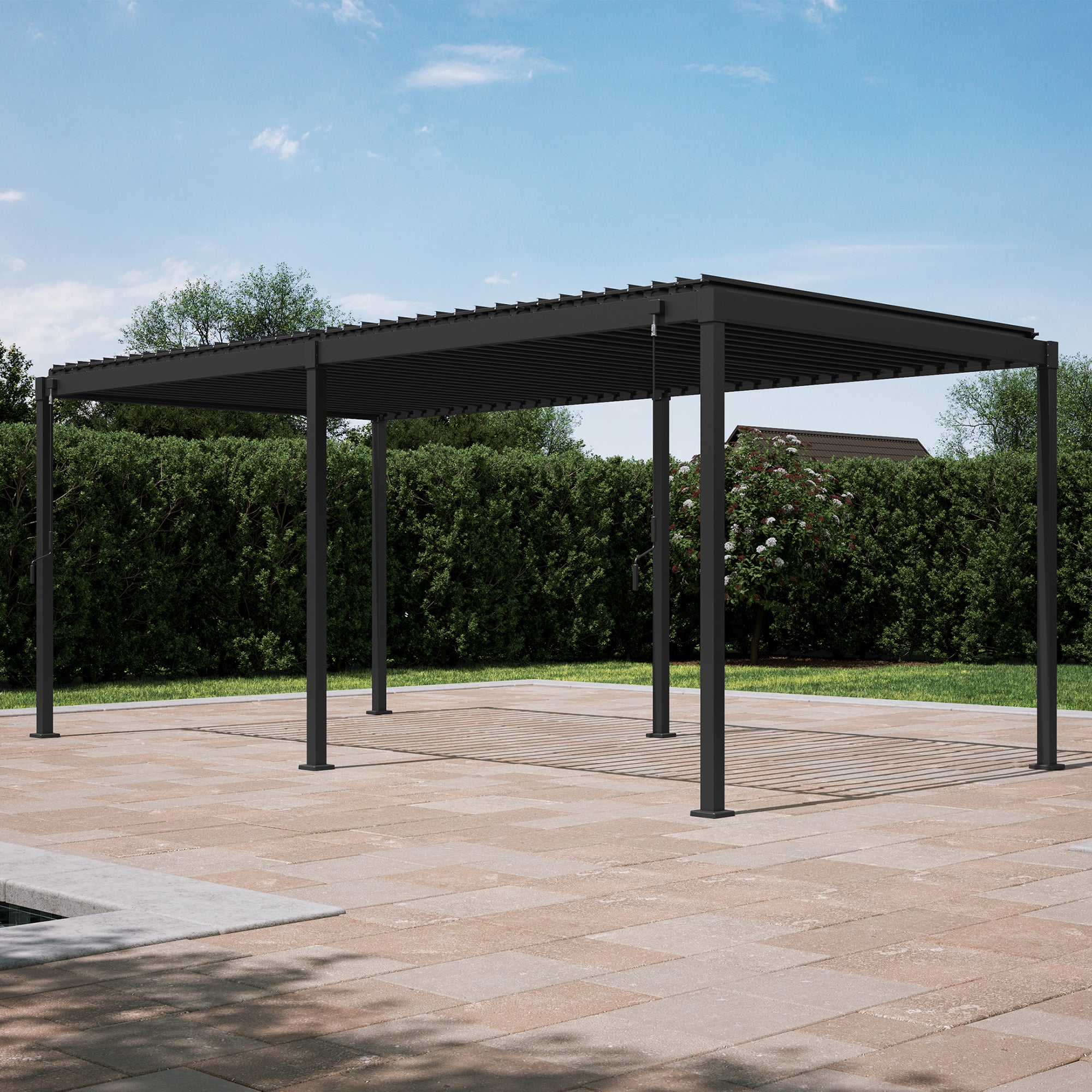
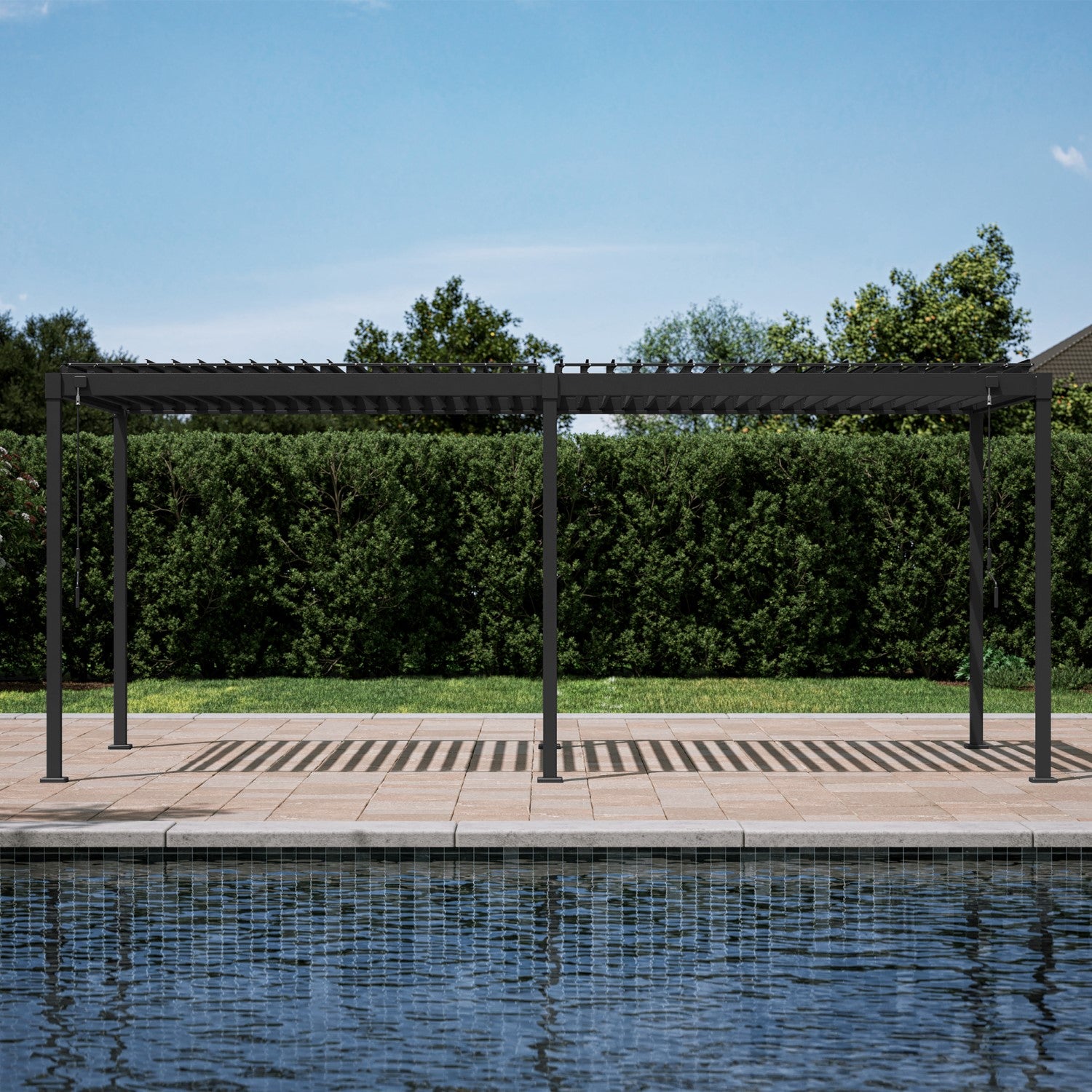
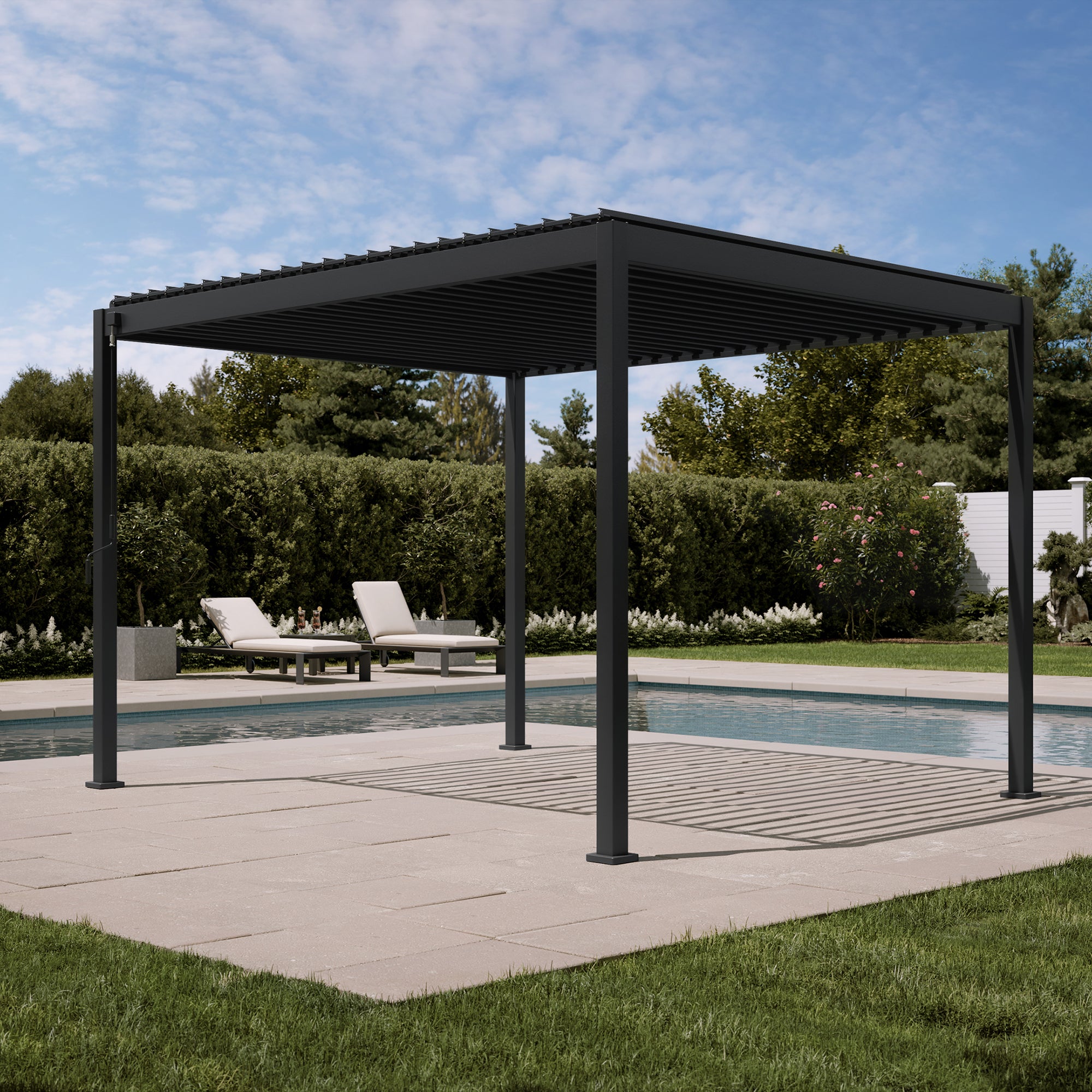
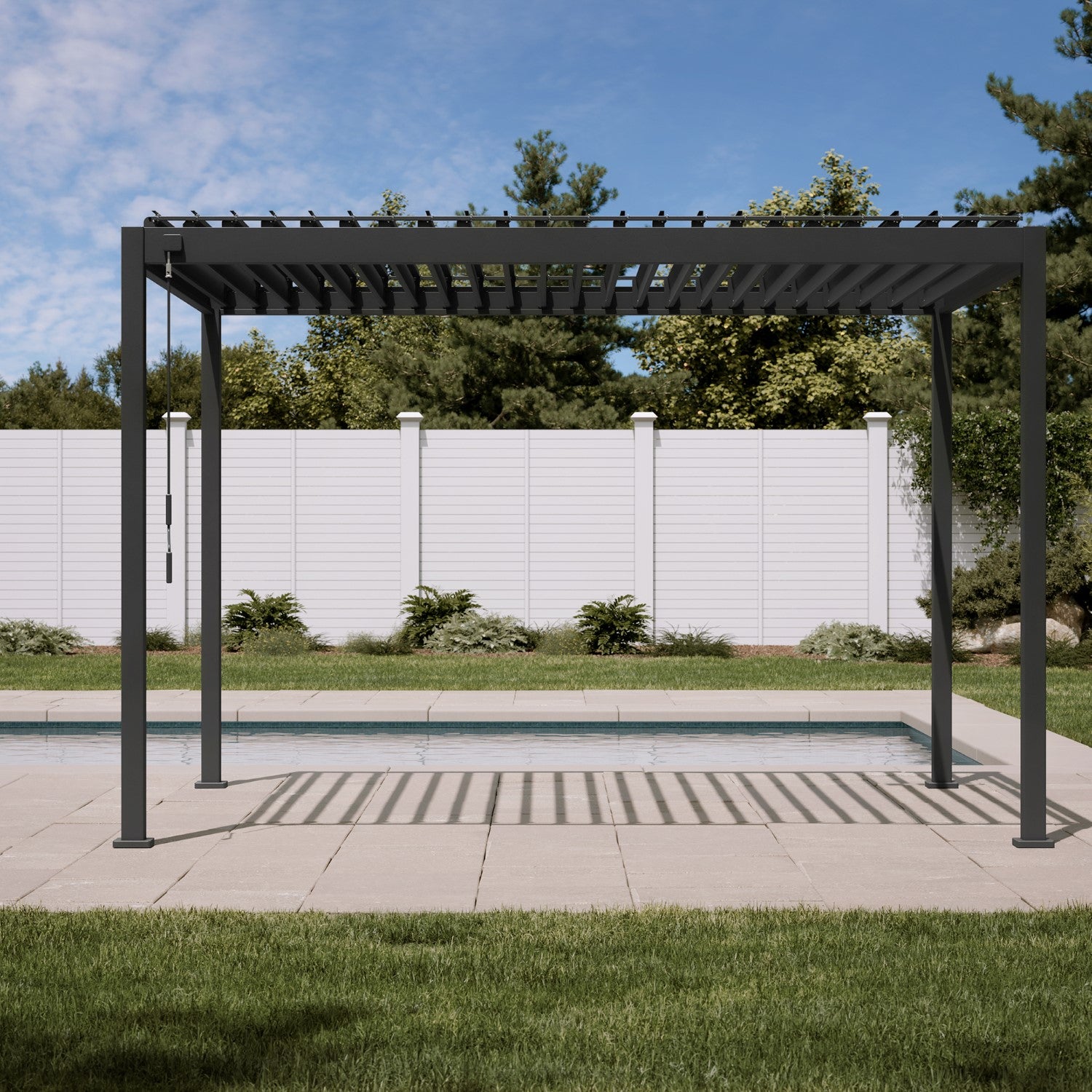
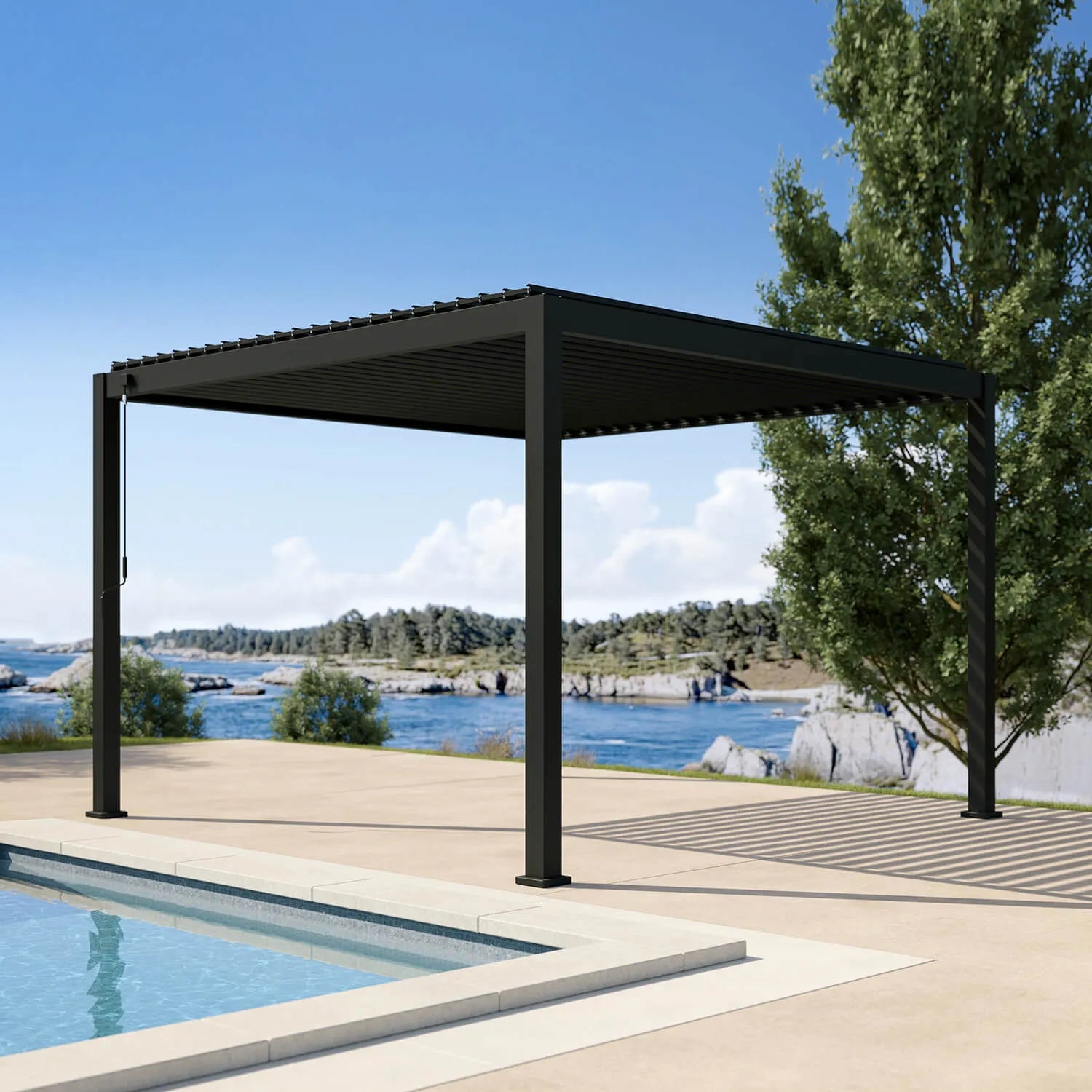
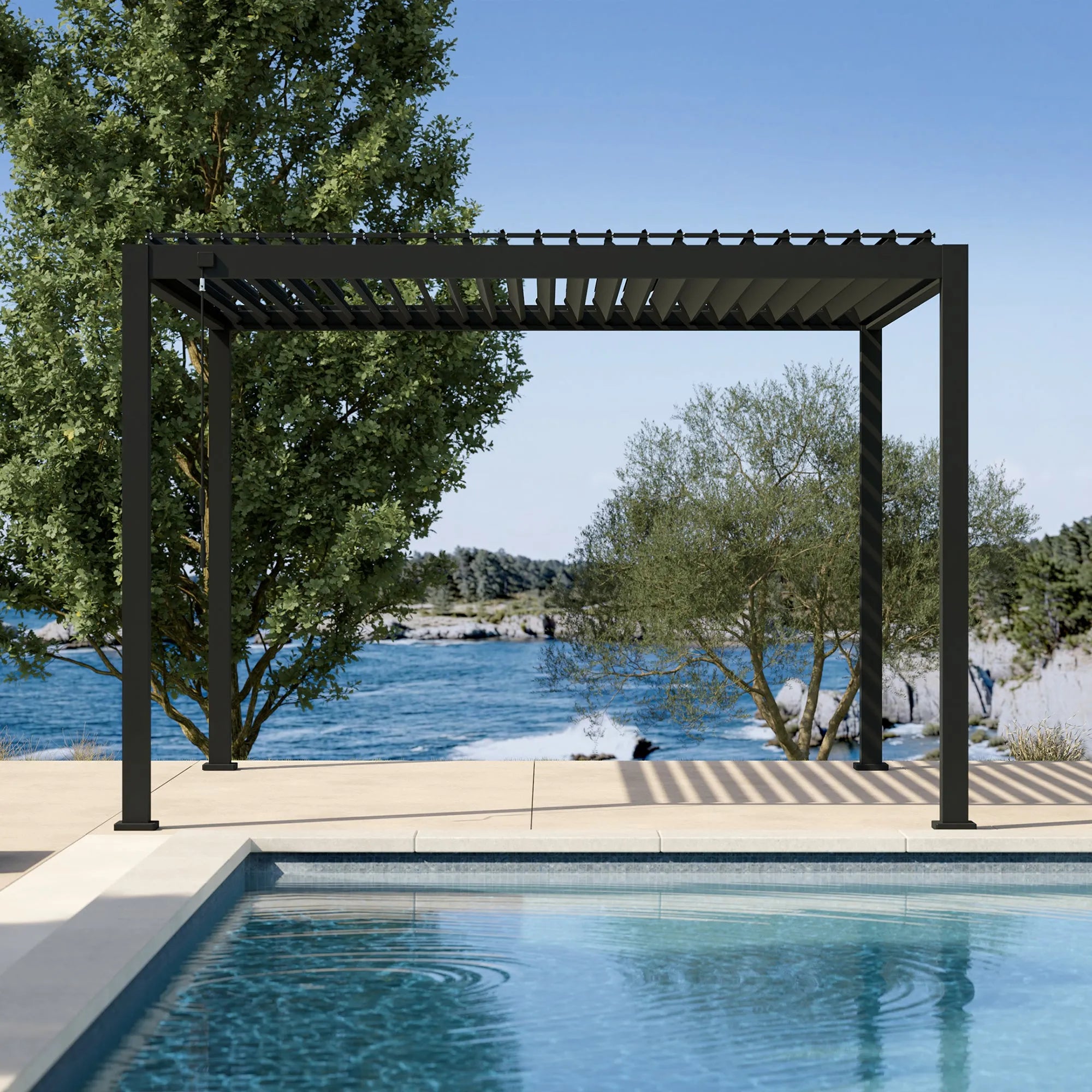
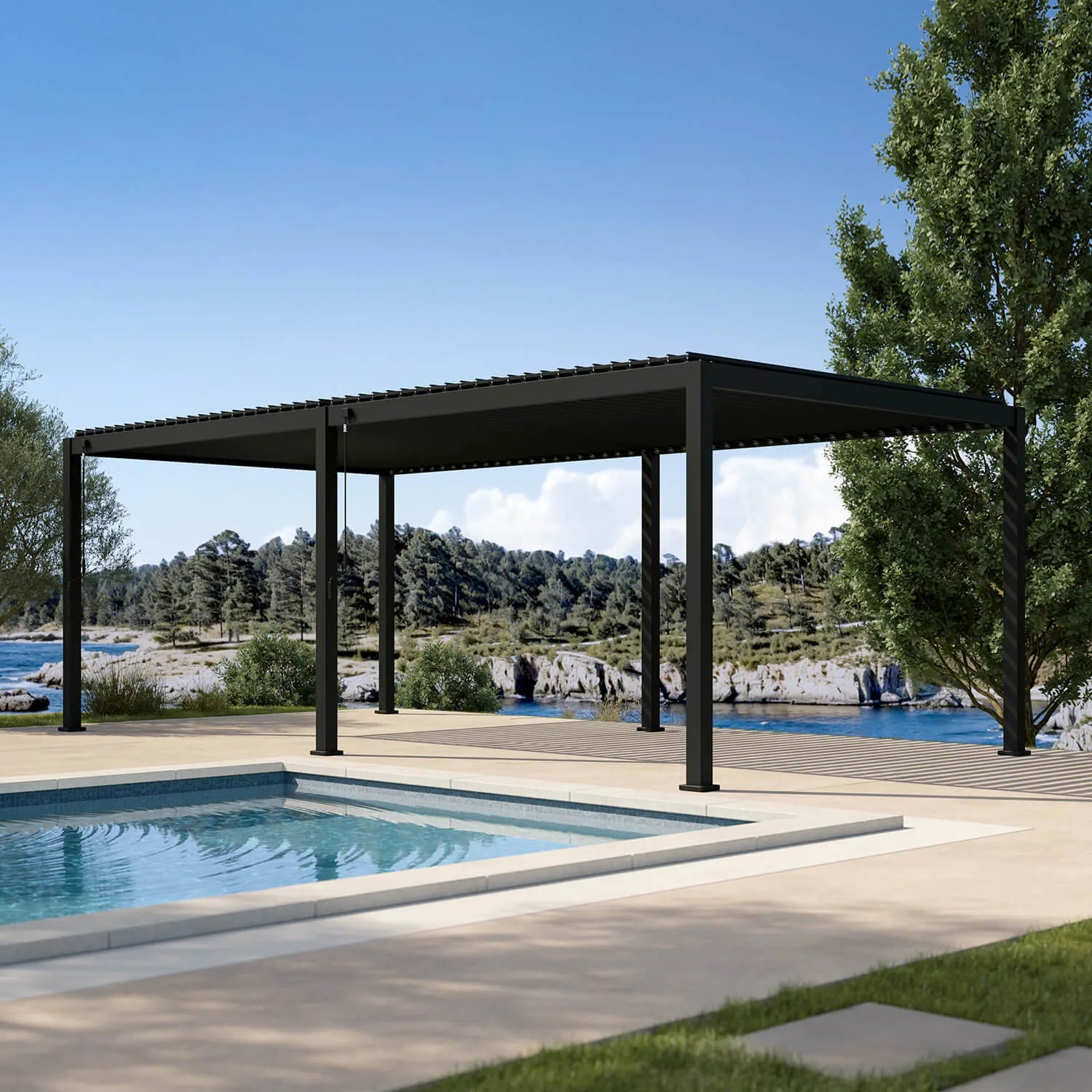
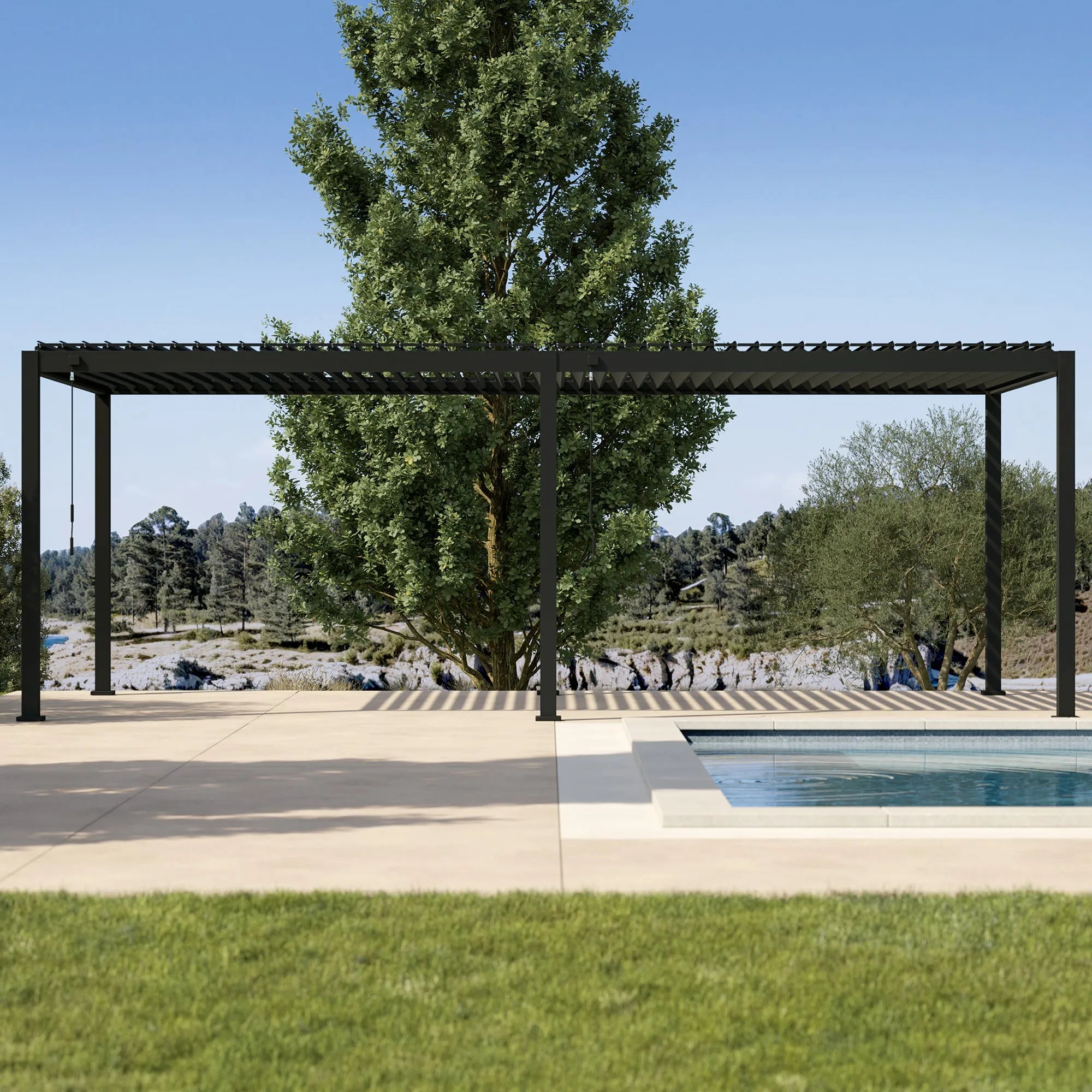
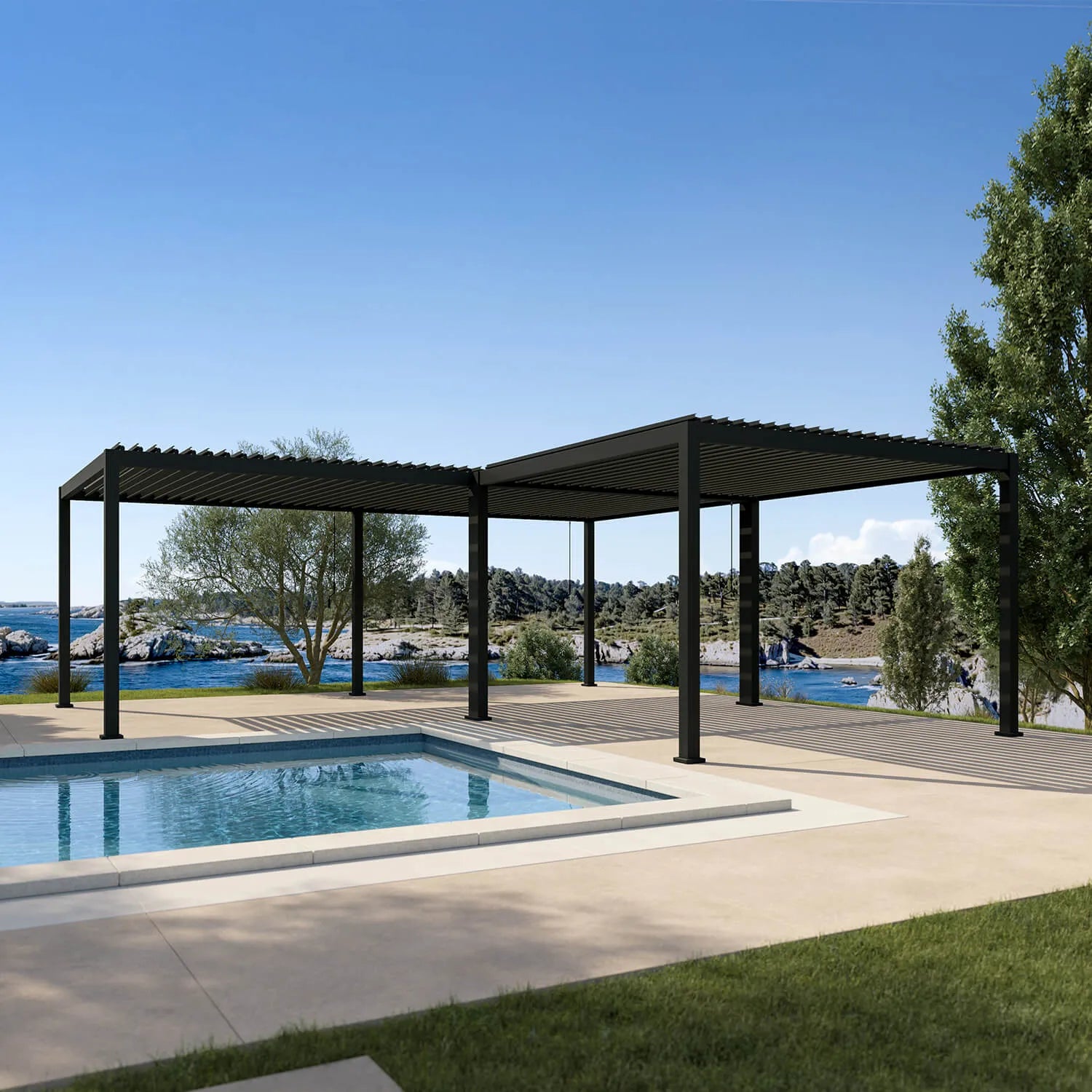
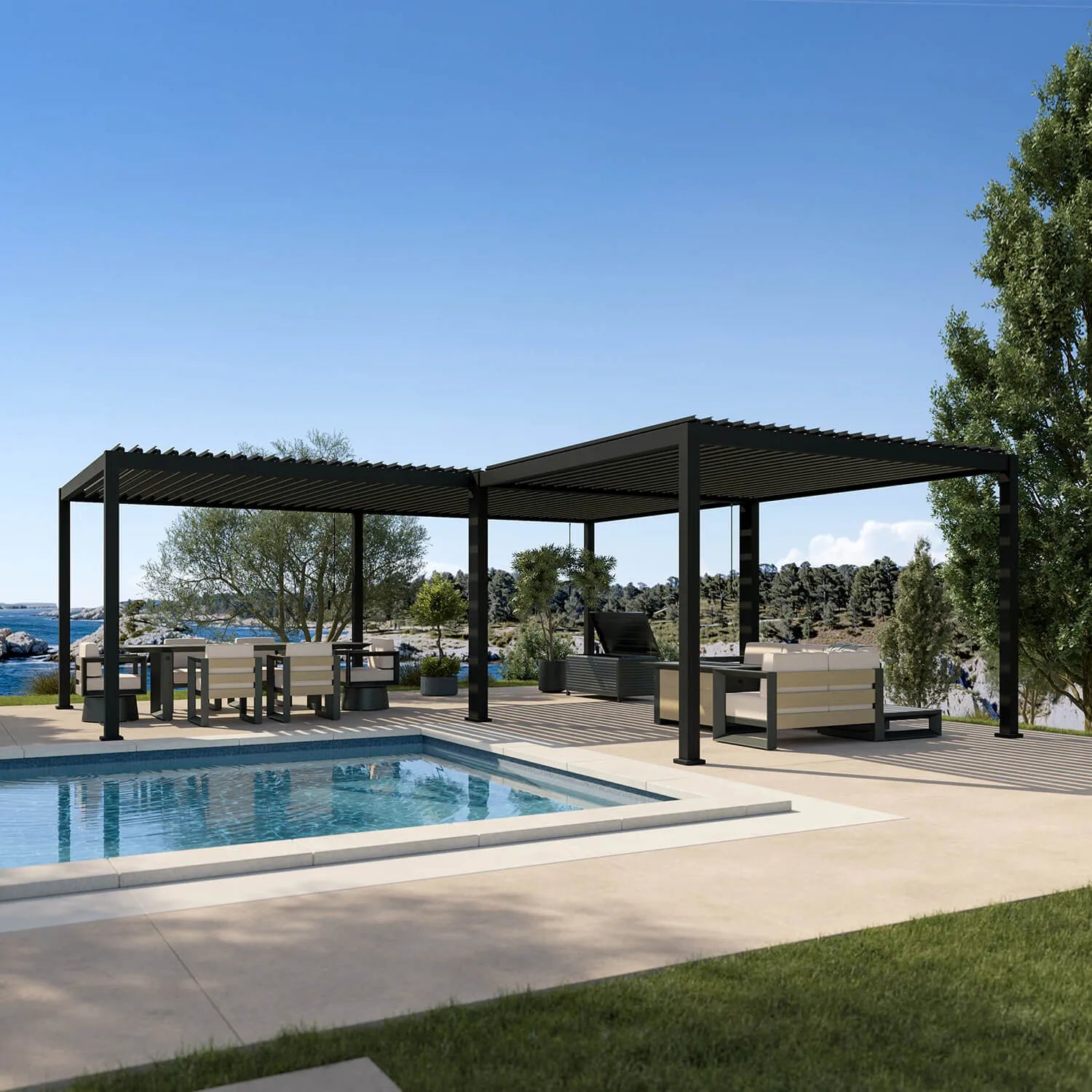
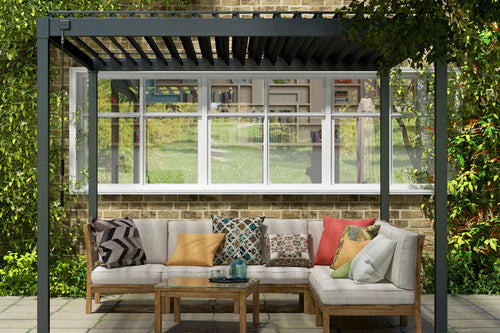
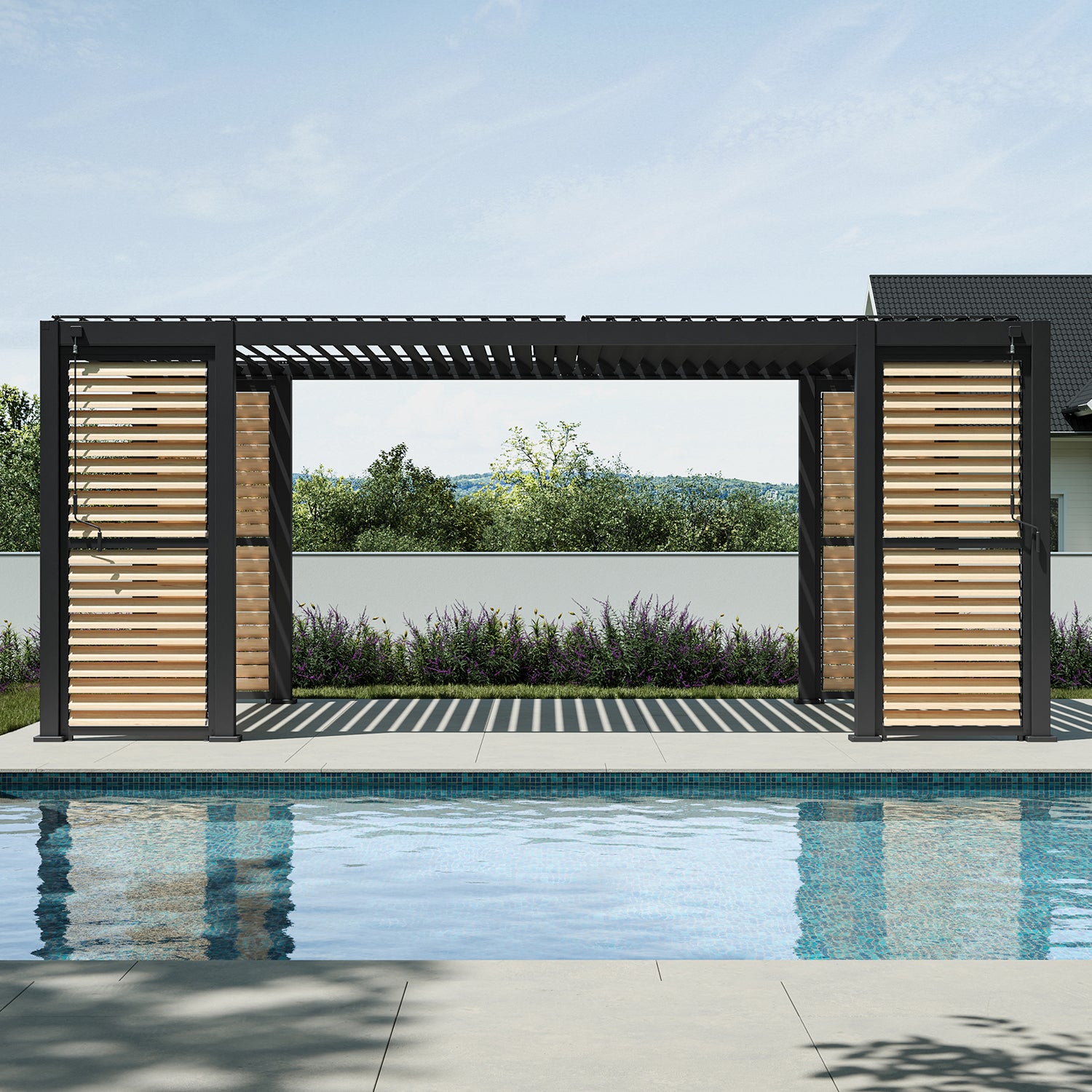
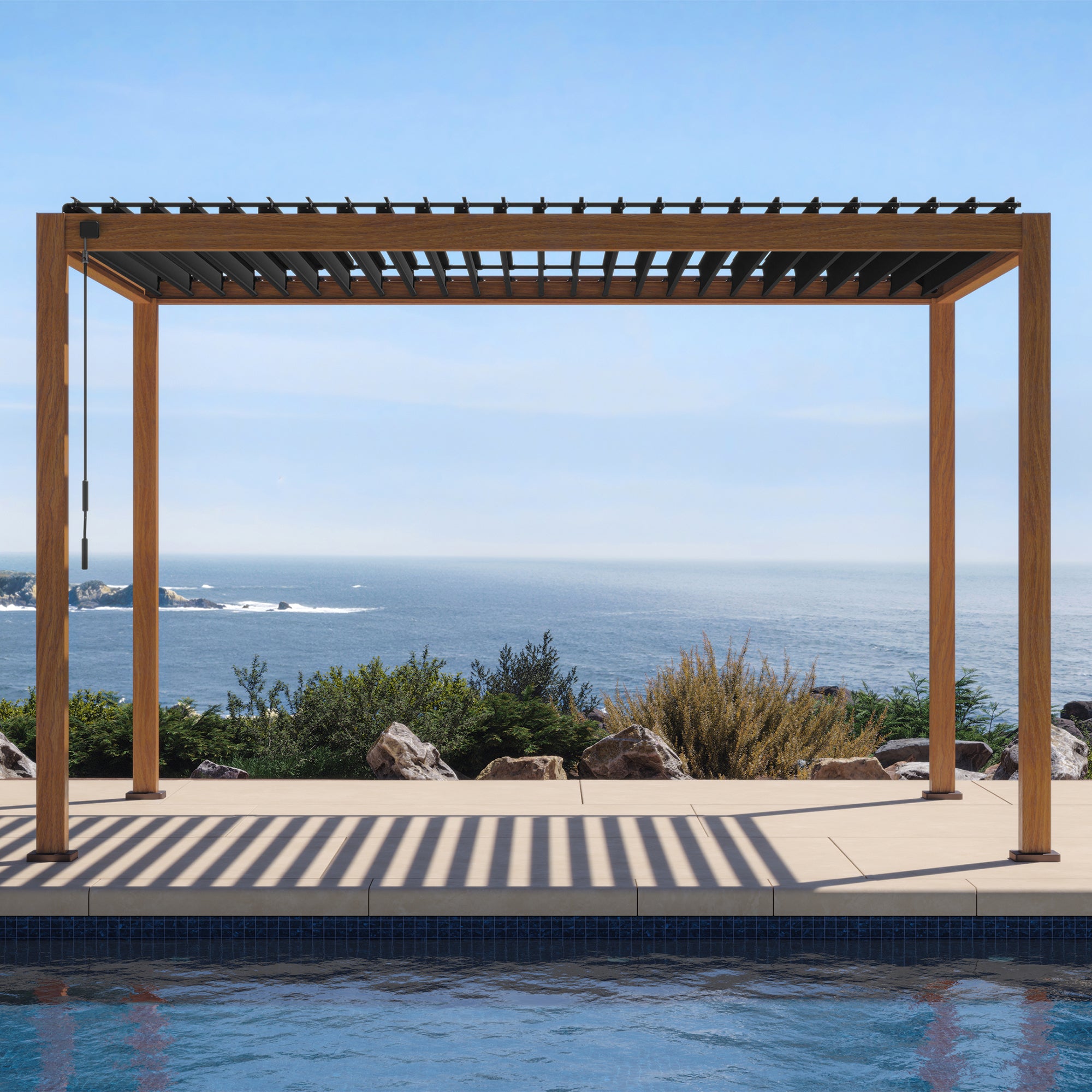
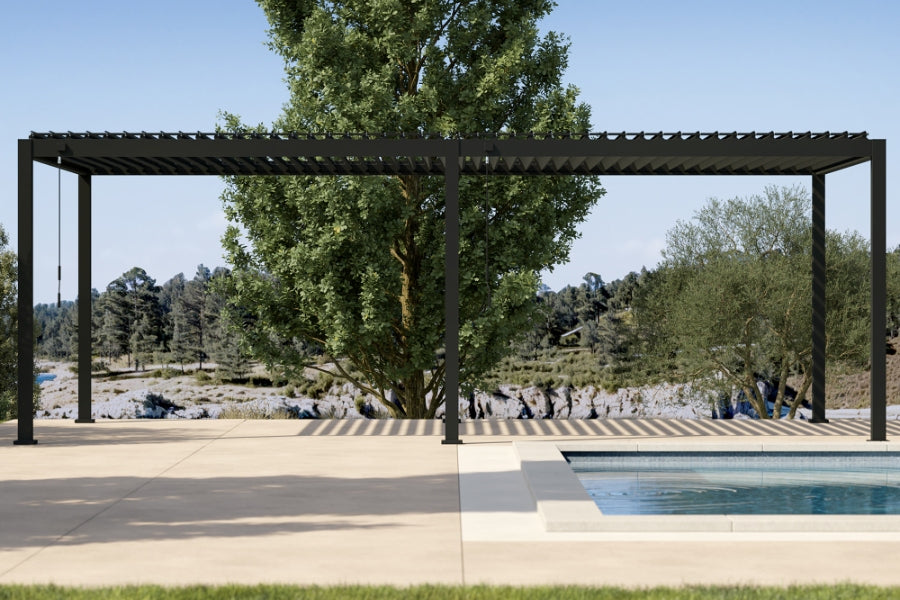
A pergola is a popular outdoor structure designed to enhance gardens, patios, and backyard spaces. It typically consists of vertical posts supporting an open or slatted roof.
Unlike fully covered structures such as gazebos, pergolas are partially open, allowing sunlight and fresh air to flow through while still offering a degree of shade. This combination of openness and structure makes pergolas a versatile addition to any outdoor living area.
What Does Pergola Mean?
The term pergola comes from the Latin word pergula, which originally referred to a projecting eave or porch. Over time, the concept has evolved, and today, a pergola is more than just a functional structure. It is a design element that combines utility and aesthetics, providing both visual appeal and practical benefits in outdoor spaces.
Typical Sizes of Pergolas
Pergolas come in a variety of standard footprints to suit different gardens, patios, and outdoor spaces. While custom dimensions are always possible, some of the most common occupying sizes include:
- 10’ x 10’: Ideal for a small seating area or intimate dining setup
- 10' x 13': Provides slightly more space for larger furniture or decorative elements
- 10’ x 20’: Suitable for longer patios, combining dining and lounge areas
- 12’ x 12’: Perfect for medium-sized outdoor lounges or partial dining areas
- 12’ x 24’: Ideal for very large outdoor entertaining spaces or multi-purpose areas
Most pergolas stand 8–10 feet tall, providing ample headroom while maintaining a balanced proportion in your outdoor space.
Selecting the right footprint ensures your pergola fits seamlessly into your garden or patio while providing enough functional space for seating, dining, or decorative plants.
Common Materials
Pergolas come in a variety of materials, each with its own benefits. Here’s a closer look at each option:
Wood
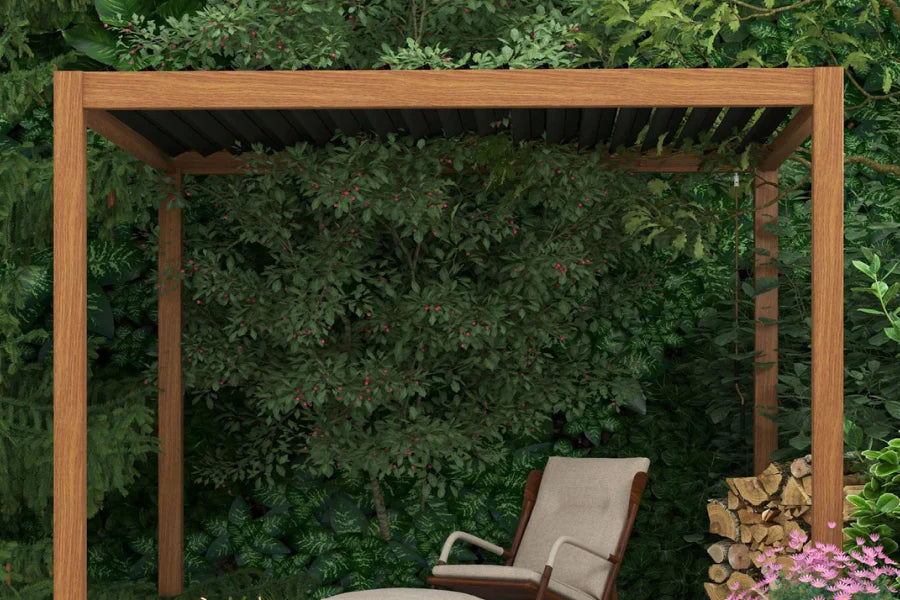
Cedar, redwood, and other hardwoods offer a classic, natural look. However, wood can be prone to rot, insects, and wear over time, especially in humid or wet conditions. It also requires regular maintenance to stay in good shape.
PVC or Vinyl
These are easy-care options that resist rot and insects, but they don’t always have the same high-end look or strength as wood or metal.
Metal
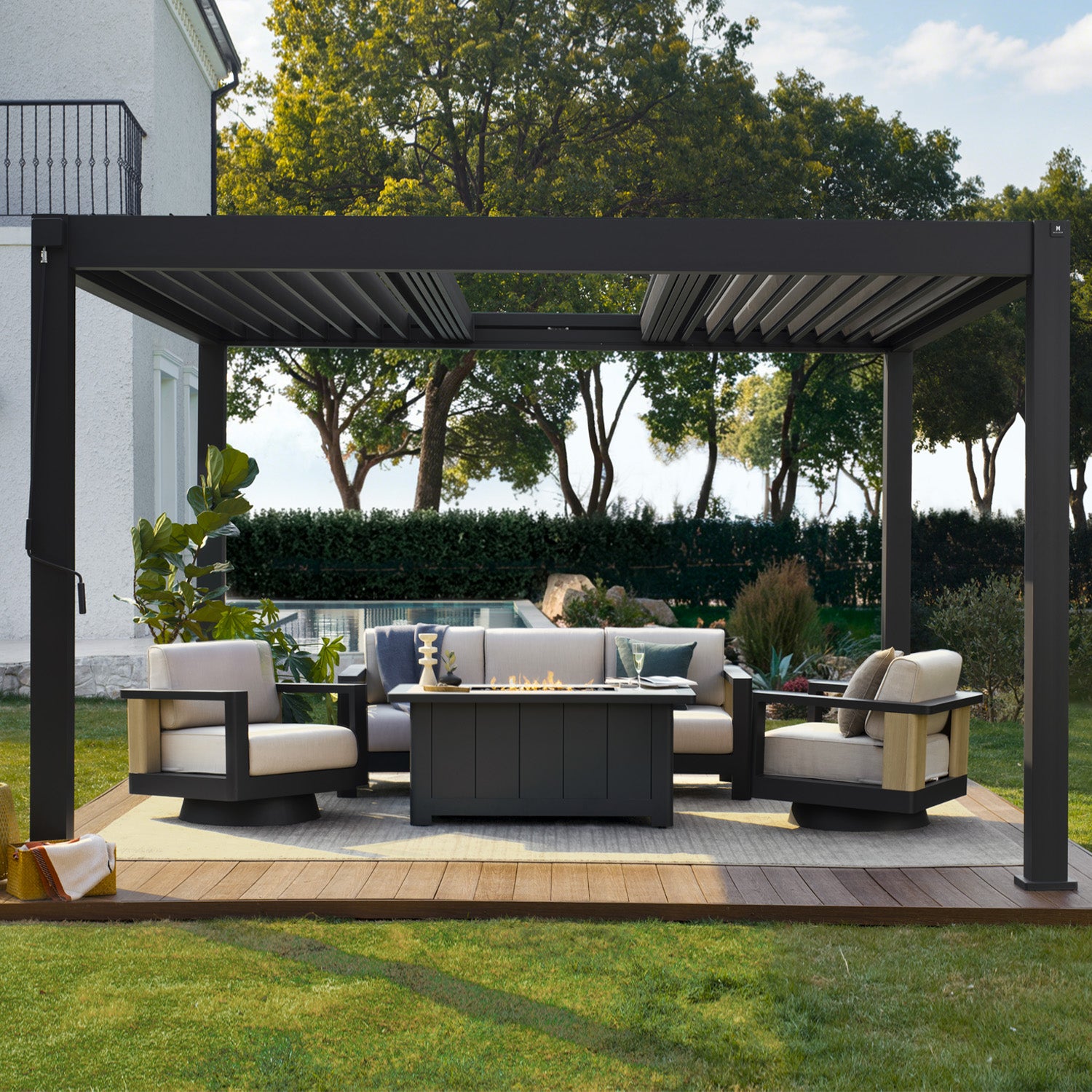
Aluminum or steel are ideal material for a modern, long-lasting pergola. If you want something more durable and low-maintenance, aluminum is a great choice. Here's why:
- Corrosion-resistant: Unlike wood, aluminum won’t rot or warp, even in humid or wet climates.
- Wind-resistant: Aluminum pergolas can withstand winds, making them a great choice for windy areas. Mirador’s aluminum pergolas are designed to withstand winds up to 82 mph, ensuring long-lasting durability even in the windiest conditions.
- Waterproof: Aluminum naturally resists corrosion and moisture, making it ideal for outdoor use. When it rains or snows, our innovative Integrated Water Drainage system quickly directs water away, keeping the area underneath dry and clean. Plus, our pergola is designed to support up to 17.7 lb/ft² of snow, ensuring reliable performance even in heavy snowfall.
- Salt-resistant: Aluminum resists corrosion from coastal salt mist, making it perfect for seaside locations where wood might not last.
Overall, metal pergolas are more maintenance-free than wood, offering a sleek, modern look while being strong and long-lasting.

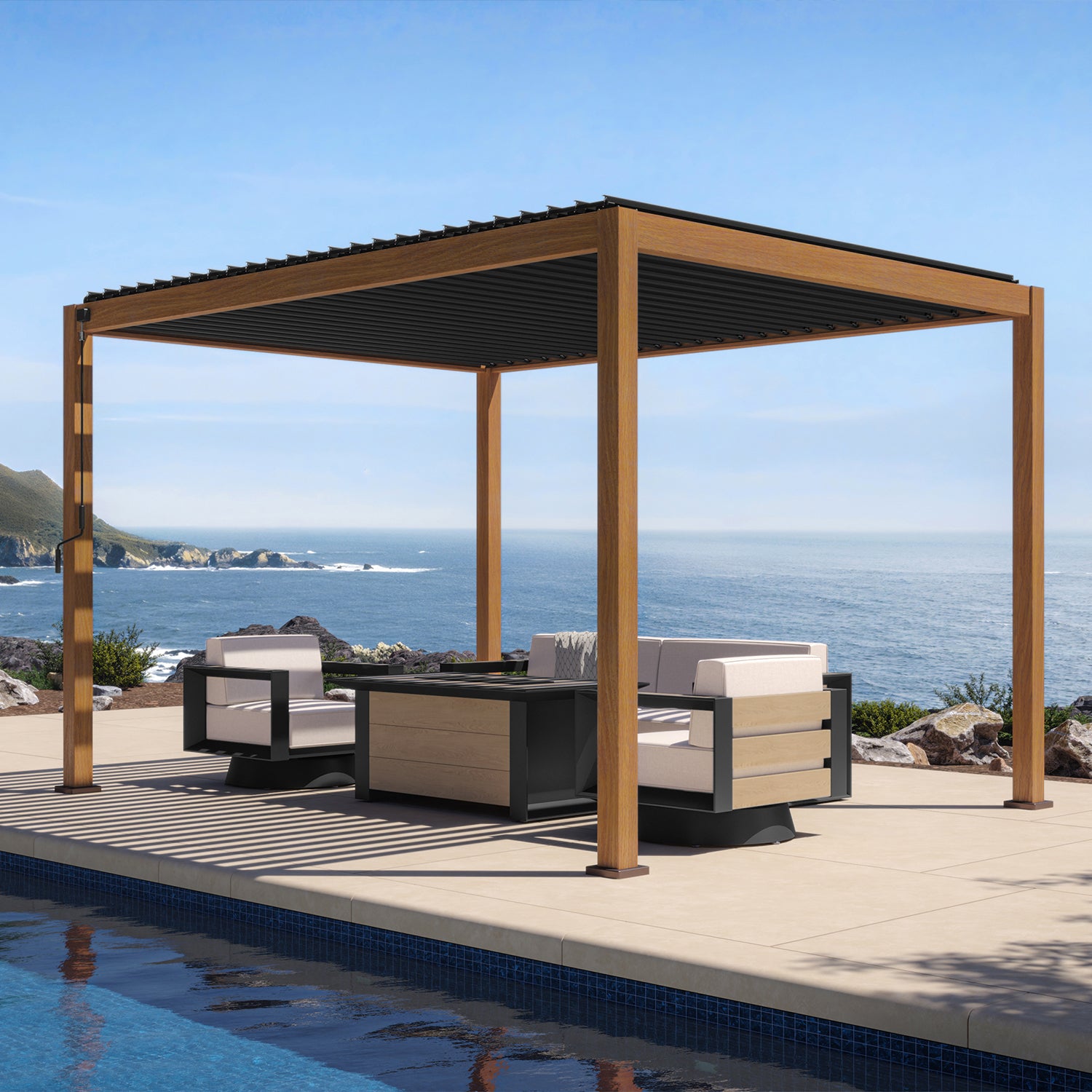
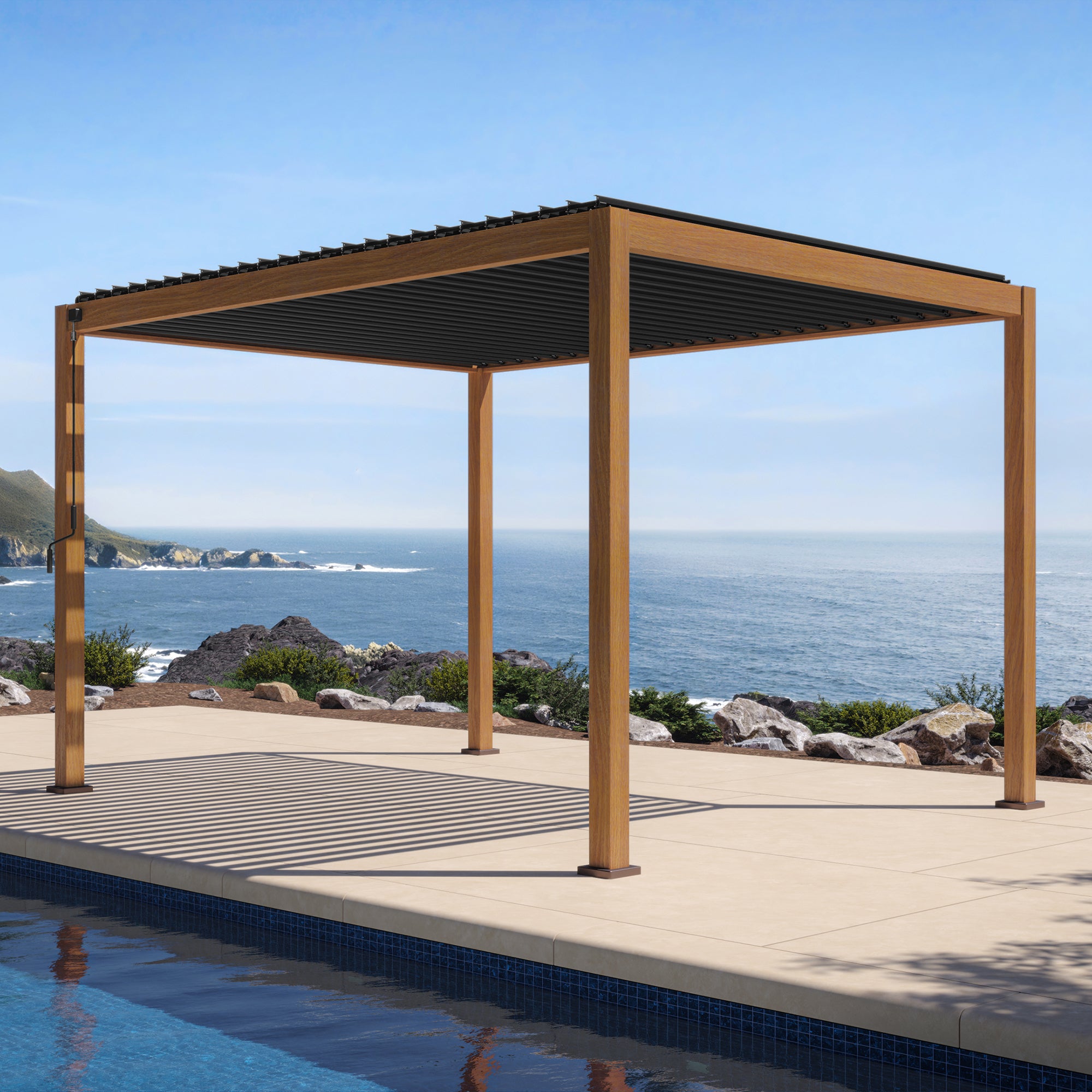
Choosing the right material depends on your design preferences, budget, and how much maintenance you’re willing to perform. If you love the wood look but want to avoid constant maintenance, check out the Takasho series. With our textured Takasho wood grain finish, these pergolas combine the beauty of wood and the durability of aluminum and alloy steel.

3. What Is a Pergola Used For?
A pergola is not just a decorative feature and serves multiple practical purposes. Here are the most common ways people use pergolas.
- Provide partial shade: A pergola offers relief from the sun while still allowing air and light to flow freely, making patios and decks more comfortable.
- Enhance garden design: Pergolas serve as architectural focal points in gardens, and they can support climbing plants like roses, wisteria, or ivy for a lush, natural look.
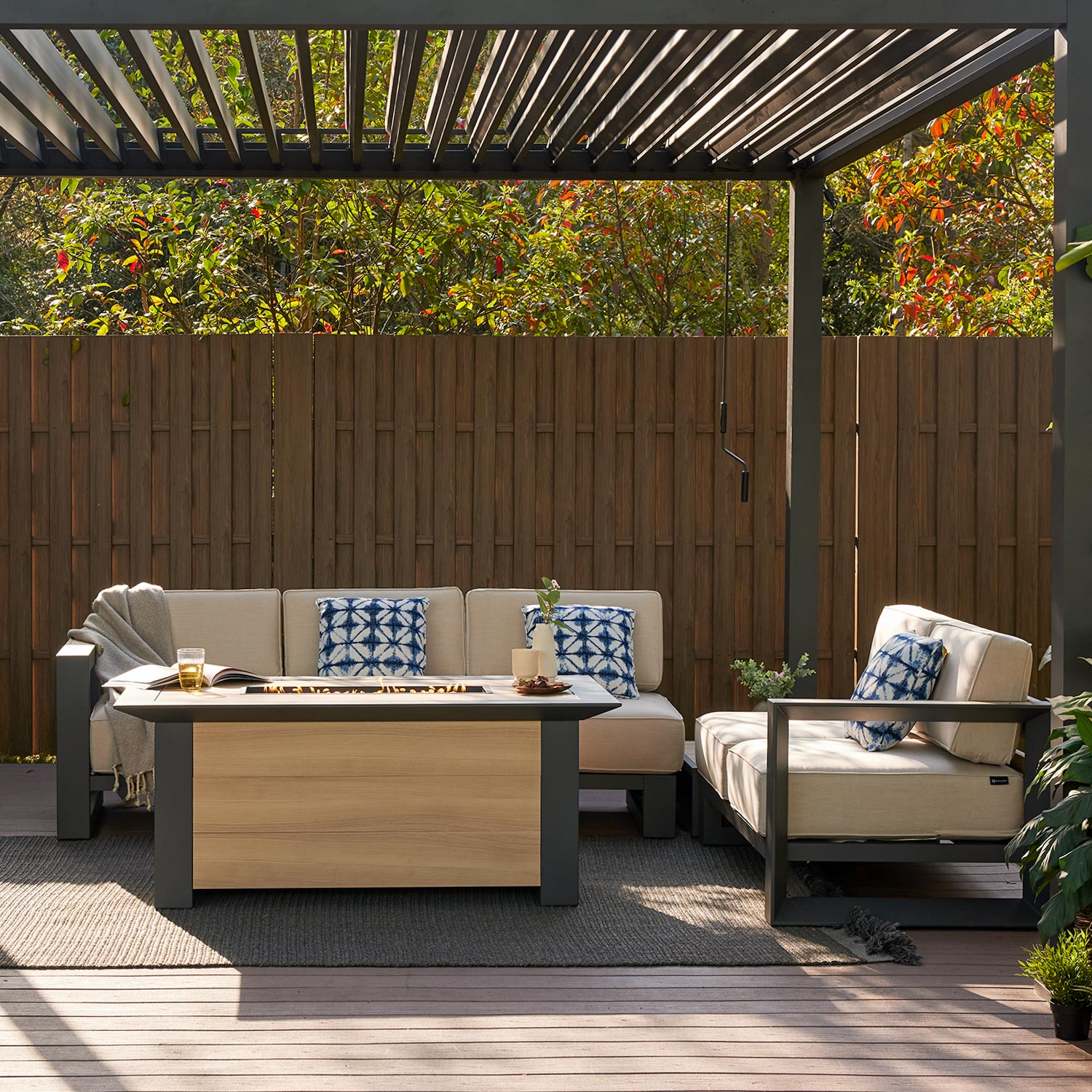
- Extend outdoor living space: They create defined areas for dining, lounging, or entertaining, effectively expanding your home’s living area into the outdoors.
- Support climbing plants and decor: Pergolas can hold lights, curtains, or hanging plants, adding personality and charm to your outdoor space.
- Host outdoor events: From family gatherings to small weddings or parties, pergolas provide a beautiful backdrop and functional space for social events.

4. Comparing a Pergola With Other Outdoor Structures
For many homeowners, distinguishing a pergola from other outdoor structures can be confusing. Here’s a clear comparison:
Pergola vs Gazebo
A pergola is an open or slatted-roof structure that provides partial shade while allowing airflow. It is ideal for defining outdoor living areas, supporting climbing plants, and adding visual interest. In contrast, a gazebo has a fully covered roof, often with walls or railings, offering full protection from the sun and rain.
Homeowners searching for a semi-shaded, airy space usually prefer a pergola, whereas those wanting a fully sheltered outdoor area often choose a gazebo.
Pergola vs Arbor
Pergolas are larger structures that create functional outdoor spaces for dining, lounging, or entertaining. They can also support climbing plants along multiple posts. Arbors, on the other hand, are smaller and primarily decorative, often placed over garden paths or entrances.
While a pergola provides both utility and aesthetic appeal, an arbor is mainly a charming architectural accent.
Pergola vs Trellis
Although a trellis may resemble parts of a pergola due to its lattice design, it serves a different function. Pergolas are freestanding or attached structures with posts and beams, creating usable semi-shaded areas. Trellises are generally flat frameworks attached to walls or fences, primarily used for supporting climbing plants.
Unlike pergolas, trellises rarely provide seating or shelter, making them decorative rather than functional.
Pergola vs Pavilion
Pergolas and pavilions are both large outdoor structures, but they differ in design and use. A pergola has an open roof, emphasizing light, airflow, and visual openness. Pavilions have solid roofs that provide complete shade and better protection from the weather.
Pergolas are ideal for flexible, airy spaces, while pavilions are better suited for outdoor gatherings where shelter from sun or rain is needed.
This comparison helps homeowners quickly decide which structure best fits their outdoor design and functional needs.
5. Why Do Homeowners Choose Pergolas?
Pergolas have gained popularity because they perfectly combine style and function. Here's why people love them:
- Pergolas add a beautiful touch to any garden or backyard.
- They extend outdoor spaces, keeping everything open and airy.
- With a pergola, patios and decks become more comfortable and inviting.
- Pergolas can potentially increase property appeal due to enhanced landscaping and defined outdoor spaces.
- They come in modern designs with clean lines and invisible fixings that bring a unique style to your outdoor areas.
- Designed for easy DIY installation, the Mirador pergola can be assembled by two people in approximately four to six hours.
Whether used for relaxation, entertaining, or supporting garden features, pergolas provide a flexible solution for many outdoor design goals.

6. Conclusion
In summary, a pergola is an elegant, versatile outdoor structure that adds both beauty and functionality to your garden or backyard. Understanding the pergola meaning, its typical sizes and materials, and what a pergola is used for helps homeowners make informed decisions when designing their outdoor space.
Mirador pergolas are high-quality and thoughtfully designed to turn your backyard into a cozy, inviting space. With a shaded spot to relax, entertain, or enjoy nature, they make your outdoor area a place you'll love spending time in every day.