






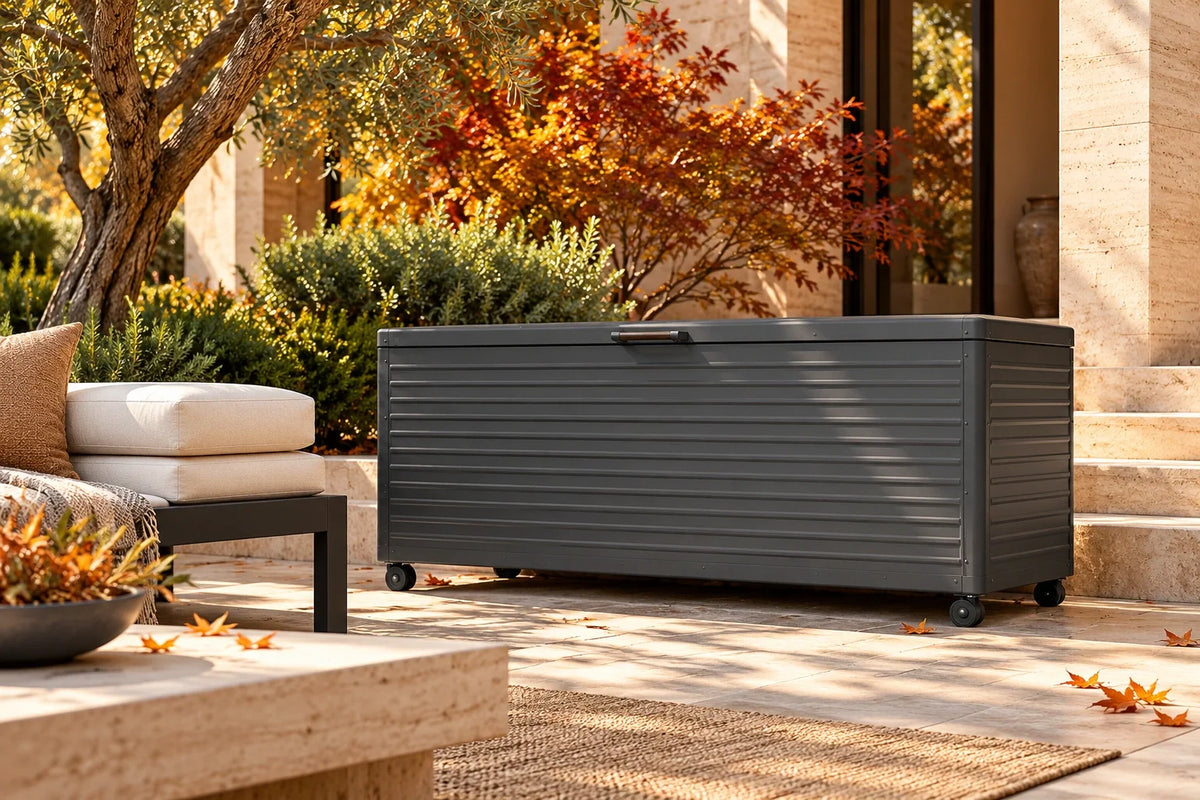
To store outdoor cushions for winter, clean them according to their care instructions, let the fabric and filling dry completely, and put them in a clean, dry storage space. Protect their shape, keep them away from damp floors, and check for moisture during the season. A deck box can be a useful option when it fits the cushions and is suitable for the conditions where you place it.
The most important decision is where the cushions will stay dry for the next few months. A storage bag, furniture cover, or outdoor-rated fabric cannot make up for putting a damp cushion away.
At Mirador, we think about winter storage alongside outdoor comfort. Whether you are putting away dining seat pads, sofa cushions, or throw pillows, preparing them before a long break makes it easier to bring your patio back into use in spring.
Choose Your Winter Storage Location First
Decide where the cushions will go before you begin cleaning. That gives you somewhere ready if the weather turns wet while they are drying.
For extended storage, a dry indoor space is often the simplest option. An outdoor deck box can also be practical, particularly when indoor space is limited, but the condition of the box and its location matter as much as the fact that it has a lid.
| Storage location | When it makes sense | What to check first |
|---|---|---|
| Indoor closet or spare room | You have space for a full season of storage | Keep cushions clean, supported, and clear of items that could stain or crush them. |
| Garage | Shelving or another clean storage area is available | Look for leaks, moisture brought in by vehicles, pests, and contact with wet floors. Keep cushions away from dirty tools and chemicals. |
| Shed or basement | The space stays dry and can be checked during winter | Assess the actual conditions rather than assuming the building is suitable. Watch for condensation, leaks, damp walls, and pest activity. |
| Outdoor deck box | Indoor space is limited or you want convenient access | Confirm cushion fit, the box's weather protection and care instructions, and whether the interior stays dry in your chosen position. |
You do not automatically need a heated room. Follow the cushion manufacturer's instructions and focus on keeping the complete cushion dry and protected. A cool, dry garage and a damp garage are very different storage environments.
If you only have a small space
Separate seat cushions, back cushions, and pillows before choosing containers. Smaller pieces may fit on a closet shelf while larger cushions need a different location. Keep matching pieces labeled so you can return them to the correct furniture in spring.
Avoid forcing the whole set into a container that only fits when the cushions are folded or heavily compressed. A split storage plan is often more practical than a box that is too small.
Prepare Cushions Before Packing Them Away
Clean the fabric using its own care instructions
Brush or vacuum away loose dirt, crumbs, and leaves. Treat spills and visible marks before storage rather than leaving them until spring.
For many outdoor fabrics, mild soap and water are a useful starting point, but the care label determines the method. A fabric cover and its cushion insert may need different treatment. Do not assume a zipper means the cover is removable for washing, or that a removable cover can go in the washing machine.
Remove cleaning residue as directed, then allow the cushion to air-dry. Our outdoor furniture cleaning guide explains how to handle cushions separately from frames and other patio materials.
If a cushion already has persistent mildew, odor, or damaged filling, resolve that issue before storing it with the rest of the set. Use the treatment approved for the fabric and construction, or ask the manufacturer for help. Putting it into a storage box will not clean it.

Dry the filling, seams, and underside
A dry-looking cover does not establish that the center of the cushion is ready for storage. Give air access to all sides, including the underside that normally rests against the seat.
Where the cushion's construction allows it, stand it on its edge or support it on a clean drying rack. Reposition it so moisture is not trapped against a floor or another cushion. If rain or cool, damp weather interrupts drying, move it to a dry, ventilated indoor space.
Check the seams, piping, underside, and accessible filling before packing. Do not remove an insert unless the manufacturer permits it. If any part remains damp, allow more drying time.
There is no reliable drying time for every cushion. Thickness, filling, weather, and how much water entered the cushion all affect the process. Do not pack it merely because a certain number of hours has passed, and do not use a heat gun or direct heater to rush the job.
Prepare the storage space too
Wipe out the storage container or clean the shelf, then let it dry fully. Check the lid, seams, and surrounding area for signs of leaks or condensation.
Store cushions apart from wet furniture covers, damp pool accessories, garden tools, and anything with soil or food residue. Combining dry cushions with wet items simply brings moisture back into the storage space.
Can You Store Outdoor Cushions in a Deck Box All Winter?
Yes, if the cushions are completely dry, the box fits them comfortably, and the box is appropriate for the exposure at its location. Check the interior periodically rather than treating outdoor storage as a pack-and-forget task.
A deck box gives cushions a dedicated place and helps keep the patio organized. It is especially useful when you still use the outdoor area occasionally during a mild winter. For long periods of heavy exposure, choose the driest suitable location available and follow both the cushion and box instructions.
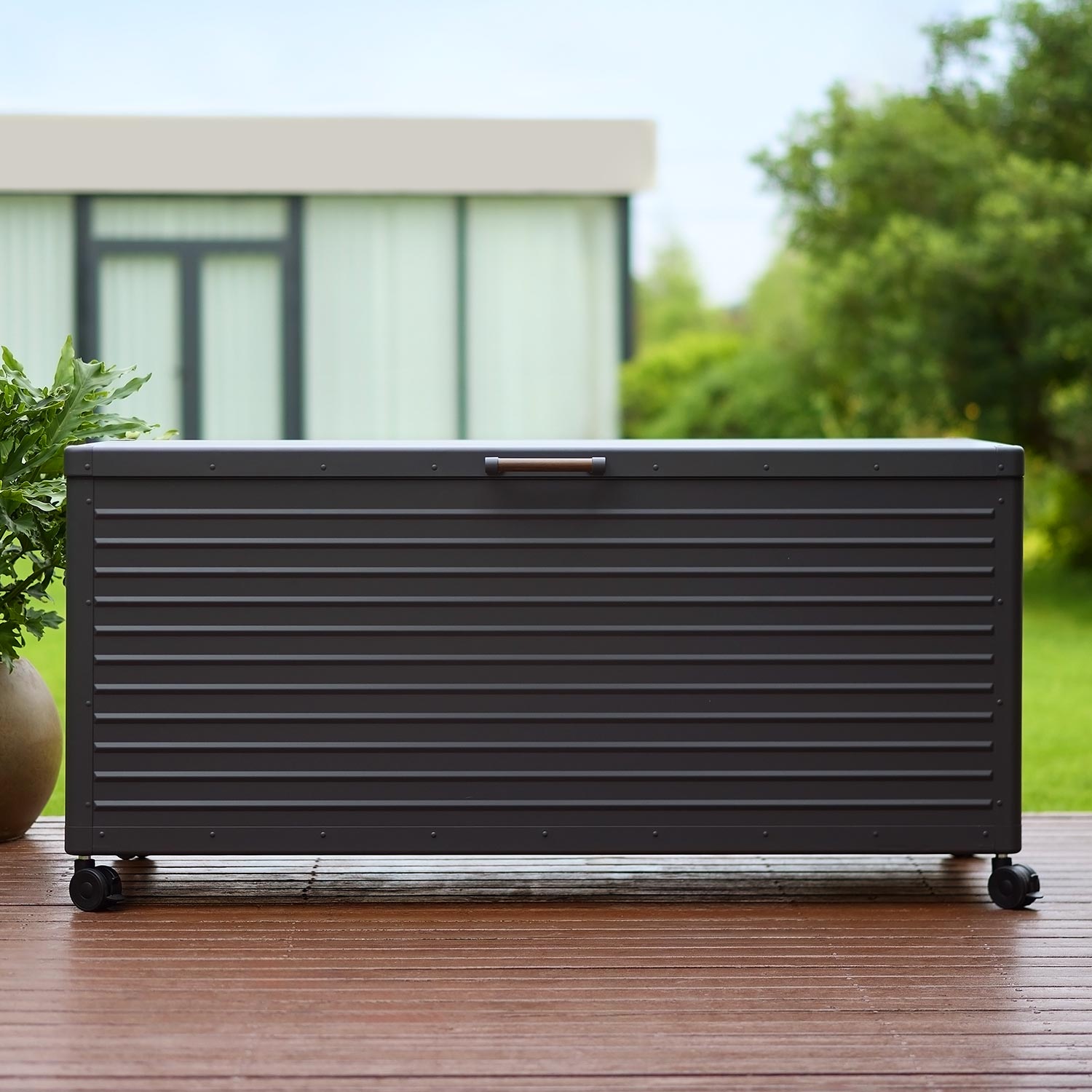
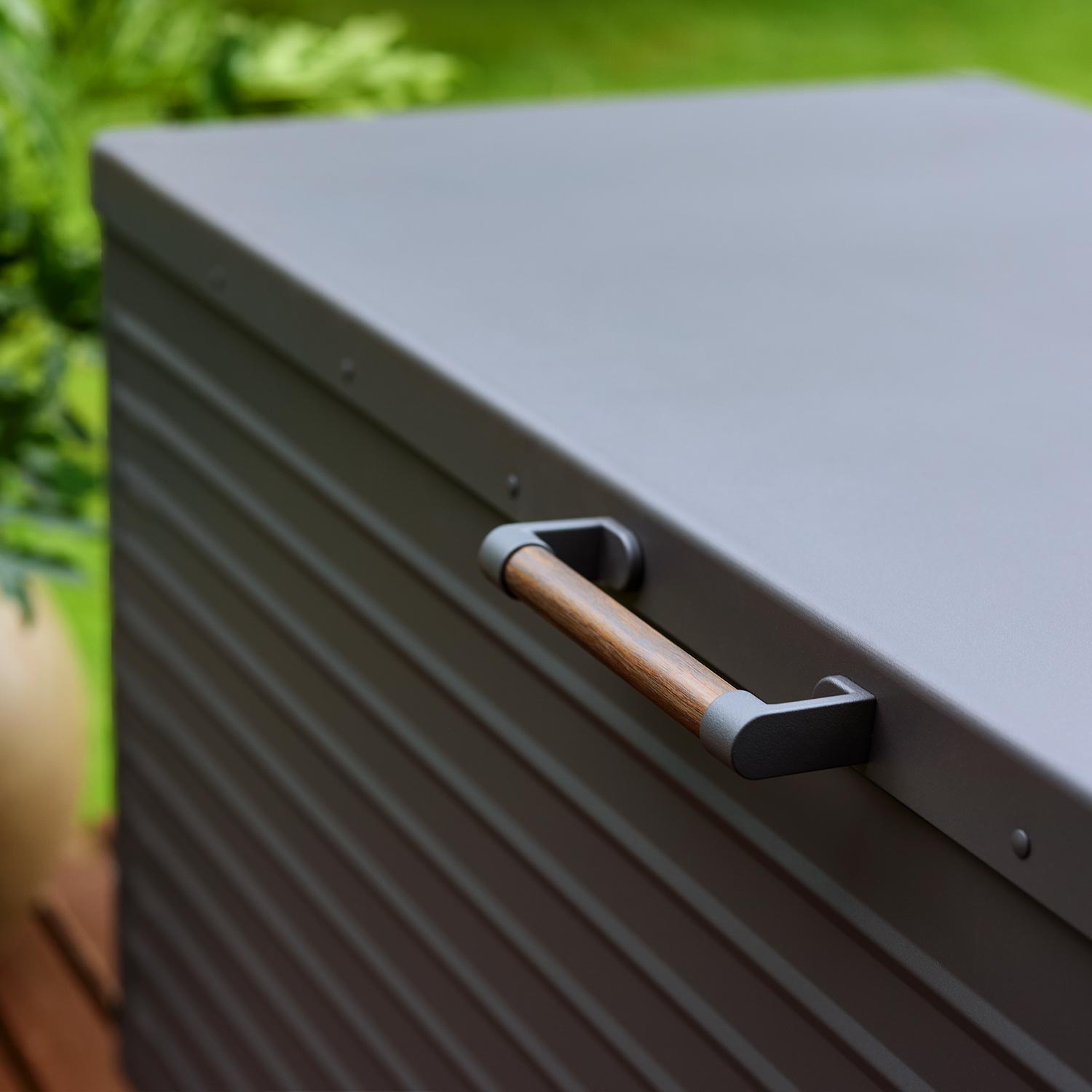
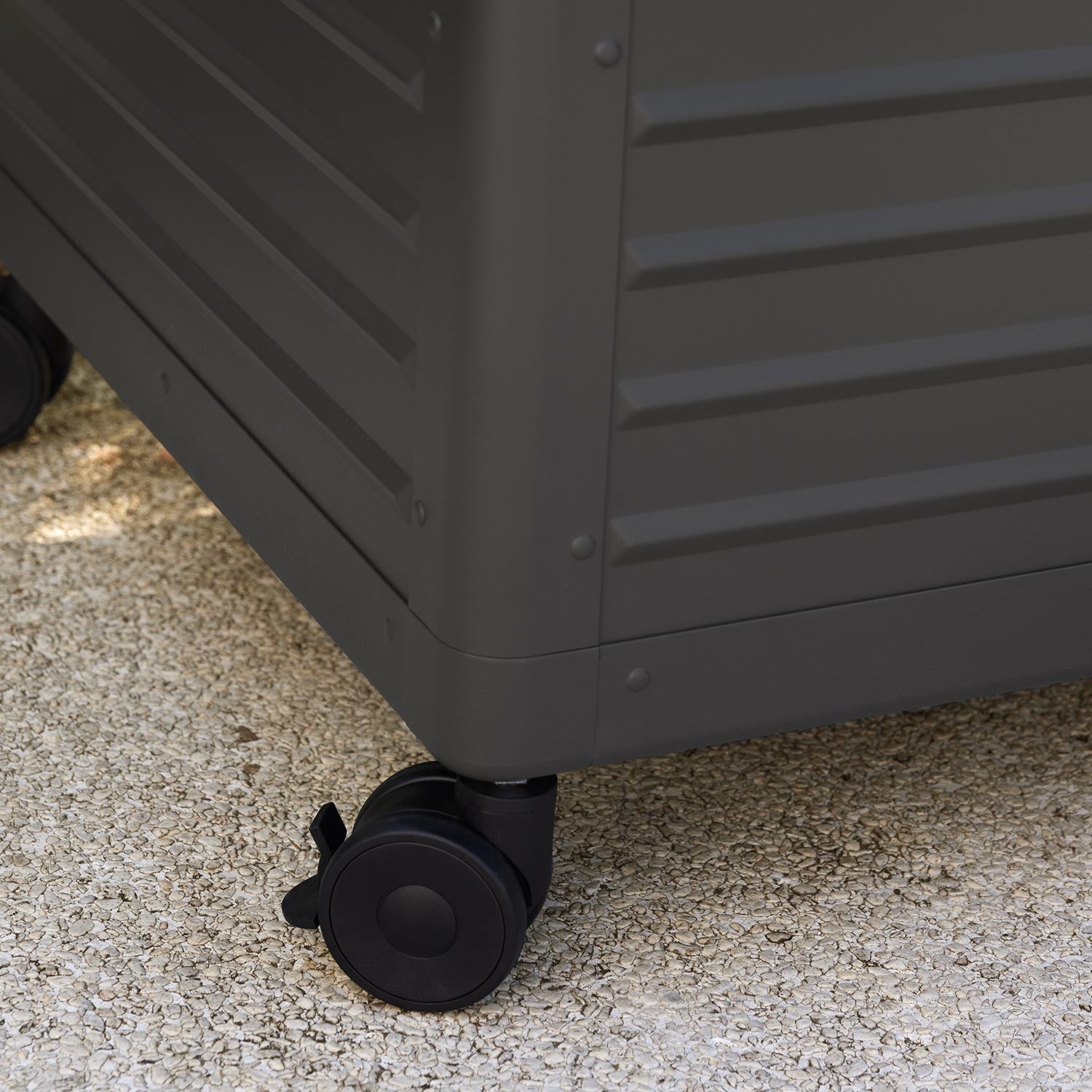
Our Mirador deck box collection includes storage options intended for patio cushions and other outdoor essentials. For larger cushions, our Horizon 281-US-Gallon Deck Box offers a larger storage option with aluminum-and-steel construction and a powder-coated finish. Its swivel wheels and soft-opening, soft-closing lid are useful handling features; keeping the contents dry still starts with proper preparation and placement.

Measure usable space, not just gallons
Before choosing a box, lay out the cushions you need to store. Measure the longest and widest pieces, their thickness, and the space needed for the full set in its intended arrangement.
Compare that with the box's usable interior dimensions and lid opening. Exterior measurements, including wheels or projecting parts, do not tell you whether a long sofa cushion will fit inside. A high gallon capacity alone does not guarantee the right shape.
Allow the lid to close normally without pressing down on the cushions. If usable interior measurements are not provided, ask us before ordering. Our deck box guide explains how capacity, dimensions, and intended use fit together.
Pack the box for access and inspection
- Start with a clean, fully dry interior.
- Place dry cushions inside without sharply folding them or forcing them against the lid.
- Keep dirt, wet accessories, and heavy objects out of the cushion storage area.
- Close the lid fully according to the box instructions.
- Keep the box accessible so you can check the contents during winter.
Choose a position that avoids standing water, roof runoff, and other unnecessary exposure, following the box's placement instructions. If you discover moisture inside, remove the cushions and dry them in a suitable space while you identify the cause. Do not add drain or ventilation holes to the box as an improvised fix.
Storage Bags, Plastic Bins, and Cushion Shape
A storage bag can keep dust off a dry cushion and make matching pieces easier to handle. A breathable bag is useful in a clean, dry storage area, but it is not a substitute for weather protection outdoors.
Plastic bins and sealed bags require particular care: any moisture packed inside remains a problem. If you use them, start with dry cushions and a dry container, follow the cushion's storage instructions, and check the contents. A tight lid does not remove moisture from the filling.
Protect shape as well as cleanliness. Support cushions evenly and avoid stacking heavy items on top. Do not assume every foam insert will recover after months of vacuum compression. Use vacuum bags only if the cushion manufacturer approves that storage method.
Fabric bags also do not make cushions pest-proof. Keep the storage area free of food and nesting material, check for gaps and damage, and inspect the cushions if you notice pest activity. Do not spray household repellents or scented oils onto upholstery as a routine storage treatment.
Check Stored Cushions During Winter
Make an early check after putting the cushions away, then inspect periodically through the season. Check sooner after a leak, heavy rain, snowmelt, or a change in storage conditions.
Look for:
- Dampness on the underside, seams, or filling.
- Condensation or water marks inside the container.
- Musty odors or visible spots.
- Pest activity or damaged bags.
- Cushions bent out of shape or compressed by the items above them.
If moisture appears, take the cushions out rather than closing the lid and waiting for spring. Dry the cushions and container separately, and correct the storage problem before repacking. If airing the container is appropriate, do it in dry conditions; do not leave an outdoor lid open to rain or snow.
Moisture-absorbing products, where appropriate and used as labeled, can supplement a storage plan. They do not replace drying wet cushions or fixing a leak.

What If the Furniture Sits Under a Pergola?
A pergola can make a seating or dining area more comfortable during the outdoor season, but it does not replace cushion storage during a long winter break. Open sides can still admit wind-driven rain or snow, and moisture can collect beneath a furniture cover.
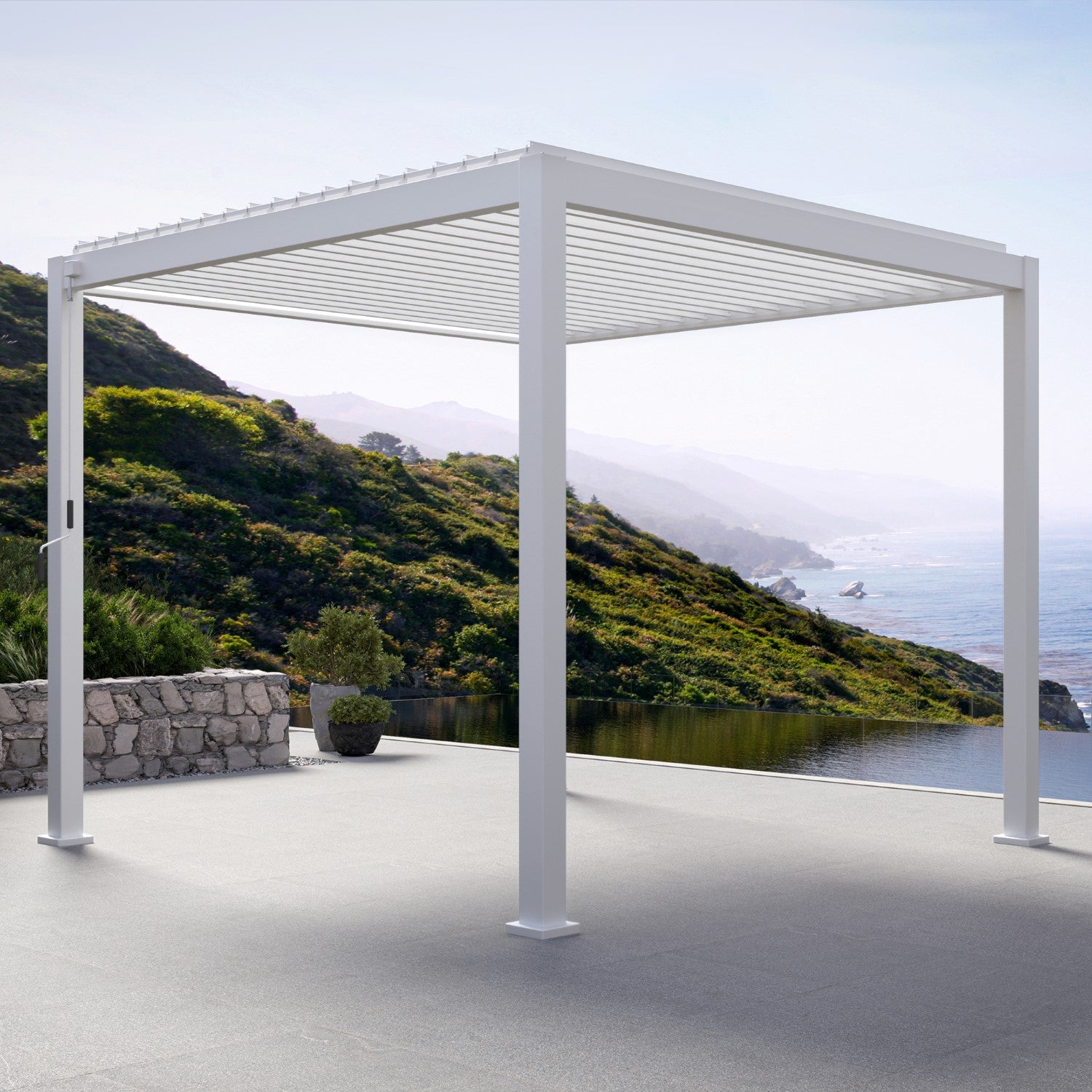
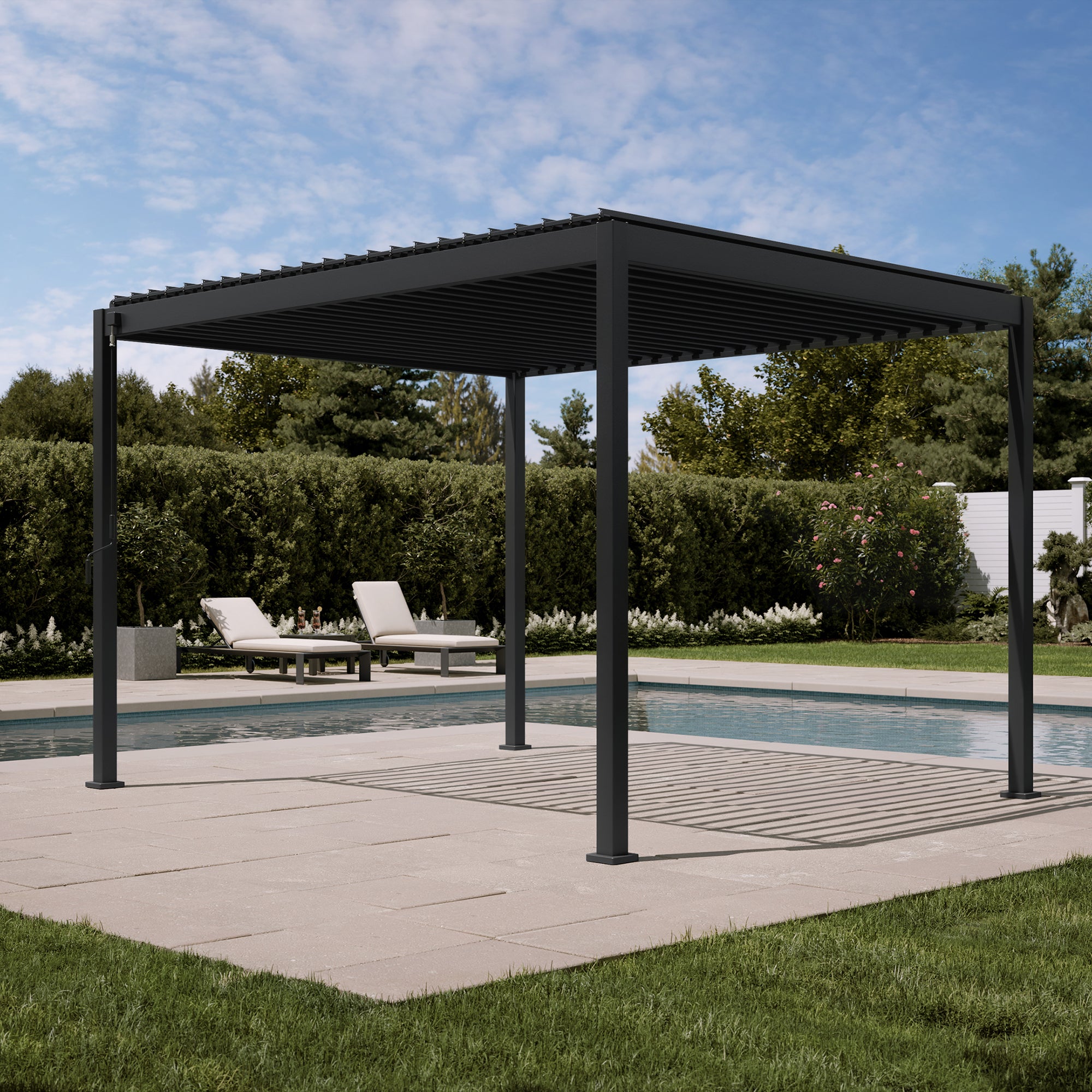
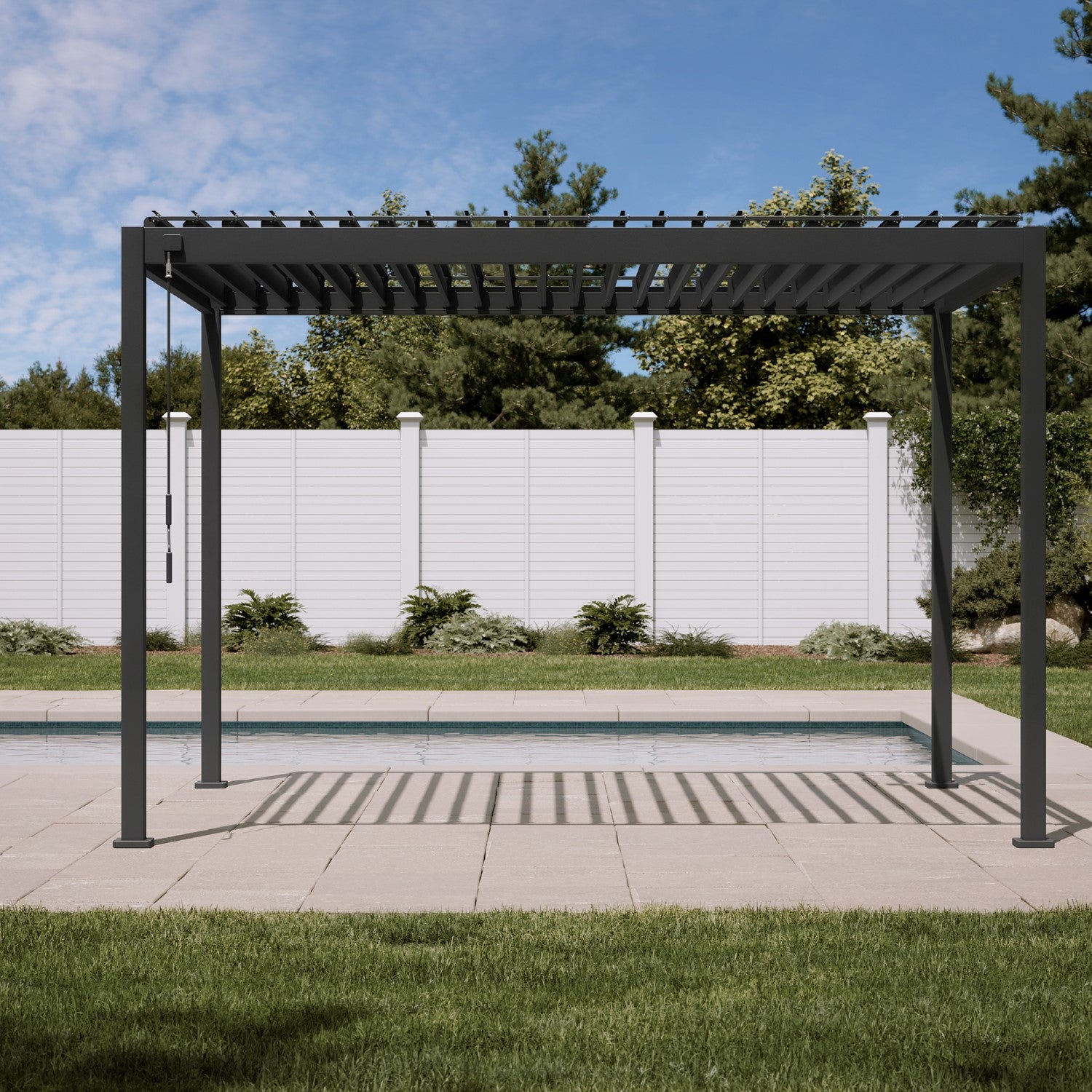
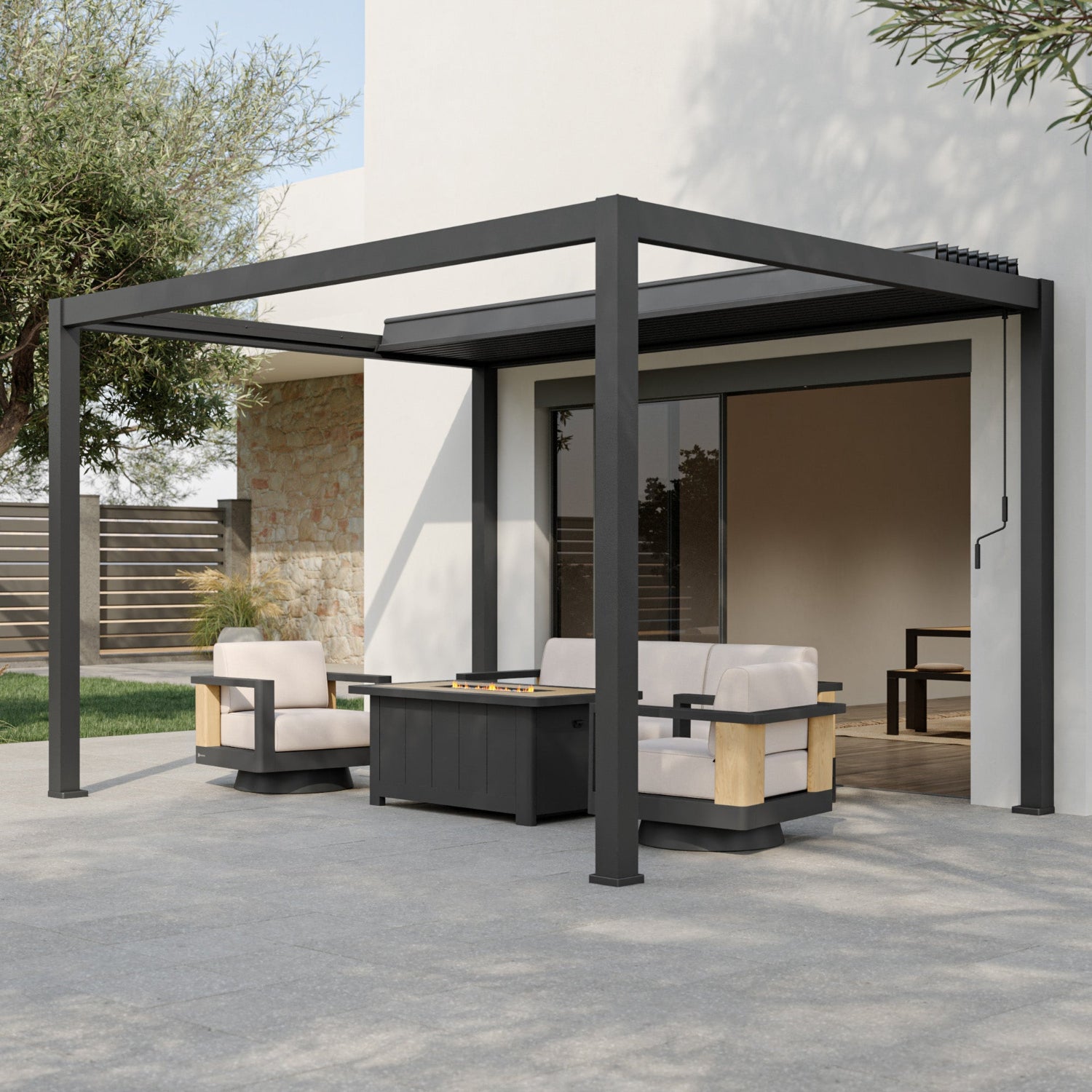
If you are planning a patio around one of our louvered pergolas, include an accessible cushion-storage location in the layout. That makes it easier to put cushions away when you stop using the furniture for an extended period.
Keep furniture-frame care and cushion care separate: the appropriate winter treatment for a metal frame may differ from the storage needs of its upholstery.
Winter Cushion Storage Questions
Can outdoor cushions stay outside all winter?
Some outdoor fabrics are designed for year-round exposure, but the whole cushion also includes seams, backing, and filling. Follow the furniture manufacturer's guidance. For a long period of non-use, storing clean, dry cushions in a suitable protected space reduces unnecessary exposure and cleanup.
Can I store patio cushions in an unheated shed?
Possibly, if the shed stays dry, the cushions' instructions allow it, and you can check them. Inspect for leaks and condensation, keep cushions away from damp floors and walls, and use a different location if moisture persists. The building material alone does not establish whether the shed is suitable.
Should I remove cushion covers for winter storage?
Not automatically. Follow the manufacturer's directions for removing, cleaning, and replacing covers. Some are intended to stay on the insert. Store the complete cushion dry and supported, whichever method its instructions specify.
Is a waterproof furniture cover enough?
A cover may reduce exposure, but it cannot dry a wet cushion and does not control the condition of the filling underneath. If cushions will be unused for months, check whether separate storage is more appropriate for the product and your climate.
Bring the Patio Back Into Use in Spring
Unpack the cushions and check them before returning them to the furniture. Air them out in a clean, dry place, inspect for marks or damage, and clean as needed according to the care instructions. Make sure the furniture frames are also clean and dry before replacing the cushions.
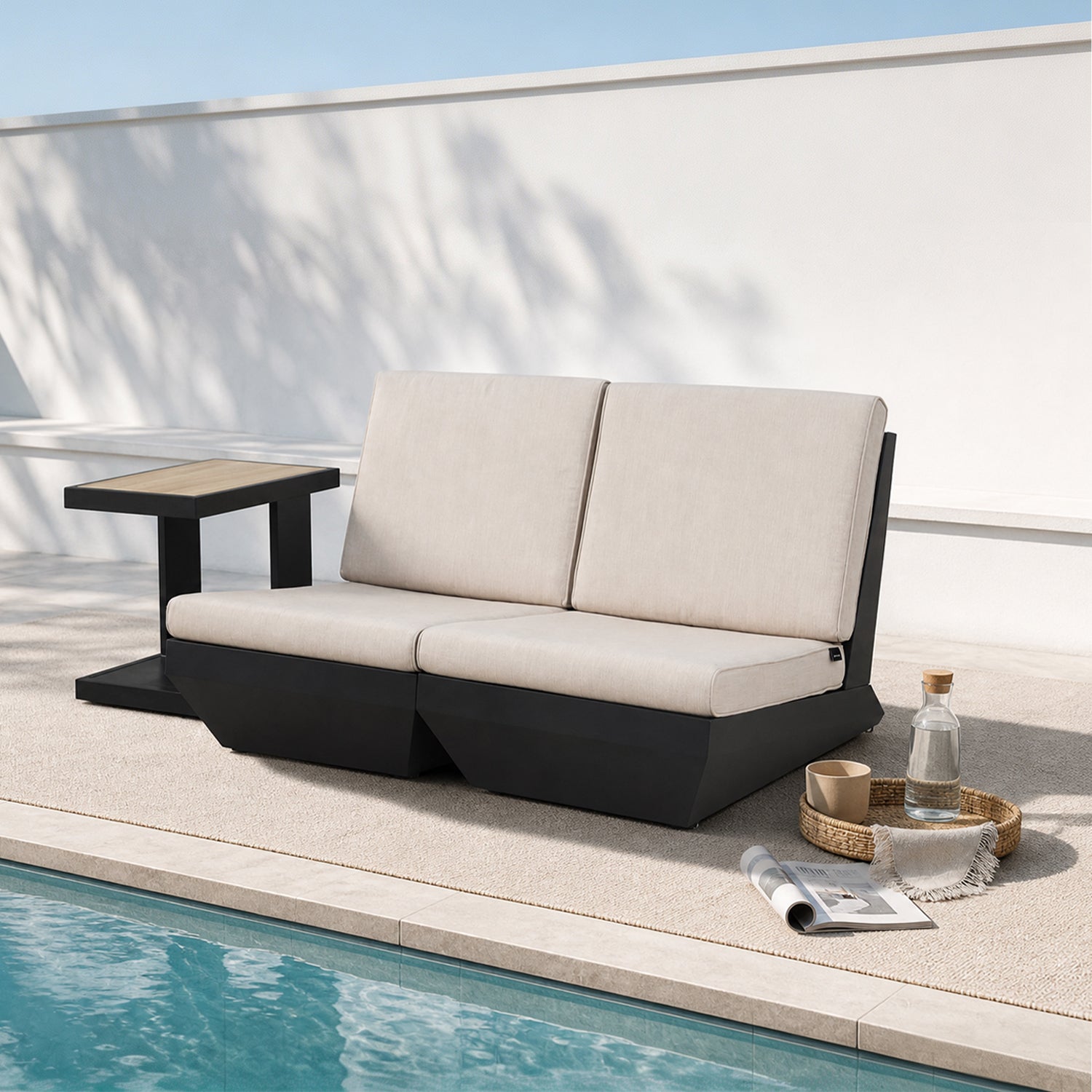
When choosing from our outdoor furniture collection, plan where the removable cushions and pillows will go during extended non-use. Pairing comfortable furniture with a storage space that fits your actual cushions makes seasonal care easier—and helps keep your outdoor space ready for the next season.