





The best way to clean outdoor furniture is to remove loose dirt, wash each surface with a suitable mild cleaner, remove the residue, and let everything dry completely. For many common patio materials, mild dish soap and lukewarm water are a good starting point. The method changes for wood, wicker, metal, plastic, cushions, and sling fabric.
Whether you are refreshing a dining table, cleaning a patio sofa, or removing sunscreen from a chaise lounge, start by identifying the material. This guide explains the basic steps, material-specific methods, and what to do when ordinary washing does not remove a stain.
What You Need
For a routine clean, gather:
- Mild dish soap or a cleaner approved for your furniture.
- A bucket of lukewarm water.
- Soft cloths or a non-abrasive sponge.
- A soft-bristle brush and a small soft brush for crevices.
- A vacuum with a brush attachment.
- Clean towels.
- A garden hose with a gentle spray, where rinsing is permitted.
Read the care label before using stain removers, bleach, or specialist cleaners. Test unfamiliar products on an inconspicuous area. Work in a shaded, ventilated spot so the solution does not dry onto the surface.
How to Clean Outdoor Furniture in 5 Steps
1. Remove Cushions and Loose Debris
Move loose cushions aside. Brush or vacuum leaves, crumbs, pollen, and dust from the furniture, including underneath seats and along seams.
Starting dry helps you remove debris without spreading it into wet streaks or pushing it farther into a weave.
2. Prepare a Mild Cleaning Solution
Mix mild soap and water according to the furniture or cleaner instructions. Use a fabric-specific dilution when one is supplied.
You do not need a strong cleaner for every routine wash. Start gently and identify stubborn stains before changing products.
3. Wash One Section at a Time
Wipe hard surfaces with a soft cloth or sponge. Use a suitable soft brush for textured surfaces and woven areas.
For fabrics, follow the care label. Treat spills promptly, and avoid aggressive scrubbing. Clean frames and upholstery separately.
4. Remove All Soap Residue
Rinse with clean water where the material and assembled furniture allow it. Otherwise, wipe repeatedly with a clean damp cloth.
Pay attention to corners, seams, and the underside of tables. Do not direct water into mechanisms or appliance controls.
5. Dry Completely
Towel-dry hard surfaces where appropriate, then allow remaining moisture to evaporate. Give fabrics airflow and check that cushion filling is dry before storage.
Put cushions back and fit covers only after the furniture is fully dry.
Cleaning Methods by Material
| Material | Routine Method | Main Caution |
|---|---|---|
| Metal | Mild soapy water, soft cloth, remove residue, dry | Protect coatings; do not treat rust as ordinary dirt |
| Wood | Gentle cleaning suitable for the species and finish | Avoid soaking and aggressive brushing |
| Resin wicker | Remove dirt from the weave, wash gently, rinse and dry | Avoid damaging or loosening strands |
| Natural wicker | Vacuum and spot-clean with minimal moisture | Do not soak or routinely hose down |
| Plastic or resin | Mild soapy water, soft cloth or brush, rinse and dry | Avoid abrasive cleaners and unapproved solvents |
| Cushions | Fabric-specific cleaning and thorough air-drying | Confirm before removing or machine-washing covers |
| Sling fabric | Clean gently in place, rinse and air-dry | Keep the fabric tensioned; use its own care guidance |
How to Clean Metal Outdoor Furniture
For routine cleaning of coated metal furniture, wipe with mild soapy water and a soft cloth. Remove the soap with clean water and towel-dry.
Clean chair arms, legs, table edges, and the accessible underside. Wipe around swivel or reclining mechanisms rather than spraying cleaner into them.
On powder-coated aluminum, avoid abrasive pads and unapproved solvents. If the coating is chipped or peeling, cleaning will not restore it.
For steel or wrought iron, inspect any rust separately. Rust removal and refinishing depend on the metal and coating, so do not scrub every mark with a wire brush.
How to Clean Wooden Outdoor Furniture
Identify both the wood and its finish. Bare teak, painted timber, and sealed wood do not necessarily need the same products.
For routine dirt, use a gentle soap solution suitable for the finish and a soft cloth or brush. Work with the grain, remove residue, and allow the furniture to dry with airflow. Avoid leaving wood immersed in water.
If basic cleaning is insufficient, use a wood-specific cleaner approved for that species and finish.
A silver-gray appearance on weathered teak is not necessarily dirt. Decide whether you want to retain the patina or restore the color before buying a restoration product. Cleaning, oiling, sealing, and refinishing are separate decisions.
Check wood-look surfaces too. Some metal furniture uses a decorative wood-grain film rather than timber. For example, our Mirador Siena 3-Piece Conversation Set features Takasho wood film. Follow its care instructions for the decorative finish rather than applying treatments intended for solid timber.

How to Clean Wicker Outdoor Furniture
First distinguish natural wicker from synthetic resin wicker. “Wicker” describes the weave, not a single material.
For resin wicker:
- Remove cushions and vacuum the weave.
- Wash gently with mild soapy water and a soft brush.
- Use a small soft brush for narrow gaps.
- Rinse gently if the product permits it.
- Dry the frame and let the weave air-dry before replacing cushions.
For natural wicker:
Vacuum regularly and spot-clean marks with a lightly damp cloth and suitable mild soap. Remove residue with minimal moisture and dry in a ventilated area.
Avoid soaking natural fibers. A synthetic weave's washing method should not automatically be used on rattan, bamboo, or other natural materials.
How to Clean Plastic and Resin Patio Furniture
Remove loose debris, then wipe with mild soapy water. Use a soft brush for textured areas, rinse, and let the furniture dry.
Check beneath chair arms and around molded ridges, where dirt may accumulate. For white furniture, clean a whole visible section rather than repeatedly abrading one mark.
If discoloration remains, check whether it is staining, fading, or deterioration. A stronger cleaner cannot reverse every change caused by exposure.
Do not assume that a cleaning method approved for one HDPE product applies to every plastic chair. Avoid abrasive powders, eraser pads, or solvents unless the manufacturer approves them.
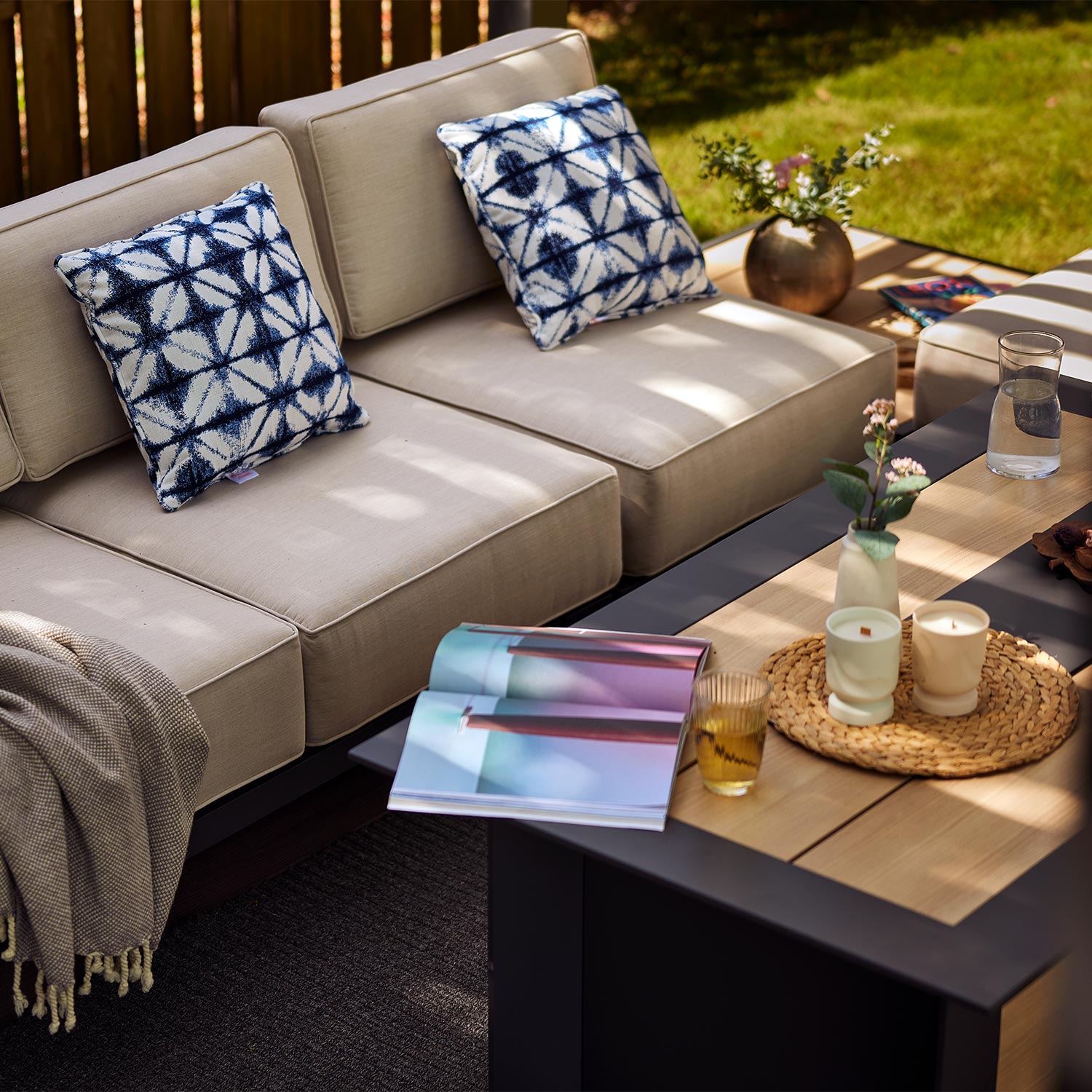
How to Clean Outdoor Cushions
Brush away dry dirt and blot fresh spills. Use the cleaning method for the specific fabric, remove residue thoroughly, and air-dry.
Check whether the cover is designed to be removed. A zipper alone does not establish machine-washability, and the fabric's washing instructions do not automatically apply to the complete cushion.
Sunbrella example: Its official upholstery guide specifies ¼ cup mild soap per gallon of lukewarm water for non-removable outdoor upholstery. Clean gently, rinse thoroughly, and air-dry; seam-to-seam cleaning can help avoid uneven results.
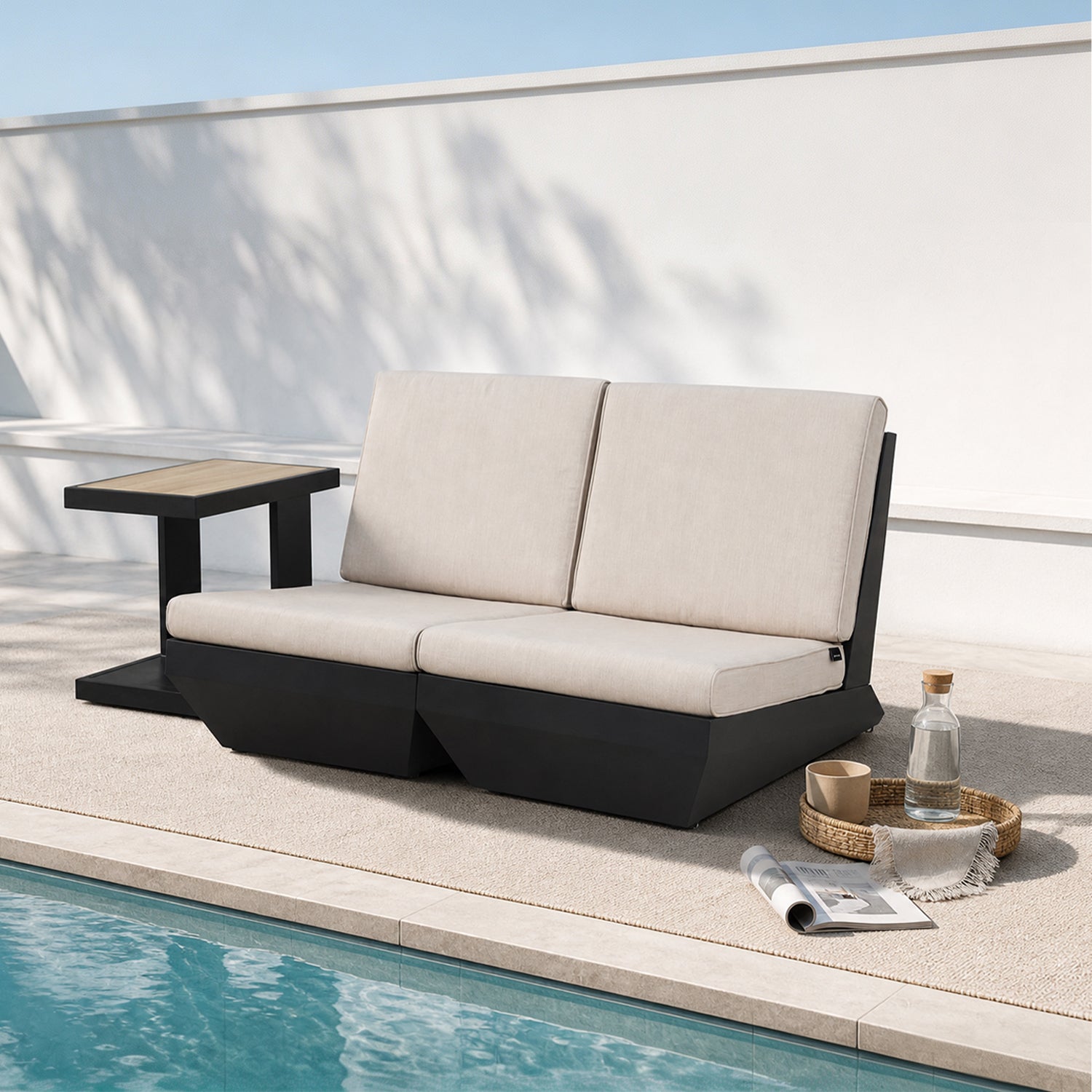
Our Mirador Mesa 7-Piece Dining Set includes Sunbrella cushions. Follow the supplied furniture care instructions before removing or machine-washing the covers.

Avoid tumble-drying or steam cleaning Sunbrella upholstery. Let the complete cushion dry before covering, not just its outer face.
How to Clean Sling Chairs and Chaise Lounges
A sling is fabric stretched across a frame. Clean it in place rather than treating it as a removable cushion.
Brush off loose particles, apply mild soapy water, clean gently with a suitable soft cloth or brush, and rinse away residue. Allow airflow around both sides while it dries.
Our Mirador Siena 3-Piece Chaise Lounge uses Phifer sling fabric. Phifer's official fabric guide emphasizes gentle cleaning, thorough rinsing, and airflow during drying.

Confirm the exact fabric before selecting a stronger stain treatment. Clean the metal frame separately, and do not remove a tensioned sling for routine washing unless instructed.
How to Remove Common Outdoor Furniture Stains
Identify the surface before choosing a stain treatment. Try ordinary cleaning first, then use an approved targeted method if needed.
| Stain or Buildup | What to Do First | If It Remains |
|---|---|---|
| Dust and pollen | Brush or vacuum before washing | Repeat gentle cleaning in textured areas |
| Food, coffee, or wine | Lift solids or blot liquid promptly | Use the fabric or finish manufacturer's stain guide |
| Bird droppings | Lift residue carefully; soften dried residue with an approved damp-cleaning method | Clean without scraping or grinding it into the surface |
| Sunscreen and oily marks | Blot excess without spreading it | Use an oil-stain treatment approved for the surface |
| Mold or mildew | Identify the fabric or finish | Apply a material-approved mildew treatment |
| Persistent frame discoloration | Clean gently and inspect after drying | Check whether the finish is damaged rather than dirty |
What About Mold and Mildew?
For confirmed Sunbrella outdoor upholstery, the brand's official mildew guidance specifies 1 cup bleach and ¼ cup mild soap per gallon of water, followed by a 15-minute dwell, gentle cleaning, thorough rinsing, and air-drying.
Use this only where the furniture construction and care instructions permit it. Protect nearby finishes and follow the bleach label. Never mix bleach with vinegar, ammonia, or other cleaners.
Do not transfer that formula to unidentified cushions, wood, metal coatings, or sling fabric. Persistent internal mold, odor, or damaged filling may need professional assessment.
Cleaning Mistakes to Avoid
Using a Pressure Washer as the Default
Some manufacturers permit pressure washing on particular products, but that approval is not universal. Use gentle hand cleaning unless the exact furniture instructions specify an appropriate pressure-washing method.
Treating Every Surface With the Same Cleaner
Bleach approved for a fabric can still affect nearby finishes. A timber cleaner may be unsuitable for a wood-grain film. Separate the materials before applying products.
Scrubbing Harder Instead of Identifying the Problem
A stain, faded fabric, and peeling finish require different responses. Aggressive cleaning can add damage without solving the original issue.
Covering Damp Furniture
Check cushion undersides, seams, filling, and shaded frame areas. Covers are for protection; they are not a drying method.
Washing a Fire Pit Like a Dining Table
For a propane fire table, turn off the appliance and gas supply as instructed, then allow it to cool fully before wiping the exterior. Keep liquid away from burners, ignition components, and gas connections. Internal cleaning belongs to the appliance's model-specific maintenance instructions.
How Often Should You Clean Outdoor Furniture?
Use this as a practical starting routine and adjust it to exposure:
- After spills or meals: remove food, drinks, and oily marks promptly.
- During regular use: check for dust, pollen, and debris; wipe or brush when buildup appears.
- After storms or heavy exposure: inspect for dirt, salt residue, and trapped moisture.
- At the start and end of the outdoor season: give the furniture a more thorough clean where needed.
- Before storage: clean each material and let everything dry completely.
A sheltered balcony and an exposed poolside patio will need different levels of attention. Clean sooner when dirt or moisture is accumulating.
To reduce future work, keep debris from settling into seams, store dry cushions appropriately during extended non-use, and use suitable covers. Check beneath covers periodically.
Frequently Asked Questions
What Is the Best Cleaner for Outdoor Furniture?
Mild soap and water are a useful starting point for many routine cleaning tasks. The best choice for a stubborn stain depends on the material, finish, and care instructions.
Can I Use Dish Soap on Patio Furniture?
Often, for routine cleaning, but confirm suitability for the surface and use the recommended dilution. Rinse or wipe away residue rather than leaving the soap to dry.
Can I Clean Outdoor Furniture With Vinegar?
Only when the care instructions approve it for that material and purpose. Vinegar is not a universal cleaner for fabrics, finishes, and decorative surfaces.
Can Outdoor Cushion Covers Go in the Washing Machine?
Only if the furniture manufacturer and care label allow it. Do not assume every removable-looking cover or outdoor fabric is machine-washable.
Can I Hose Down Outdoor Furniture?
Some hard surfaces and synthetic materials permit gentle rinsing. Natural wicker, cushion filling, mechanisms, and propane appliances need a different approach. Confirm before soaking an assembled piece.
How Do I Know When Cushions Are Dry Enough to Store?
Check the filling, seams, and underside as well as the fabric surface. Allow additional airflow if any part still feels damp.
Make Cleaning Part of Everyday Patio Care
Remove debris regularly, deal with spills promptly, and match the cleaning method to the material. These habits make seasonal cleaning easier without treating every mark with a stronger chemical.
For Mirador furniture, check the materials and supplied instructions for your exact piece. The Mirador outdoor furniture collection includes different upholstery and seating constructions, so keep the relevant care guidance with your cleaning supplies.
Can a Pergola Help Protect Outdoor Furniture?
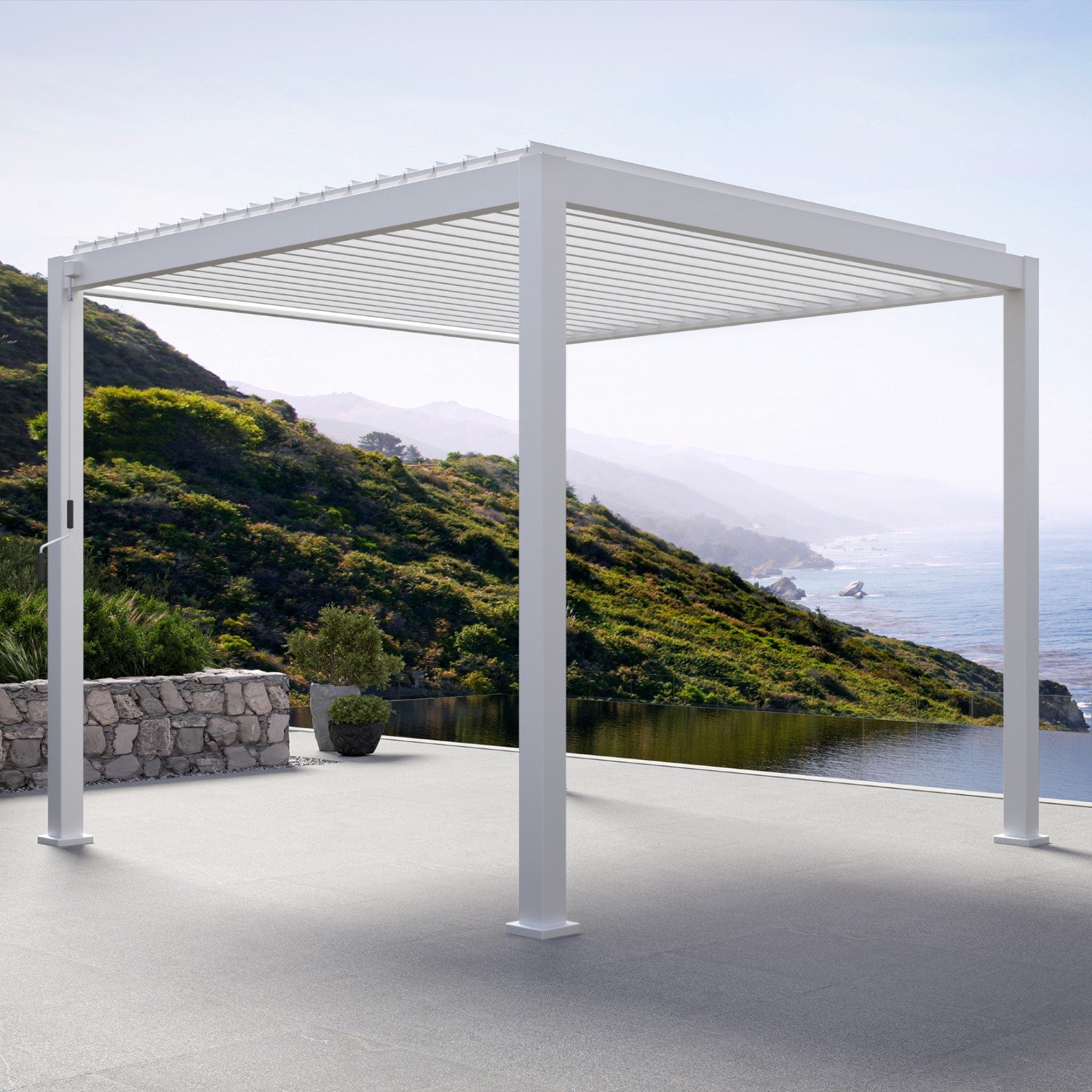
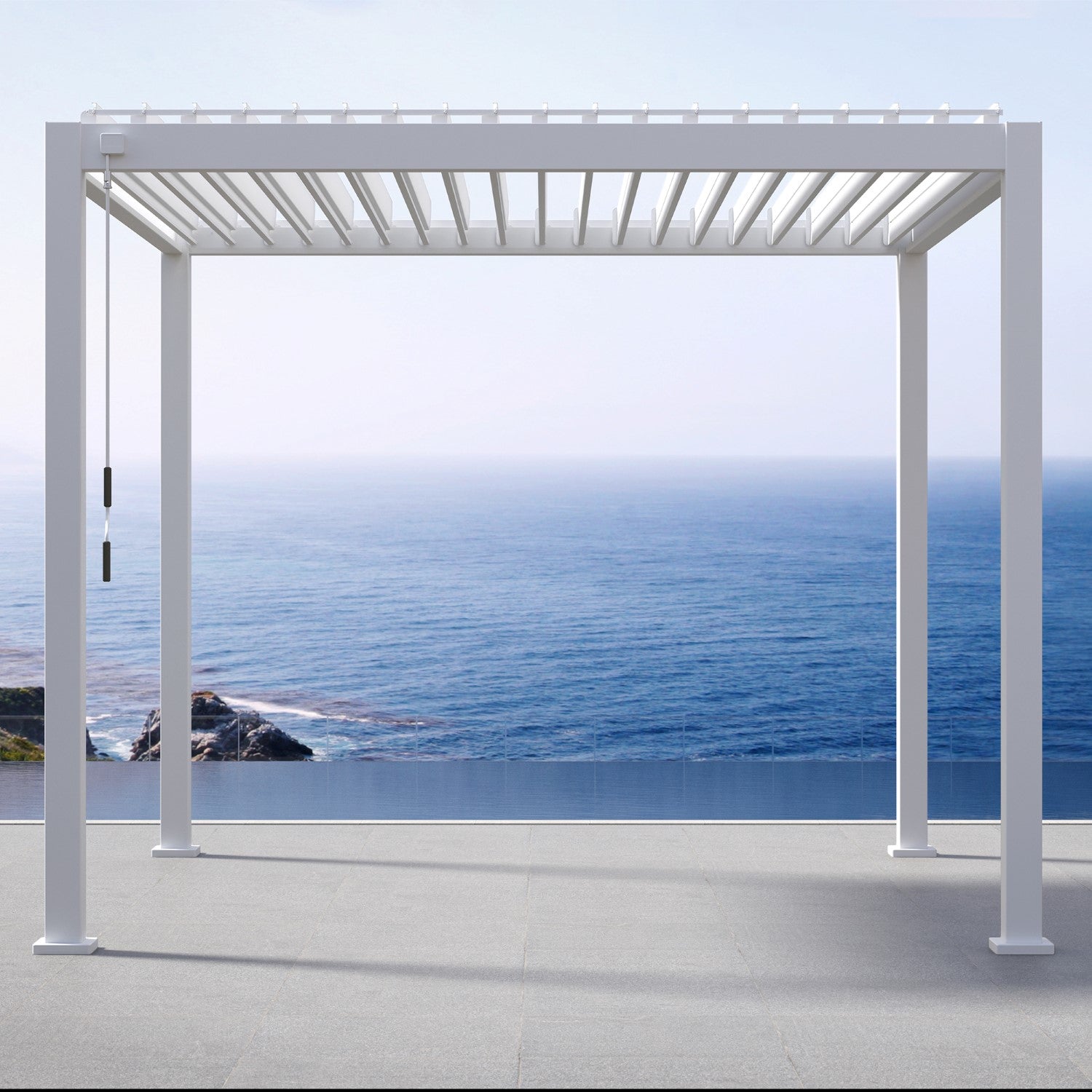
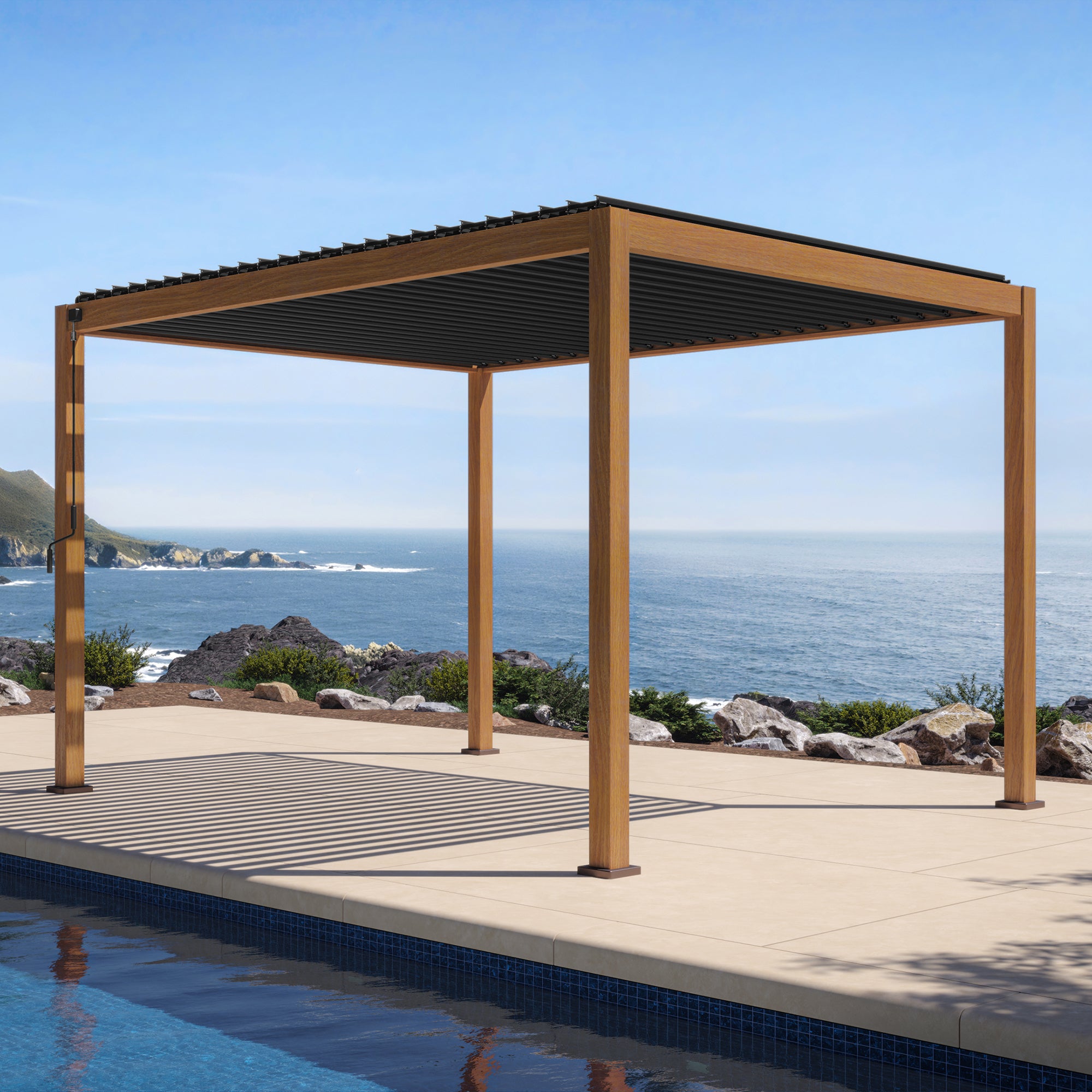
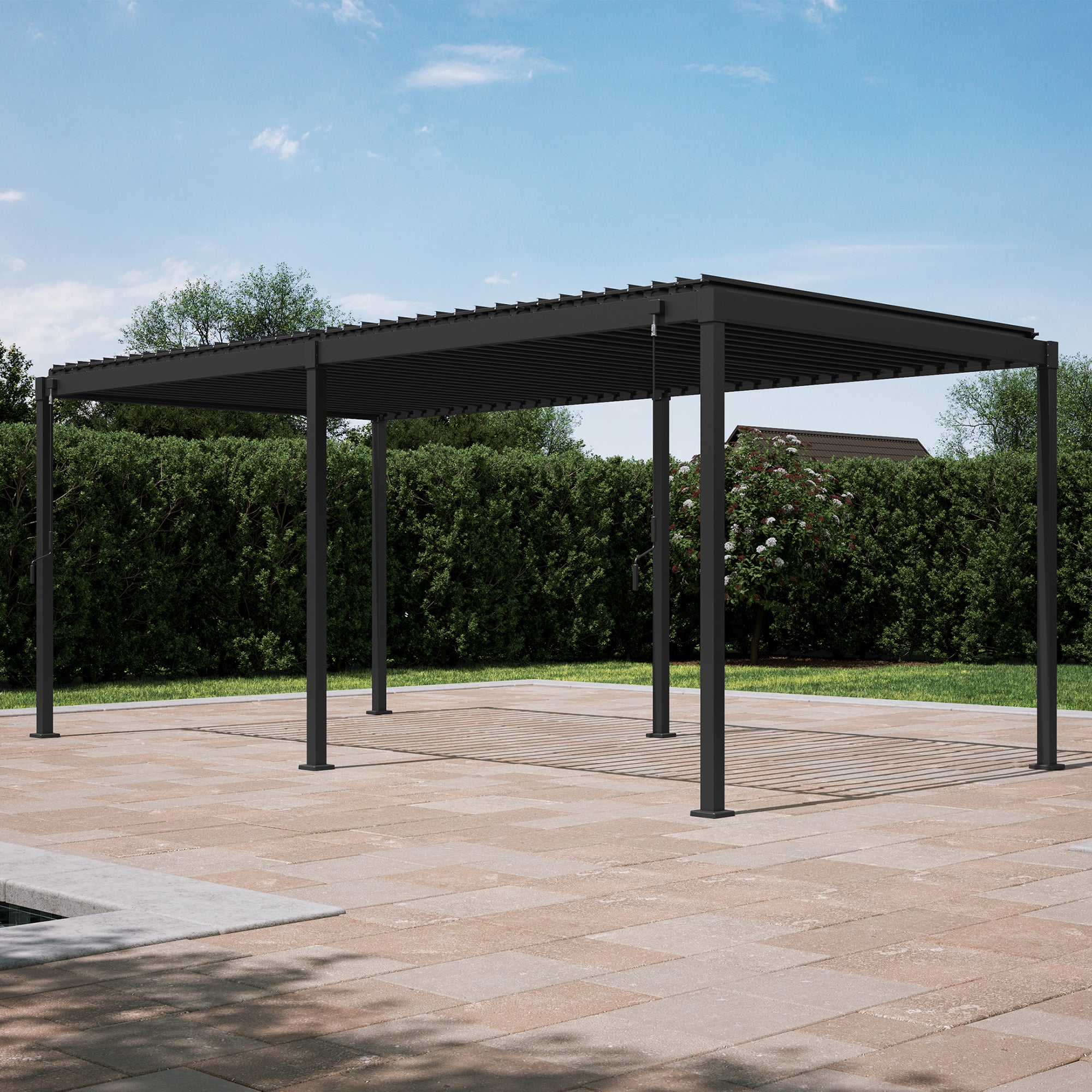
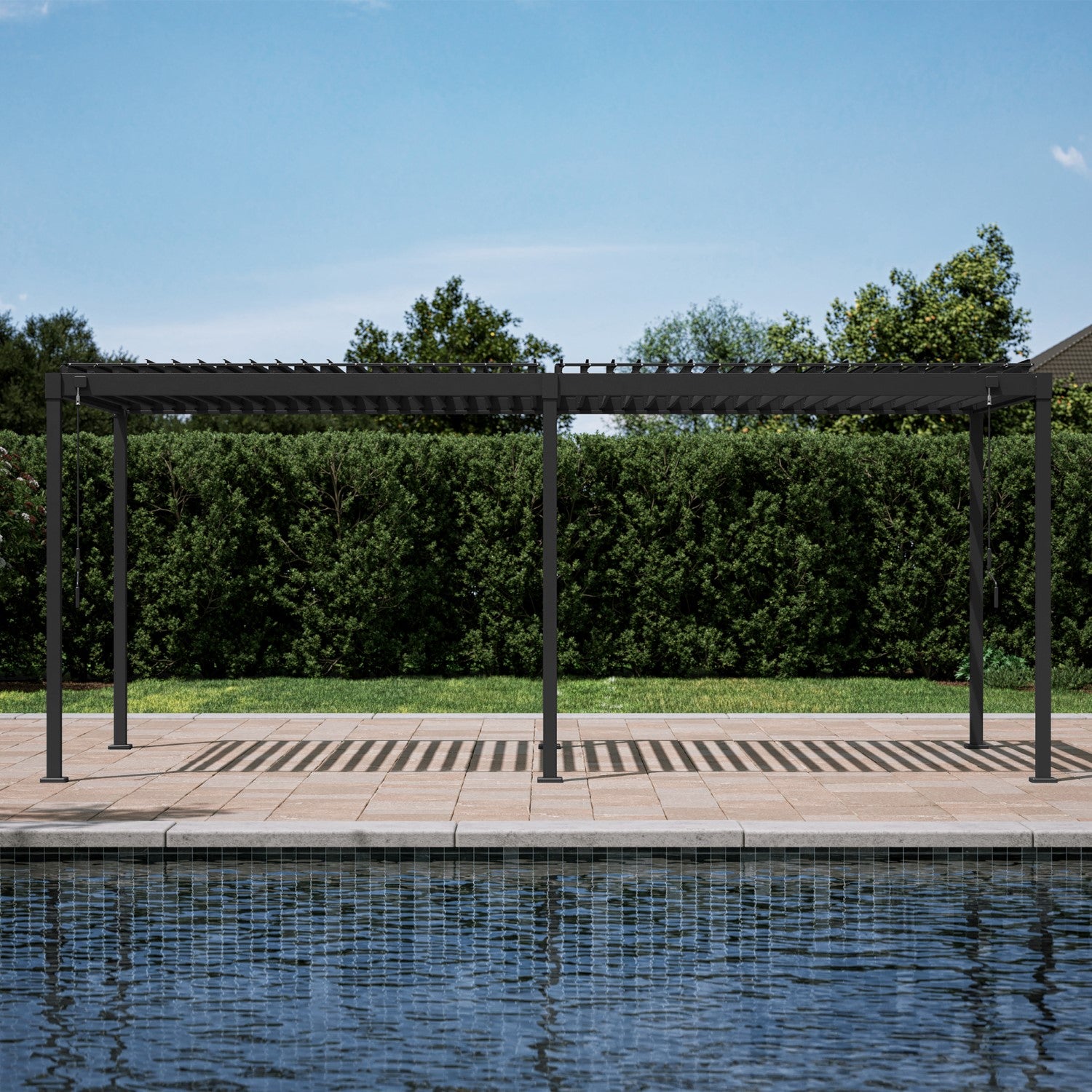
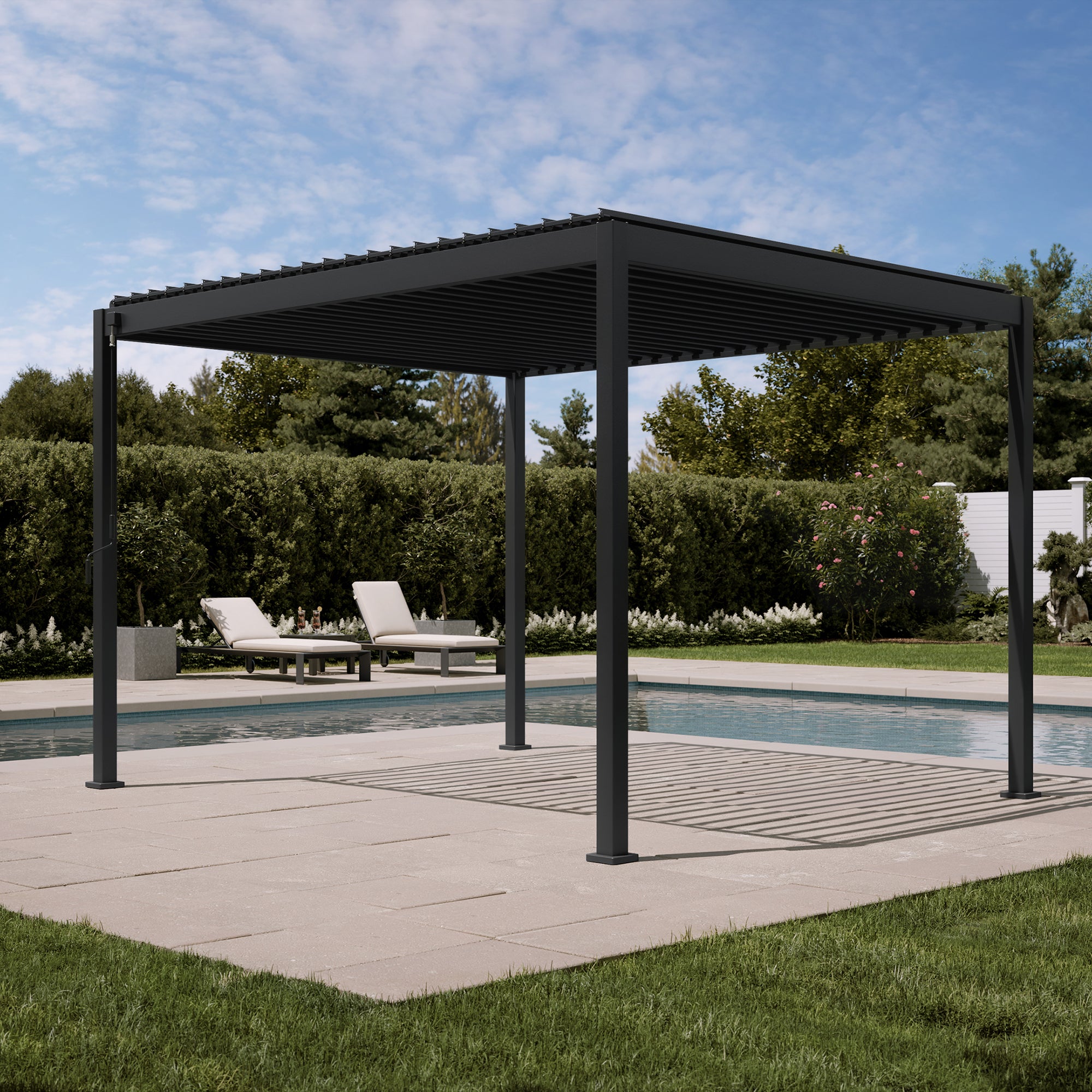
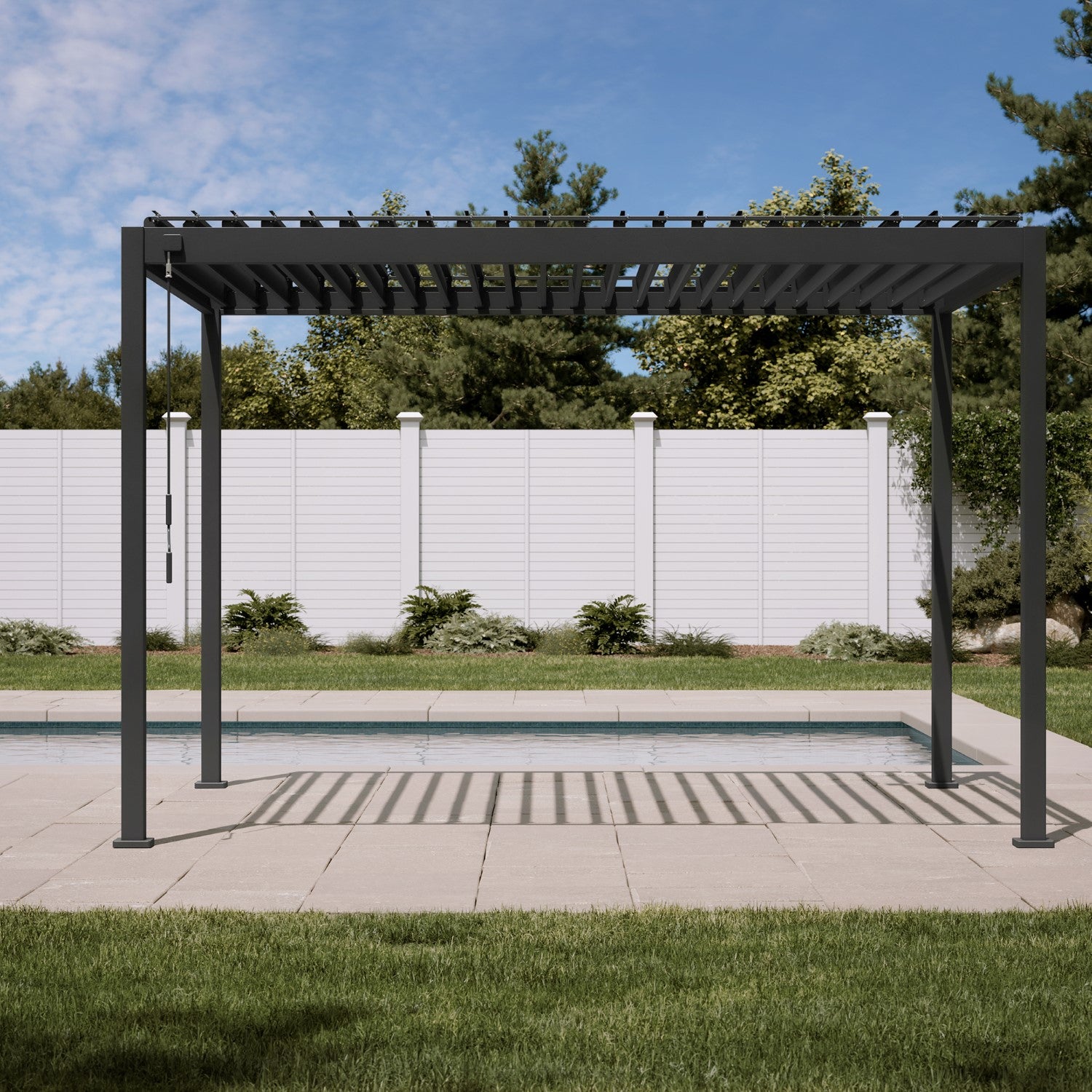
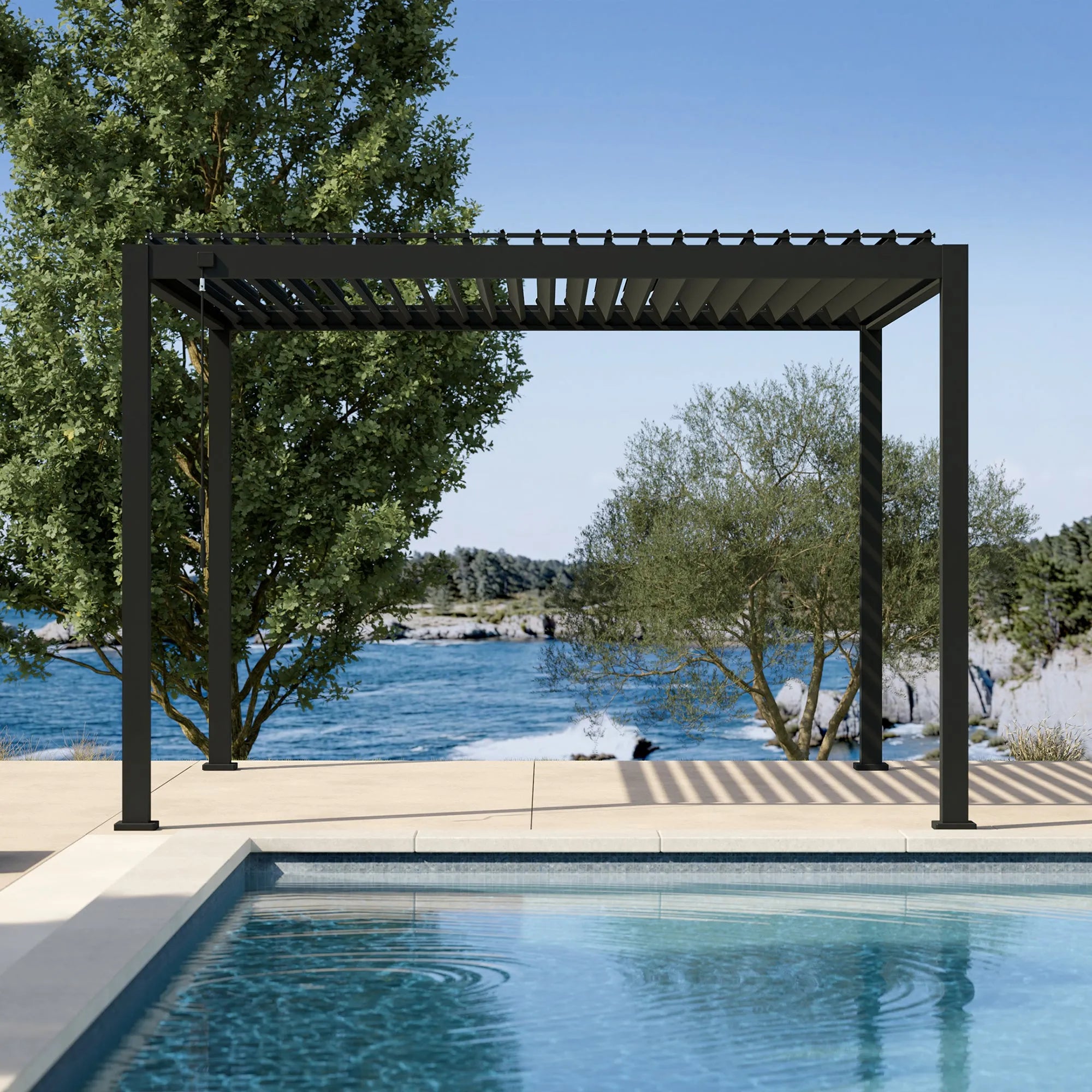
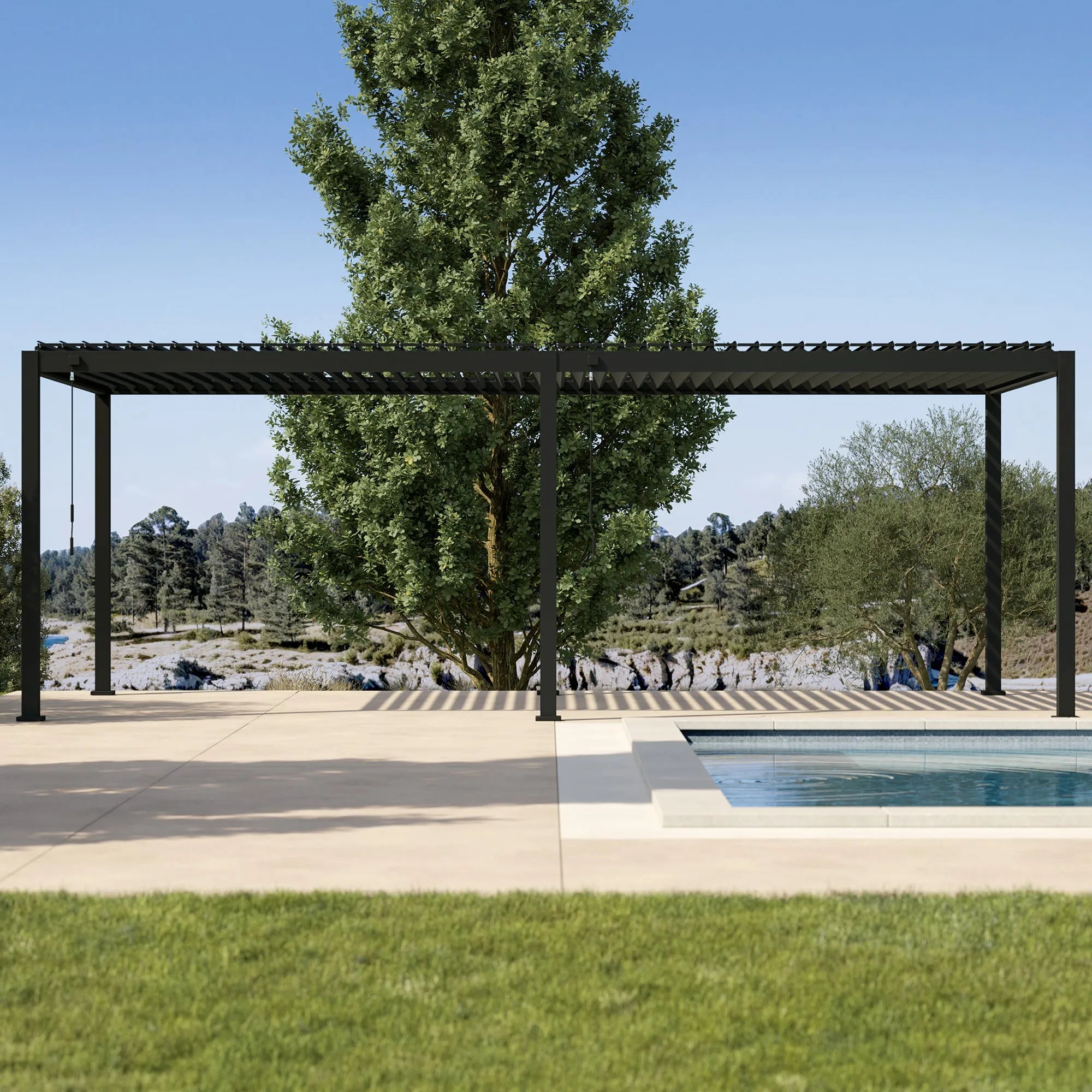
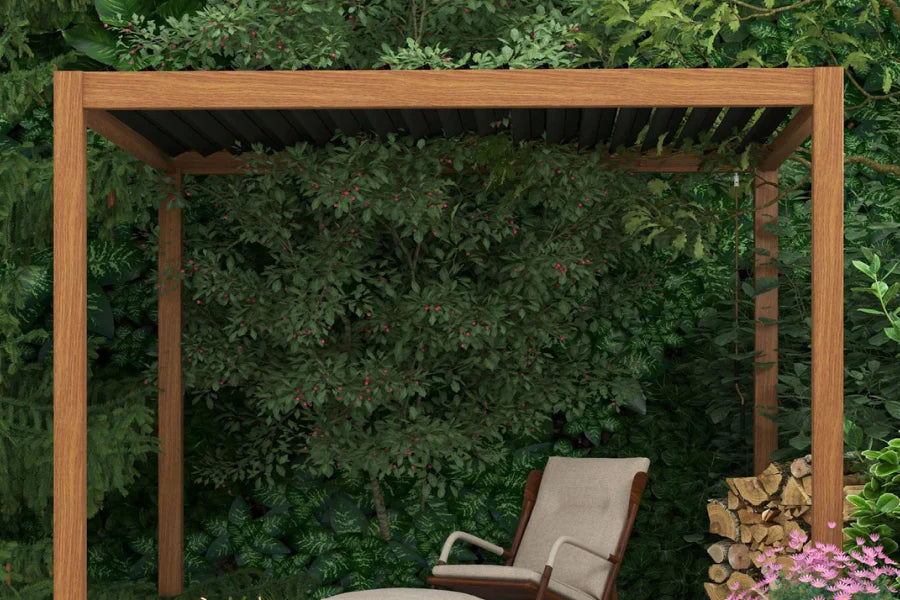
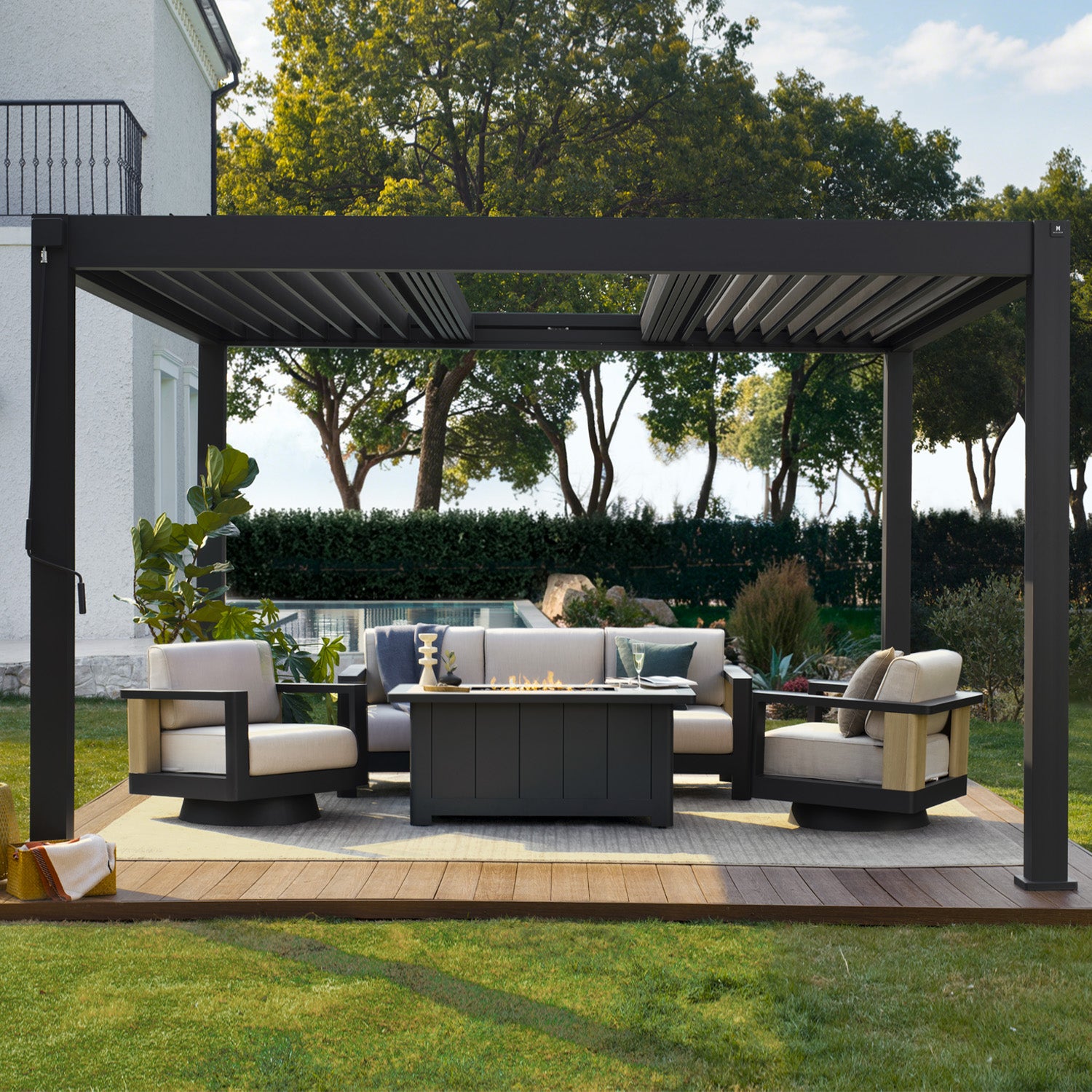
A pergola can complement your furniture-care routine by adding overhead shade or shelter. An open-beam design provides filtered shade, while a suitable closing louvered roof with drainage can help shelter furniture from overhead rain.
It does not eliminate cleaning. Dust, pollen, and wind-driven rain can still reach the furniture, and shade coverage changes with the sun's position. Continue checking for moisture, use appropriate covers, and store dry cushions when needed.
If you are planning a more sheltered seating or dining area, explore Mirador louvered pergolas. Choose the roof and layout around your space, alongside the care requirements of your furniture.