
A deck box is a lidded outdoor storage container used to organize patio cushions, furniture covers, garden tools, toys, and other outdoor essentials. It usually has a chest-style shape and a top-opening lid. Materials, storage capacity, weather protection, and features vary by model; some are approved for seating, while others are intended only for storage.
Despite the name, you do not need a deck to use one. A deck box can sit on a suitable patio, porch, or garden surface wherever convenient outdoor storage is needed.
What Is a Deck Box Used For?
A deck box keeps frequently used outdoor items together and close to where you use them. Its main purpose is accessible storage, rather than replacing every function of a shed or indoor cupboard.
Patio Cushions and Furniture Covers
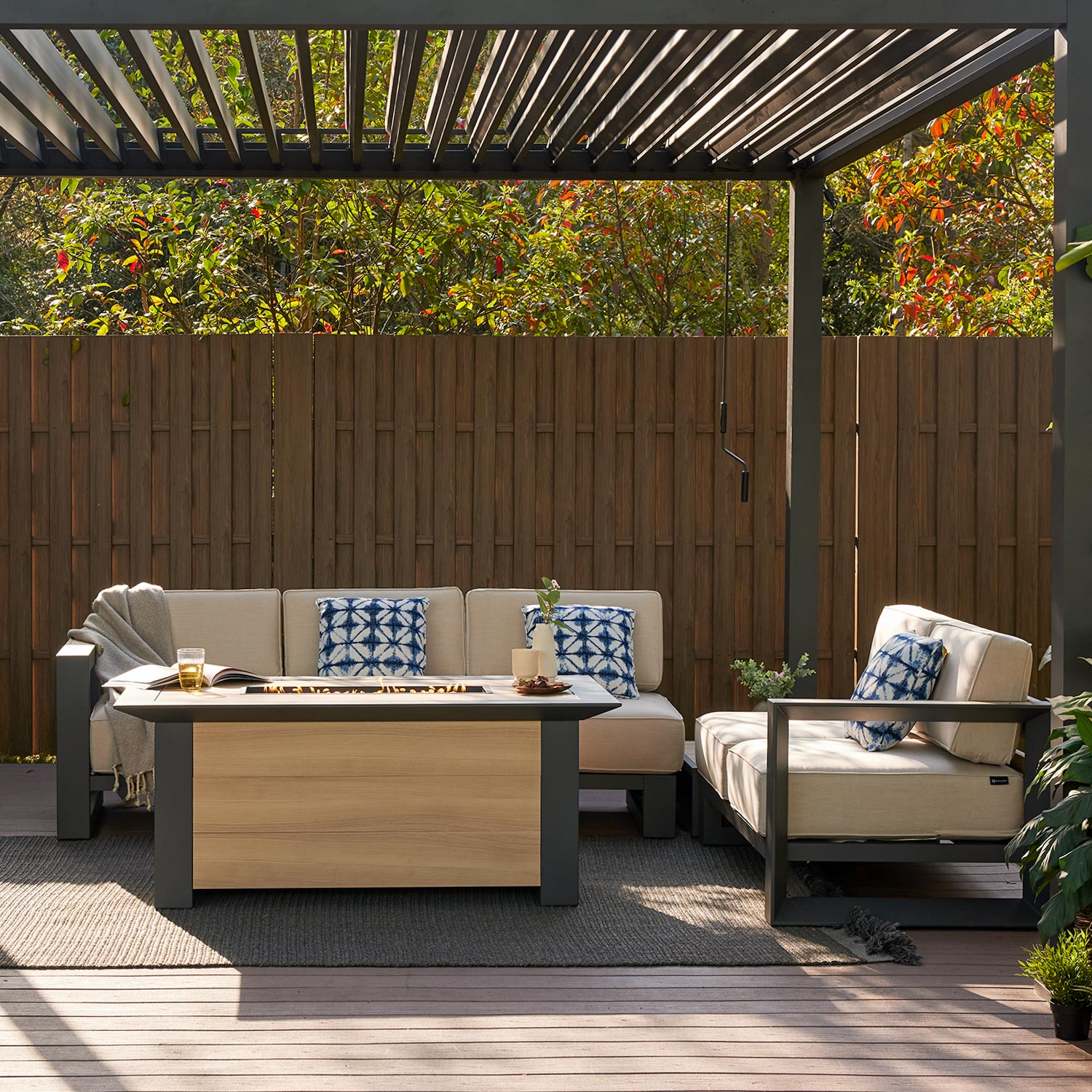
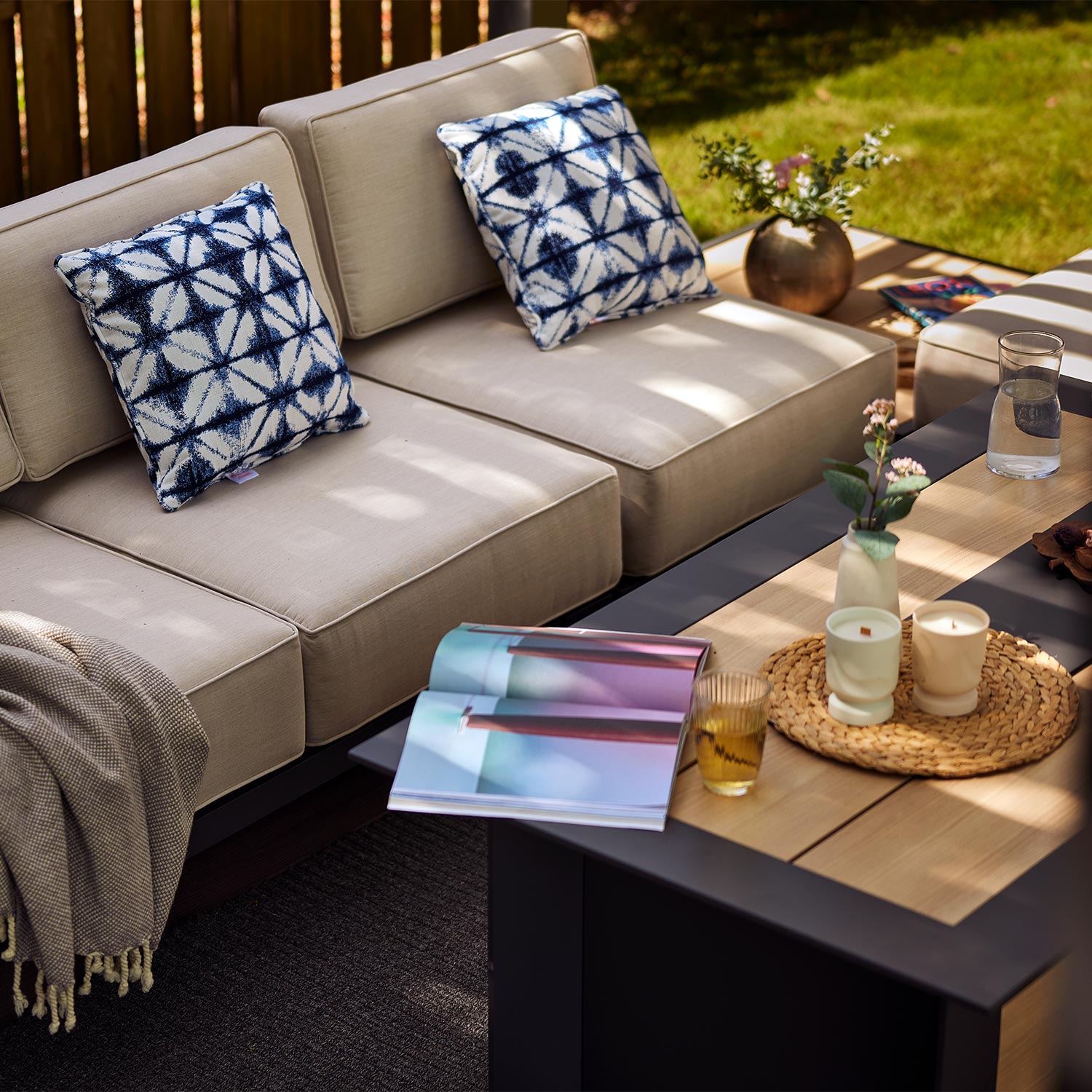
A box near your seating area gives you a place to put loose cushions and covers between uses. Measure bulky seat and back cushions before choosing a size.
Clean and dry these items before storage. Putting wet cushions beneath a closed lid can leave moisture trapped inside, even when the box provides protection from overhead rain.
Pool Accessories and Outdoor Toys
Goggles, small pool toys, garden games, and similar items can be grouped in one place. Let wet items dry before packing them alongside fabric cushions.
Check the opening and internal dimensions for larger objects. An inflated float may take up more space than its appearance suggests.
Small Gardening Tools and Accessories
A deck box can hold hand tools, gloves, empty pots, and other garden accessories. Remove soil and moisture before storing them with cleaner items.
Keep frequently used objects easy to reach. If you mainly need to store long-handled tools upright, a storage cabinet or shed may be a better fit.
What Are Deck Boxes Made Of?
Common options include resin or plastic, wood, and metal. Some have wicker-style surfaces or wood-grain finishes. Appearance alone does not tell you what the box is made from.
| Material or Finish | Why People Consider It | What to Check |
|---|---|---|
| Resin or plastic | Different styles and often straightforward routine care | Panel construction, outdoor suitability, lid fit, and hardware |
| Wood | Genuine timber appearance | Wood species, protective finish, and maintenance requirements |
| Metal | A structured design that can suit contemporary patios | Exact metals, protective coating, joints, and care instructions |
| Wicker-style or wood-look finish | A way to coordinate with furniture | Whether it is a molded pattern, weave, film, coating, or genuine wood |
There is no single best material for every location. Compare the complete construction and instructions, including the lid, base, hinges, and protective finish.
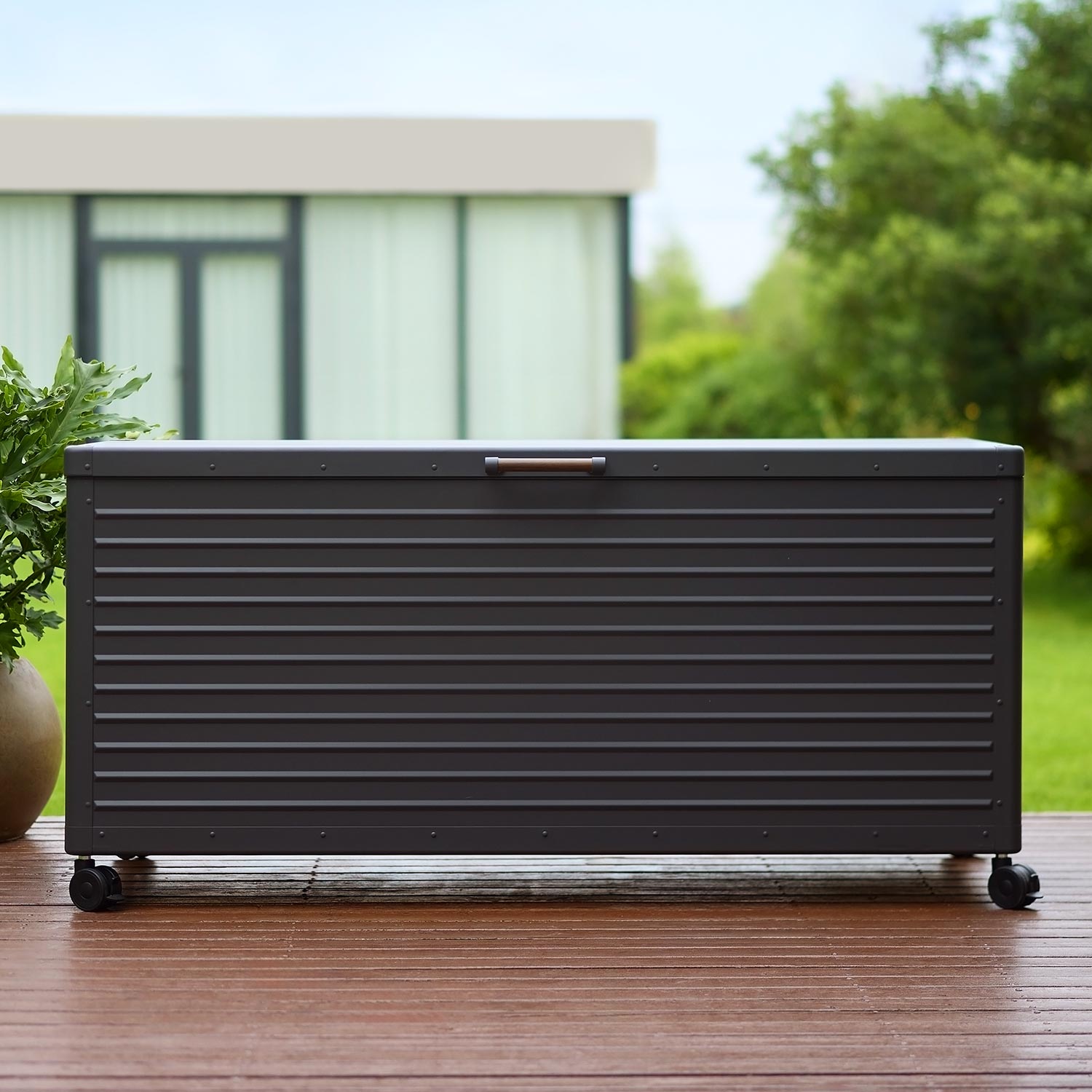
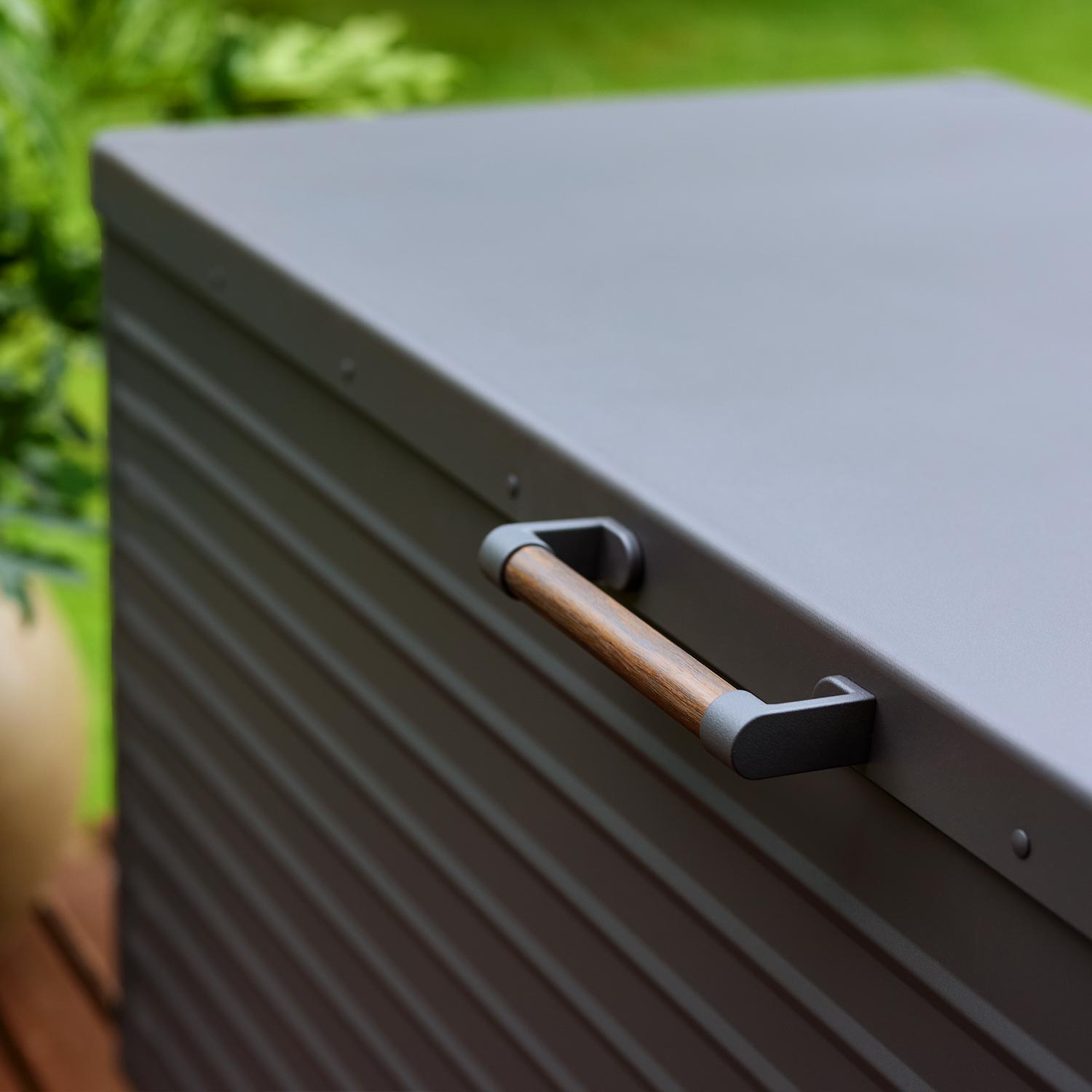
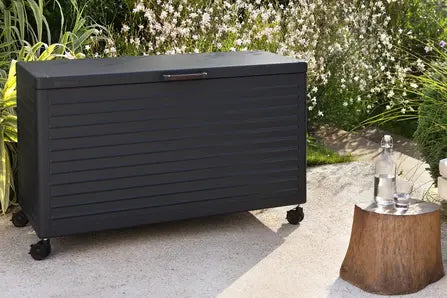
For example, the Mirador Horizon 134-Gallon Deck Box combines aluminum and steel with a powder-coated finish. That makes it a metal storage example, rather than a resin box or a solid-wood chest.

Are Deck Boxes Waterproof?
Do not assume that every deck box is waterproof. Outdoor suitability, weather resistance, and complete protection from water are different claims.
Check the specific product's information for how the lid, seams, base, and assembly are designed to handle rain. A box that sheds ordinary rainfall is not automatically suitable for standing water, flooding, or every exposure.
Moisture can also come from inside: wet toys, damp covers, and cushions that have not dried fully. A closed lid does not remove that moisture.
To help keep stored items dry:
- Put only clean, dry items inside.
- Close the lid correctly and avoid overfilling.
- Follow the placement and assembly instructions.
- Check the contents after heavy rain or prolonged damp weather.
- Move sensitive items to suitable indoor storage when necessary.
If moisture protection is your main reason for buying, ask for the model-specific guidance before ordering.
How to Choose the Right Deck Box Size
Capacity is commonly listed in gallons or liters, but the number alone does not establish whether your belongings will fit.
1. Measure What You Want to Store
Arrange your cushions or other bulky items as you would pack them. Measure the length, width, and height of the group, then allow room to retrieve items without forcing the lid shut.
Check usable internal dimensions and the lid opening. A long cushion can fail to fit in a box with a high advertised volume.
2. Measure the Available Space
Compare the box's overall dimensions with its proposed location. Leave room for the lid to open and for someone to stand comfortably in front.
Keep doors, walking routes, and furniture access clear. Wheels and other projecting parts may be included in the dimensions, so read the measurement label carefully.
3. Compare Volume With Shape
Two boxes can have similar capacity but different proportions. One may be better suited to long cushions; another may offer more height for smaller stacked items.
Our Horizon 134-Gallon Deck Box measures 51.2 × 23.8 × 31.1 inches overall, while our Horizon 281-Gallon model measures 71.7 × 35.1 × 31.1 inches. Both measurements include the wheels; check usable interior dimensions separately.

Use capacity to narrow the choices, then confirm fit. Do not interpret a gallon figure as a guaranteed number of cushions.
Which Features Are Worth Checking?
Lid Operation
A supported lid can make opening and closing easier. Look at how the mechanism works and whether the lid remains stable during normal access.
Our Horizon and Urban deck boxes feature soft-open and soft-close lids for controlled access. Follow the operating instructions and avoid forcing the lid mechanism.
Handles and Wheels
These can help with repositioning, but check how the product is intended to be moved. Consider the surface, thresholds, and access route.
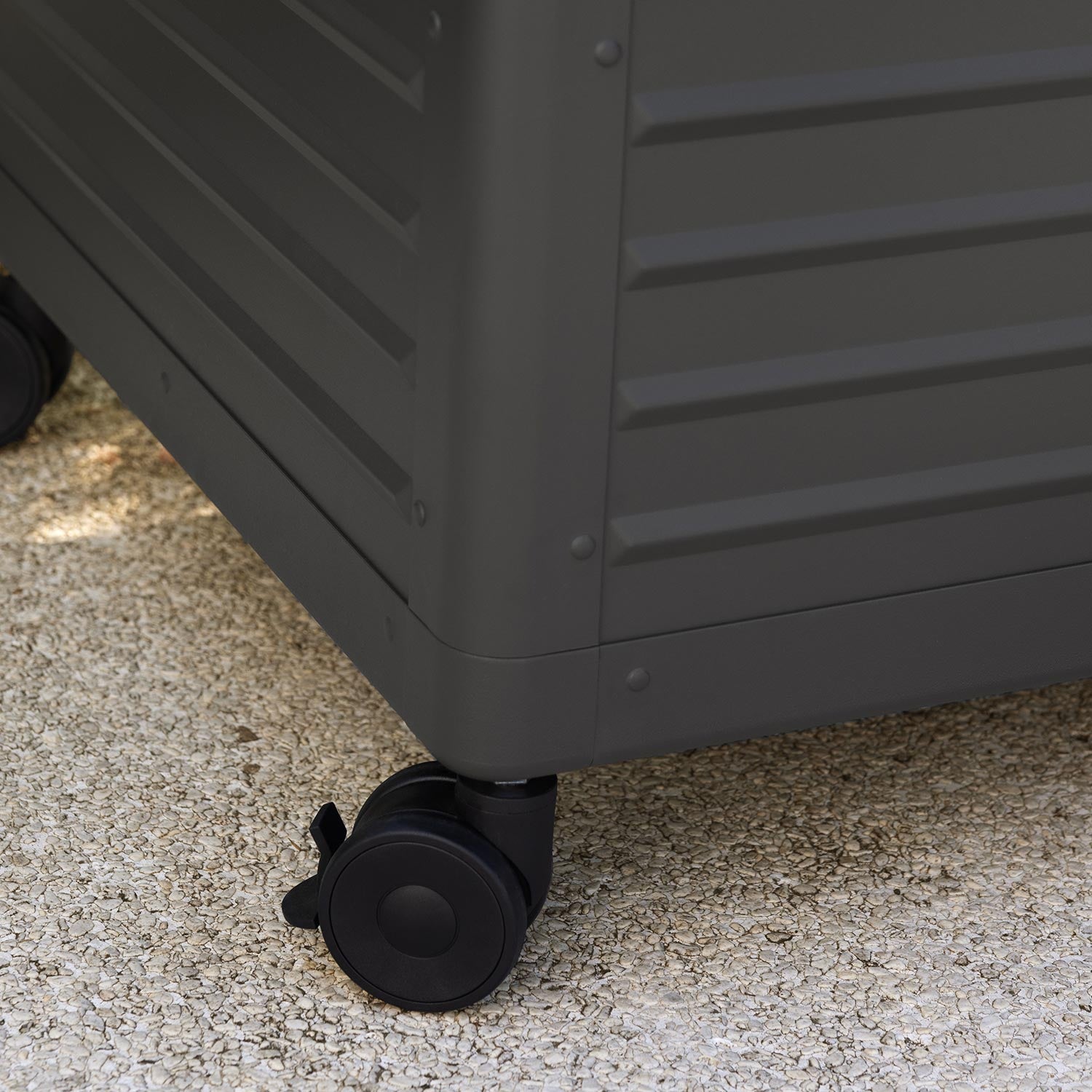
Our Horizon and Urban deck boxes include swivel wheels for repositioning. Follow the moving instructions for your model and consider the load, surface, and access route.
Locking and Ventilation
If either feature matters, confirm it for the exact model. A lockable latch does not mean a lock is included, and neither a lock nor a closed lid makes ordinary outdoor storage equivalent to secure specialist storage.
Where ventilation is provided, keep it clear. Continue drying items before storage.
Approved Seating or Surface Use
Only sit on a deck box when the manufacturer explicitly approves seating and gives the relevant limit.
A listed “weight capacity” can refer to different parts of a product. Confirm whether it applies to the stored contents, the lid, or seating. Do not infer bench use from a flat top or a load figure alone.
Deck Box, Storage Bench, Cabinet, or Shed?
| Storage Type | Usually Suits | Main Difference |
|---|---|---|
| Deck box | Cushions, toys, and smaller outdoor essentials | Chest-style storage accessed from above |
| Storage bench | Seating plus storage | Seating is part of the intended design |
| Outdoor cabinet | Upright items or shelf organization | Usually accessed through front doors |
| Shed | Larger equipment and more extensive storage | An enclosed structure with more room and different installation needs |
Choose around the items and access you need. If you want to retrieve a cushion beside a patio sofa, a deck box may be convenient. If you need upright storage for tall equipment, compare a cabinet or shed.
Where Should You Put a Deck Box?
Place it on the surface specified by the manufacturer, with enough room for access and lid movement. Check stability before loading it.
Near a seating area, it can make cushion storage part of your everyday routine. Near a pool, it can provide a convenient home for dry accessories. Along a garden route, it can keep small tools nearby.
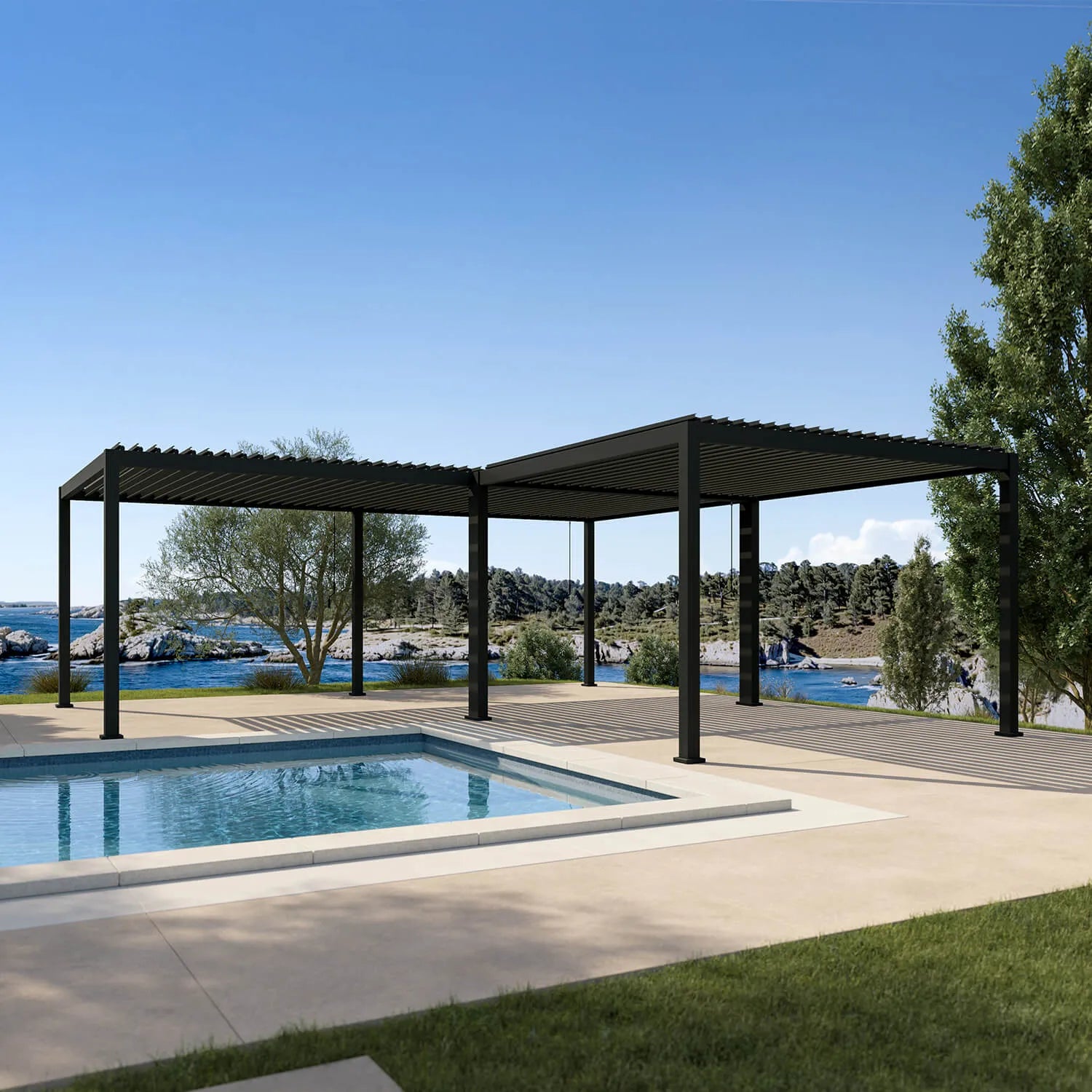
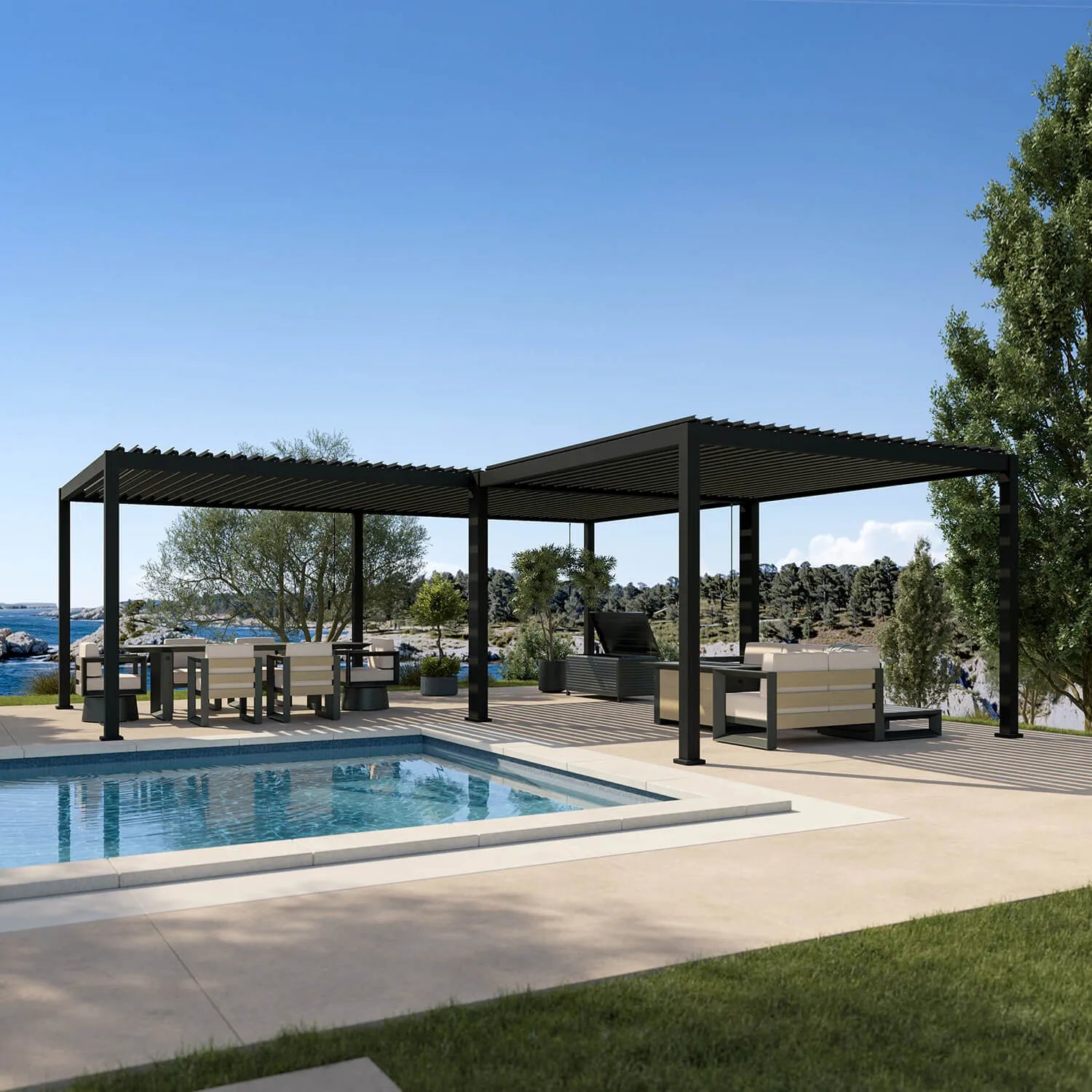
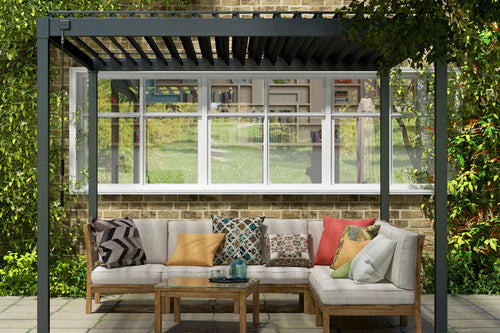
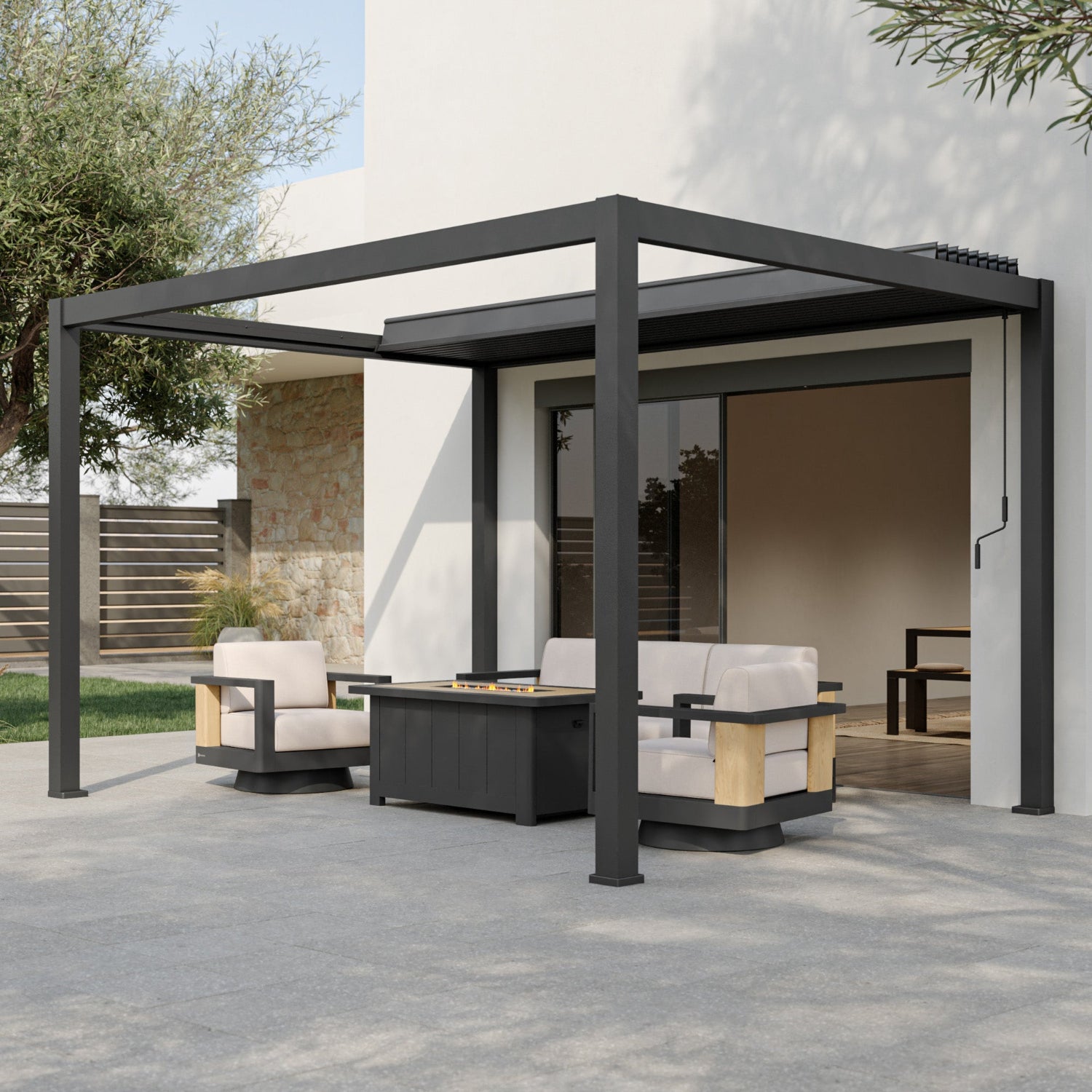
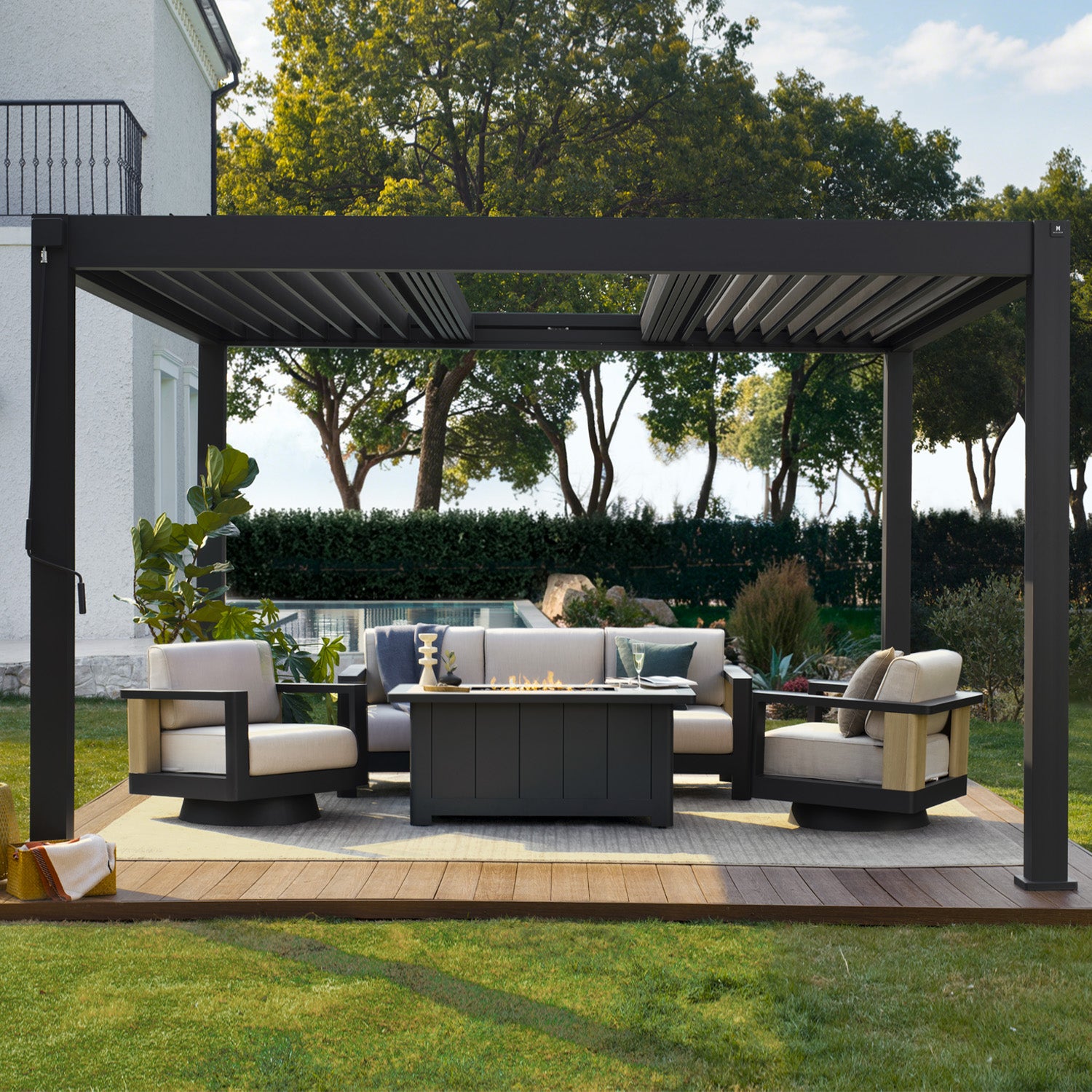
A pergola or covered patio may provide some overhead shelter, depending on its roof, but it does not replace the box's own weather-protection requirements. Keep the storage accessible without crowding the dining or lounge layout.
How to Keep a Deck Box Useful
Empty it periodically to remove debris and check for moisture. Clean the interior and exterior using the product's care instructions, then dry the box before returning items.
Group similar belongings together so you do not need to unpack everything to find one object. Avoid filling it so tightly that the lid cannot close correctly.
For extended storage, assess whether the contents need a more controlled indoor environment. Everyday patio storage and long-term storage of sensitive belongings are different needs.
Frequently Asked Questions
What Is the Main Purpose of a Deck Box?
Its main purpose is to keep outdoor essentials organized and accessible in a lidded container. Weather protection and additional functions depend on the model.
Can a Deck Box Be Used Without a Deck?
Yes. It can be used on a suitable patio, porch, or garden surface, provided the location meets the product's placement requirements.
Can You Store Outdoor Cushions in a Deck Box?
Yes, if they fit and the box is suitable for the intended exposure. Clean and fully dry the cushions first, and check them periodically during storage.
Can You Sit on Any Deck Box?
No. Use one as seating only when the manufacturer explicitly approves that function and provides the relevant limit.
What Size Deck Box Do I Need?
Measure your belongings, usable interior space, and available outdoor footprint. Gallon capacity is useful for comparison but does not guarantee fit.
Will a Deck Box Stop Cushions From Getting Moldy?
It cannot guarantee that. Store cushions dry, avoid trapping moisture, and check the box and contents regularly. Weather protection does not remove moisture already inside.
Choose Storage Around What You Actually Use
A deck box is a practical option when you want outdoor essentials close at hand without leaving them scattered around the patio. Choose by item fit, placement, construction, and the features you will use.
Explore our Mirador deck box collection, with Horizon capacities of 134, 175, 205, and 281 US gallons, plus the Urban 370-US-gallon model. Compare dimensions and features to find the right fit for your belongings and patio.