
So you're staring at your backyard, coffee in hand, wondering: pergola or cabana? Which one actually makes sense? Both add shade and style, but they're built for pretty different purposes. And picking the wrong one?
That's a costly mistake you'll live with for years. If you're not sure which one fits your space, this guide will help you decide.
What's a Pergola, Exactly?
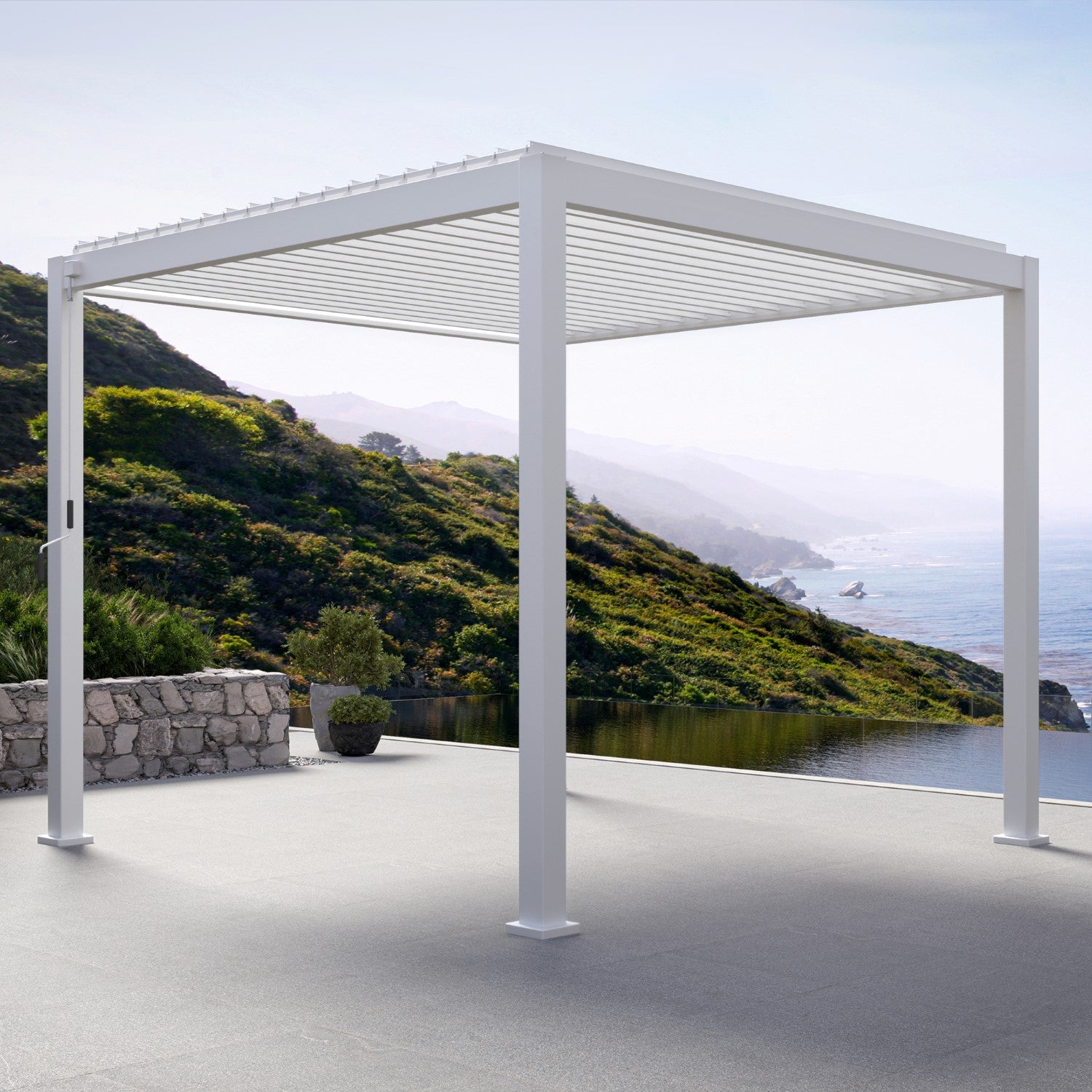
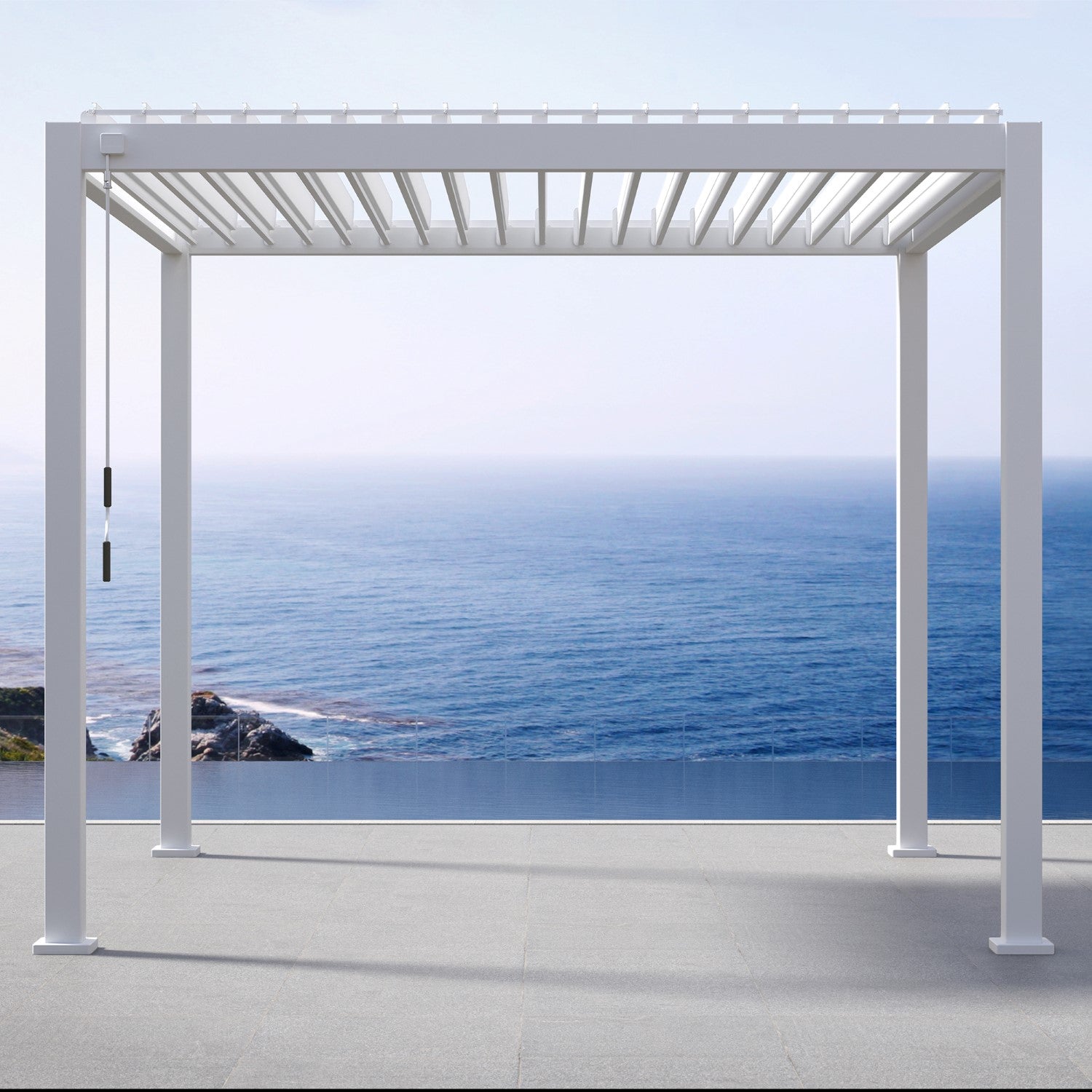
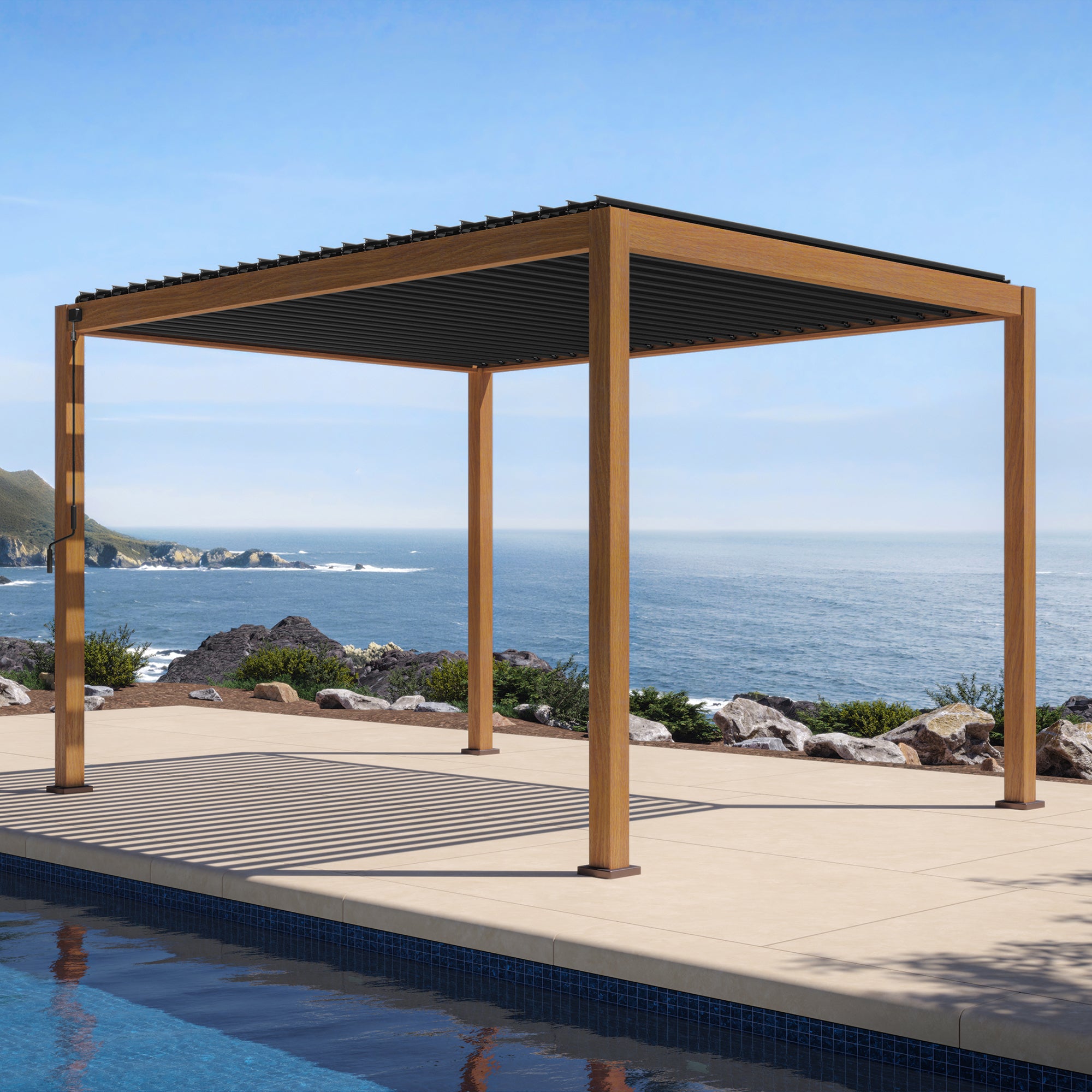
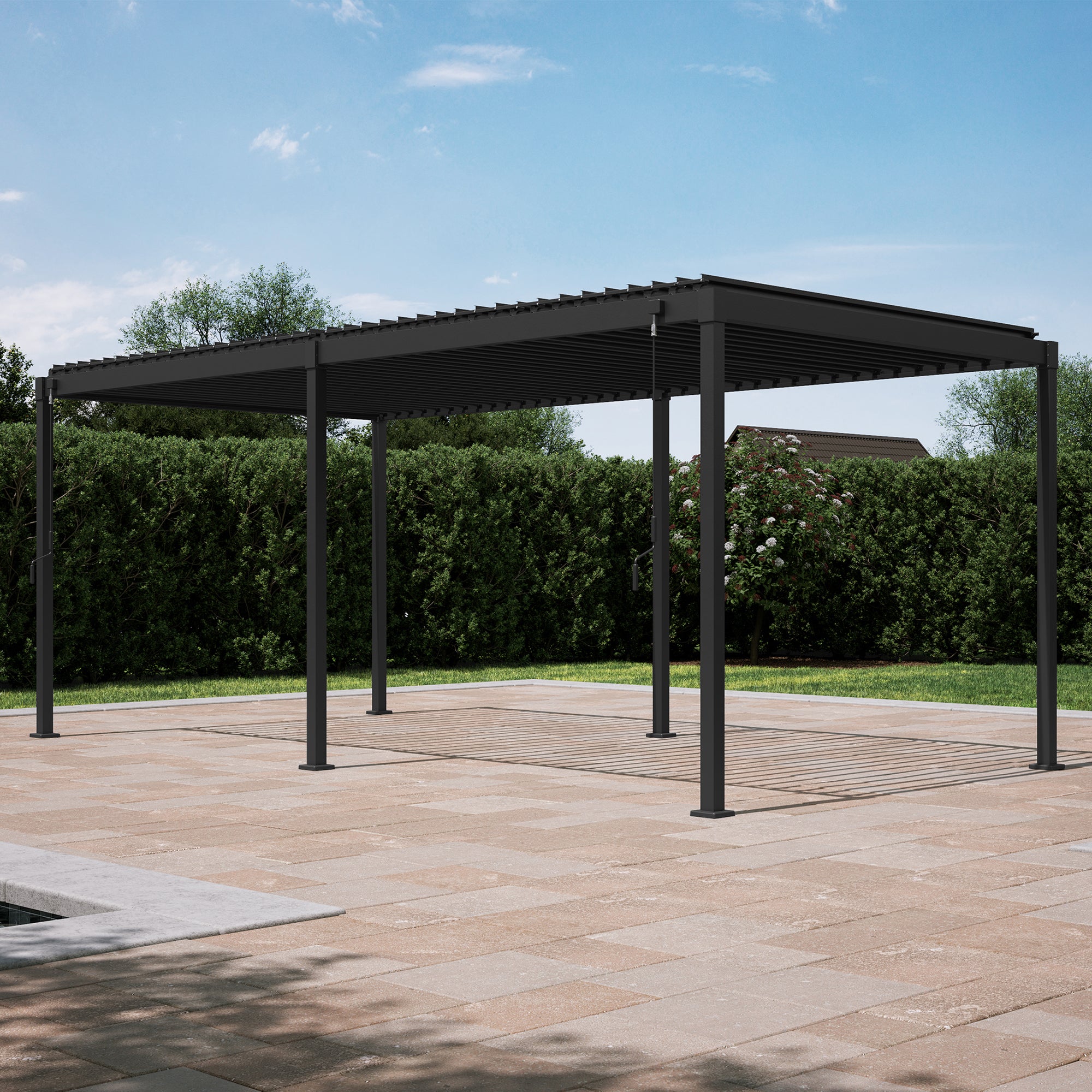
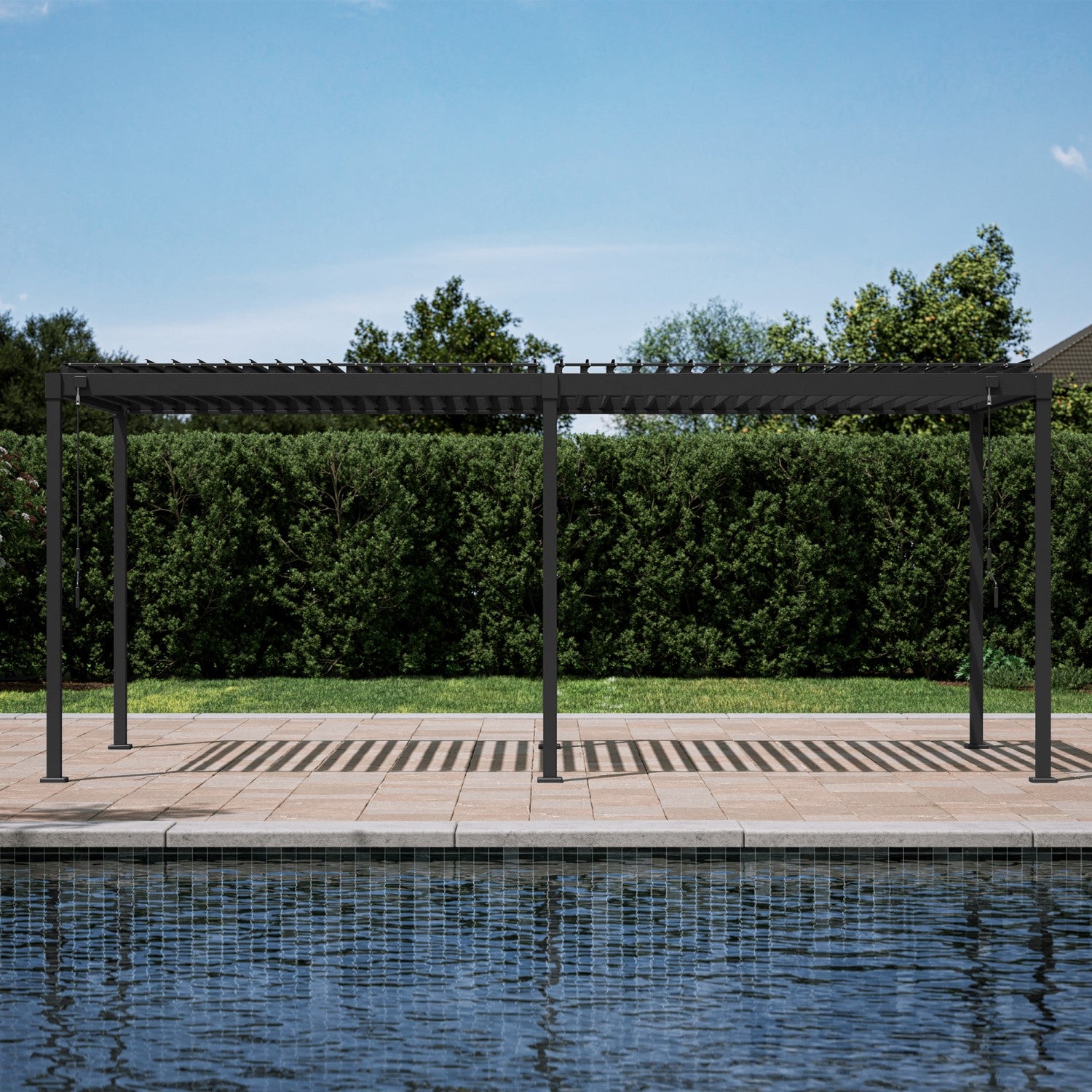
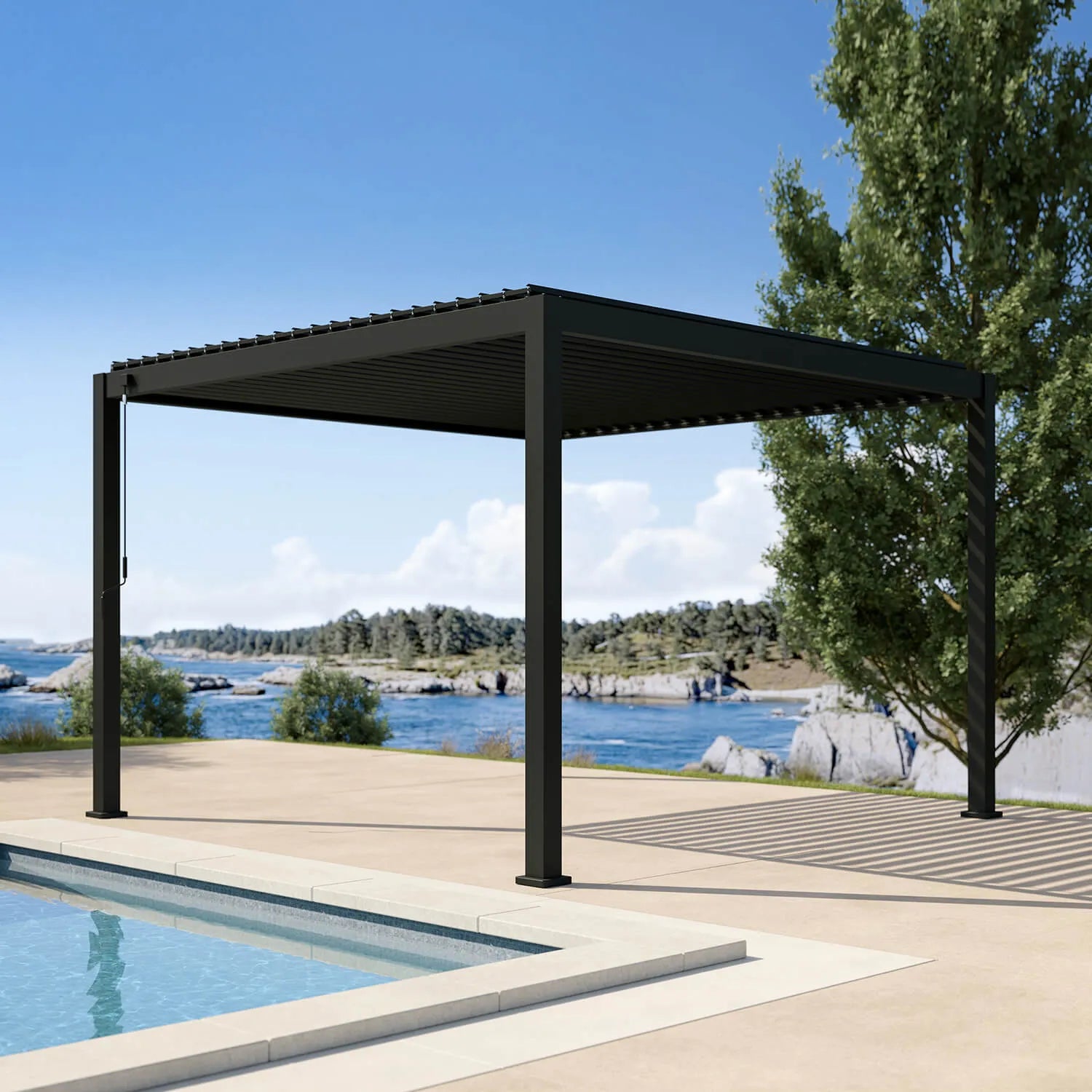
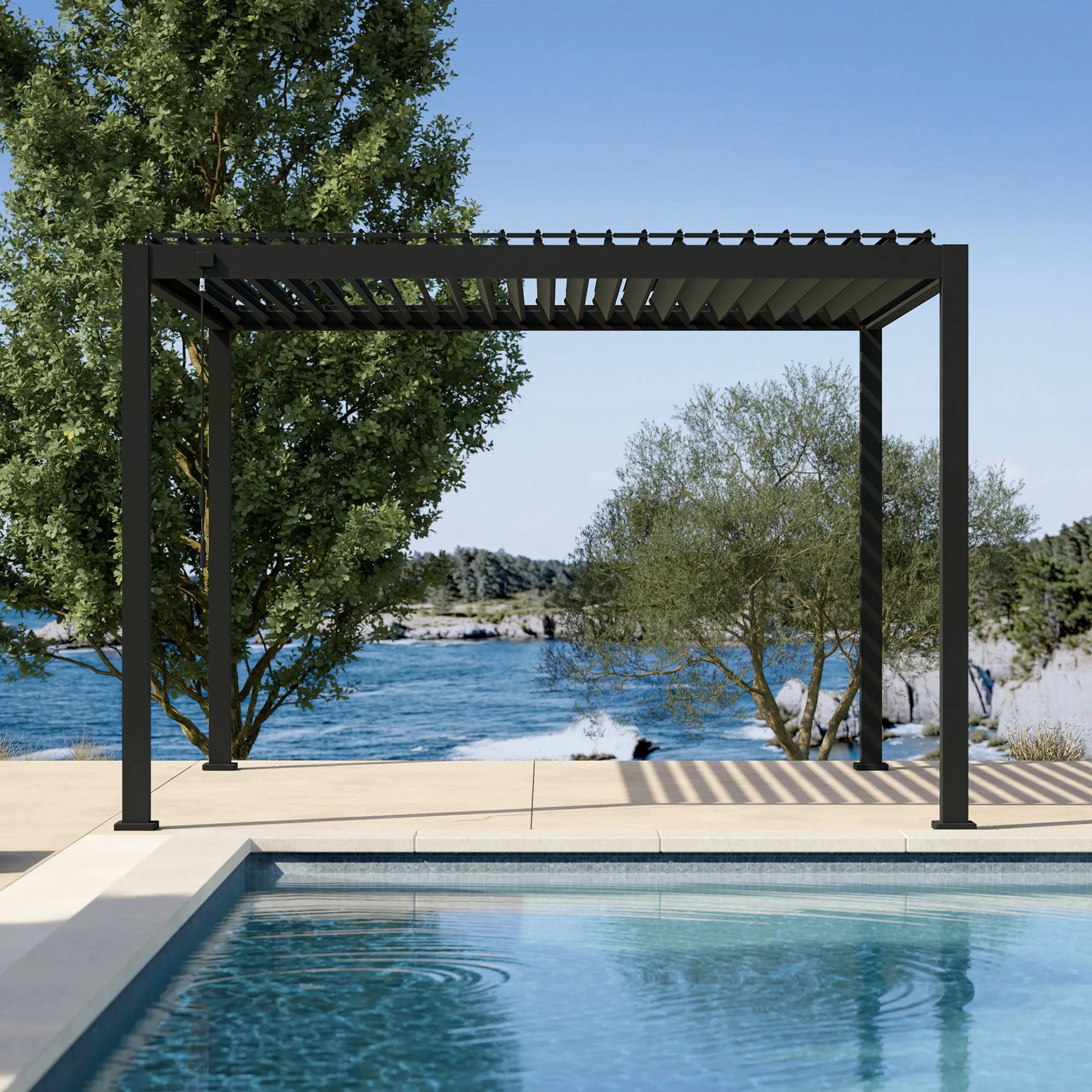
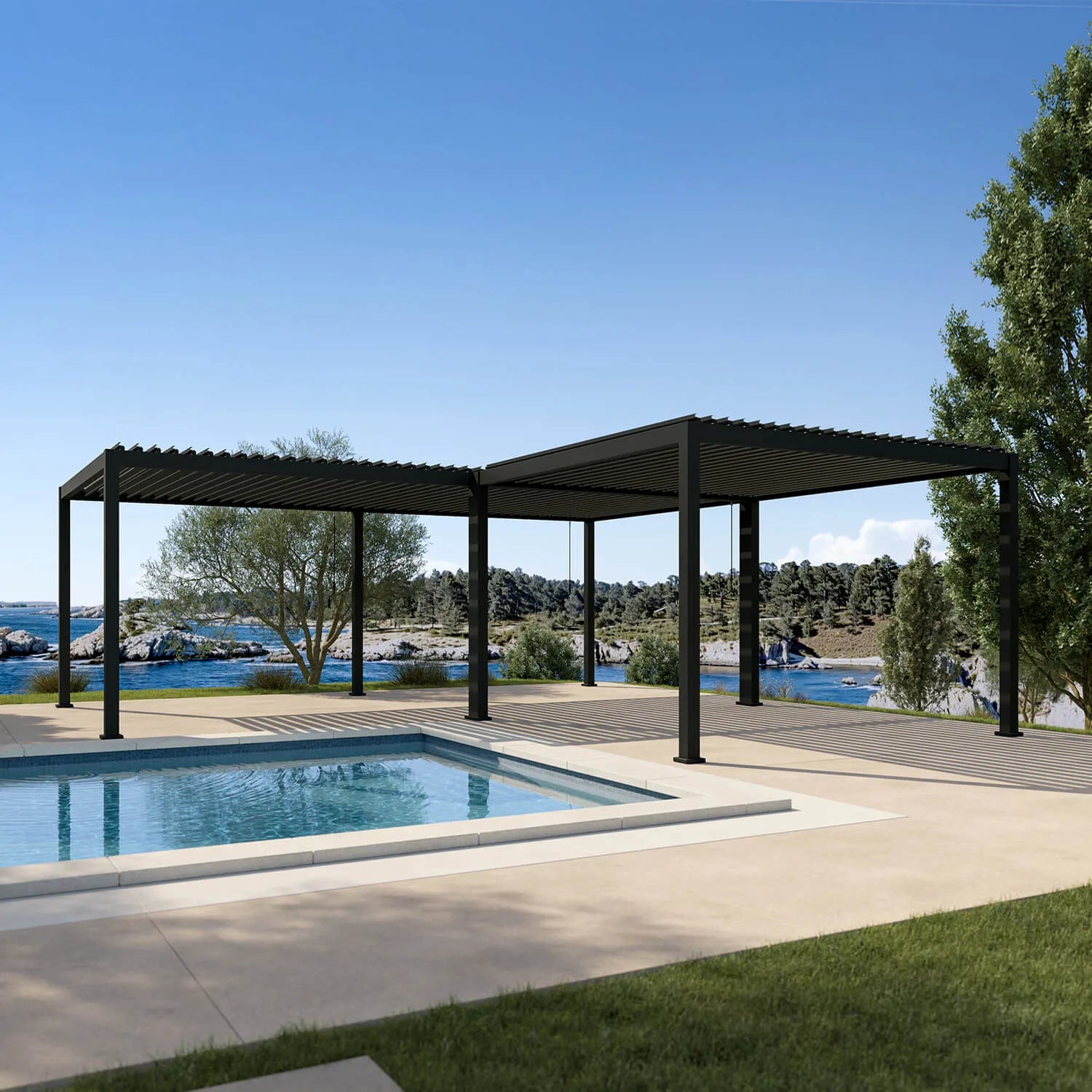
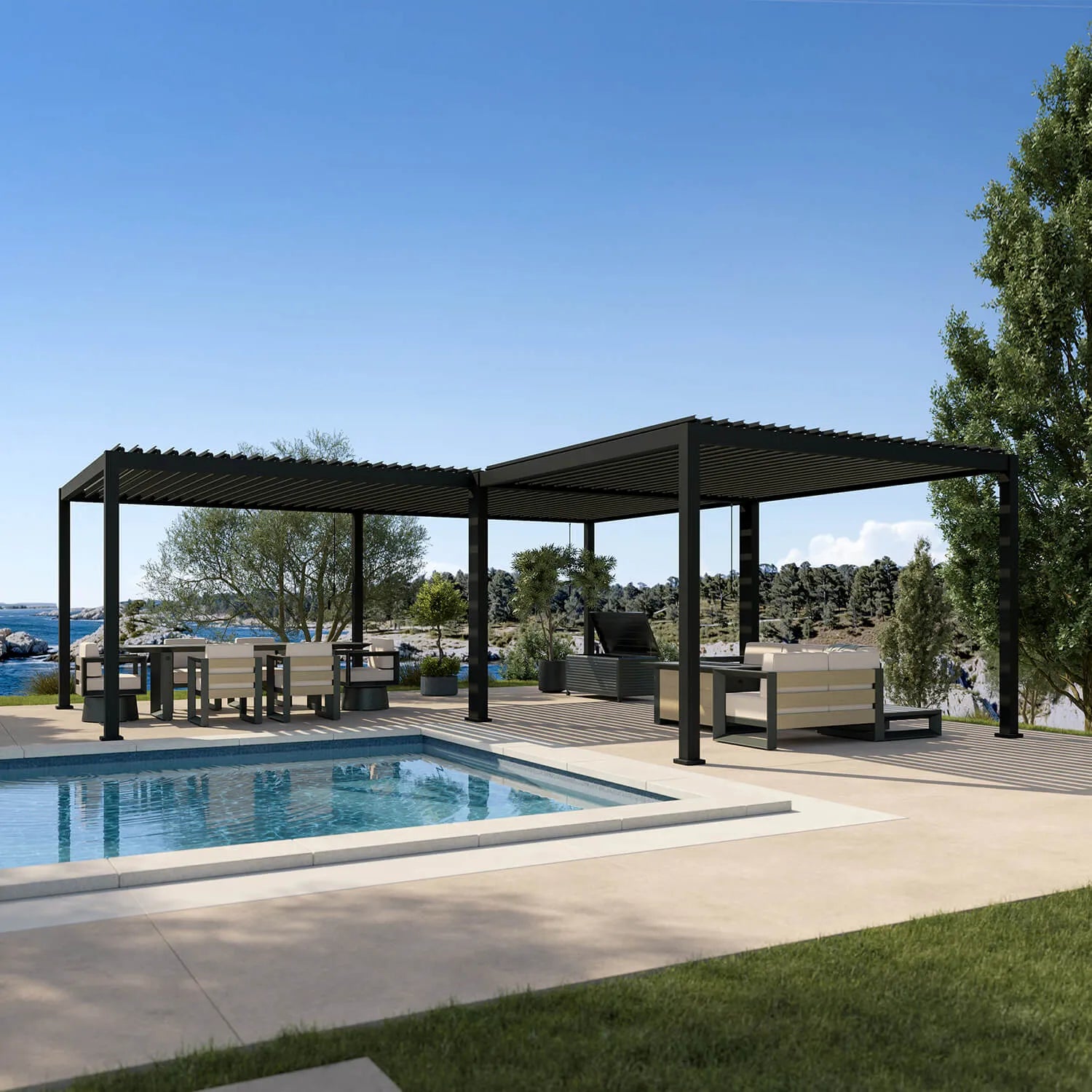
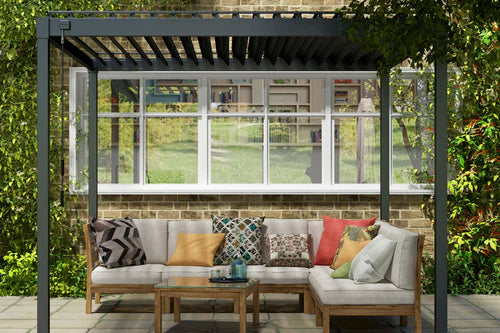
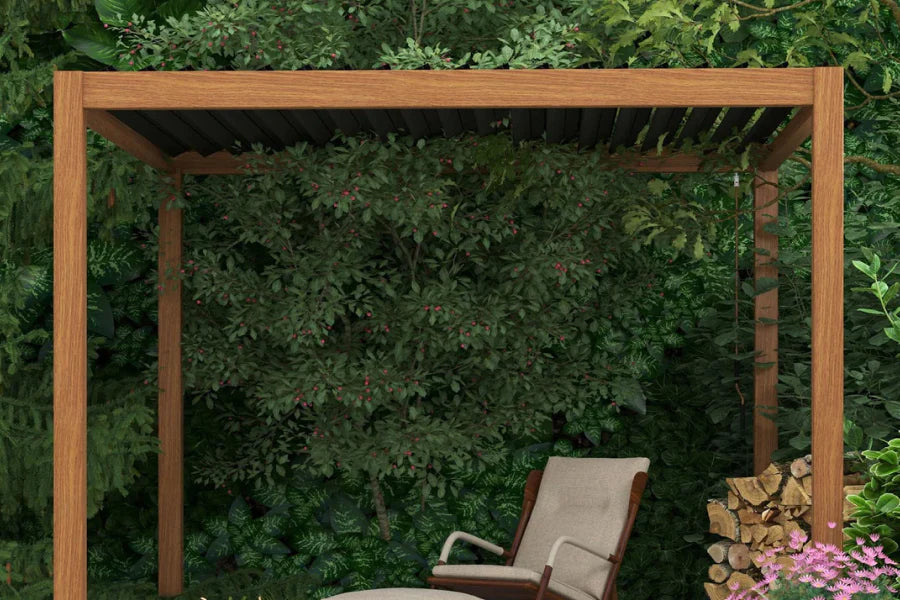
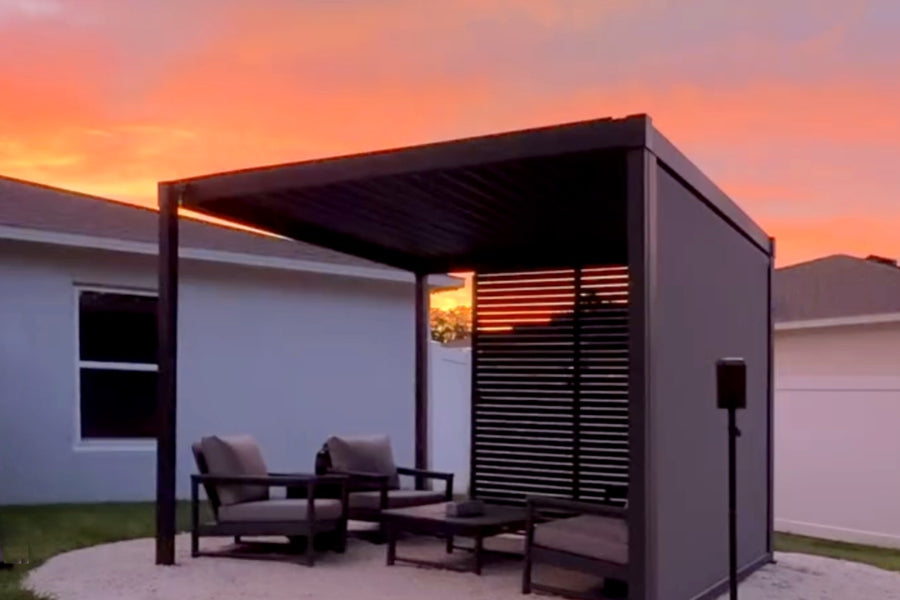
A pergola is an open-air structure held up by posts with a slatted or louvered roof overhead. It doesn't fully block the sky, and that's the point. You get filtered sunlight, airflow, and an outdoor feel without being totally exposed.
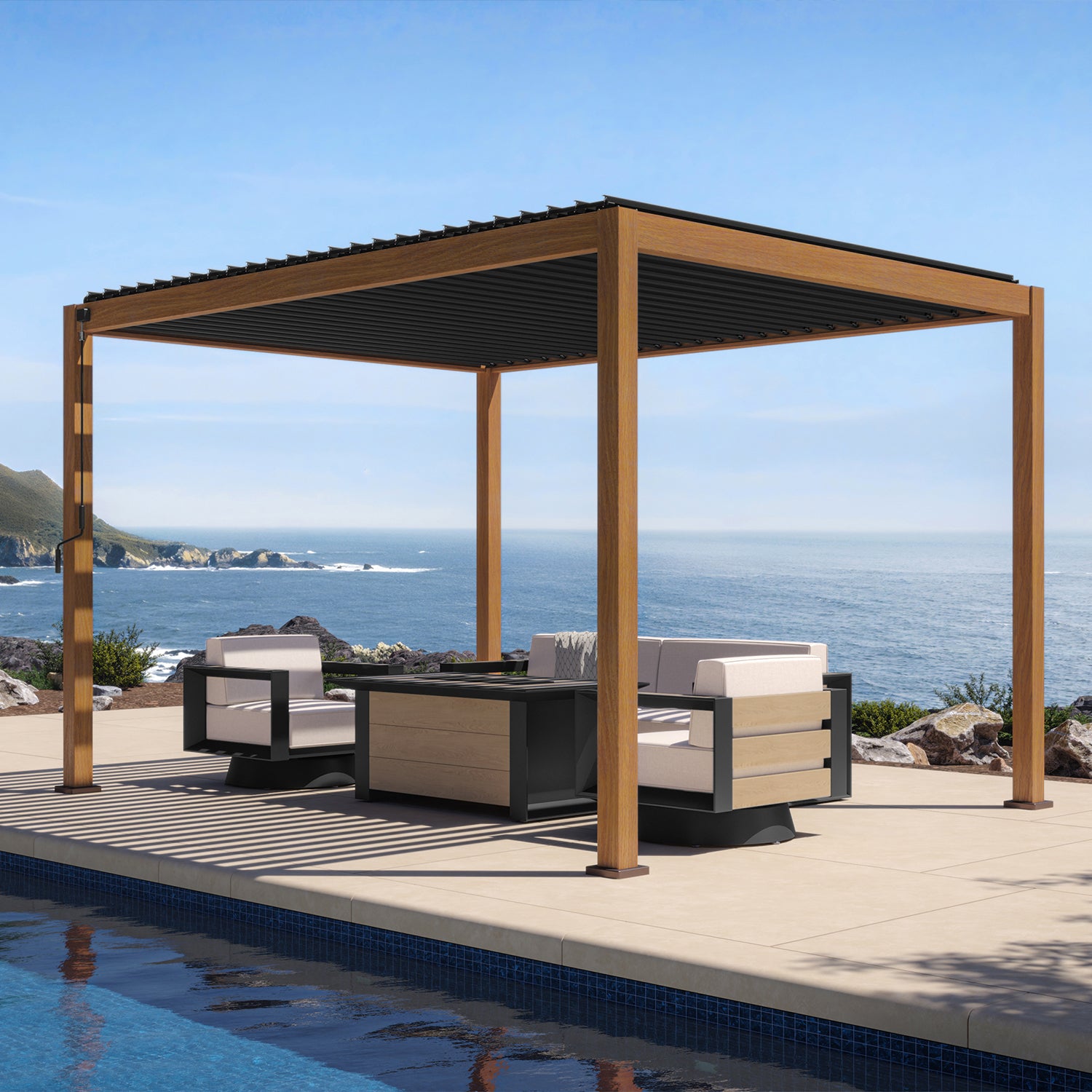
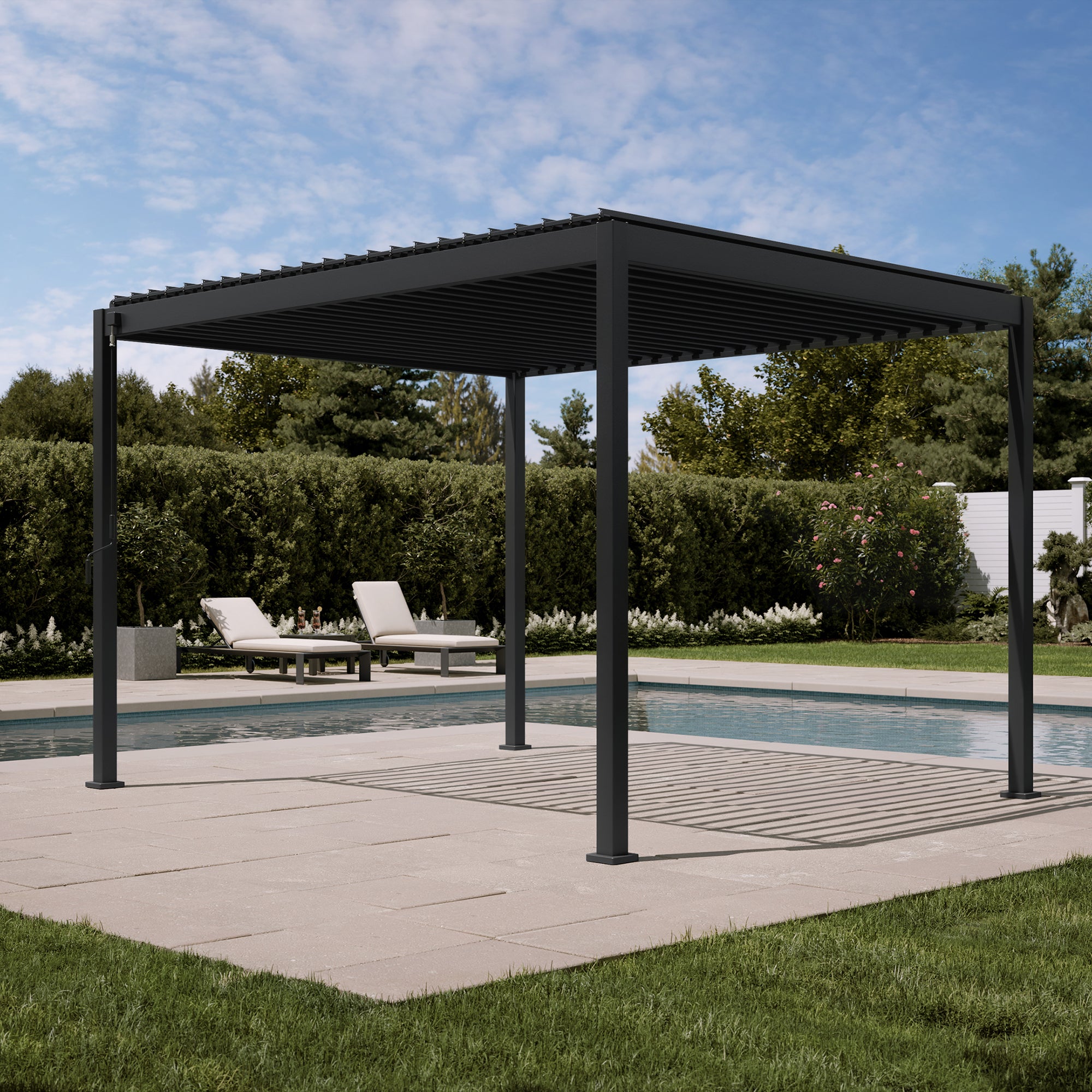
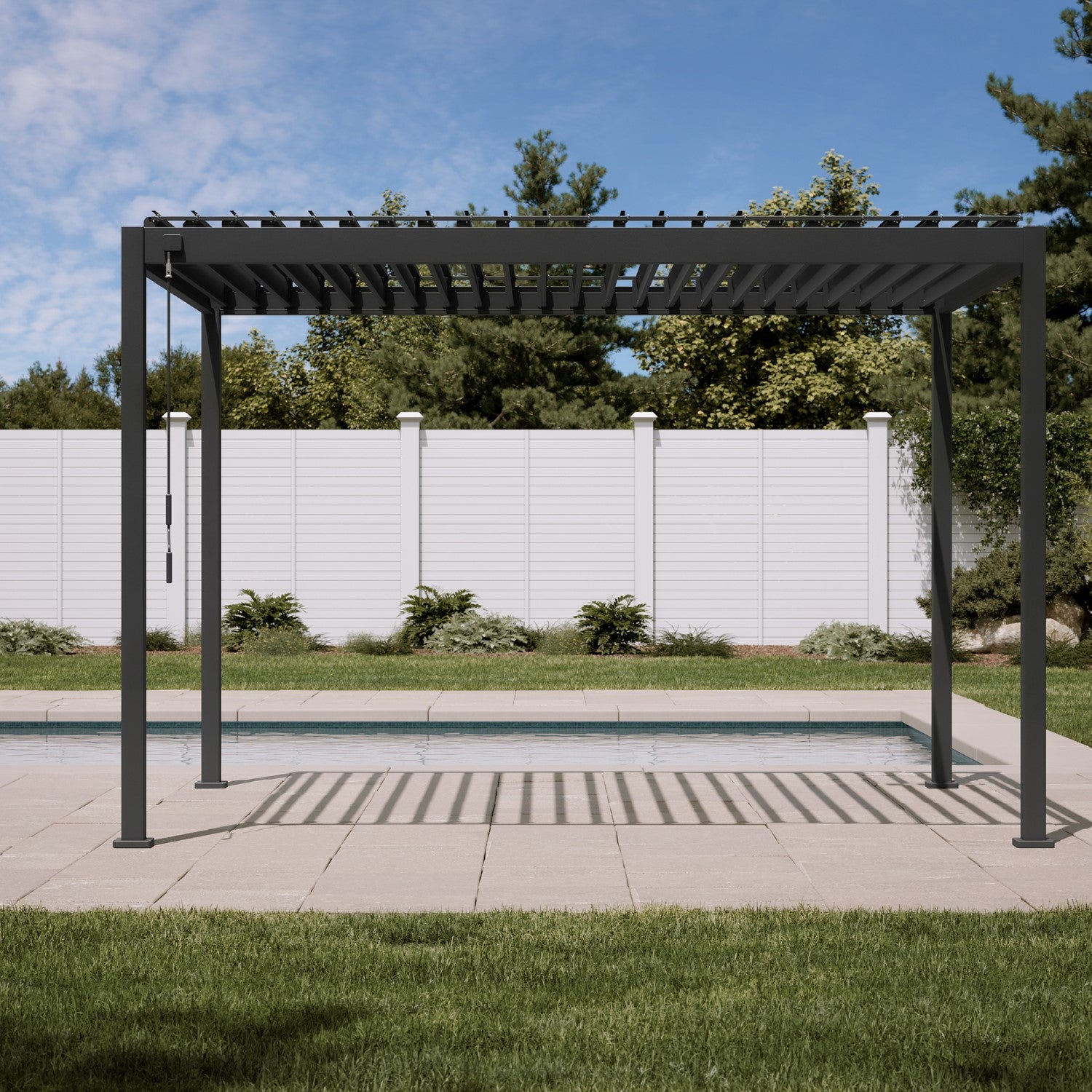
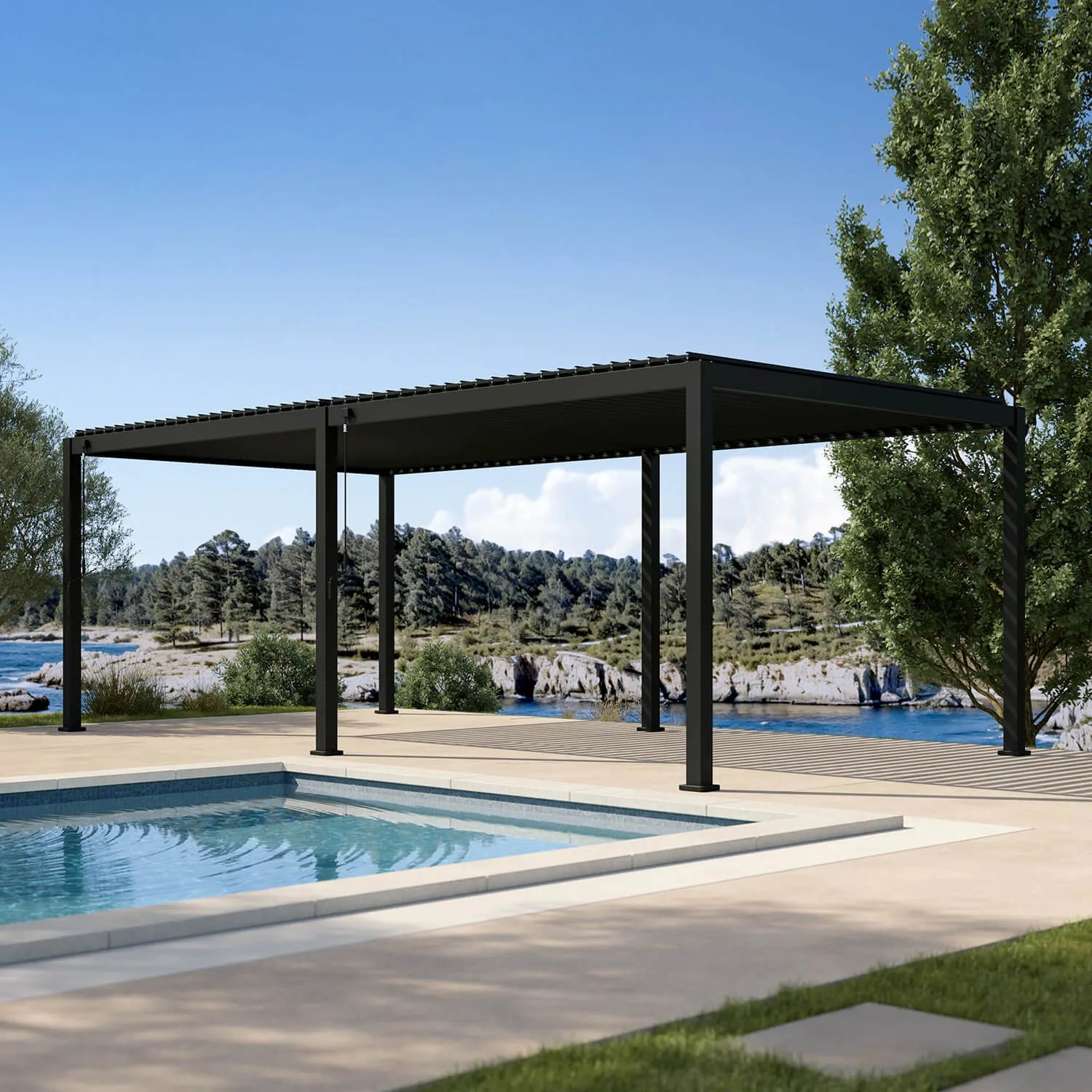
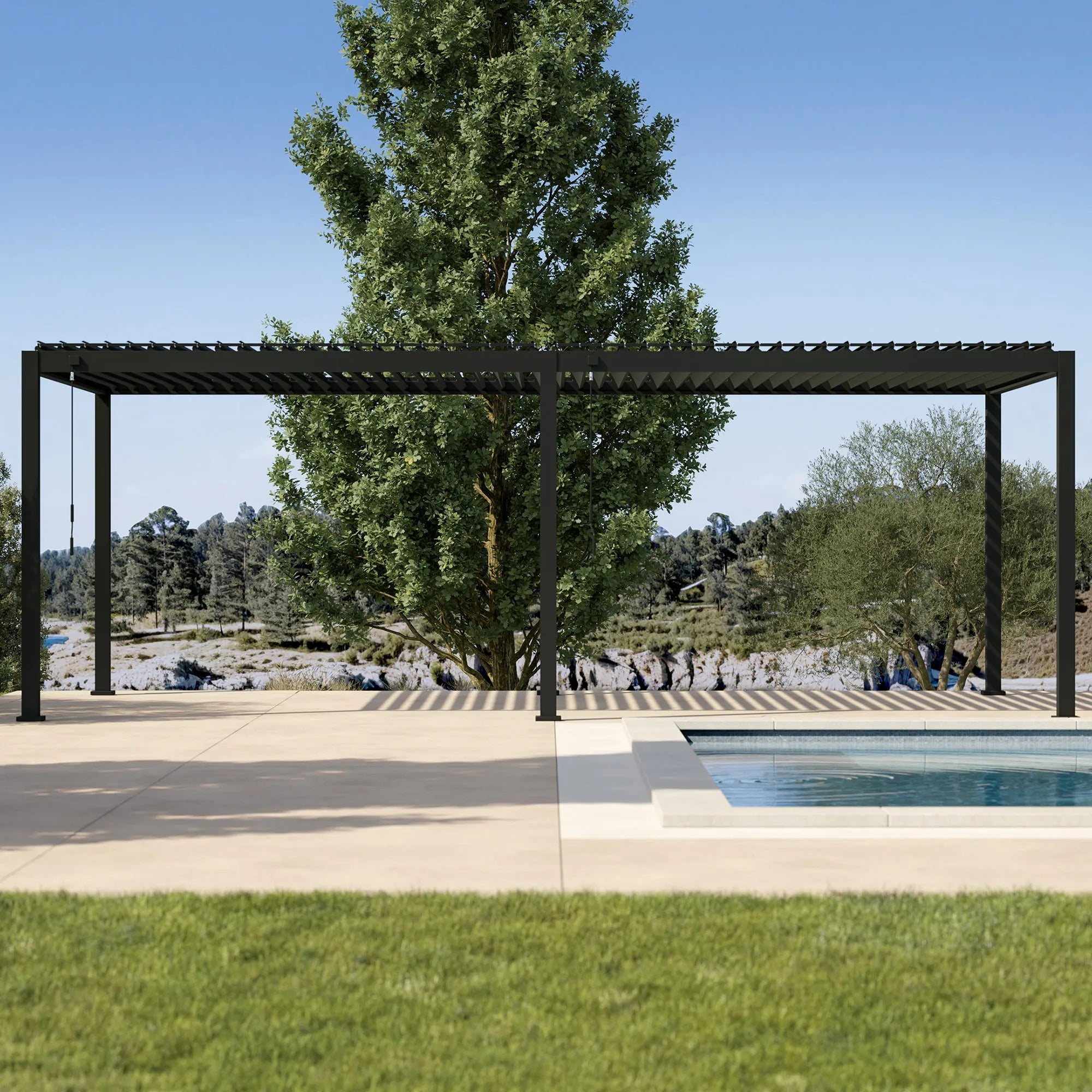
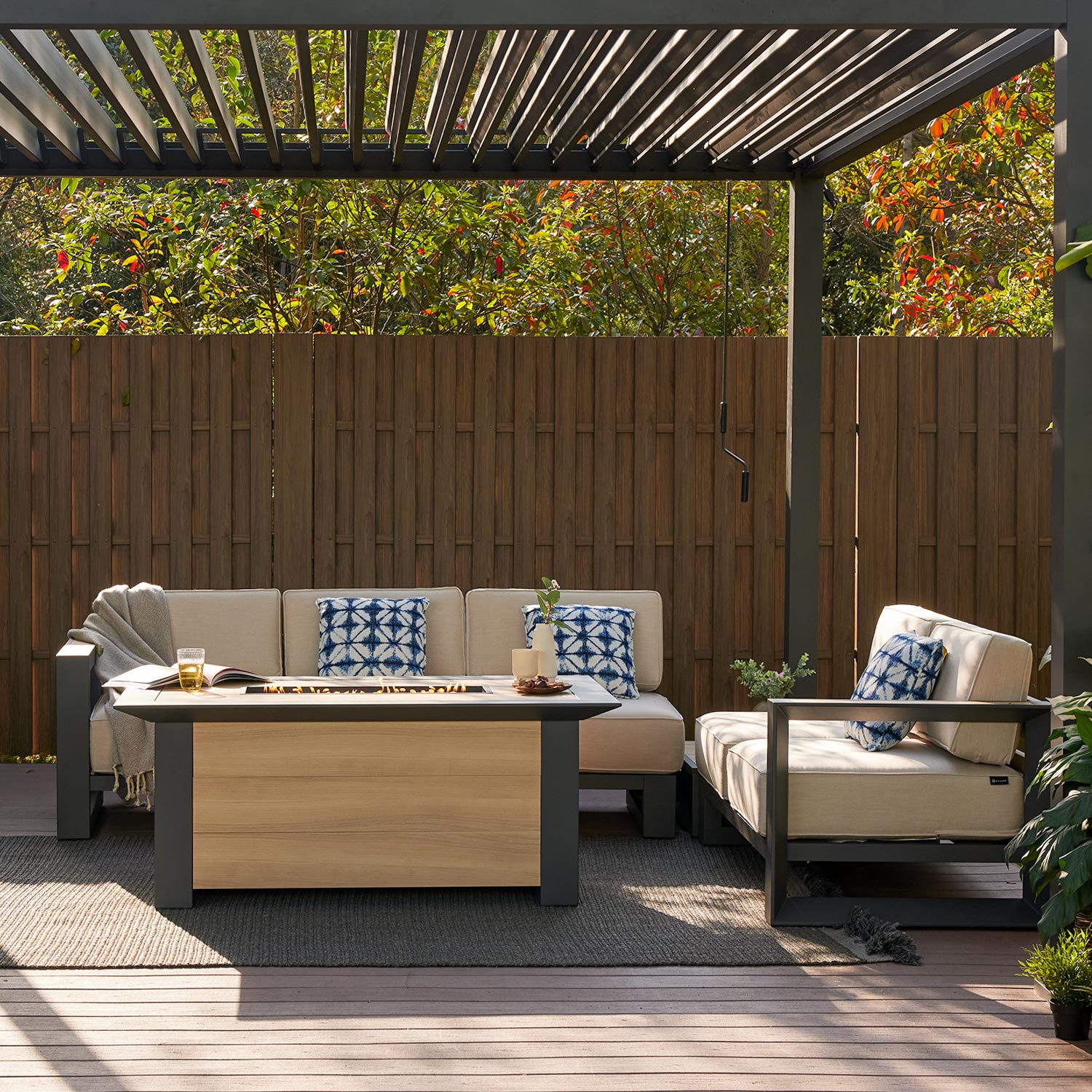
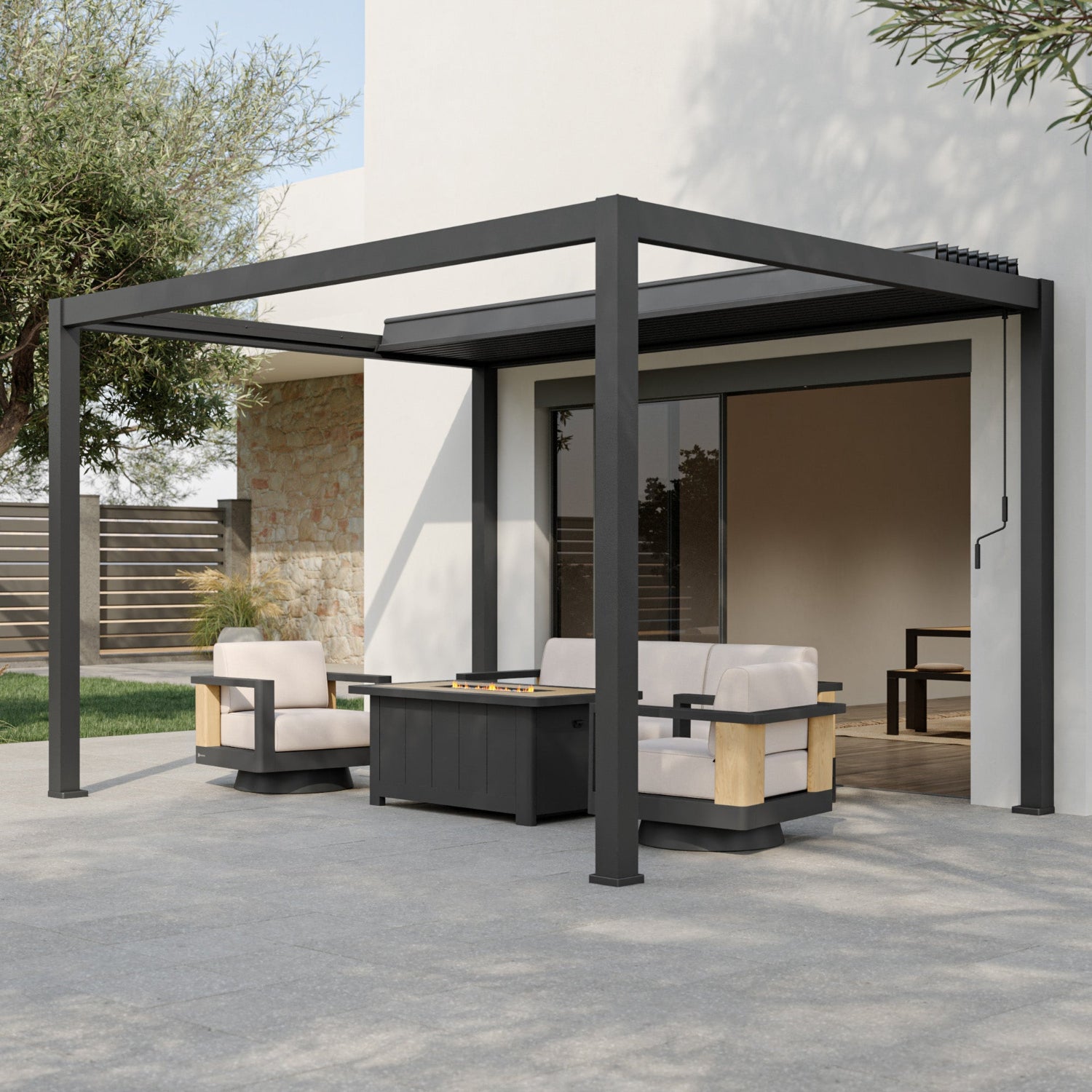
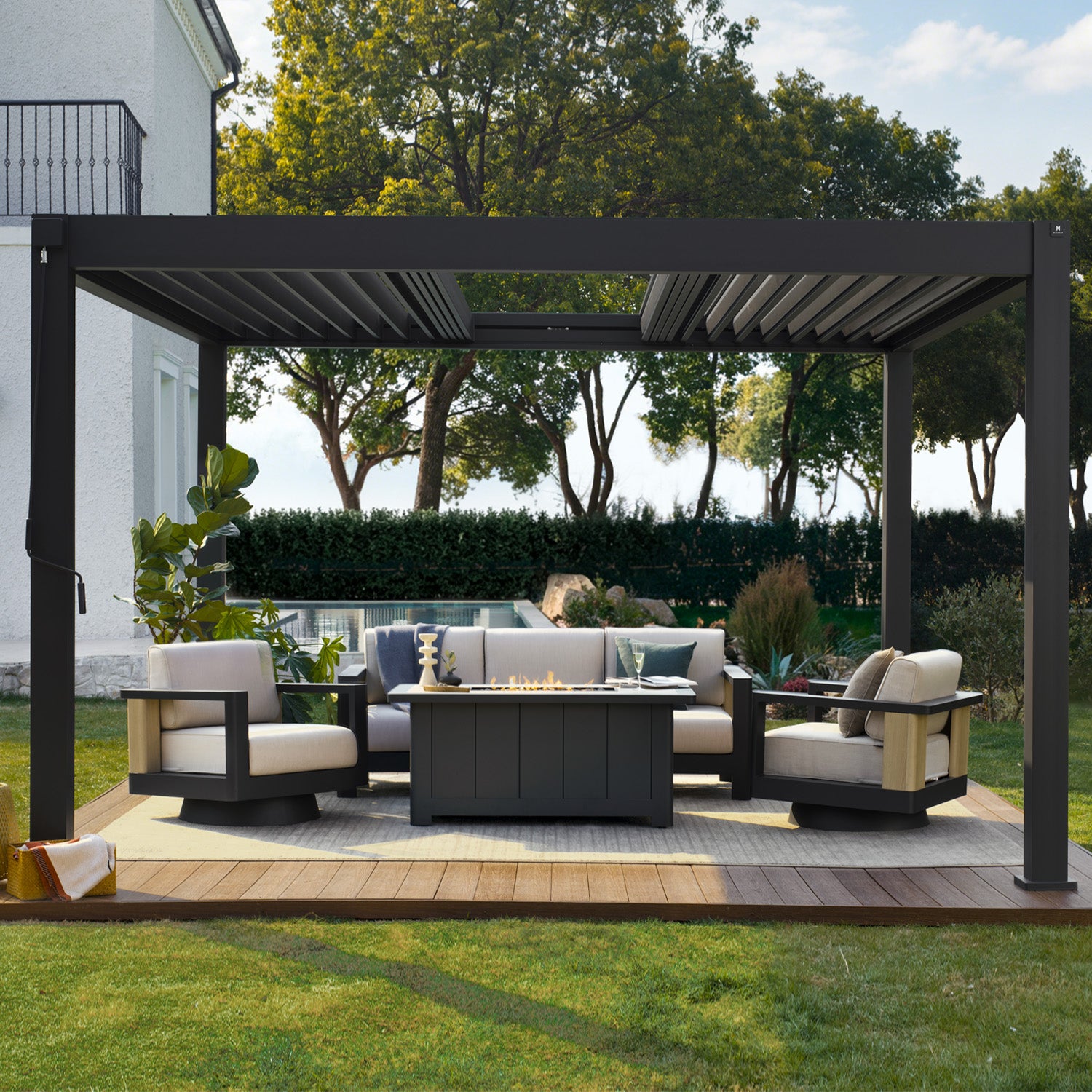
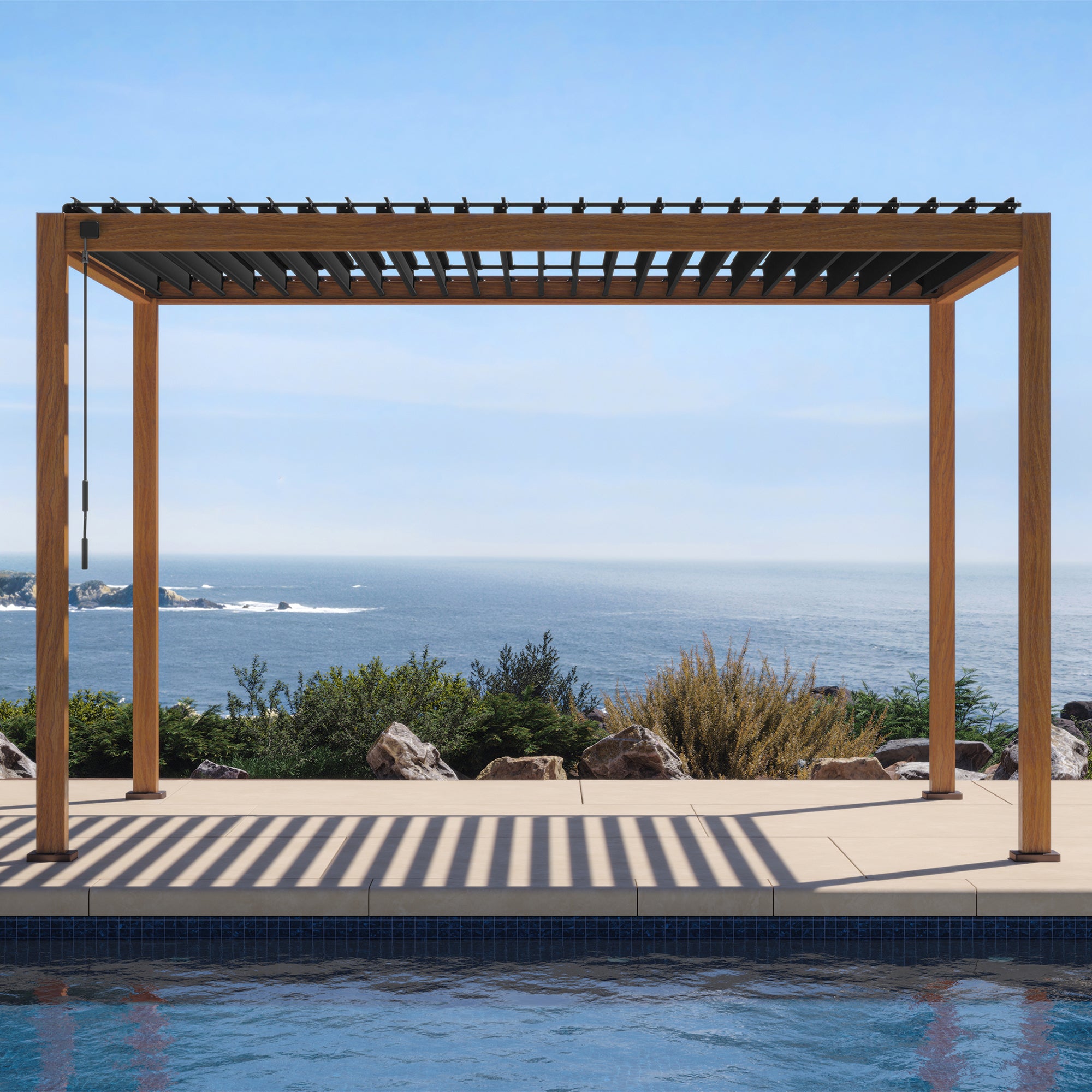
Modern versions have changed the game, though. An aluminum louvered pergola lets you rotate the roof slats from fully open to fully closed. That means you control exactly how much sun, shade, or rain protection you get at any given moment. Some models, like our 111DA series, even handle rain through built-in drainage channels hidden inside the frame.
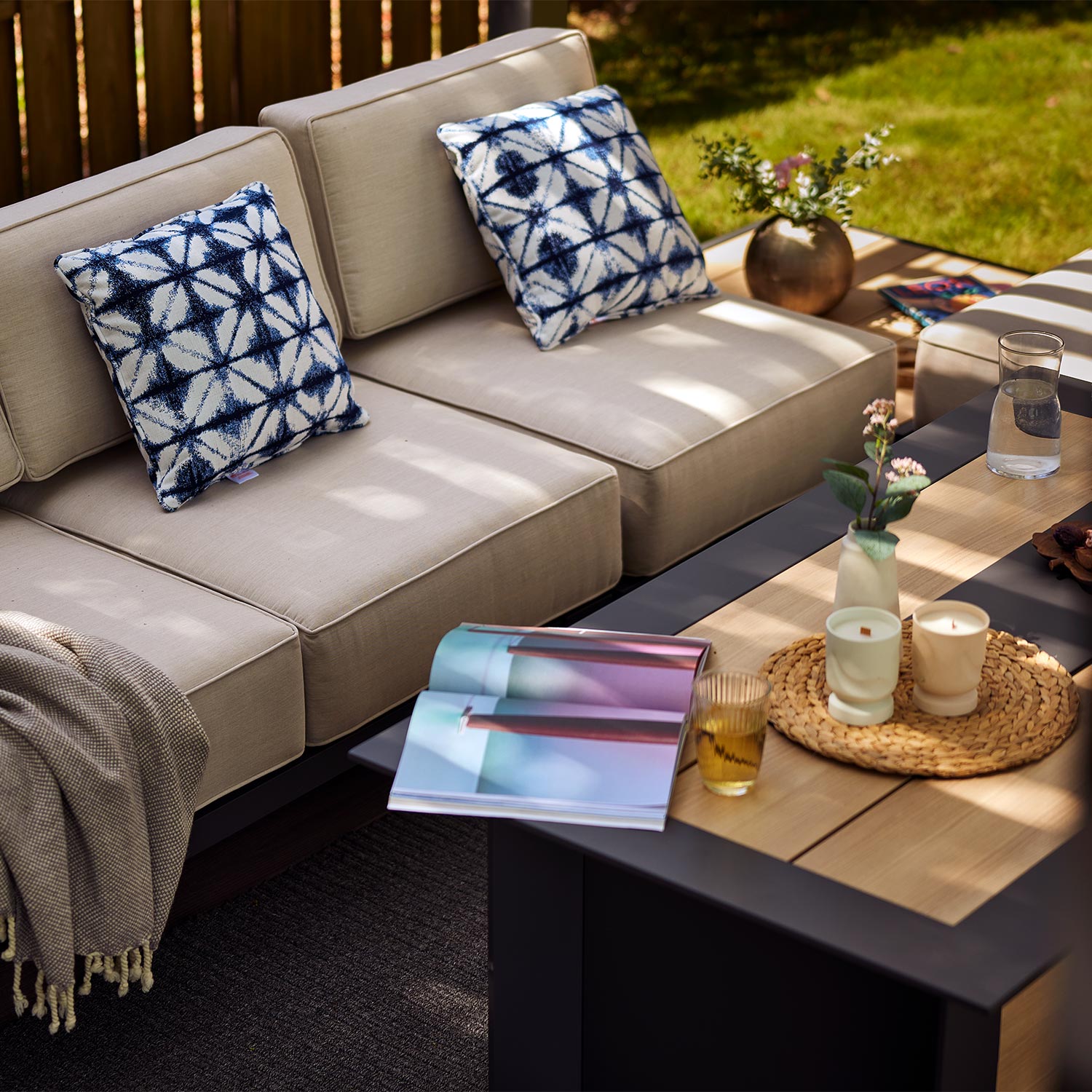
Pergolas work well over patios, dining spaces, fire pit zones, and poolside seating areas. They define a space without closing it off. And because they're open on all sides, they keep your sightlines clean and your yard feeling bigger.
Related article: What Is a Pergola? Meaning, Uses, and Comparison With Other Outdoor Structures

What's a Cabana?
A cabana is a more enclosed structure, usually with a solid roof and walls on three sides. Think poolside changing room meets shaded lounge. The fourth side stays open, traditionally facing the pool or main yard.
Cabanas lean heavily into that resort-style vibe. They're great for privacy, full shade, and creating a room-like feel outdoors. You'll often see them fitted with curtains, fans, lighting, or even small bars.
But they come with trade-offs. Cabanas need more space, cost more to build, and don't offer much flexibility once they're up. You can't open the roof on a sunny day when you actually want the warmth. And in smaller yards? They can feel visually heavy.
Pergola vs. Cabana: Side-by-Side Comparison
Here's a quick look at how these two outdoor shade structures stack up:
|
Feature |
Pergola |
Cabana |
|
Roof type |
Open, slatted, or adjustable louvers |
Solid, fixed |
|
Walls |
Open (add-on screens/doors optional) |
Enclosed on 3 sides |
|
Shade control |
Adjustable, you decide |
Full shade, always |
|
Privacy |
Low to moderate |
High |
|
Airflow |
Excellent |
Limited |
|
Typical placement |
Patio, deck, garden, poolside |
Poolside, spa area |
|
Average cost |
$1,100 – $7,500 |
$5,000 – $40,000+ |
|
Permits |
Often not required |
Frequently required |
|
Flexibility |
High, works in many setups |
Lower, more fixed purpose |
|
DIY installation |
Yes, most kits |
Rarely, pro install typical |
When a Pergola Makes More Sense
If your yard gets used for a mix of activities like dinners, morning coffee, and weekend barbecues, a pergola fits that lifestyle better. Here's the thing: it doesn't lock you into one setting. Louvers open, louvers close. Sun today, shade tomorrow. Rain on Thursday? Close the roof and stay dry.
Pergolas also work in smaller backyards without overwhelming the space. A 10'×10' louvered patio cover blends right in, while a cabana that size might dominate the view.
Cost matters too. A quality aluminum pergola starts around $1,100 to $2,400 depending on size and material, while cabanas can run $10,000+ once you factor in professional installation, permits, and finishes. For homeowners in both Europe and North America looking for a backyard shade solution that doesn't require a contractor, the math tips pretty clearly toward a pergola.
And honestly, pergolas just look good over more types of spaces, whether that's decks, gardens, fire pits, or even grill stations.

When a Cabana Is the Better Pick
Cabanas earn their spot in specific situations. If you have a pool and want a dedicated changing area or a fully shaded retreat where you can escape 35°C+ summer heat without going inside, a cabana makes real sense.
They're also solid if privacy is your top priority. Walls on three sides plus curtains on the open face create a cocoon-like feel that a standard pergola doesn't match out of the box.
But this is worth noting: cabanas are a bigger commitment. More materials, more labor, more money, and less ability to reconfigure later.
Can a Pergola Do What a Cabana Does?
This is where it gets interesting. A modern louvered pergola paired with the right accessories gets surprisingly close to cabana-level functionality, but with way more flexibility.
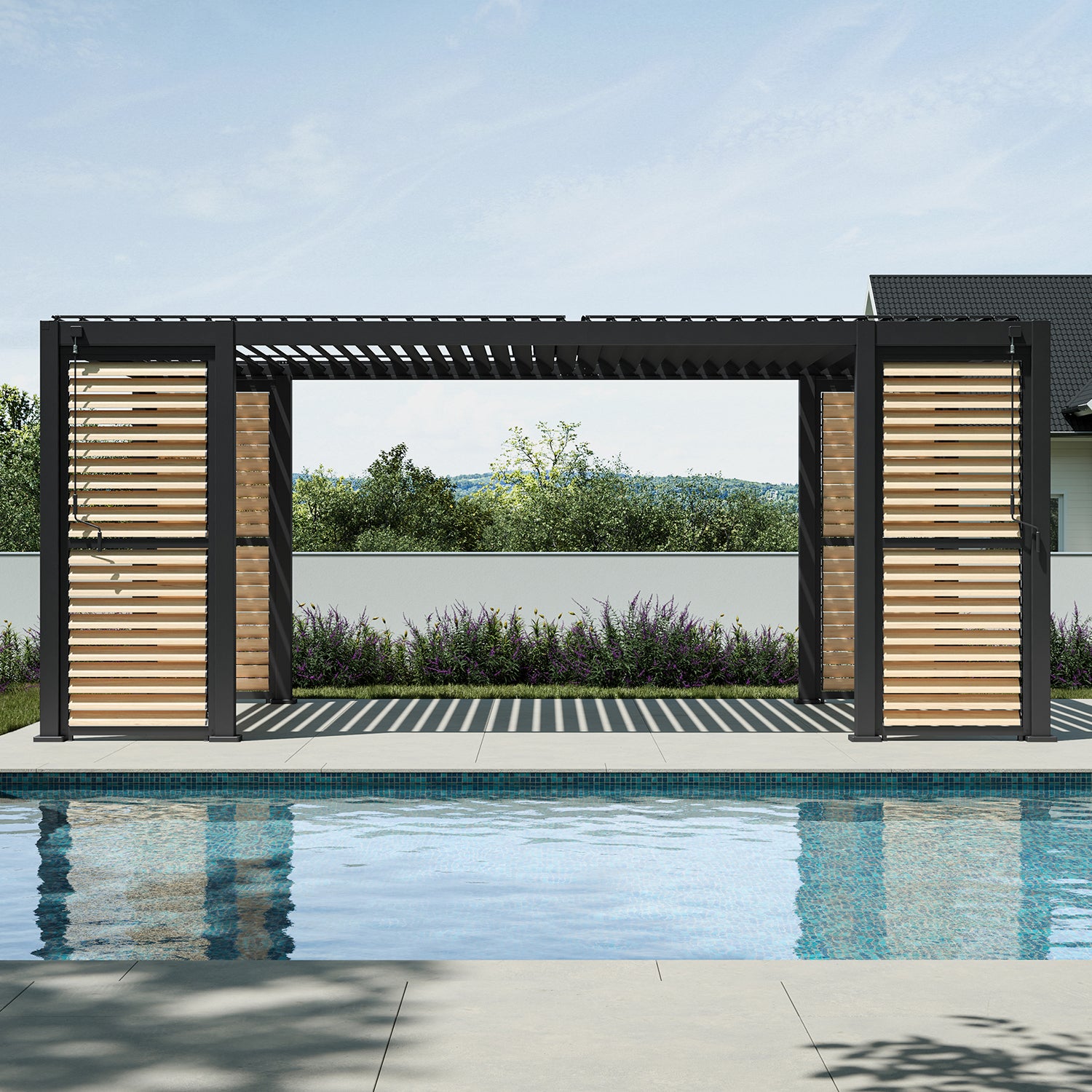
Add pergola screens and sliding glass doors to your setup, and you've got weather protection, wind blocking, and privacy on demand. Our 111 Series accessories include pull-down shade screens, fixed shutter walls, and even full sliding glass door systems that turn an open pergola into a semi-enclosed outdoor room.
Want the closed-off, sheltered feel? Slide the doors shut. Want the breeze? Open everything up. A cabana can't do that.

Pergola vs. Cabana: How to Choose
- Pergolas give you adjustable shade, open airflow, and a lower price point. They're the more versatile pick for most backyards.
- Cabanas deliver full enclosure and high privacy but come with a bigger budget and more permanent footprint.
A louvered pergola with add-on screens and walls can replicate much of what a cabana offers, with the bonus of being able to open everything up whenever you want.
For most homeowners, a pergola is the smarter starting point. You can always add walls and screens later.
FAQs
Is a pergola or cabana better for a pool area?
Both work well poolside, but it depends on what you need. A cabana gives you a private changing area and full shade. A pergola keeps the space open and breezy, and with louvered roofs, you still control sun exposure. If you don't need a changing room, a pergola usually fits better and costs less.
How much does a pergola cost compared to a cabana?
Pergolas range from about $1,100 to $7,500 for quality aluminum models. Cabanas typically start around $5,000 for a basic setup and can exceed $40,000 with custom finishes and plumbing. The gap narrows if you add screens or walls to a pergola, but it's still significantly cheaper overall.
Can I add walls or screens to a pergola later?
Yes. Most modern pergola systems support add-on accessories like pull-down screens, fixed shutter walls, sliding doors, and decorative panels. This lets you start open and add enclosure over time based on your needs and budget.
Do I need a permit to build a pergola or cabana?
Permit rules vary by city and country. Cabanas are enclosed structures with solid roofs, so they almost always need a permit. Pergolas, especially freestanding louvered models, often don't require one, but it's worth checking local regulations before you order.
Which lasts longer, a pergola or a cabana?
Longevity depends on material, not structure type. A powder-coated aluminum pergola resists rust, UV fading, and rot without any upkeep. Wood cabanas need regular staining and sealing. If both are built from quality materials, expect 15–20+ years from either one.