
If you are comparing pergola alternatives, you are really comparing five different ways to make an outdoor space more usable: an awning, a canopy, a gazebo, a patio cover, or a louvered pergola. Each can add shade, but they do not solve the same problem.
An awning is best for attached shade near a wall. A canopy is best for portable or budget shade. A gazebo is best for a freestanding fixed roof. A patio cover is best for a permanent attached roof extension. A louvered pergola is best when you want a modern outdoor structure with adjustable shade, airflow, rain management, and accessory planning.
This guide compares the options by use case, budget, maintenance, roof control, weather comfort, and long-term patio value.
Start With the Real Question: Shade, Shelter, or Control?
Most shoppers begin with "I need shade." But that is only the first layer.
Before choosing an outdoor shade structure, ask:
- Do you need temporary shade or a permanent structure?
- Should the roof be fixed, fabric, retractable, or adjustable?
- Do you need rain coverage, or only sun protection?
- Will the structure attach to the house or stand alone?
- Is the patio used occasionally, weekly, or daily?
- Do you need side privacy, lighting, power, screens, or doors?
- Are permits, HOA rules, wind exposure, or snow loads part of the project?
Once you answer those questions, the best pergola alternative becomes much easier to choose.
Awning: Best for Attached Shade From the House
An awning is usually attached to the exterior wall of a home and extends over a door, window, deck, or small patio. It can be fixed or retractable, manual or motorized, fabric or metal.
Choose an awning if you want:
- Shade directly beside the house
- A compact solution for a sliding door, window, or small patio
- A lower-profile structure than a gazebo or pergola
- Retractable shade without a freestanding frame
- A way to reduce sun exposure near interior rooms
The tradeoff is layout flexibility. An awning depends on the house wall, so it may not work for a poolside zone, detached patio, garden seating area, or outdoor kitchen located away from the house. It may also need careful attention to mounting, wind ratings, wall structure, and retraction during bad weather.
An awning is a good pergola alternative when the outdoor space is small and attached. It is not the best option when you want a full freestanding outdoor room.
Canopy: Best for Low-Budget or Temporary Shade
A canopy is the simplest pergola alternative. It may be a pop-up canopy, fabric shade sail, freestanding canopy, or canopy-style patio structure. The main appeal is cost and flexibility.
Choose a canopy if you want:
- Affordable shade
- A temporary or seasonal setup
- Shade for events, parties, or flexible seating
- A low-commitment way to test a patio layout
- A lightweight option that can be moved or stored
The tradeoff is durability and design integration. Fabric shade can be comfortable, but it is more exposed to UV, wind, debris, moisture, and replacement cycles. A canopy may solve a short-term shade problem, but it usually does not create the same finished backyard look as a permanent structure.

Gazebo: Best for a Freestanding Fixed Roof
A gazebo is a freestanding structure with a fixed roof. It can be soft-top, hardtop, metal, wood, cedar, steel, aluminum, or a mix of materials. Compared with a basic pergola, a gazebo usually feels more enclosed and provides more constant overhead cover.
Choose a gazebo if you want:
- A freestanding backyard structure
- A fixed roof for dining or lounge furniture
- A more defined backyard destination
- A structure that does not need to attach to the house
- A traditional or pavilion-like look
The tradeoff is flexibility. A fixed roof is excellent when you want constant cover, but it does not open for more sun, more sky, or more airflow. A gazebo can also feel visually heavier than a pergola, especially on a small patio.
For homeowners who want one permanent shaded zone, a gazebo can be a strong choice. For homeowners who want to tune sunlight and airflow throughout the day, a louvered pergola is usually more flexible.
Patio Cover: Best for a Permanent Attached Roof
A patio cover is usually a fixed roof attached to the house. It may be wood, aluminum, insulated panel, metal, or another structural roofing system. It is closer to a home improvement project than a movable shade solution.
Choose a patio cover if you want:
- A permanent roof attached to the home
- Strong overhead coverage near the house
- A covered outdoor dining or lounge area
- A structure that feels integrated into the architecture
- A fixed solution for rain and shade
The tradeoff is permanence. A patio cover is useful, but it is not adjustable. Once installed, the amount of light, shade, and openness is largely fixed. It may also require more planning, permits, contractor involvement, drainage coordination, and design approvals than a standard pergola kit.
A patio cover can be the right answer for a covered porch-like space. But if you want a structure that can open to the sky and close when needed, a louvered pergola is the more flexible alternative.
Louvered Pergola: Best for Adjustable Outdoor Living
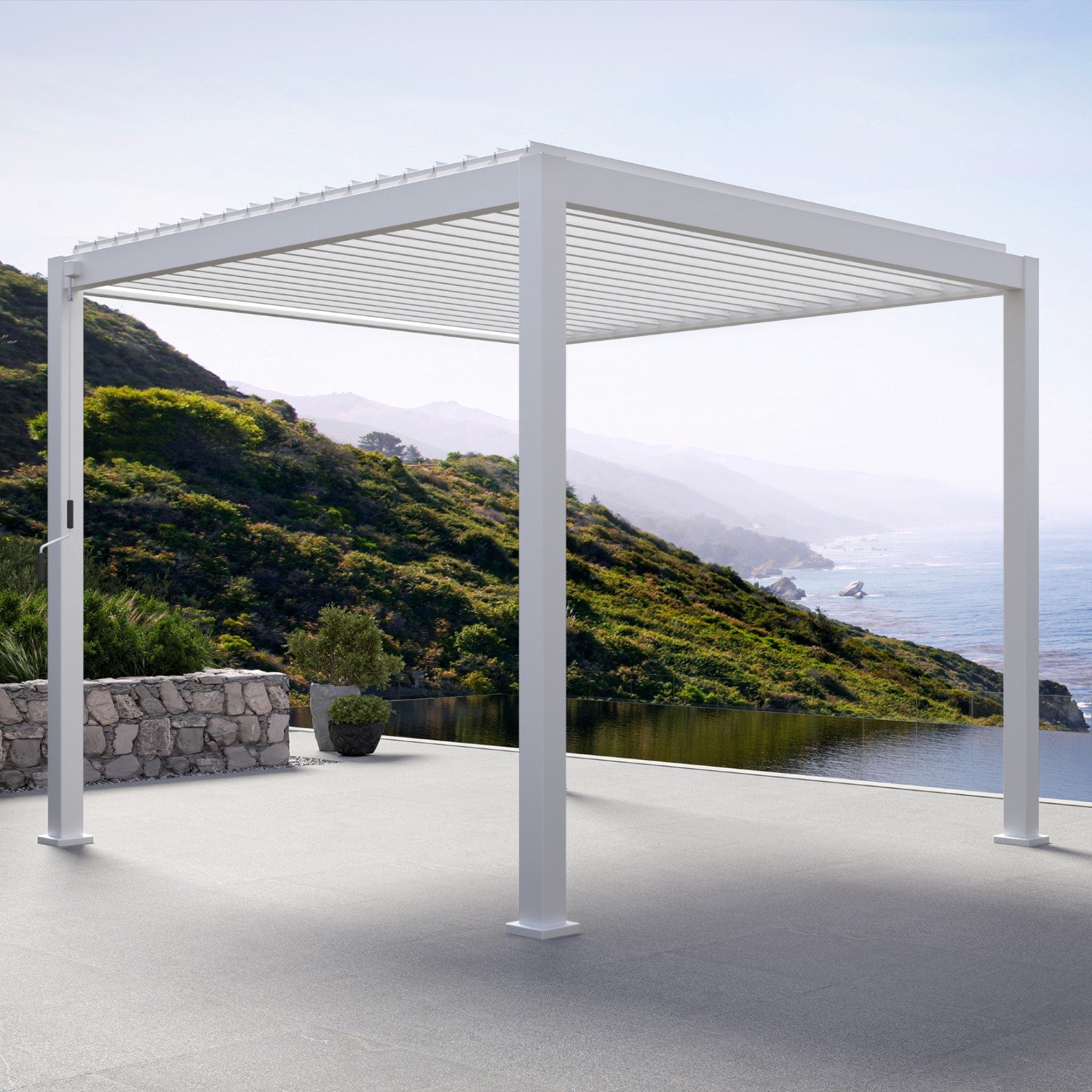
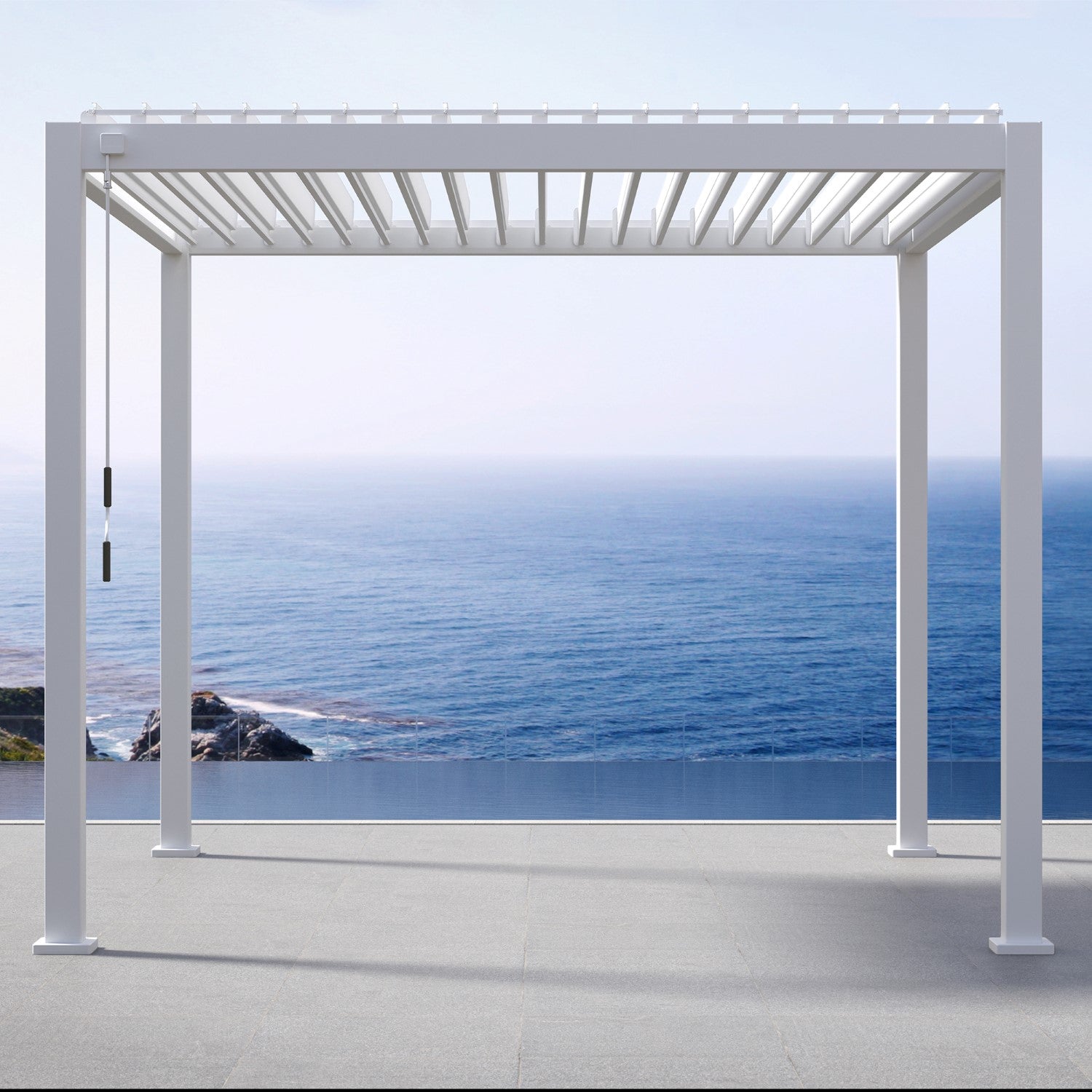
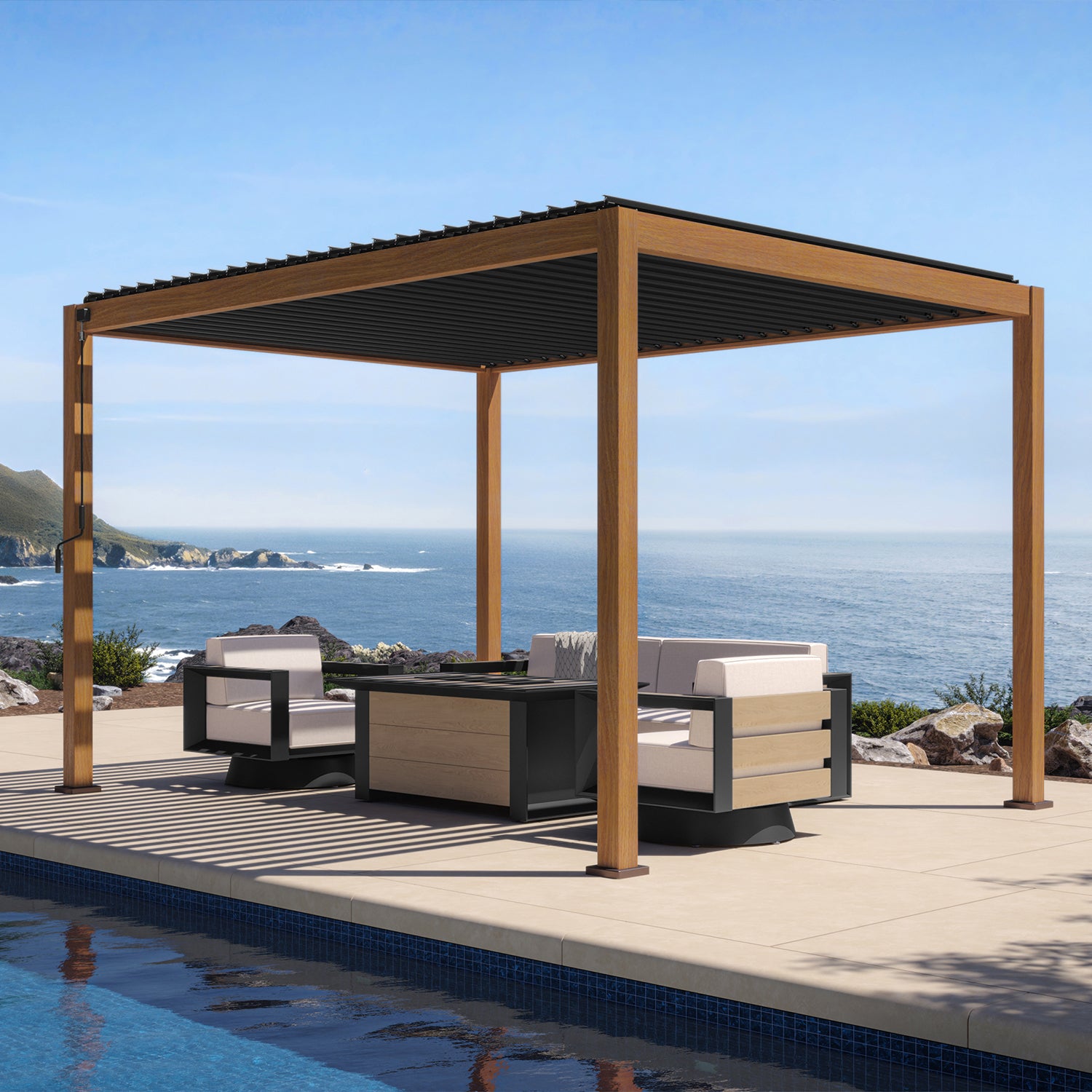
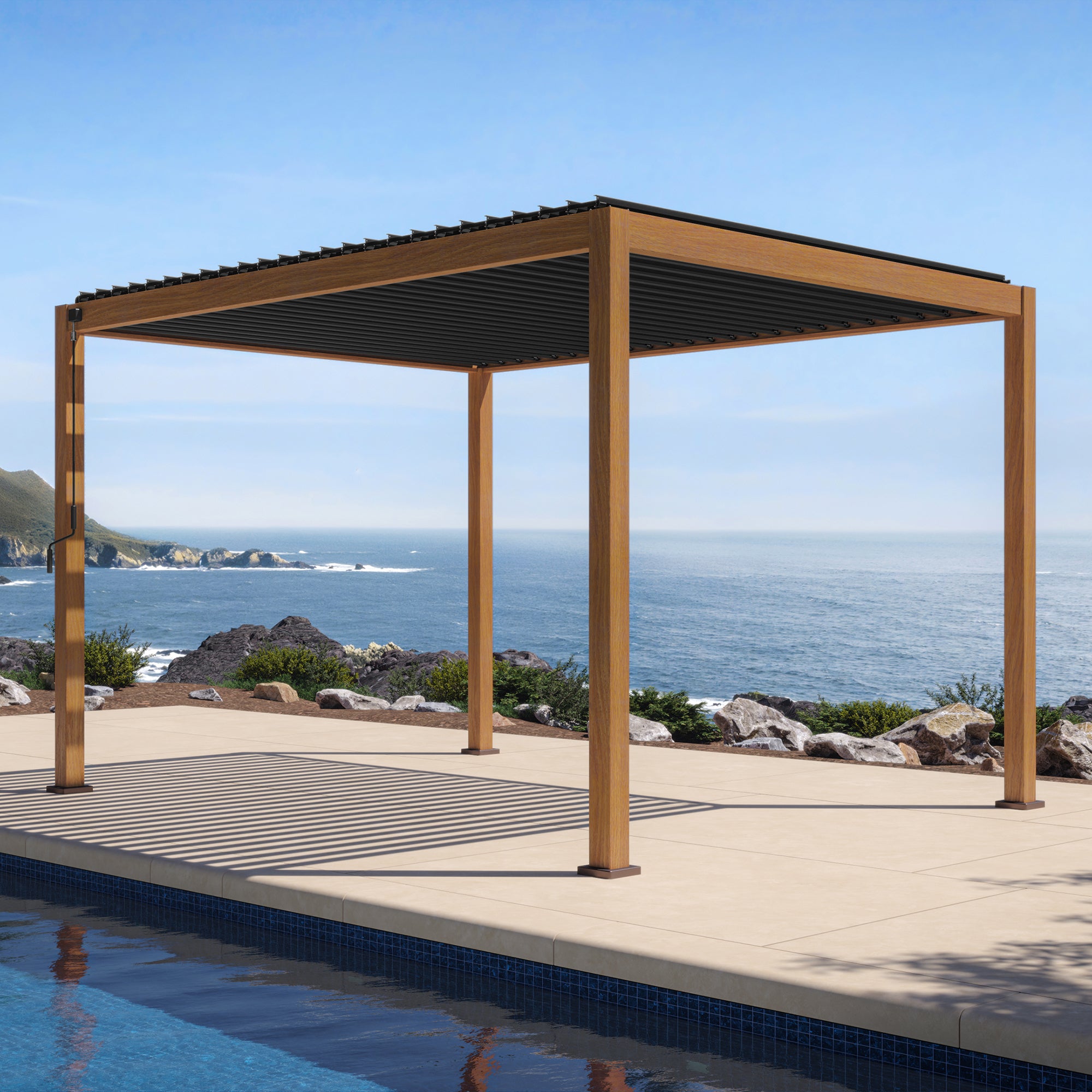
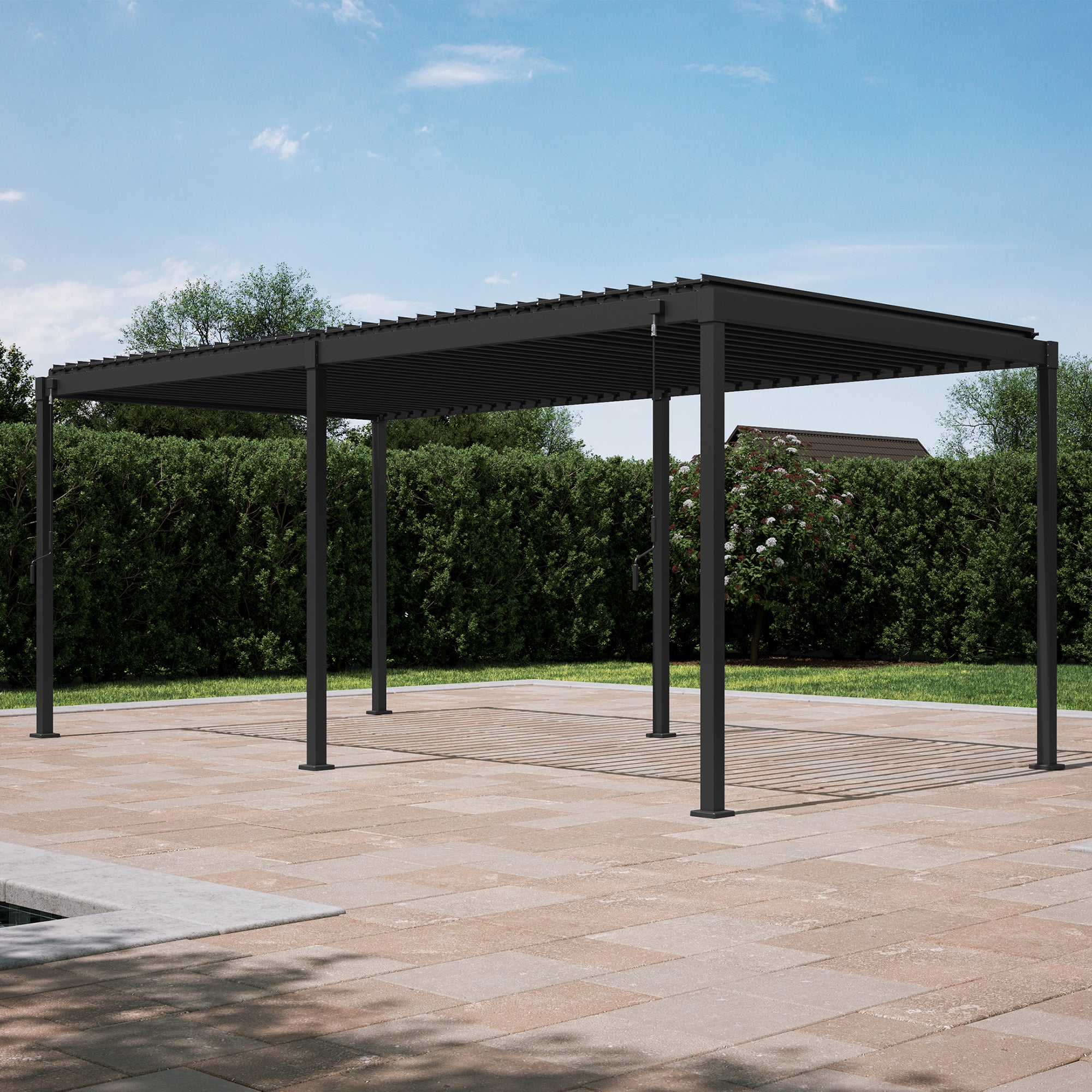
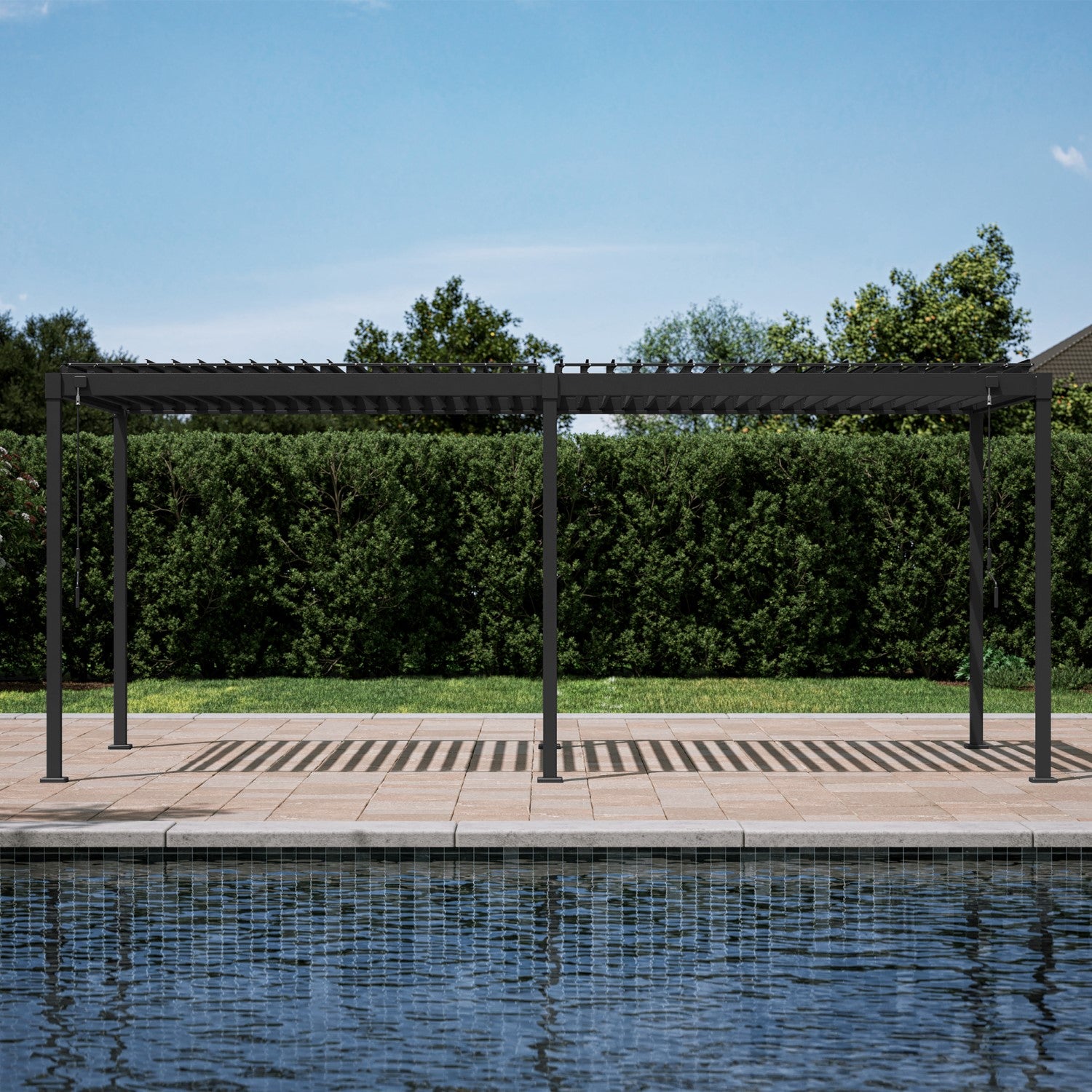
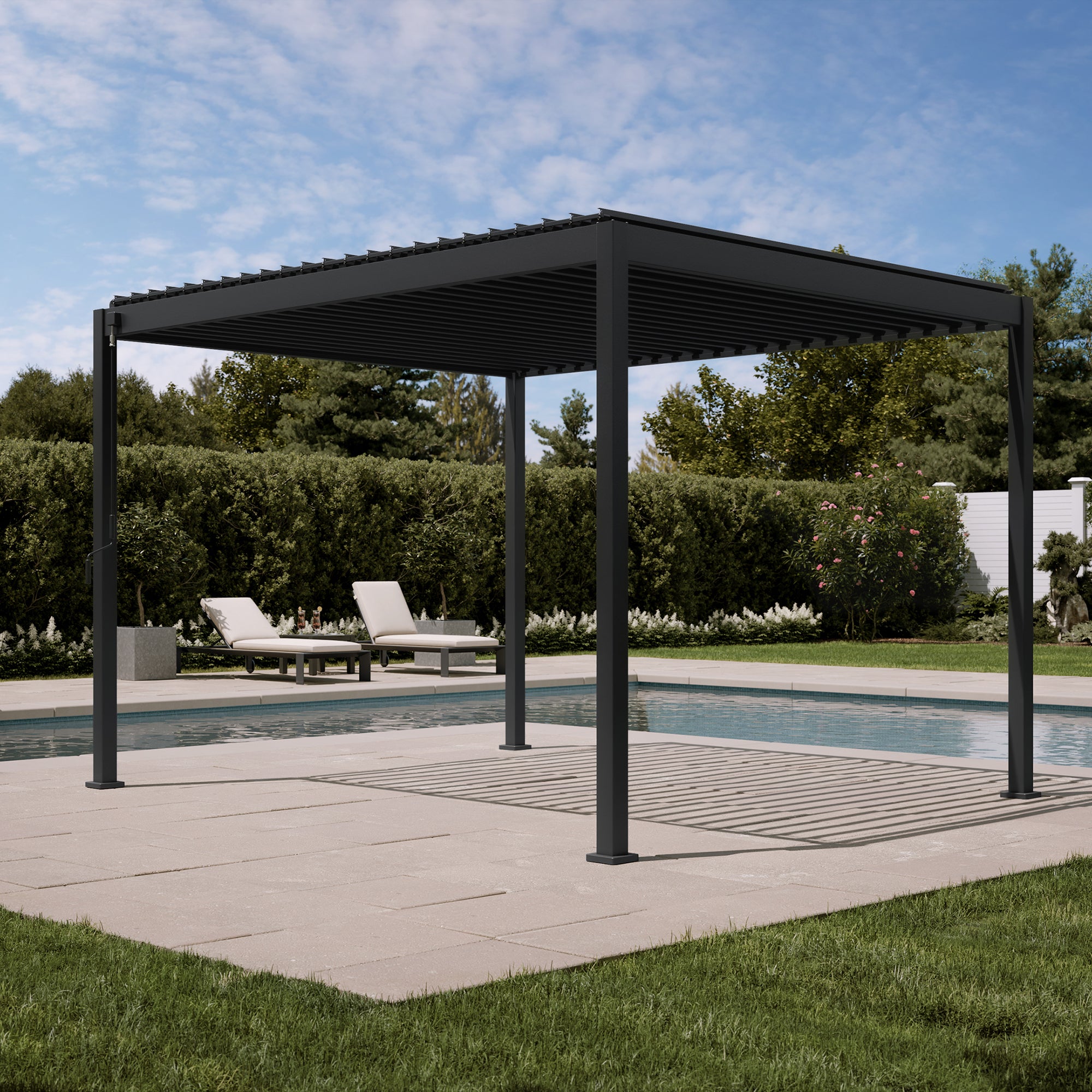
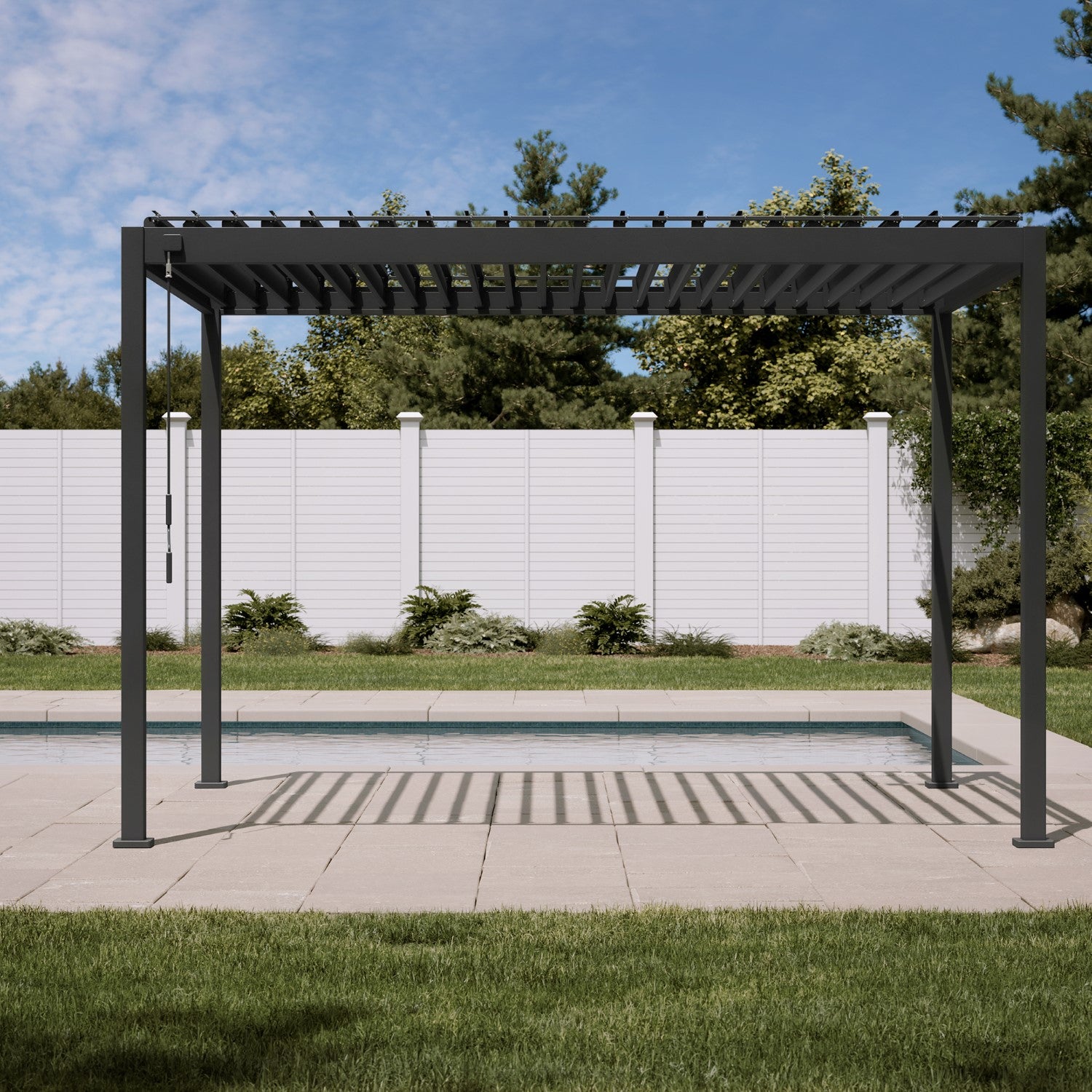
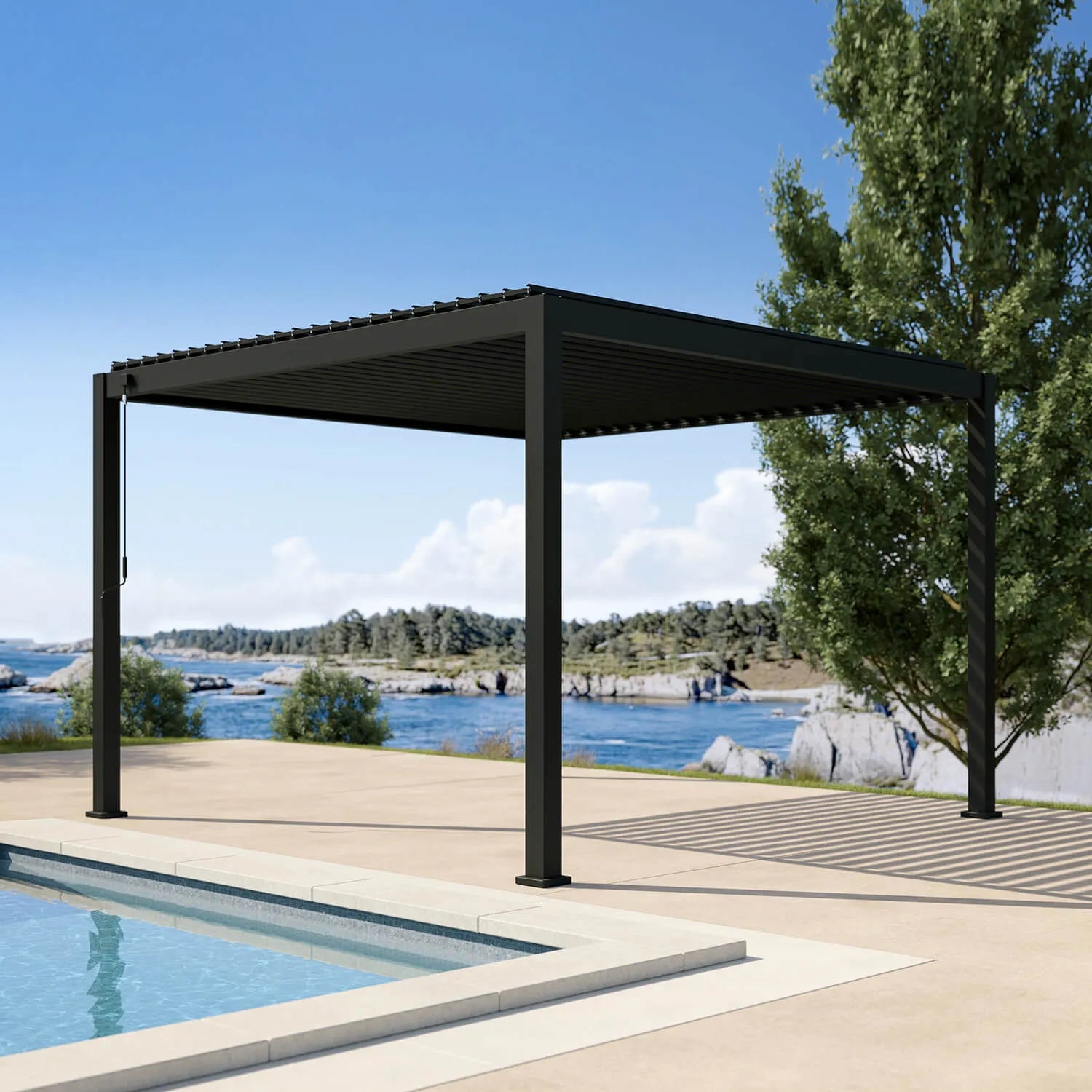
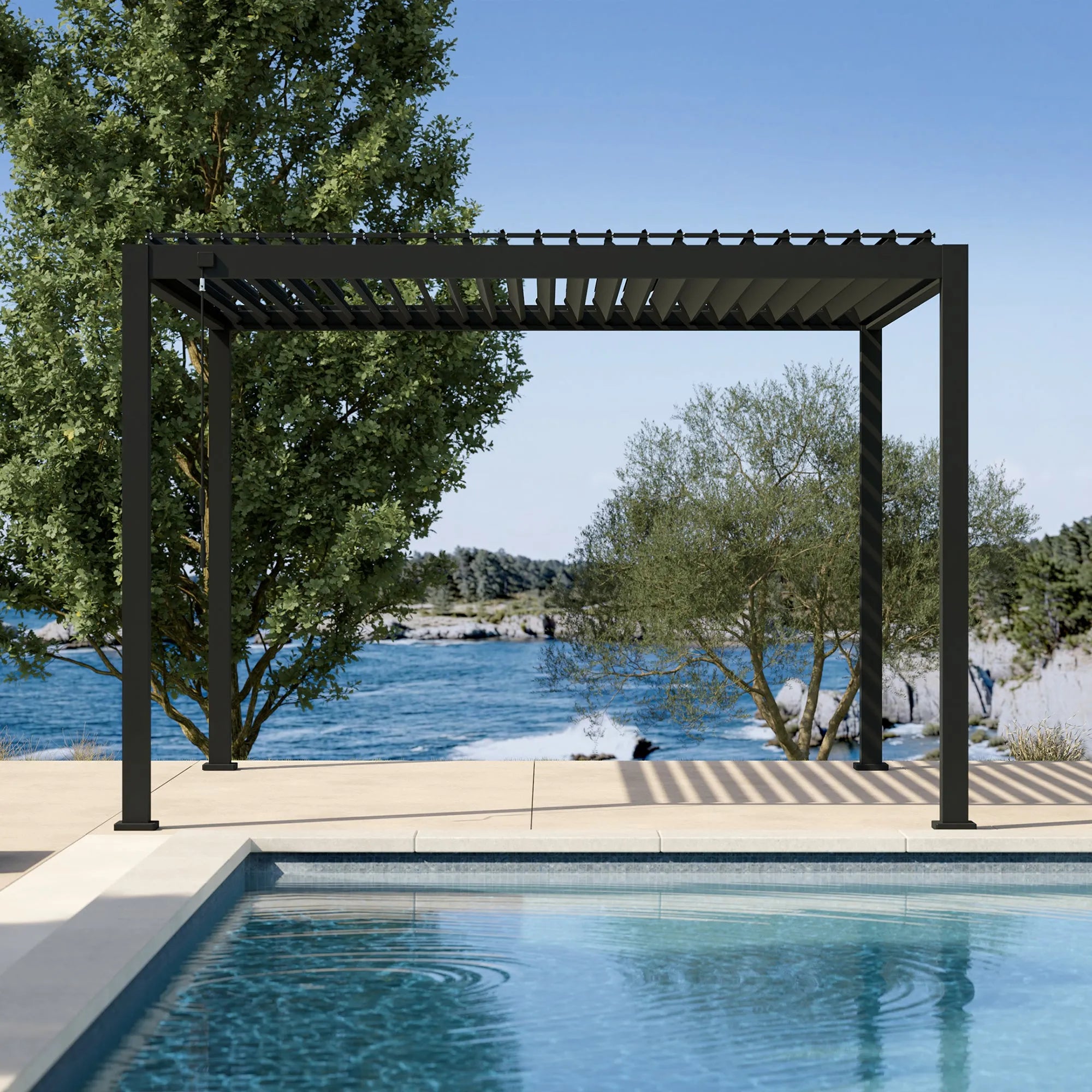
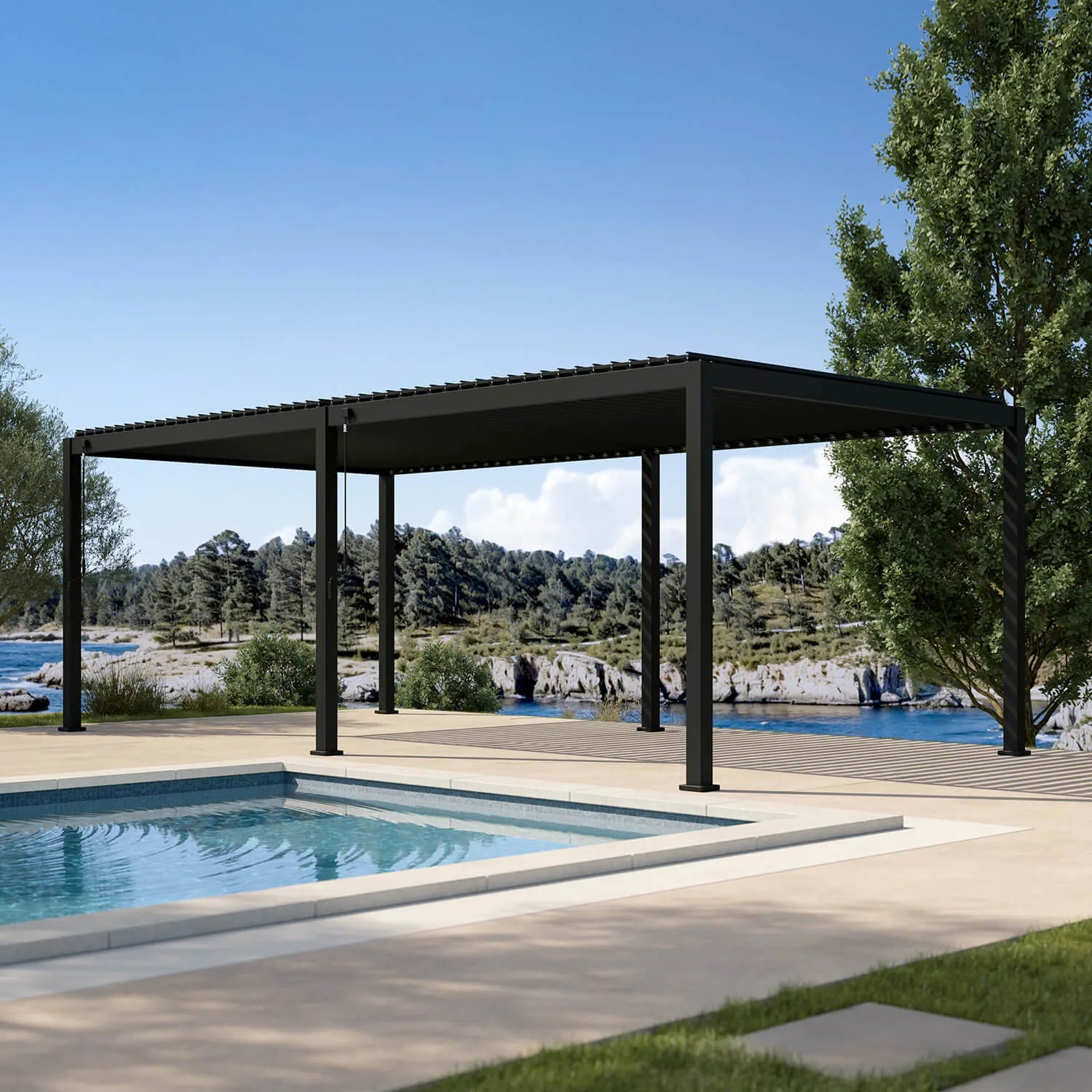
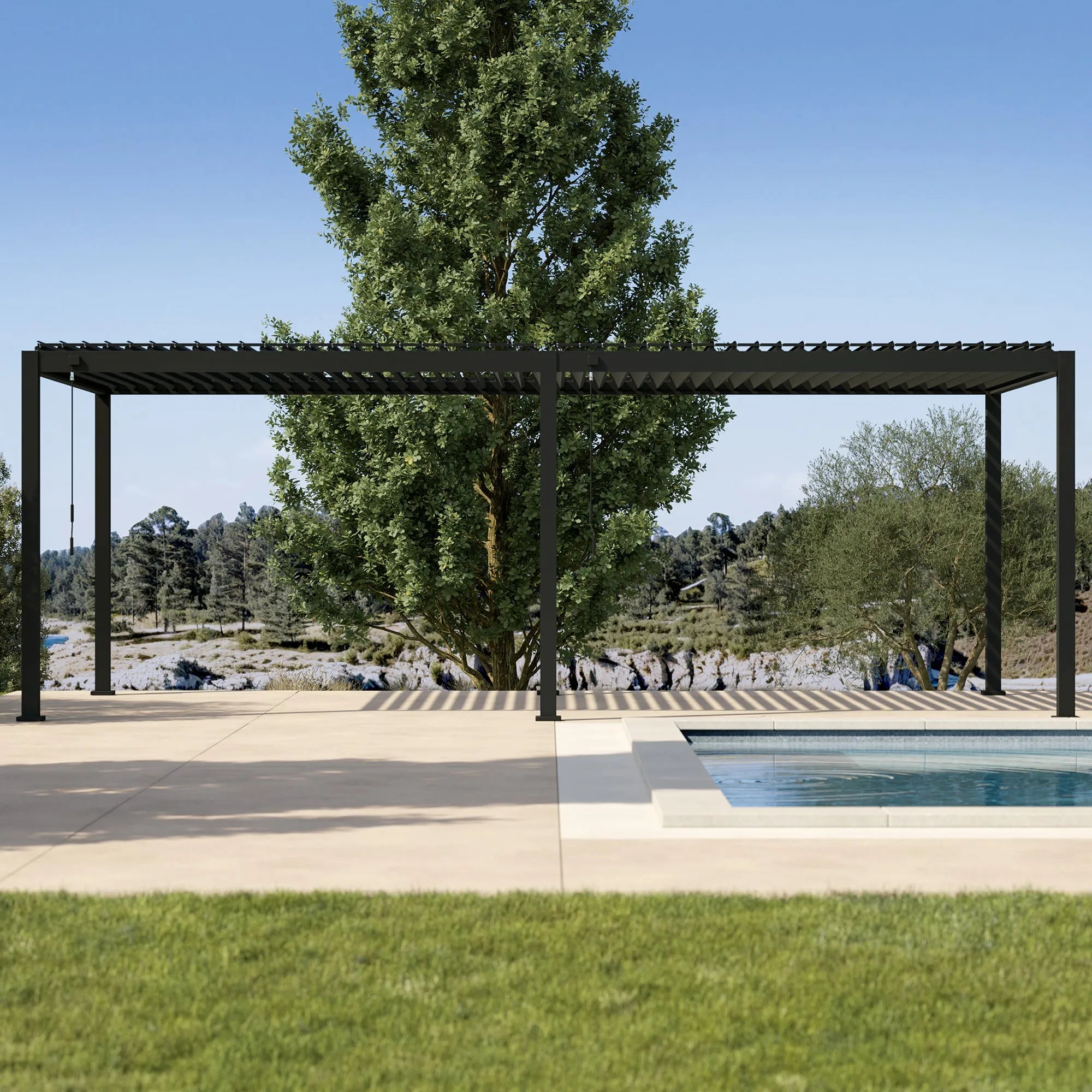
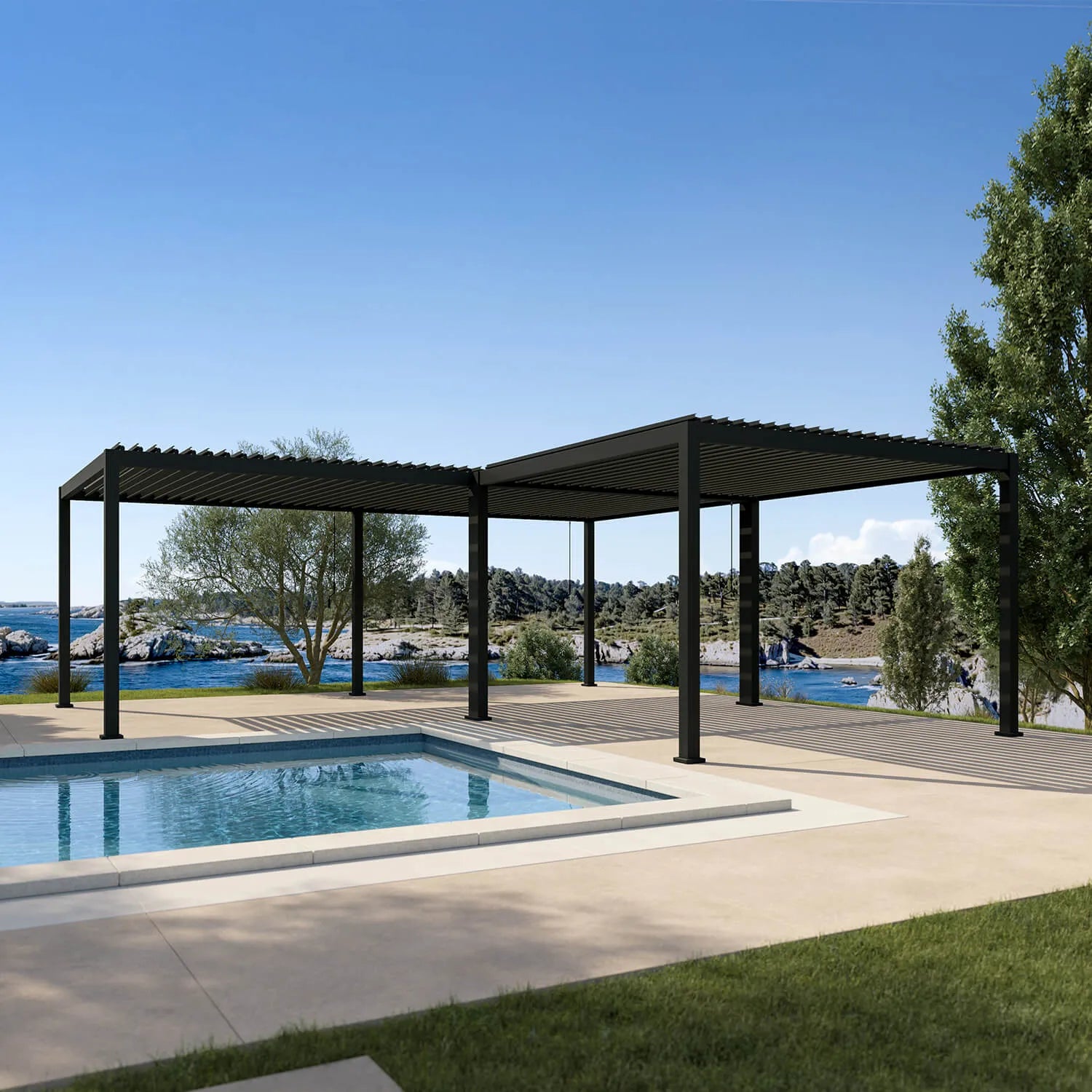
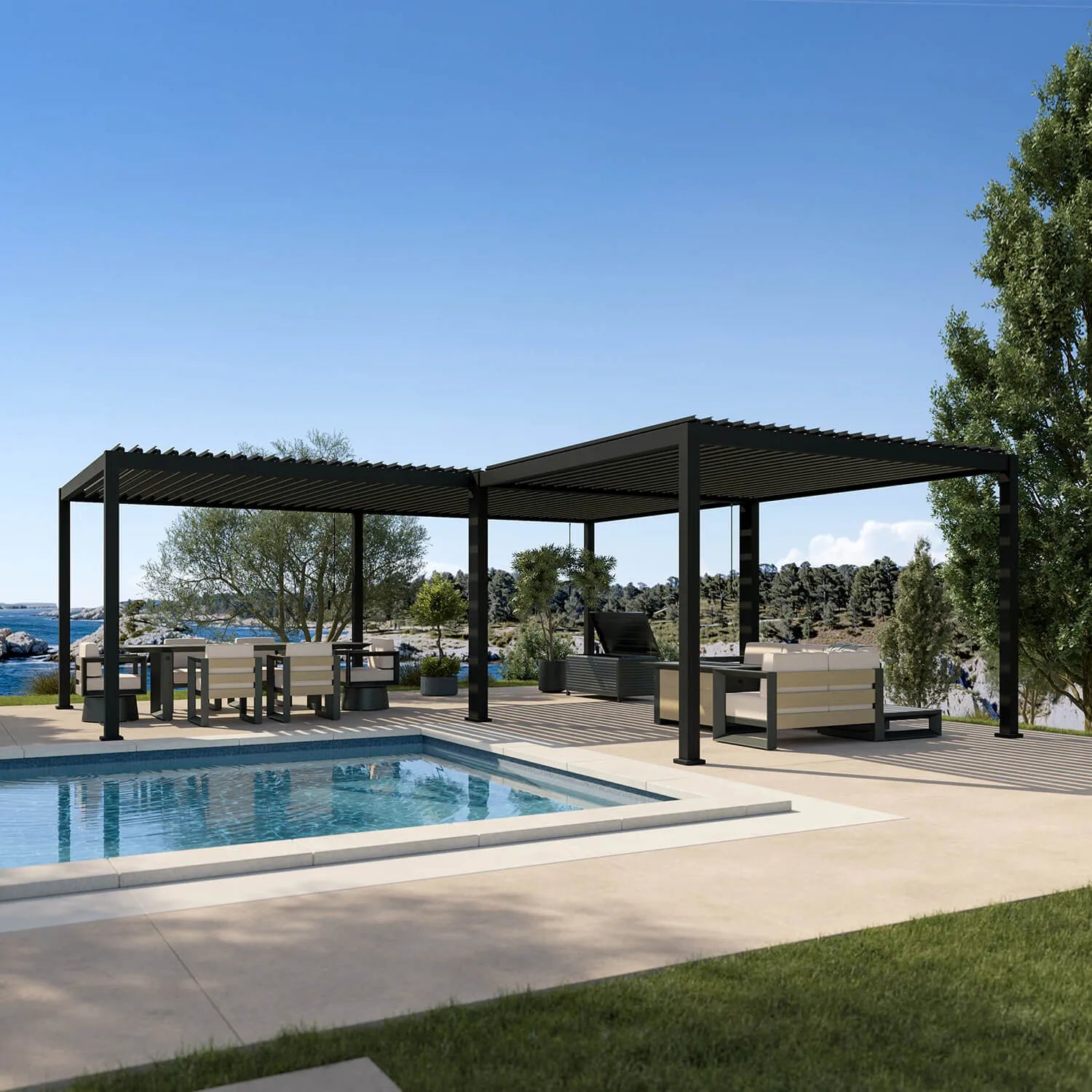
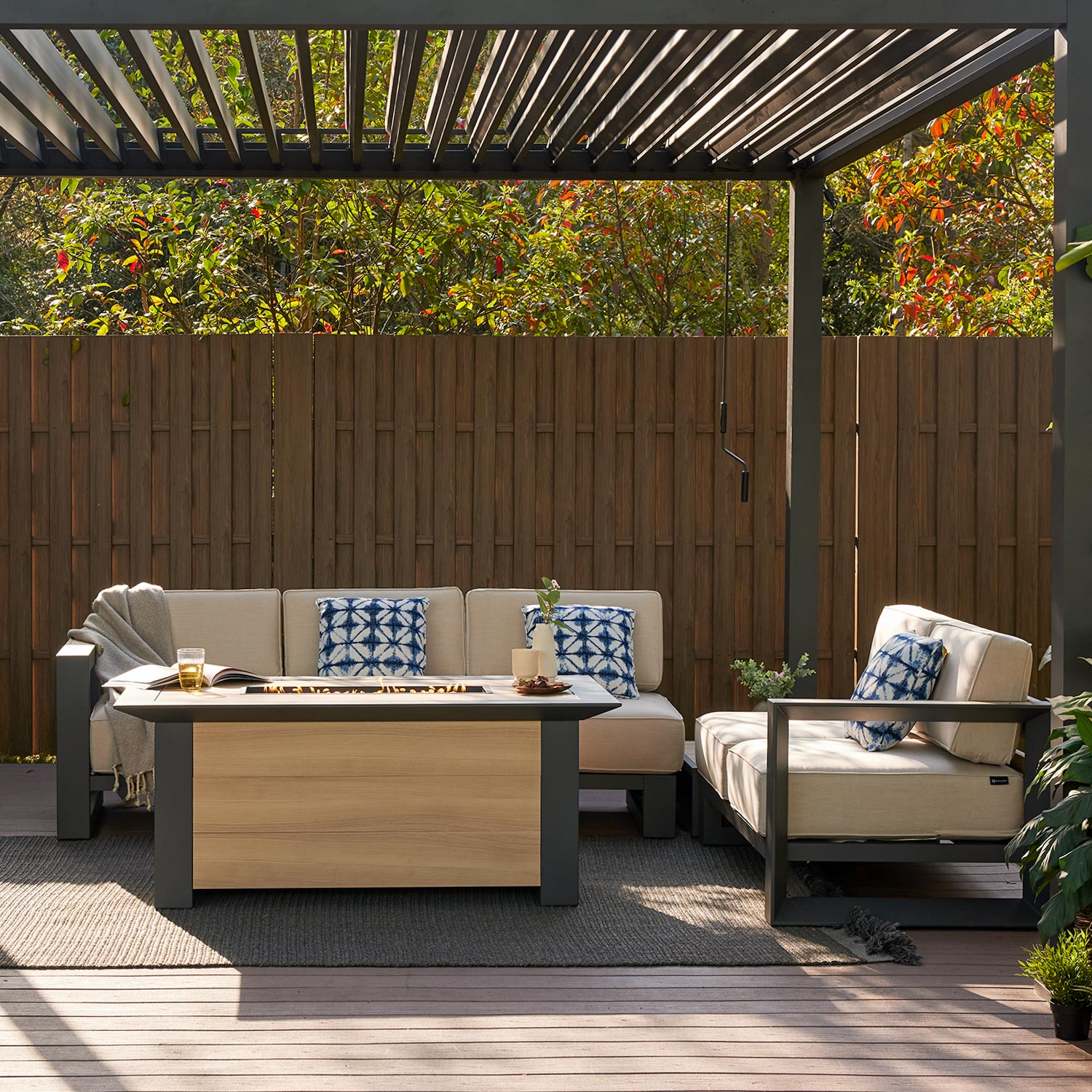
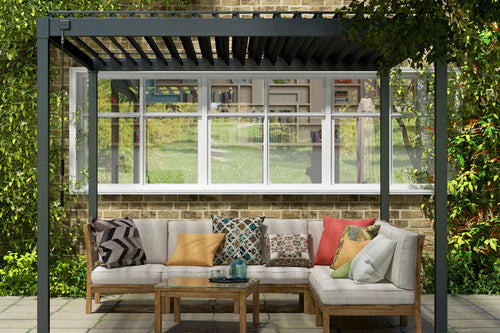
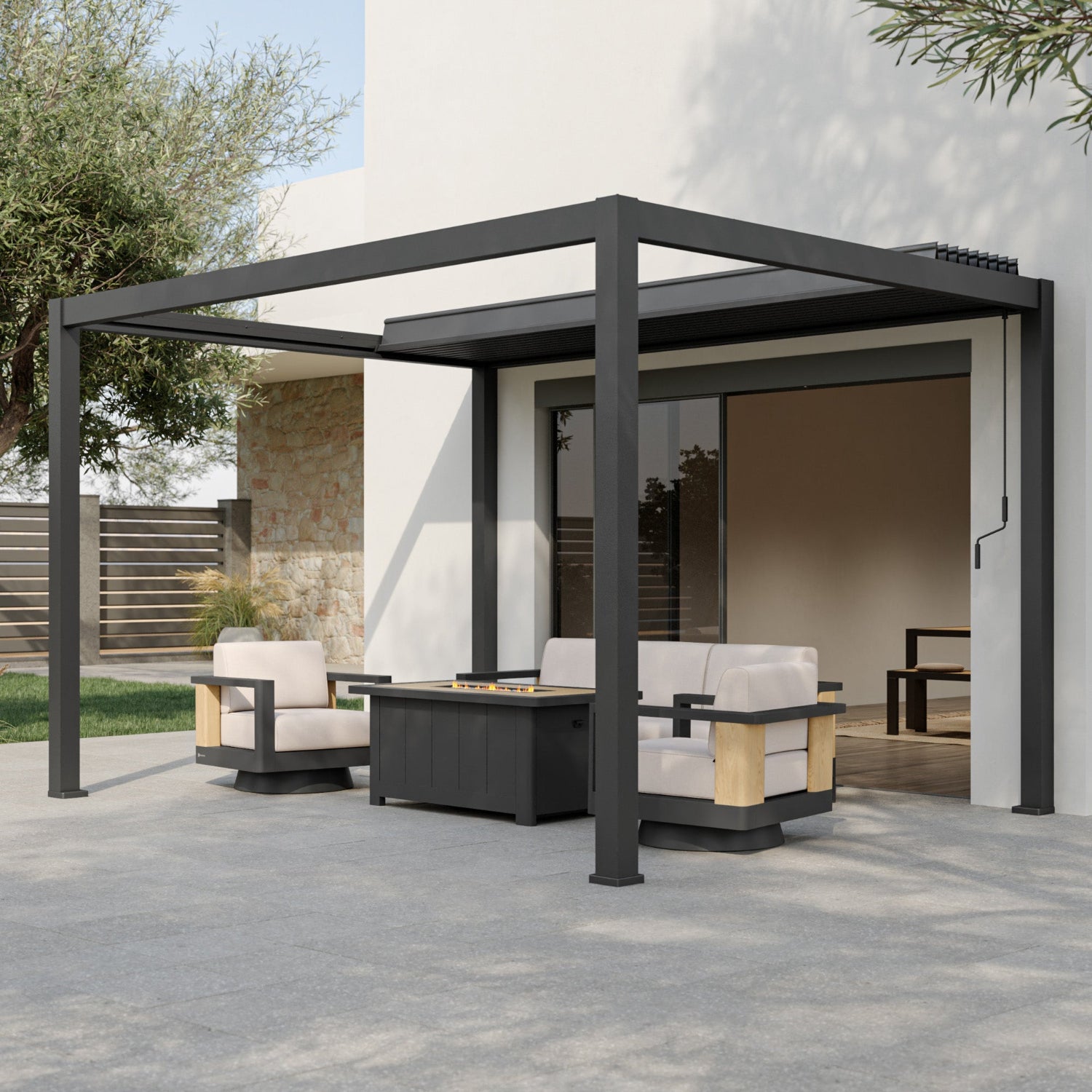
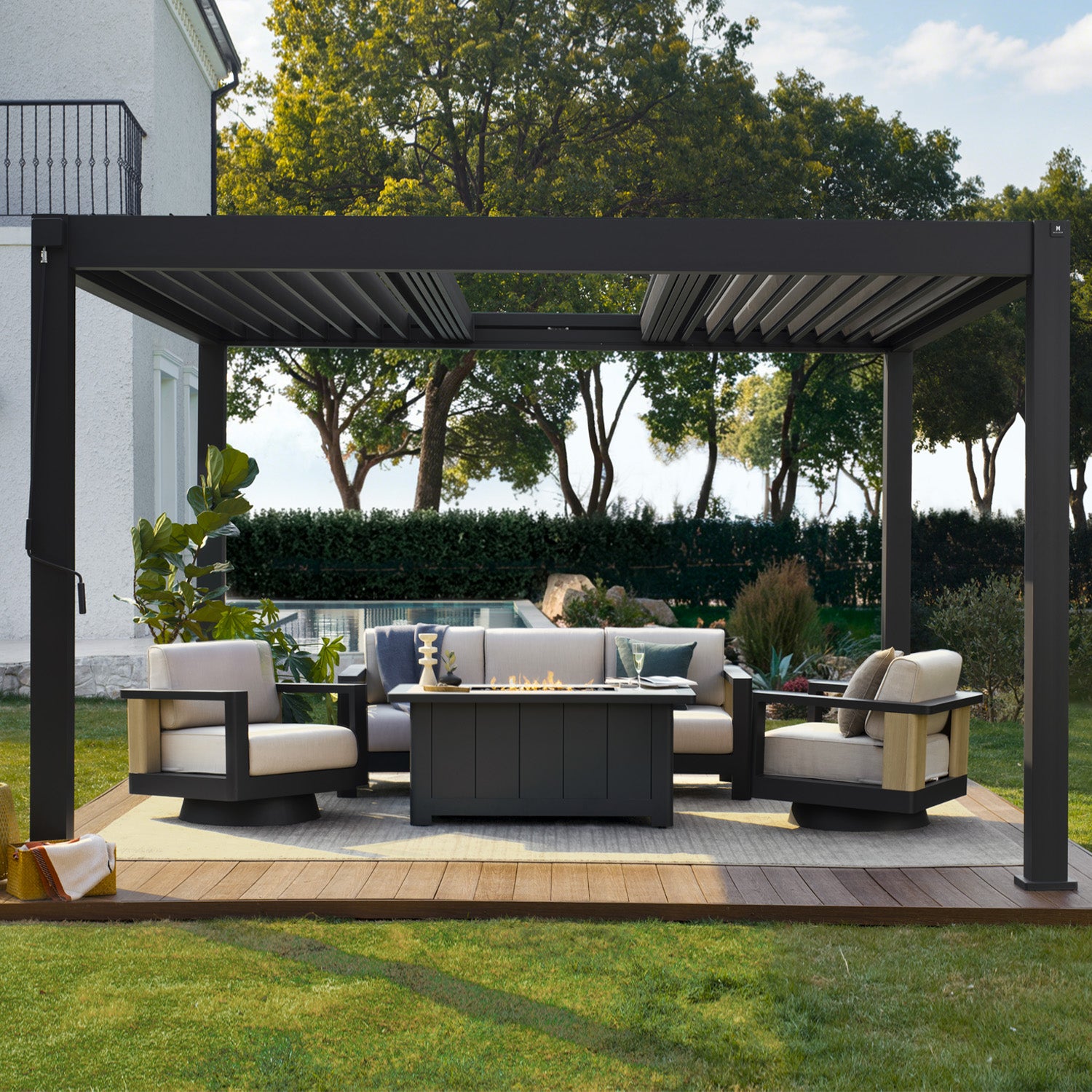
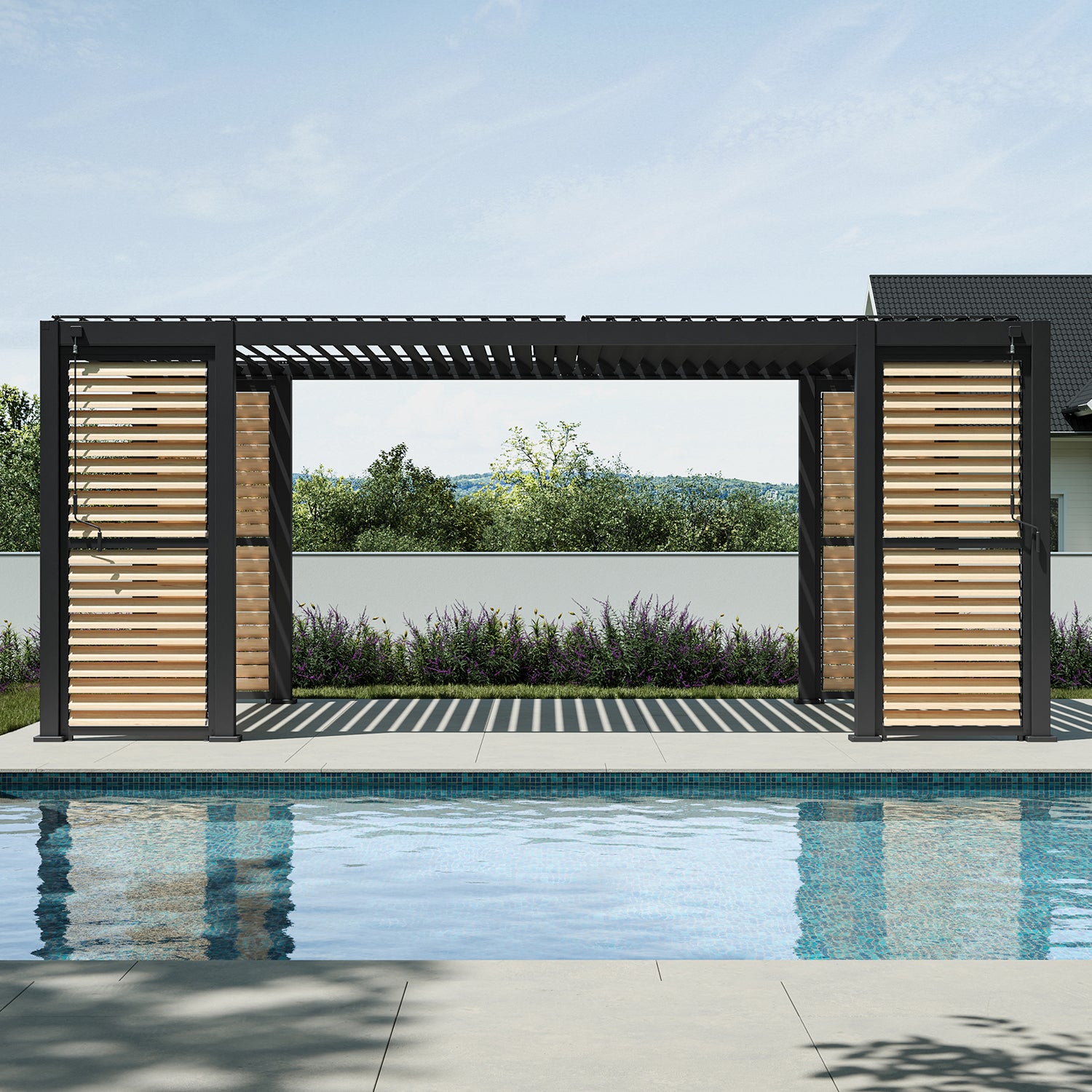
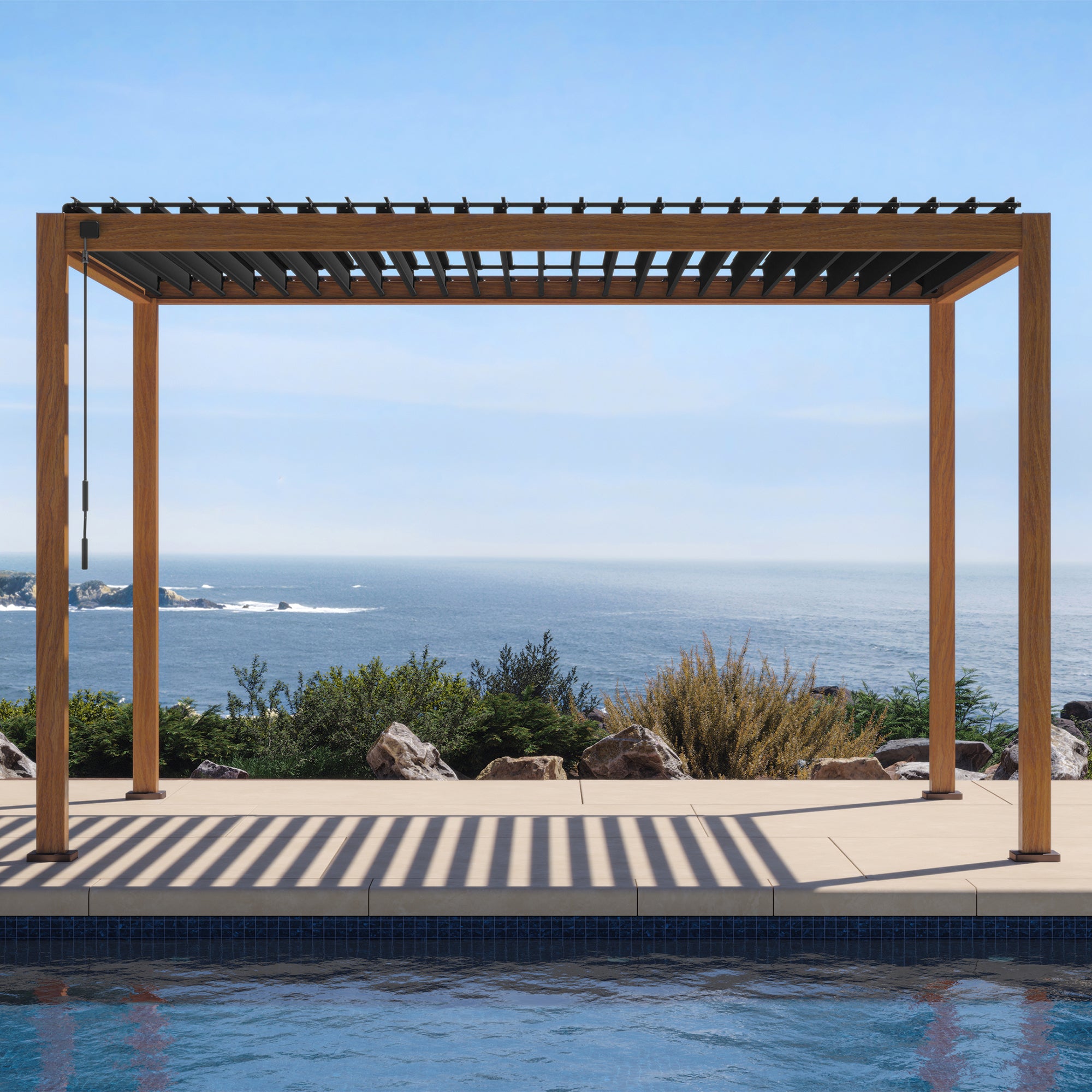
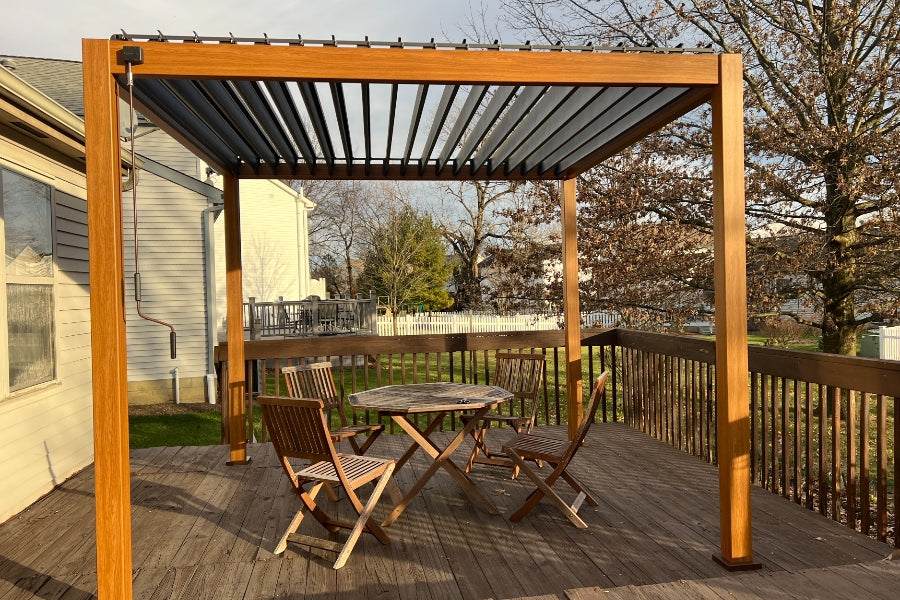
A louvered pergola uses adjustable roof slats that can open, close, or angle to control sun, shade, airflow, and overhead coverage. This is the key difference from most other pergola alternatives: you are not choosing only between open shade and fixed cover. You can change the roof position as the weather and time of day change.
Choose a louvered pergola if you want:
- Adjustable roof control
- A modern freestanding patio structure
- More airflow than a fixed roof
- Better rain management than an open pergola or basic canopy
- Lower maintenance than many fabric or wood shade structures
- A clean aluminum outdoor-room look
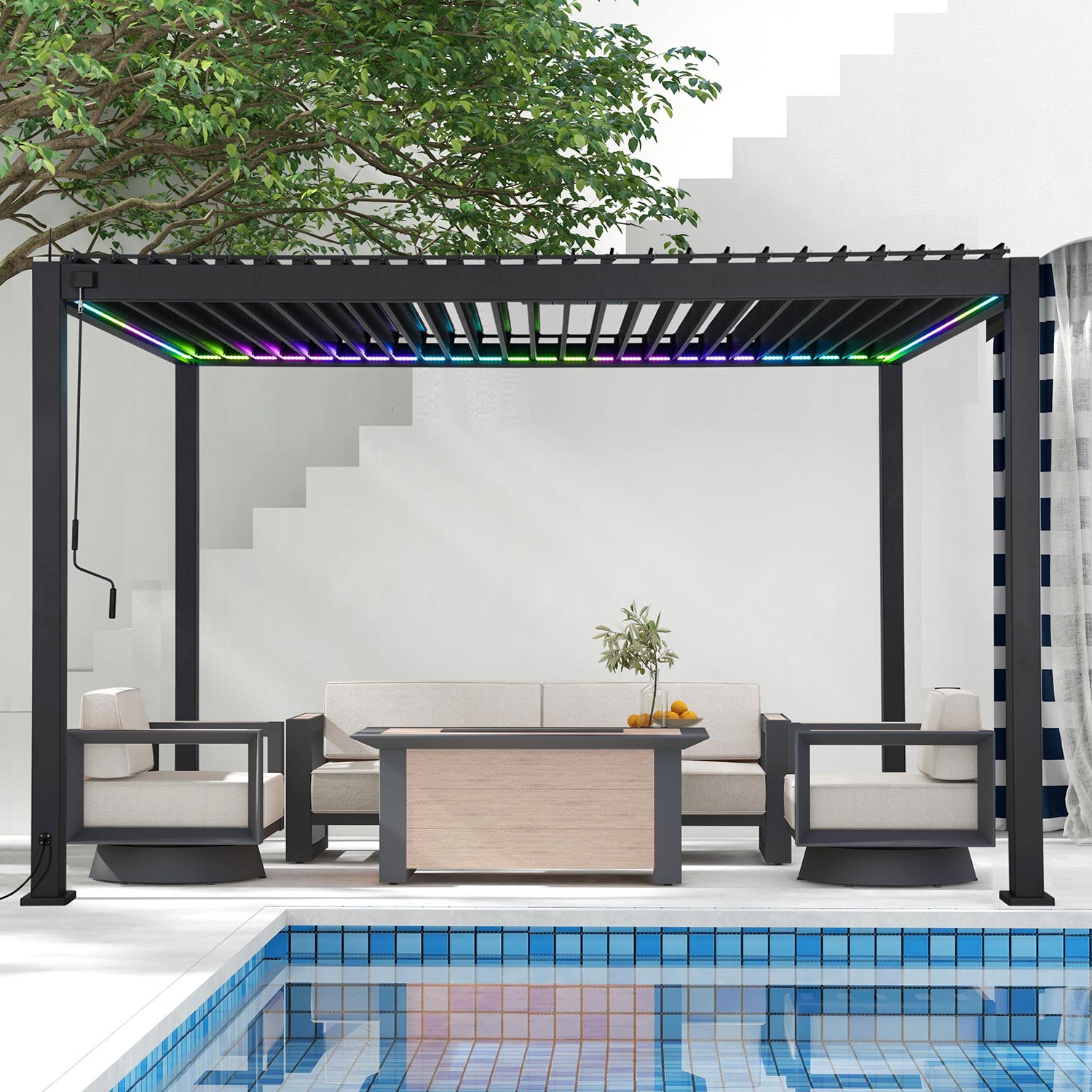
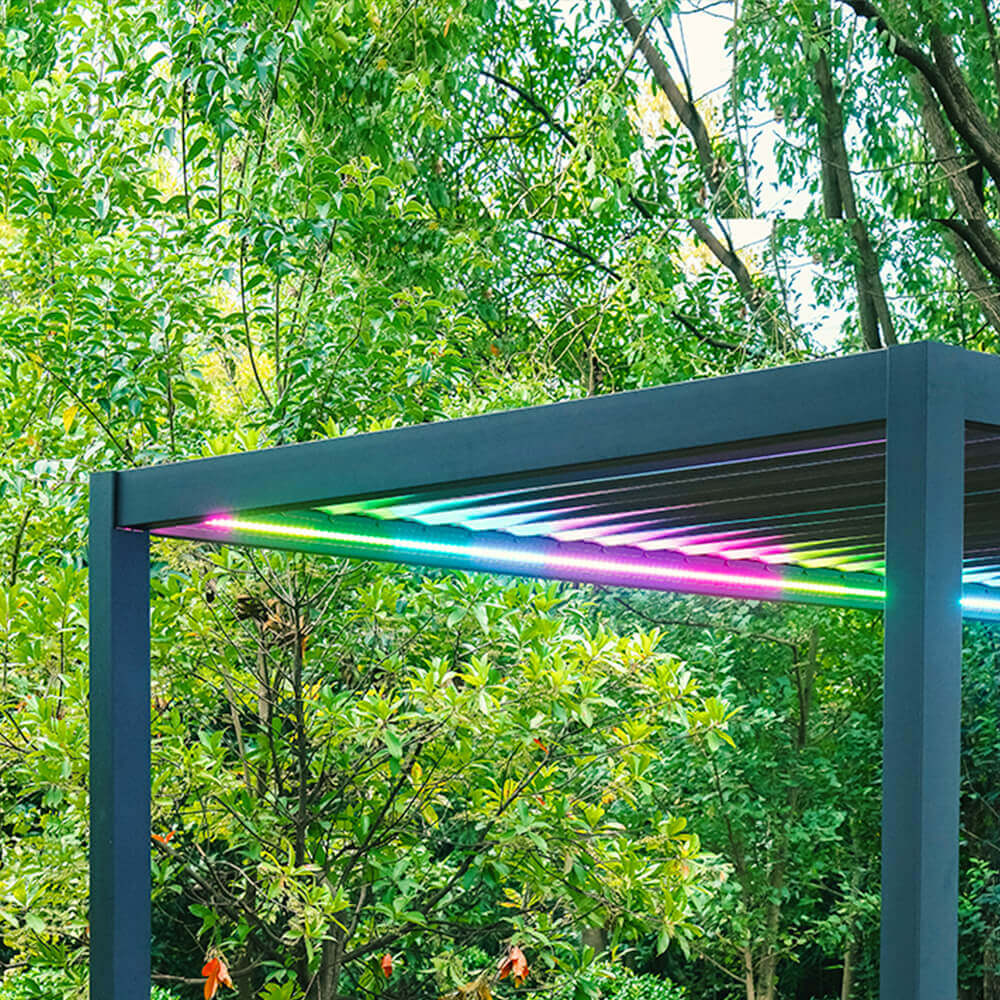
- Accessories such as privacy screens, doors, lighting, or power
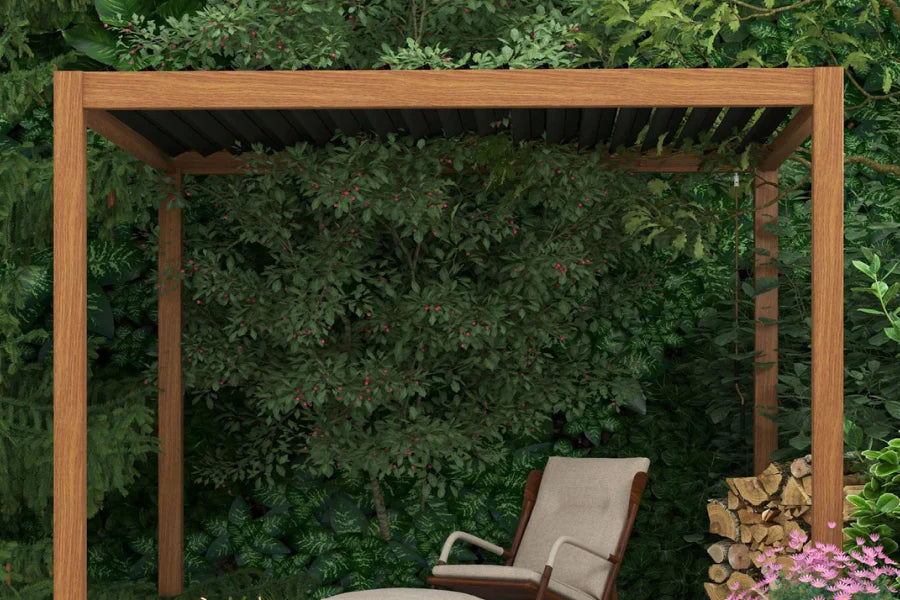
Mirador's lineup is best understood by product family rather than by one single model. The Mirador pergola comparison page organizes the range around common needs such as value, all-around louvered shade, premium manual control, powered operation, and wood-look styling. That makes it easier to compare by patio use instead of starting with one specific SKU.

Side-by-Side: Which Option Works Better?
|
Need |
Best Option |
Why |
|
Lowest upfront cost |
Canopy |
Usually the easiest way to add temporary shade |
|
Attached shade by a door or window |
Awning |
Mounts to the house and shades a compact area |
|
Constant freestanding roof |
Gazebo |
Gives a fixed roof over a defined seating or dining zone |
|
Permanent attached roof |
Patio cover |
Best for a porch-like extension of the home |
|
Adjustable sunlight and airflow |
Louvered pergola |
Louvers can open, close, or angle through the day |
|
Modern patio appearance |
Louvered pergola or patio cover |
Both can look architectural; louvers add more flexibility |
|
Flexible outdoor-room planning |
Louvered pergola |
Works well with privacy screens, doors, lighting, and power |
|
Occasional seasonal use |
Canopy or awning |
Lower commitment if the space is not used often |
Outdoor-Room Planning: Look Beyond the Roof
The roof is only part of the decision. A comfortable outdoor room also depends on side shade, privacy, glare control, lighting, airflow, and power.
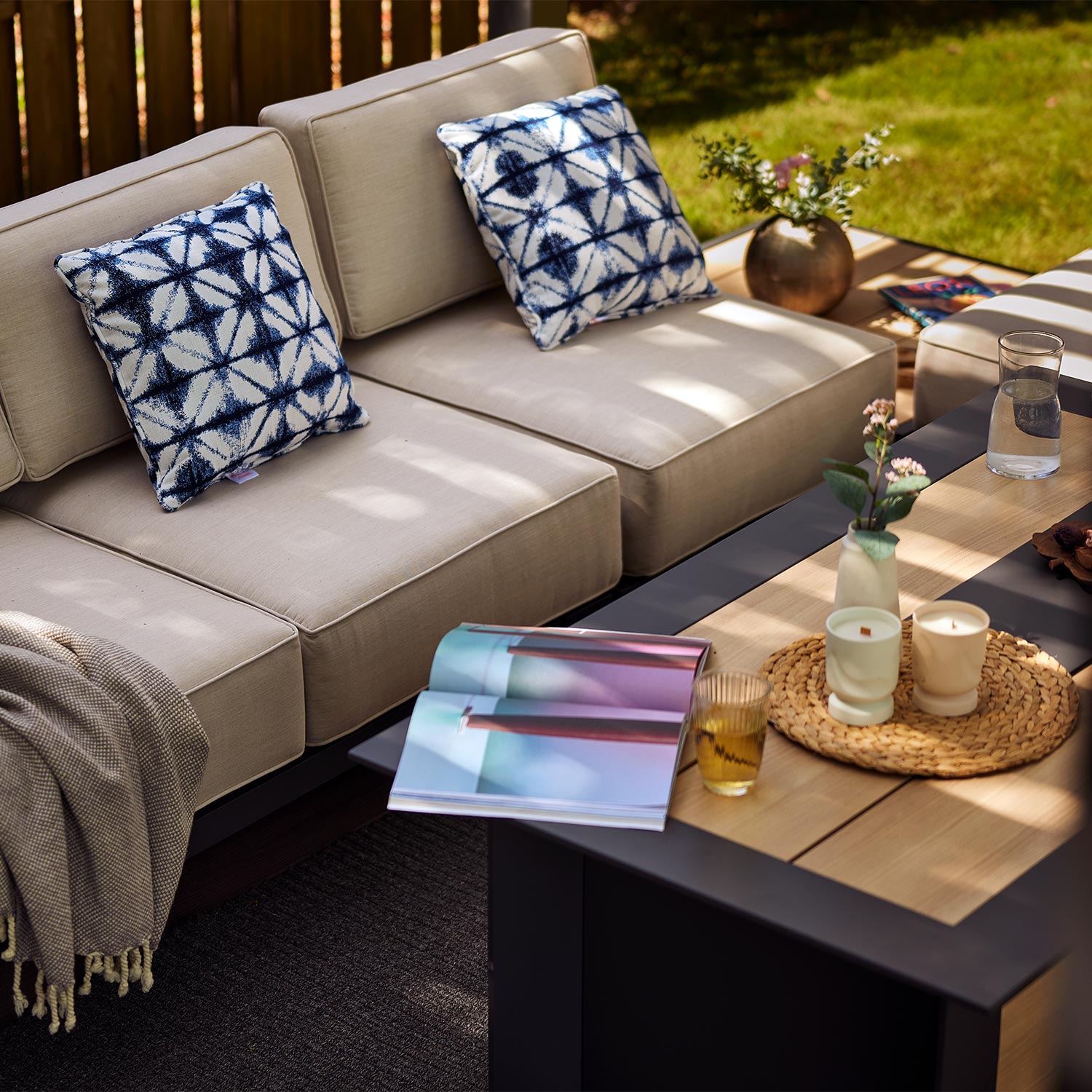
This is where a louvered pergola can become more than a shade structure. Mirador's accessory collection includes privacy and weather-focused additions such as pull-down screens, sliding doors, and other compatible outdoor-living upgrades. For many homeowners, the ability to build around the pergola over time is a major reason to choose it over a basic canopy or fixed gazebo.

Budget: What Are You Really Paying For?
A canopy may be the lowest-cost choice, but you are mostly paying for temporary shade. An awning costs more when retractable mechanisms, motors, and wall mounting are included. A gazebo can be affordable or premium depending on size, roof type, and material. A patio cover may become a larger home improvement project. A louvered pergola generally costs more than basic shade, but the extra budget buys roof control, aluminum structure, drainage, design value, and accessories.
Think of the budget in three layers:
- Short-term shade: canopy, fabric shade, simple awning
- Fixed coverage: gazebo, patio cover, hardtop structure
- Adjustable outdoor living: louvered pergola with accessories
The more often you use the patio, the more the third category starts to make sense.
Which Option Is Best for Your Patio?
- Choose an awning if your shade problem is directly next to the house and you want a compact attached solution.
- Choose a canopy if you need a low-cost, temporary, or flexible shade solution.
- Choose a gazebo if you want a freestanding fixed roof and a defined backyard destination.
- Choose a patio cover if you want a permanent roof extension attached to the house.
- Choose a louvered pergola if you want adjustable shade, modern design, airflow control, drainage, and the ability to build a more complete outdoor room over time.

Bottom Line
Pergola alternatives are not interchangeable. A canopy solves a short-term shade problem. An awning shades a compact area near the house. A gazebo creates a fixed freestanding destination. A patio cover builds a permanent attached roof. A louvered pergola gives you the most flexible balance of shade, airflow, openness, and outdoor-room planning.
For many modern patios, the best long-term choice is a Mirador louvered pergola because it can adapt throughout the day instead of locking the patio into one fixed shade condition. If the goal is a space for dining, lounging, hosting, or relaxing more often, adjustable louvers are usually worth comparing before settling for a simpler cover.
FAQ
What is the best alternative to a pergola?
The best alternative depends on your goal. Choose an awning for attached shade, a canopy for temporary shade, a gazebo for a fixed freestanding roof, a patio cover for a permanent attached roof, or a louvered pergola for adjustable outdoor living.
What is the most flexible outdoor shade structure?
A louvered pergola is usually the most flexible because the roof slats can open, close, or angle to control sun, shade, airflow, and overhead coverage.
Which pergola alternative is best for rain?
For constant fixed coverage, a patio cover or hardtop gazebo can work well. For adjustable rain and sun control, a louvered pergola with integrated drainage is the more flexible option.
Which option is best for a modern backyard?
A louvered aluminum pergola is often the best fit for a modern backyard because it combines clean design, adjustable roof control, drainage, and accessory options for privacy, shade, lighting, and power.