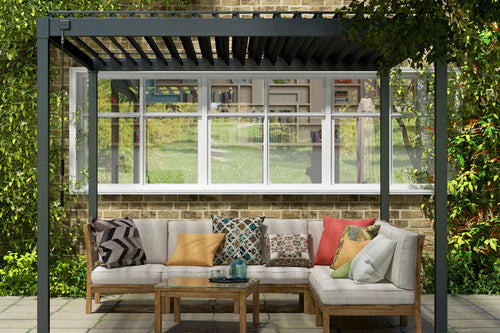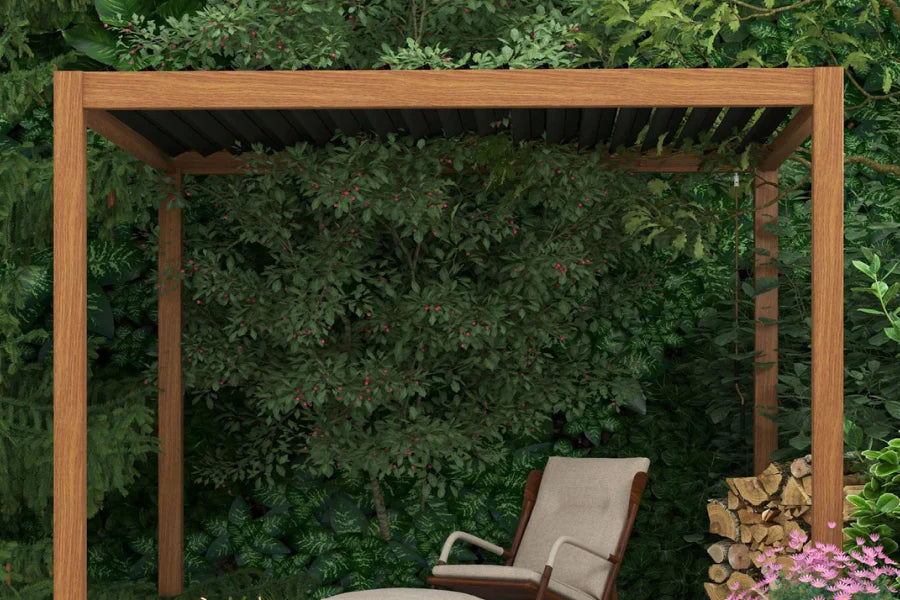

Trying to figure out the difference between an arbor and a pergola? It comes down to size and how you plan to use your yard.
Arbors are compact structures that support climbing plants and mark entrances. Pergolas are larger open-air features built for outdoor dining and entertaining. Let's look at how both options compare so you can pick the perfect fit for your space.
Quick Answer: Arbor vs Pergola
A backyard arbor is usually narrow, decorative, and closely tied to a path or plants. A backyard pergola is usually wider, supported by multiple posts, and planned around usable floor space. It may stand alone or connect to a home. Traditional versions have open beams. Modern versions may use adjustable louvers for more shade control.
The names are not perfectly rigid. The UF/IFAS Extension garden structure guide describes pergolas as open lattice structures that can cover walkways or terraces, while other university sources call an arbor a smaller or less extensive pergola. Focus on how the structure works in your yard.
What Is an Arbor?
An arbor is a small, open garden structure that usually frames a path, gate, or transition. Many have lattice sides and a curved or gently peaked top. Wood and metal are common. Climbing roses, clematis, honeysuckle, or grapevines can turn the frame into a leafy threshold.
Best Uses for a Backyard Arbor
Use an arbor to signal, “the garden begins here.” It can soften a fence opening, guide visitors toward a patio, frame a view, or add height to a flat planting bed. A wider model may shelter a small bench. It is a strong choice when you want charm and vertical interest without giving up much ground space.
What an Arbor Cannot Replace
An arbor is rarely large enough for a full dining or lounge setup. Its light roof also offers little dependable protection from rain. Shade improves after vines fill in, but that takes time and changes by season. If your real goal is an outdoor room, starting with an arbor usually leads to a second project later.
What Is a Pergola?
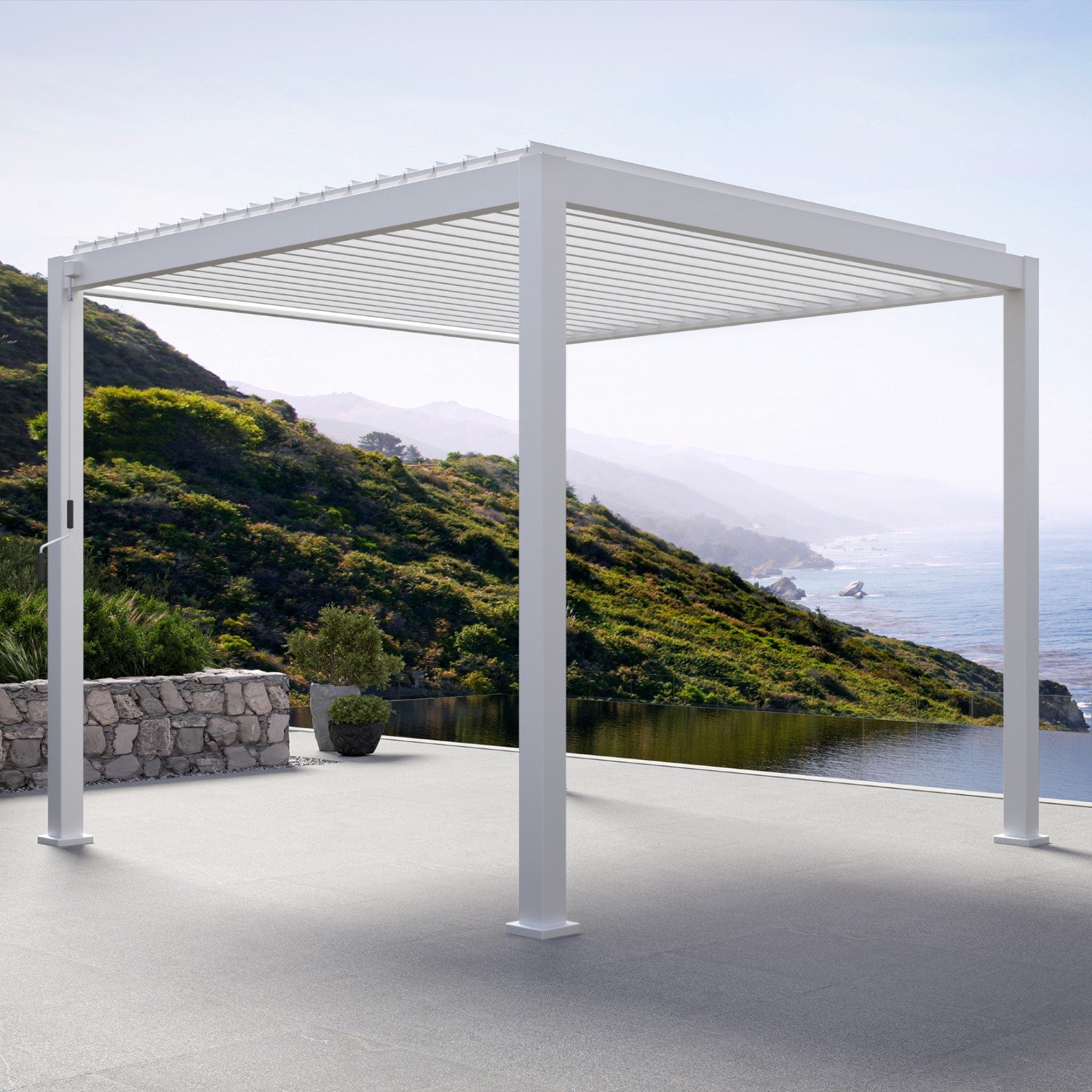
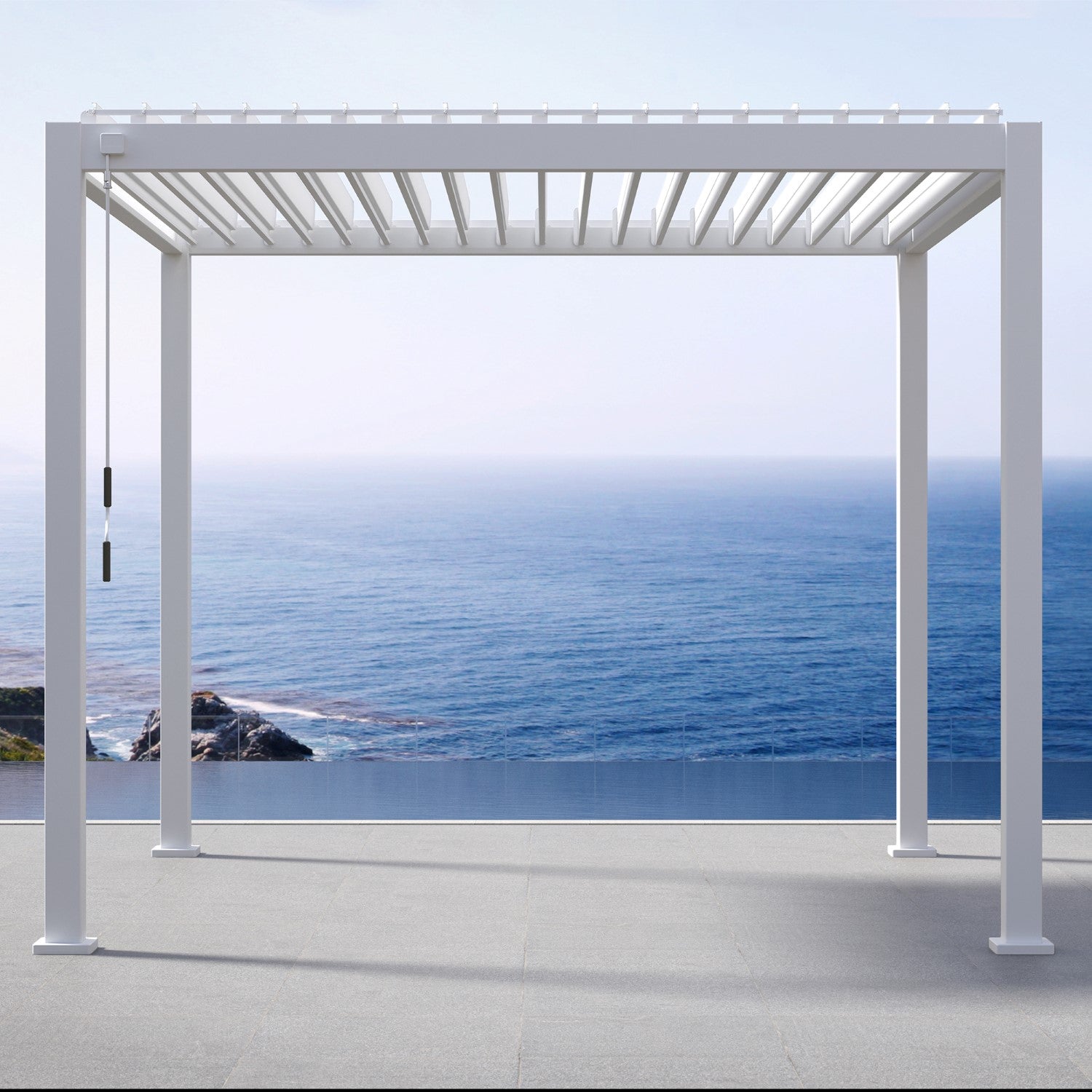
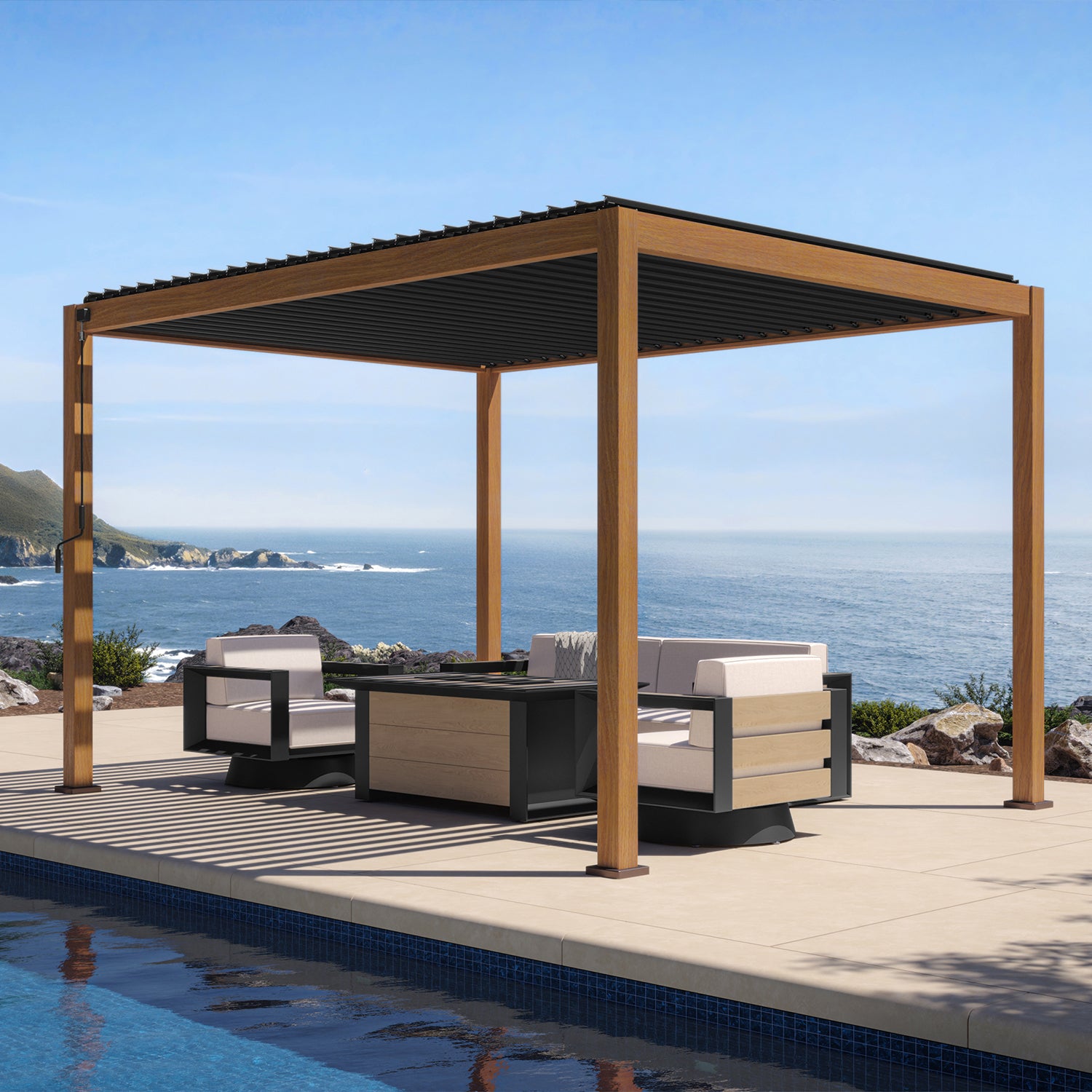
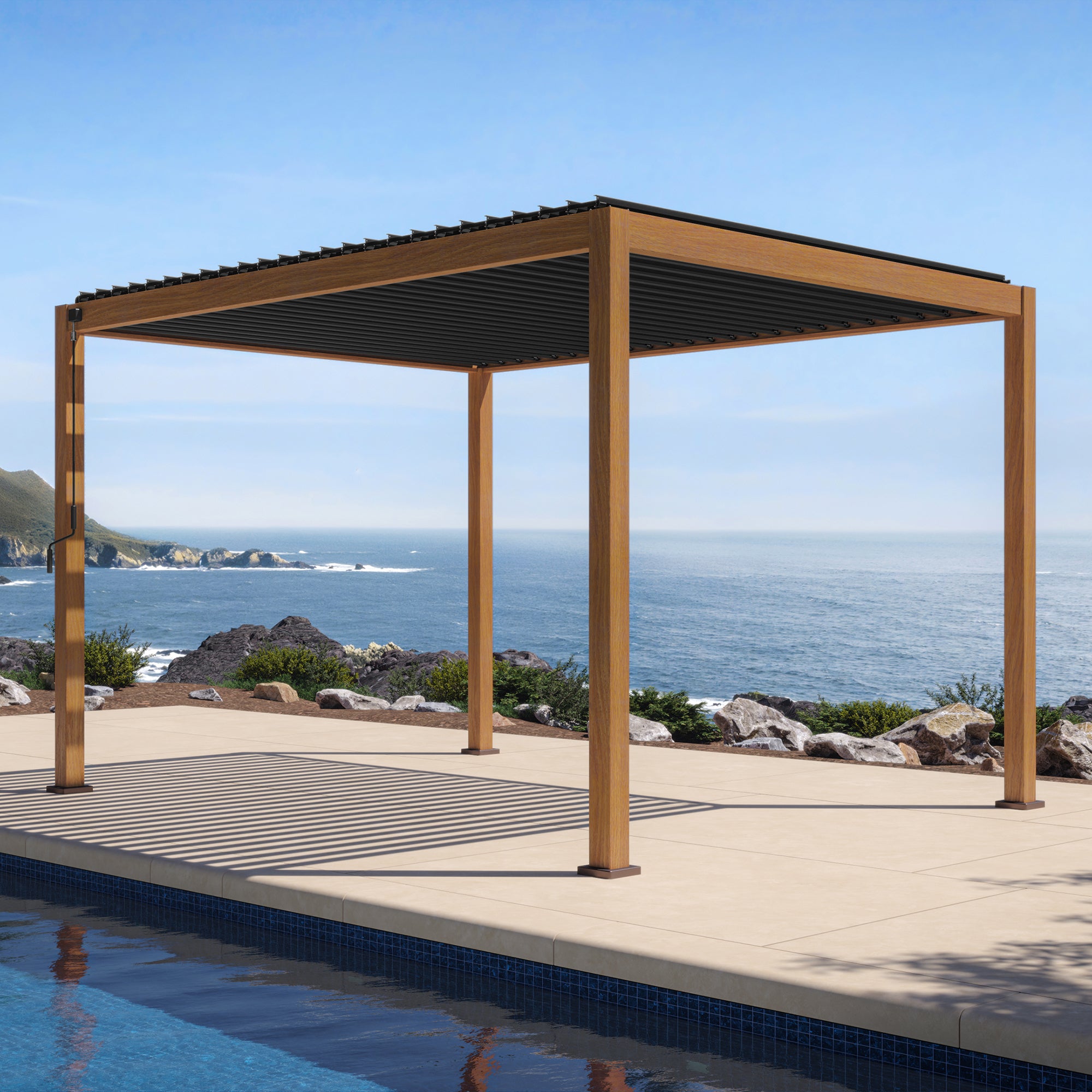
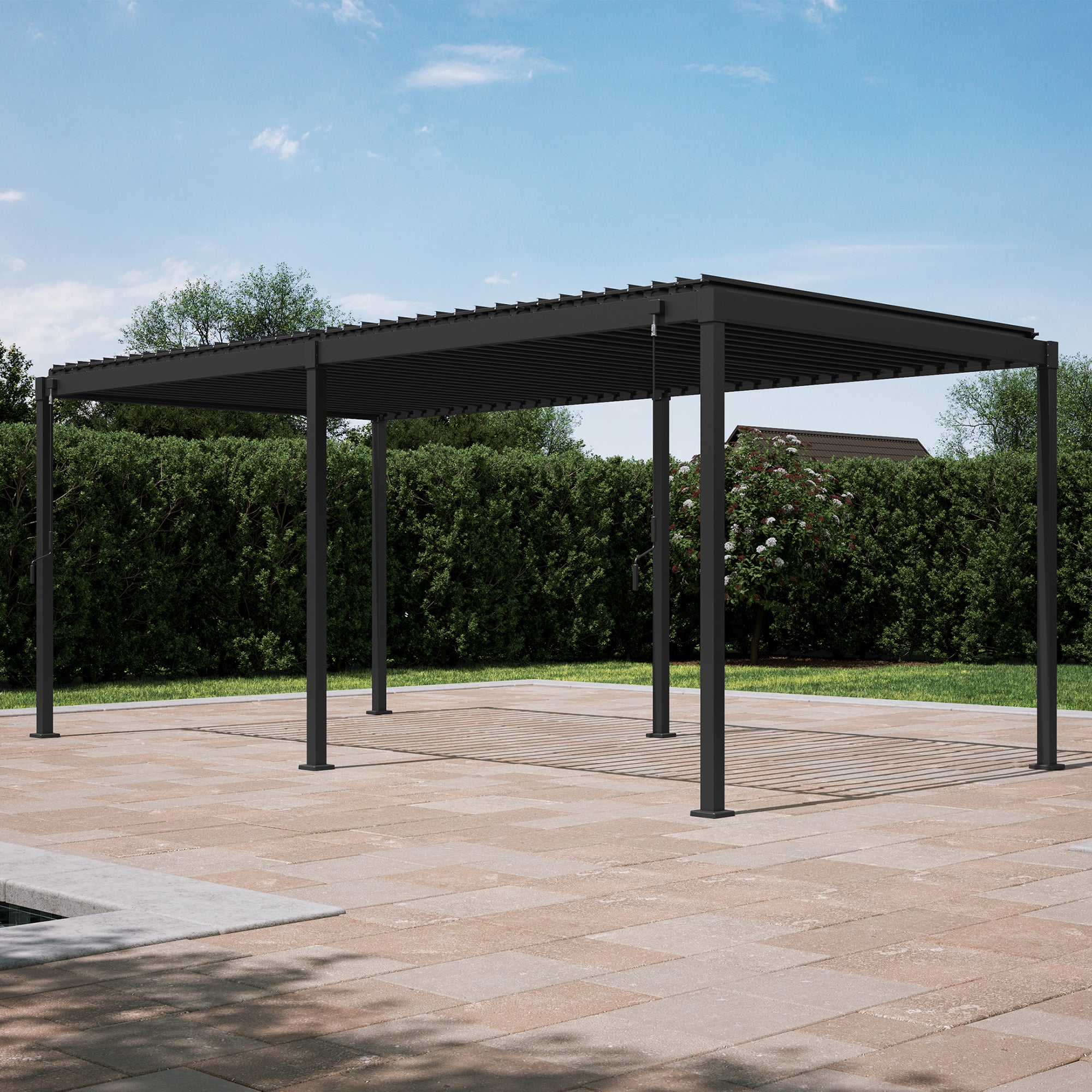
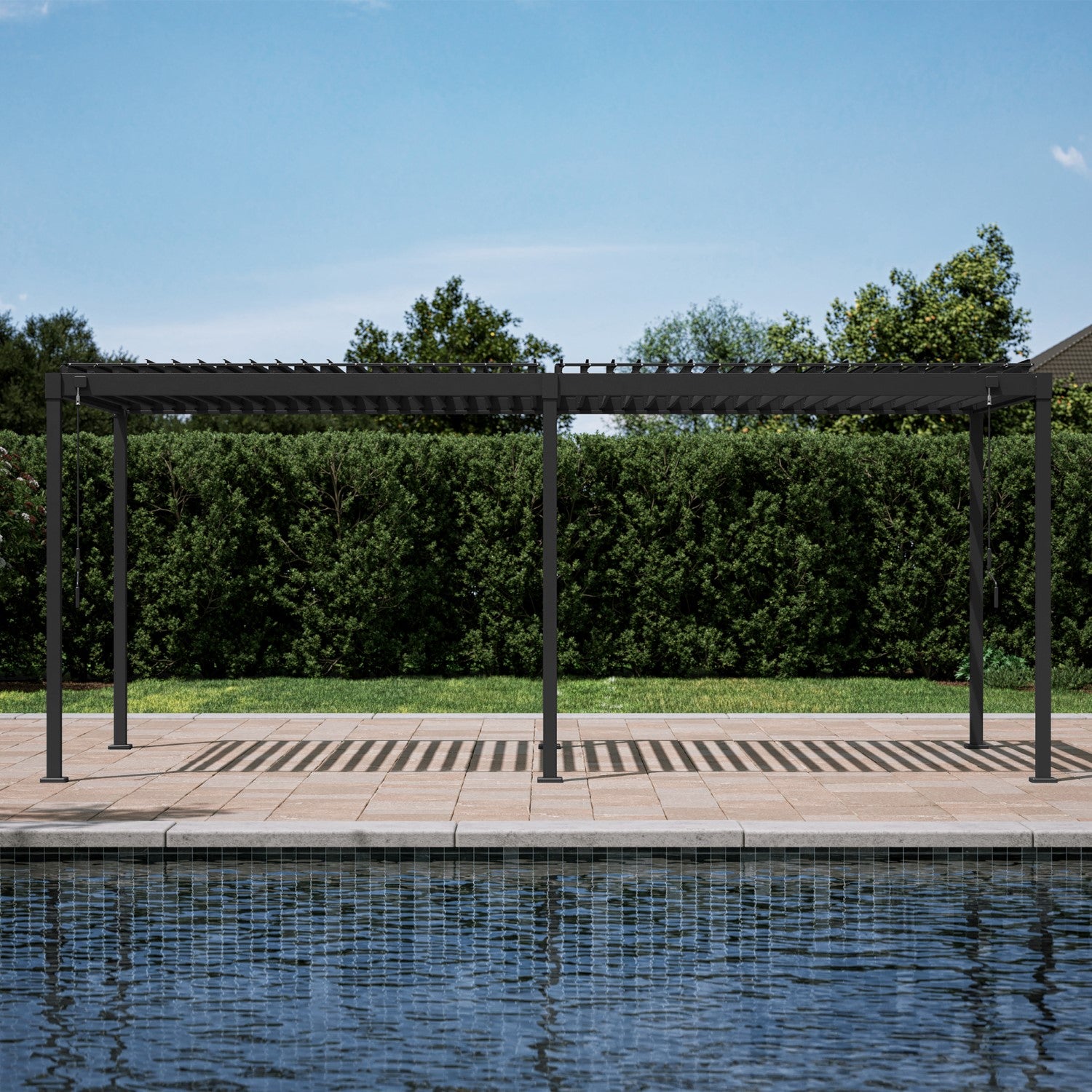
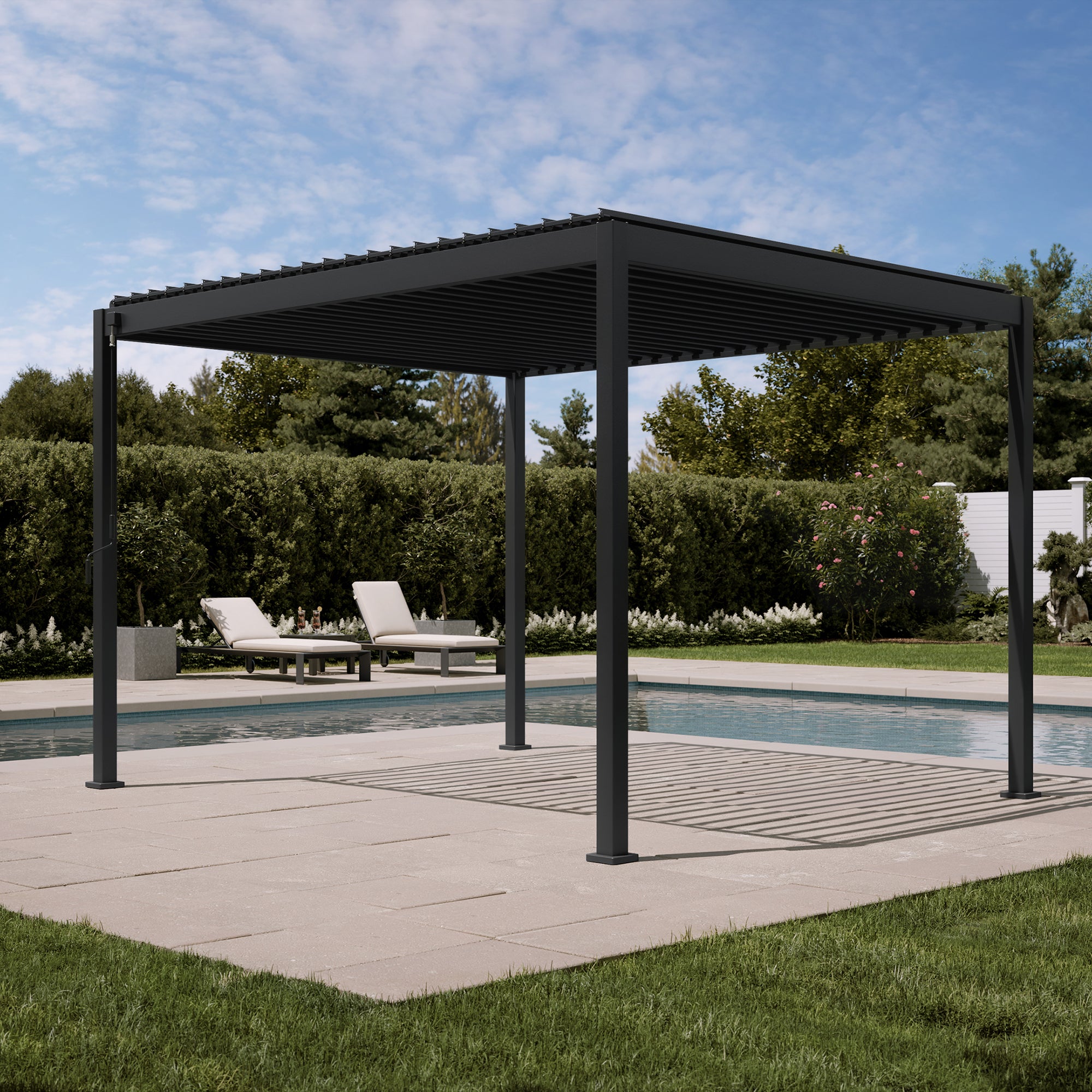
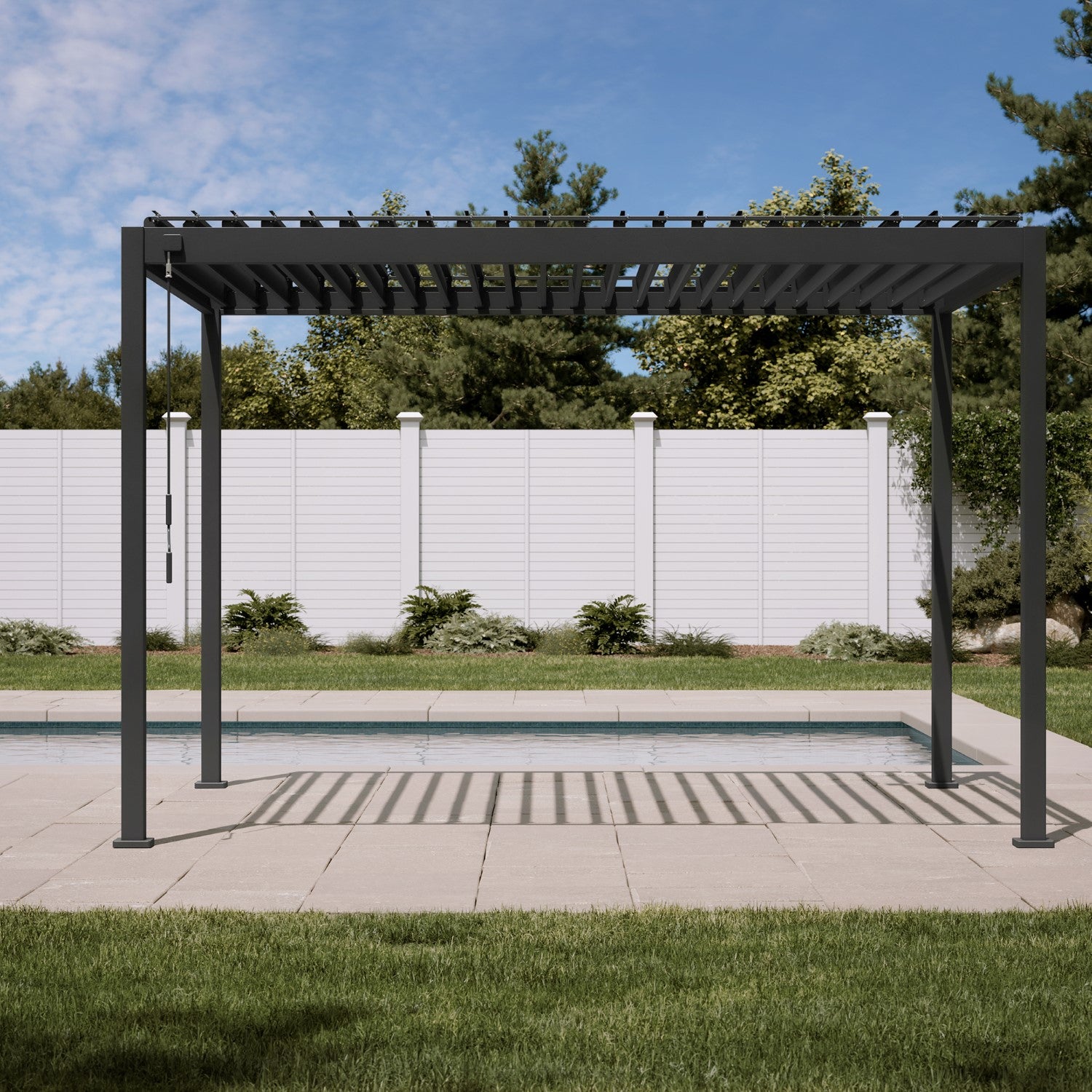
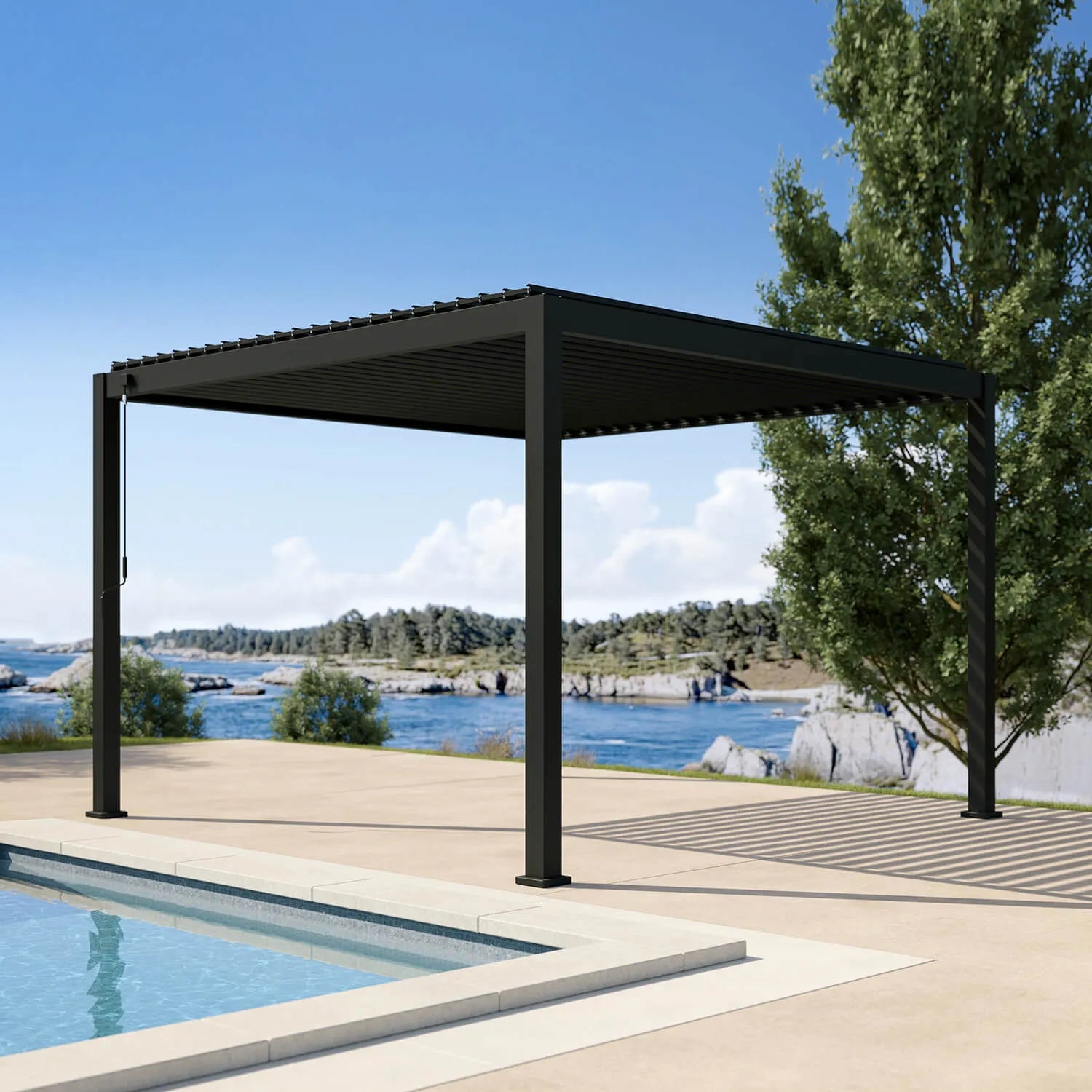
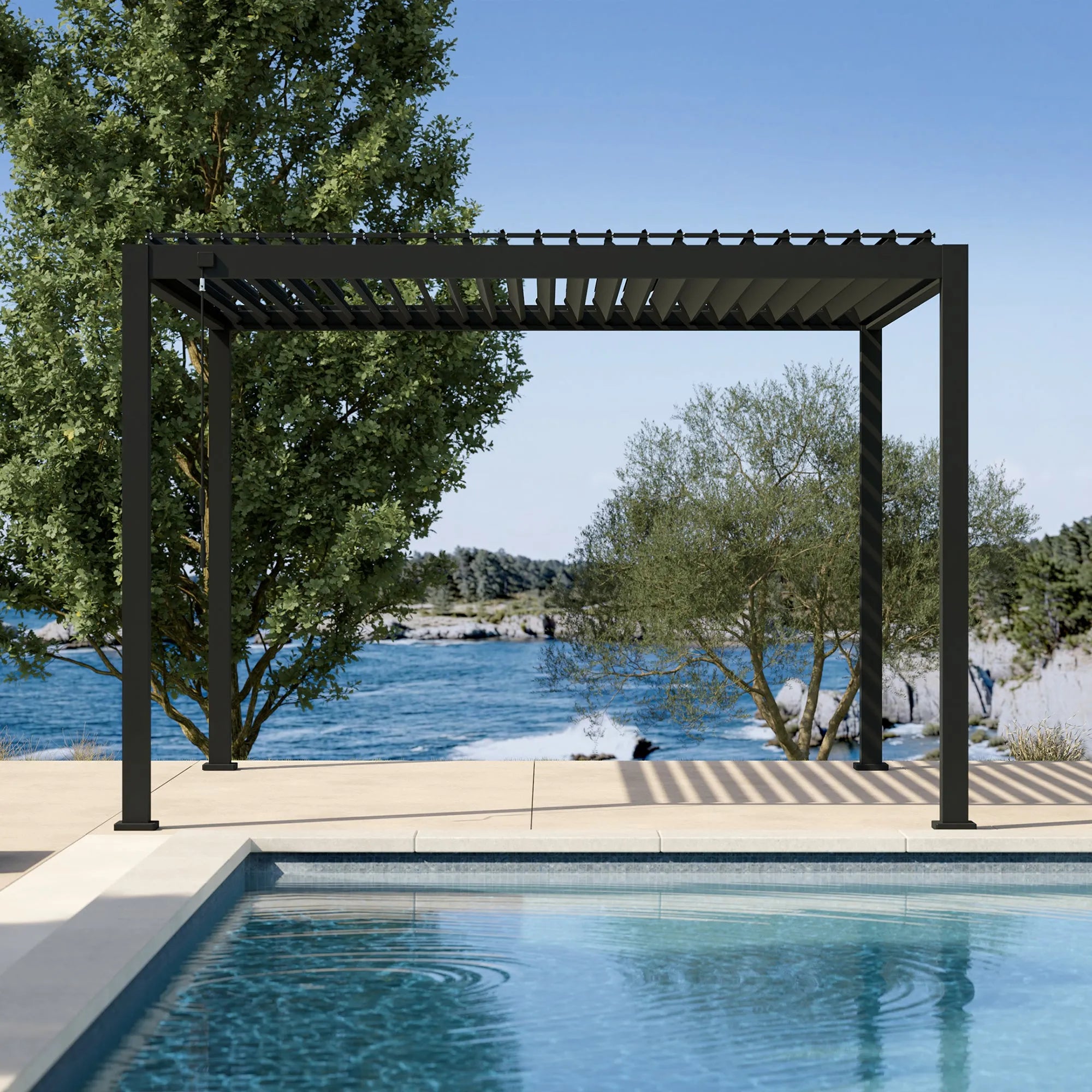
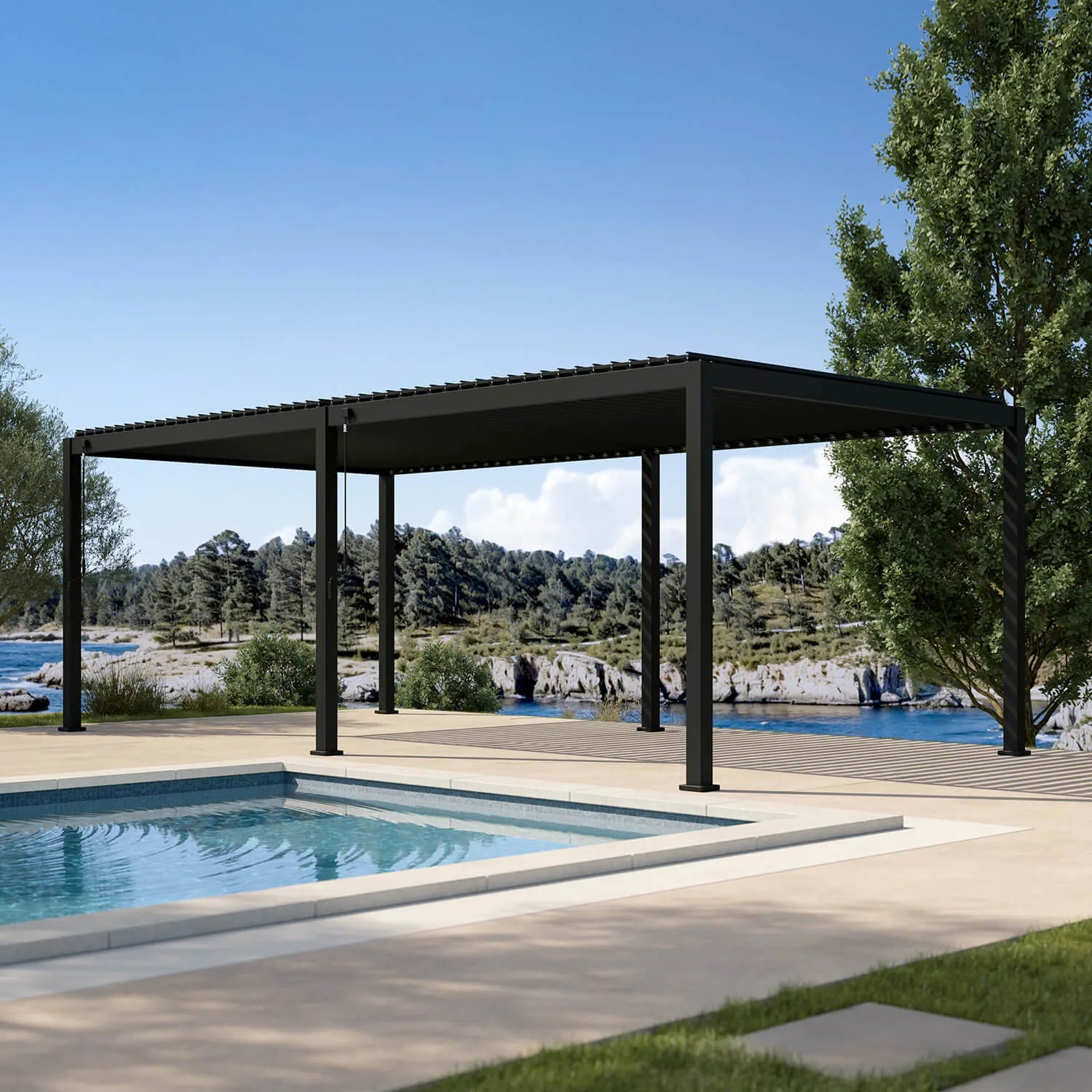
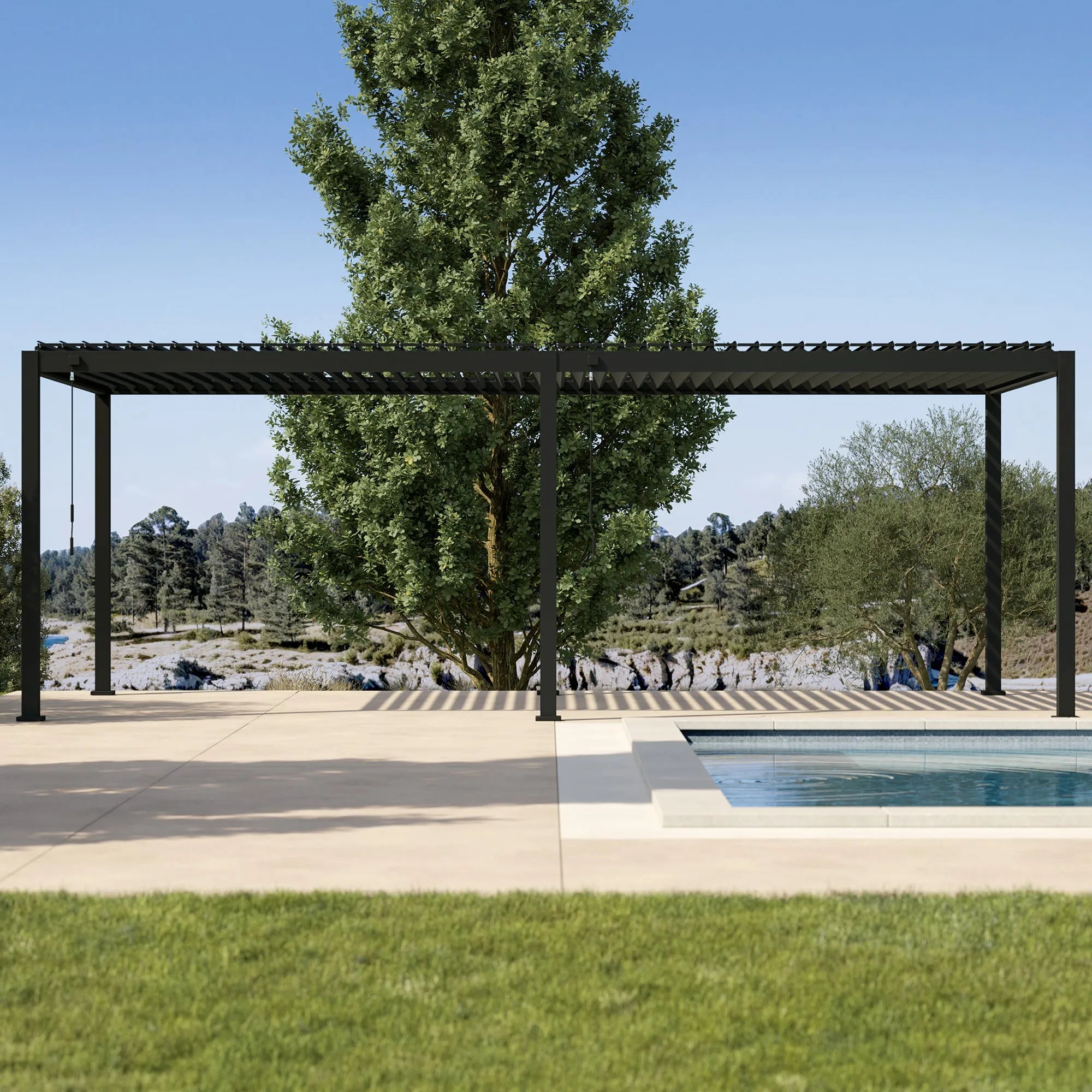
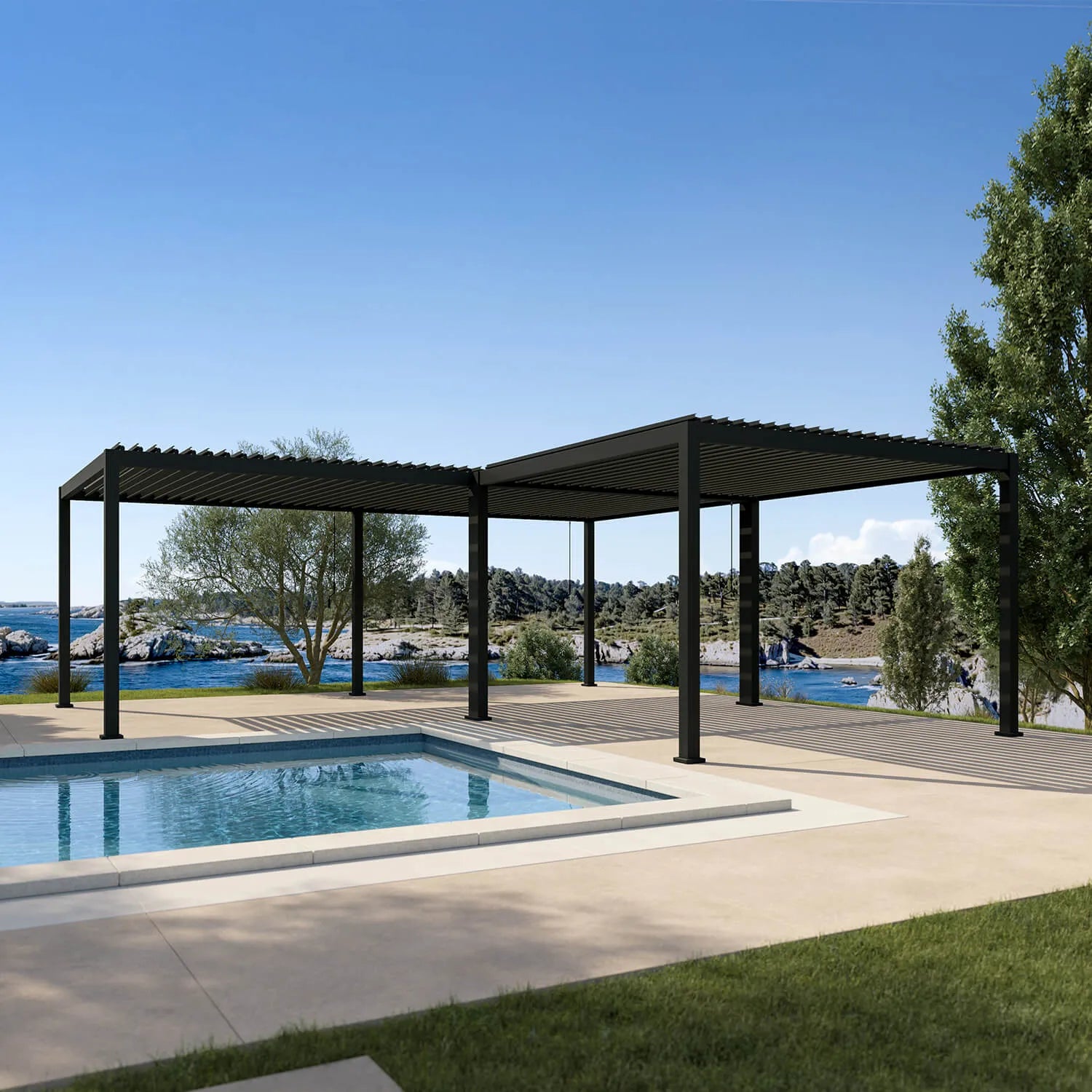
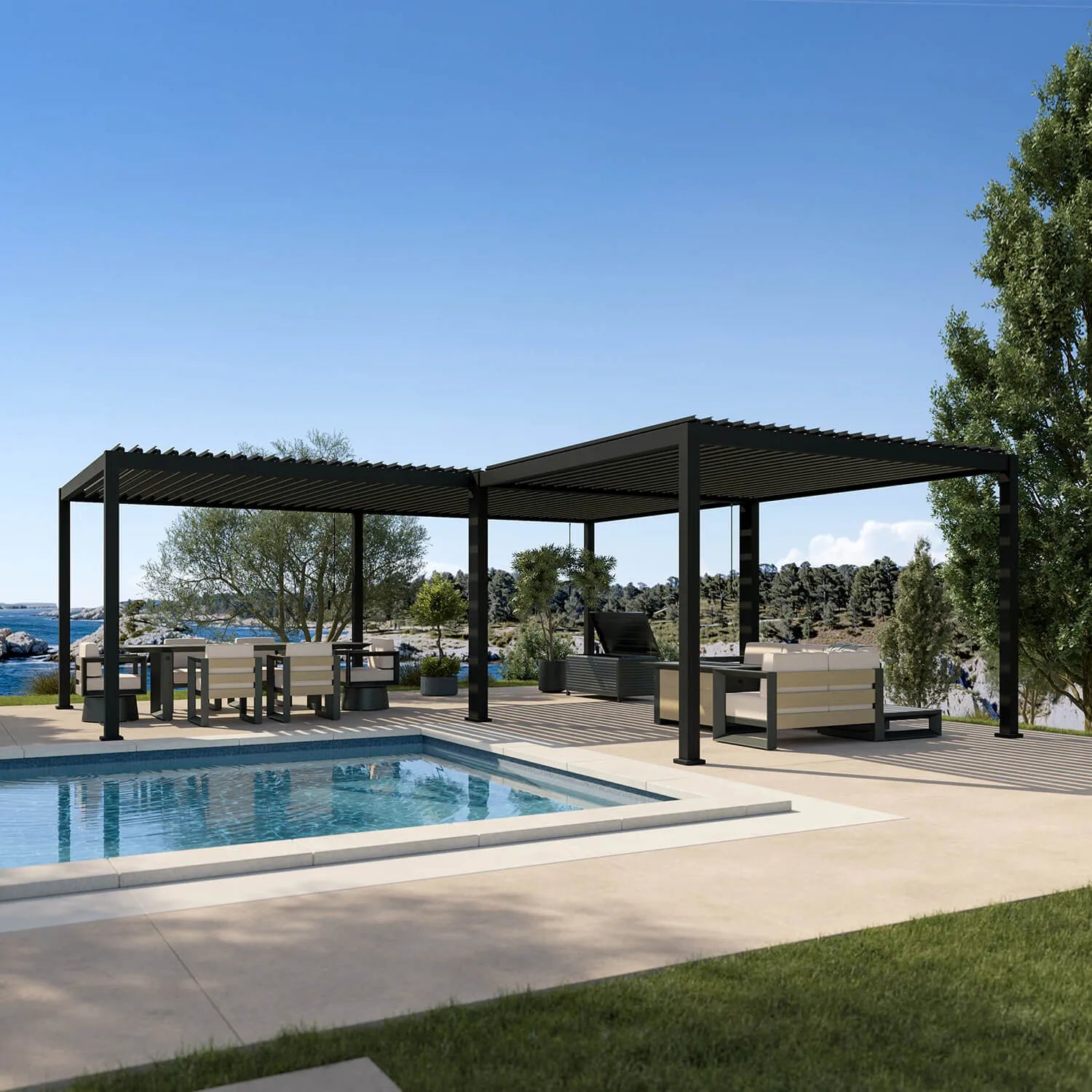
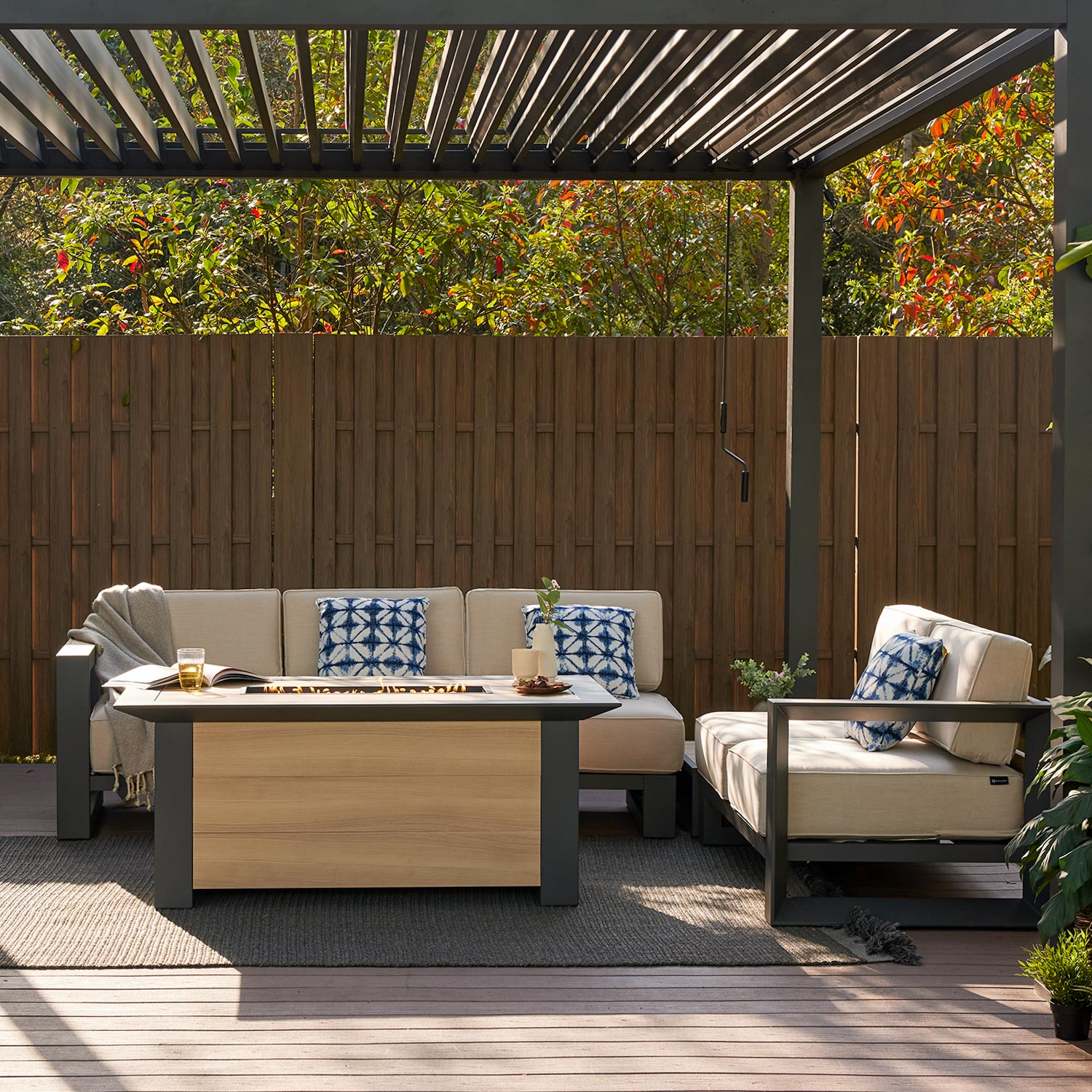
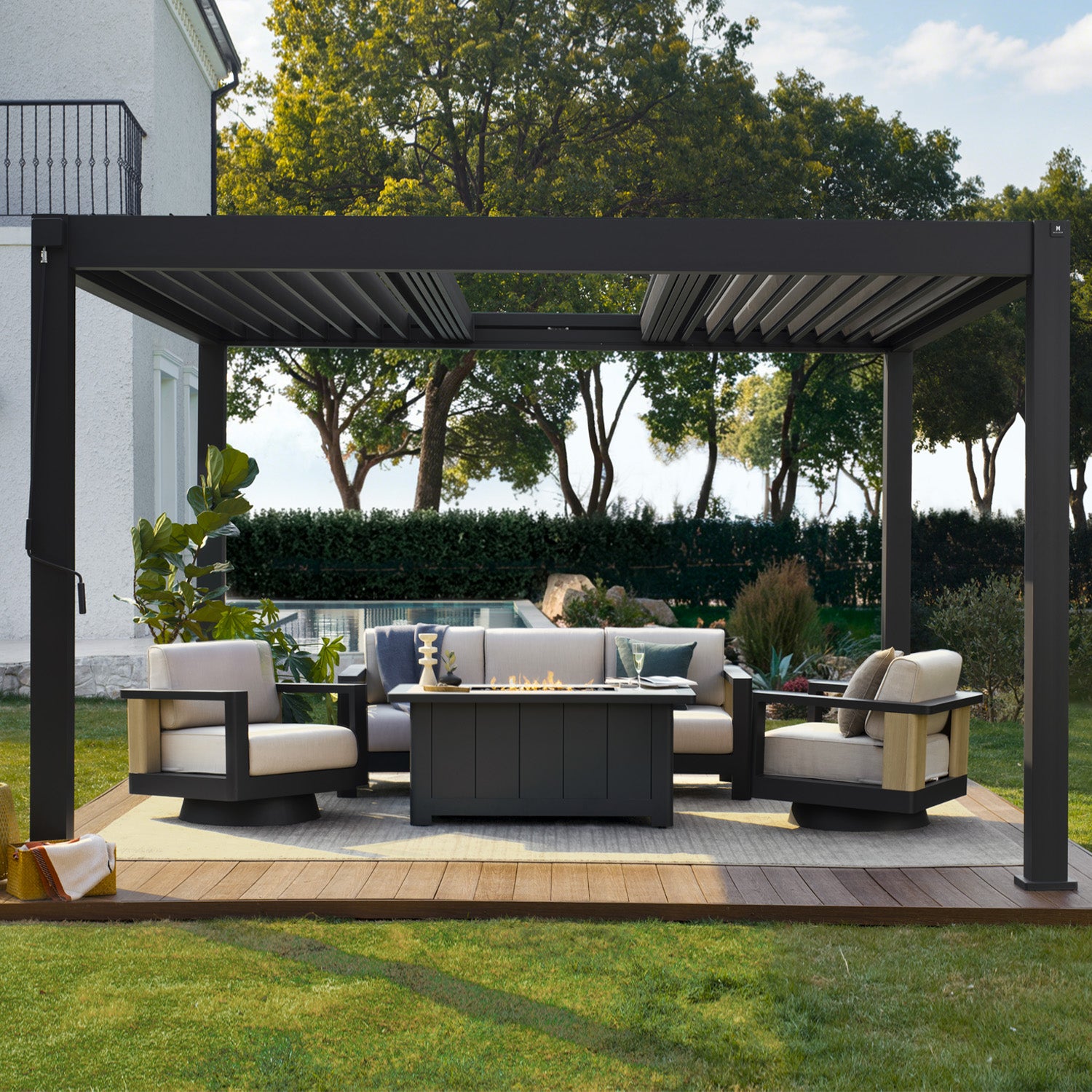
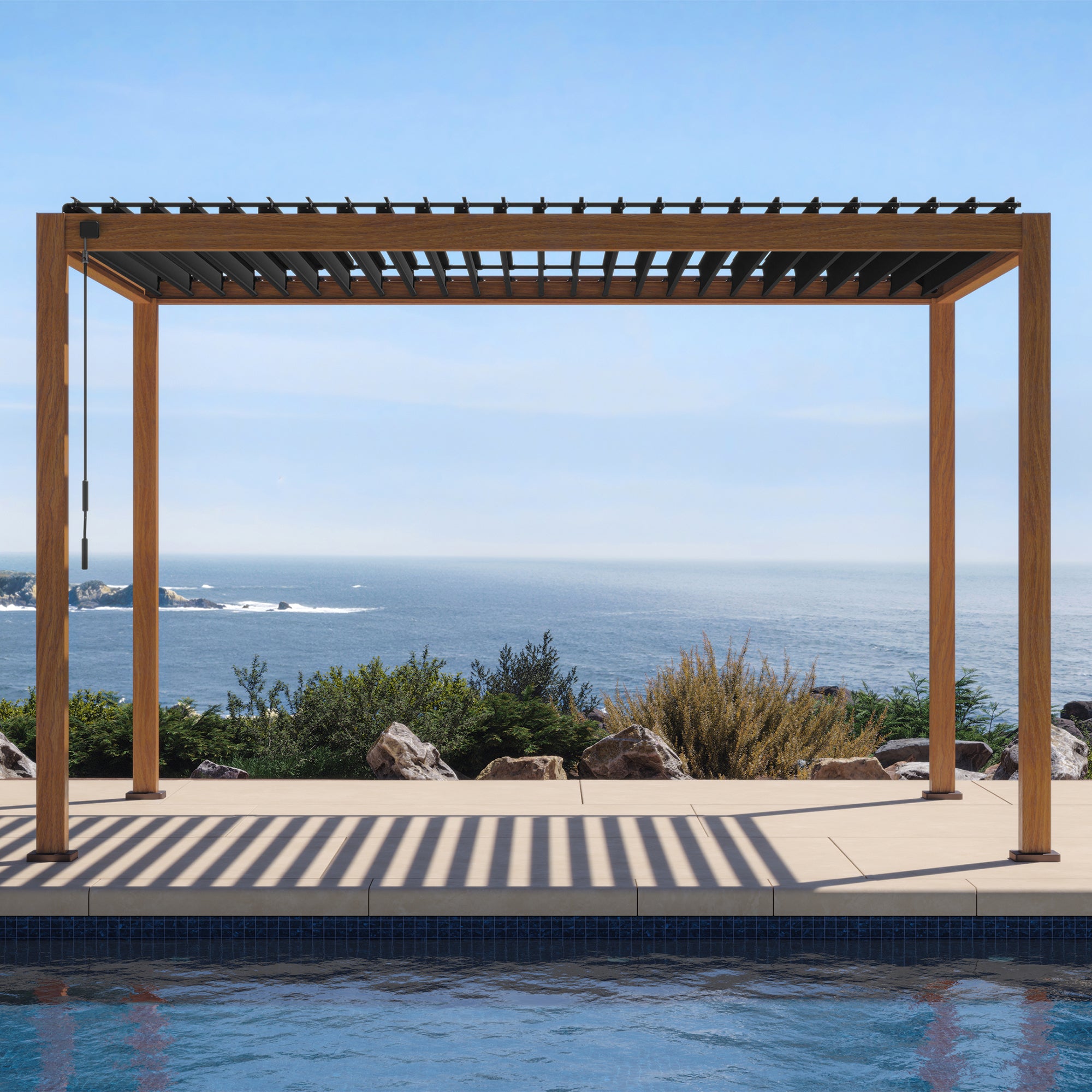
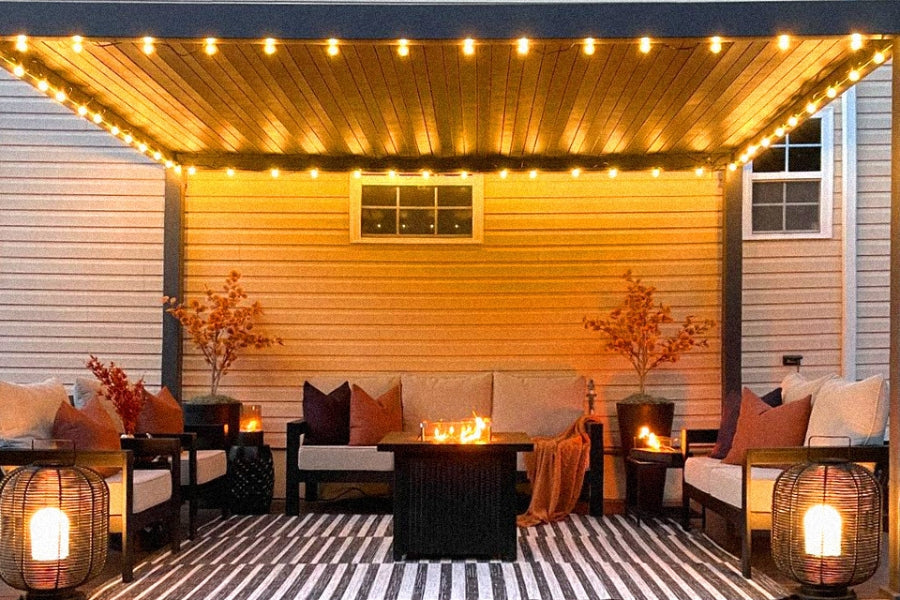
If you are asking what a pergola is, picture posts supporting overhead beams, rafters, slats, or louvers. The structure defines an area while keeping the sides mostly open. A pergola for backyard use can cover a dining table, sofa group, hot tub zone, poolside lounge, or outdoor kitchen plan.

Traditional Open-Roof Pergolas
A traditional pergola uses spaced beams or lattice overhead. It adds rhythm, filtered light, and a clear sense of place. Vines or fabric can increase shade, but the roof is still open. This style suits homeowners who value a light garden feel and do not need reliable rain coverage.
Modern Louvered Pergolas
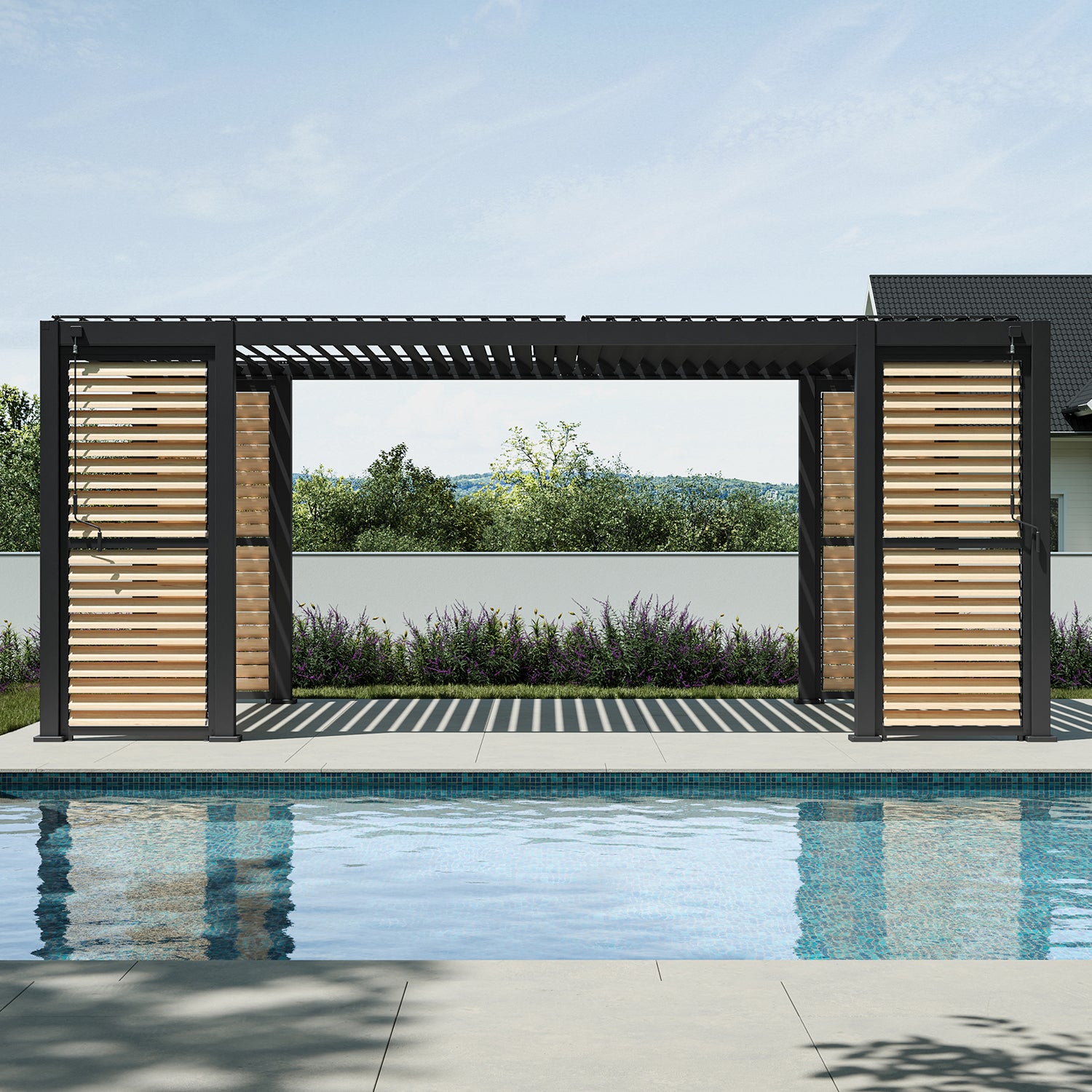
A louvered roof changes the experience. The slats open for light and airflow, then close for more overhead coverage. Mirador's pergola comparison explains how its adjustable louvers and integrated drainage support sun and light-rain management. Wind-driven rain can still enter the open sides, so it is an outdoor structure, not a sealed room.
Arbor vs Pergola Comparison Table
|
Feature |
Arbor |
Pergola |
|
Main purpose |
Frame an entrance, path, view, or climbing plants |
Create a usable outdoor zone for dining, lounging, or entertaining |
|
Typical scale |
Compact and narrow |
Wider footprint with room beneath the structure |
|
Best placement |
Garden gate, walkway, transition, or small bench |
Patio, deck, poolside area, or freestanding backyard zone |
|
Overhead design |
Often arched or lightly latticed |
Usually beams, rafters, slats, or adjustable louvers |
|
Furniture capacity |
Usually passage space or one small seat |
Often sized for a dining or lounge arrangement |
|
Plant support |
A common primary use |
Optional and dependent on material and maintenance plans |
|
Shade and rain |
Light shade after plants mature; little rain control |
Partial shade, or more control with a louvered roof |
|
Project scope |
Smaller structure with a lighter visual footprint |
Larger structure that needs careful siting, anchoring, and code review |
4 Questions to Ask Before You Buy an Arbor or Pergola
1. Start With the Job
Write one sentence before shopping. “I want to frame the side gate with roses” points to an arbor. “I want six people to eat outside at noon” points to a pergola. When the job is clear, decorative details stop driving the whole decision.
2. Measure Paths, Furniture, and Plants
For an arbor, measure the clear opening, mature plant width, and space for pruning. For a pergola, mark the post locations and full roof footprint. Add the real furniture, chair pullout, door swings, grill zones, and walking paths. Also check utilities, drainage, property lines, and access for delivery.
3. Compare Shade and Weather Control
Choose based on the comfort problem you actually have. An arbor gives dappled shade once plants mature. An open-roof pergola creates partial shade immediately. A louvered backyard pergola offers more control, but no open-sided structure blocks every low sun angle, gust, or sideways shower.
4. Consider Installation and Maintenance
A small arbor may be a lighter project, but it still needs stable placement and materials suited to soil contact and plant moisture. A pergola has more parts, loads, anchoring, and site questions. Review the manual, local rules, utility marking, and homeowner association requirements before ordering. Plan future cleaning and vine pruning too.

Can You Use an Arbor and Pergola Together?
Yes. The two structures can tell a simple story through the yard. Place an arbor at the garden entrance, then let the path lead to a pergola-covered patio. Repeat one color, material, or plant family so they feel related. Keep the arbor visually light, and give the pergola enough breathing room to remain the main destination.
Arbor vs Pergola: How to Choose
- Choose the arbor if your happiest picture is a flower-covered entrance.
- Choose the pergola if it is a table, sofa, or gathering spot people can settle into.
When a pergola is the better fit, compare current sizes and roof options in the Mirador pergola collection and check the latest manuals in the Mirador support center before finalizing the site.
FAQs
What is the main arbor vs pergola difference?
An arbor is usually a compact garden gateway or plant support. A pergola is generally larger and creates usable space beneath it. The terms have overlapped historically, so judge the actual footprint, roof, structure, and intended use rather than the product name alone.
Can an arbor provide shade?
Yes, but usually in a small area. The frame provides limited shade on its own. Vines can add more as they mature, though the result changes with the season and plant density. An arbor is not a dependable rain shelter.
Is a pergola good for a small backyard?
It can be. Choose a footprint that fits one clear activity, then mark it on the ground with the real furniture included. Keep doors, gates, drainage, utilities, and walking paths open. A compact pergola should make the yard easier to use, not harder to cross.
Can climbing plants grow on a pergola?
Often, yes. First confirm that the structure and finish can support the chosen plant. Consider mature weight, pruning, sap, trapped moisture, and access to roof parts or gutters. Aggressive vines may need a separate trellis beside a modern louvered pergola.
Do arbors and pergolas need permits?
Rules depend on location, size, height, attachment, footings, utilities, setbacks, and homeowner association requirements. A small decorative arbor may face fewer rules than a large attached pergola, but never assume. Check local requirements before buying or digging.