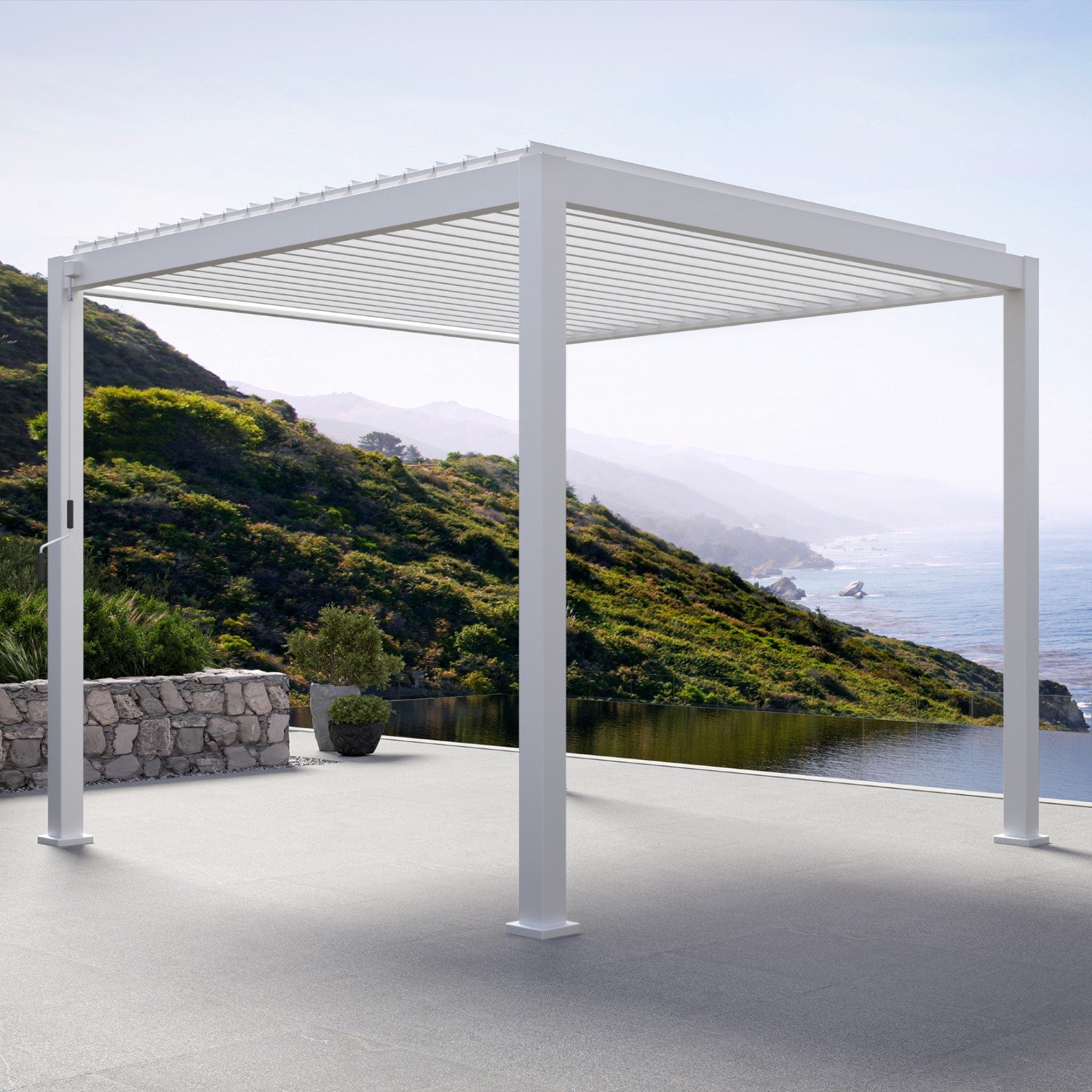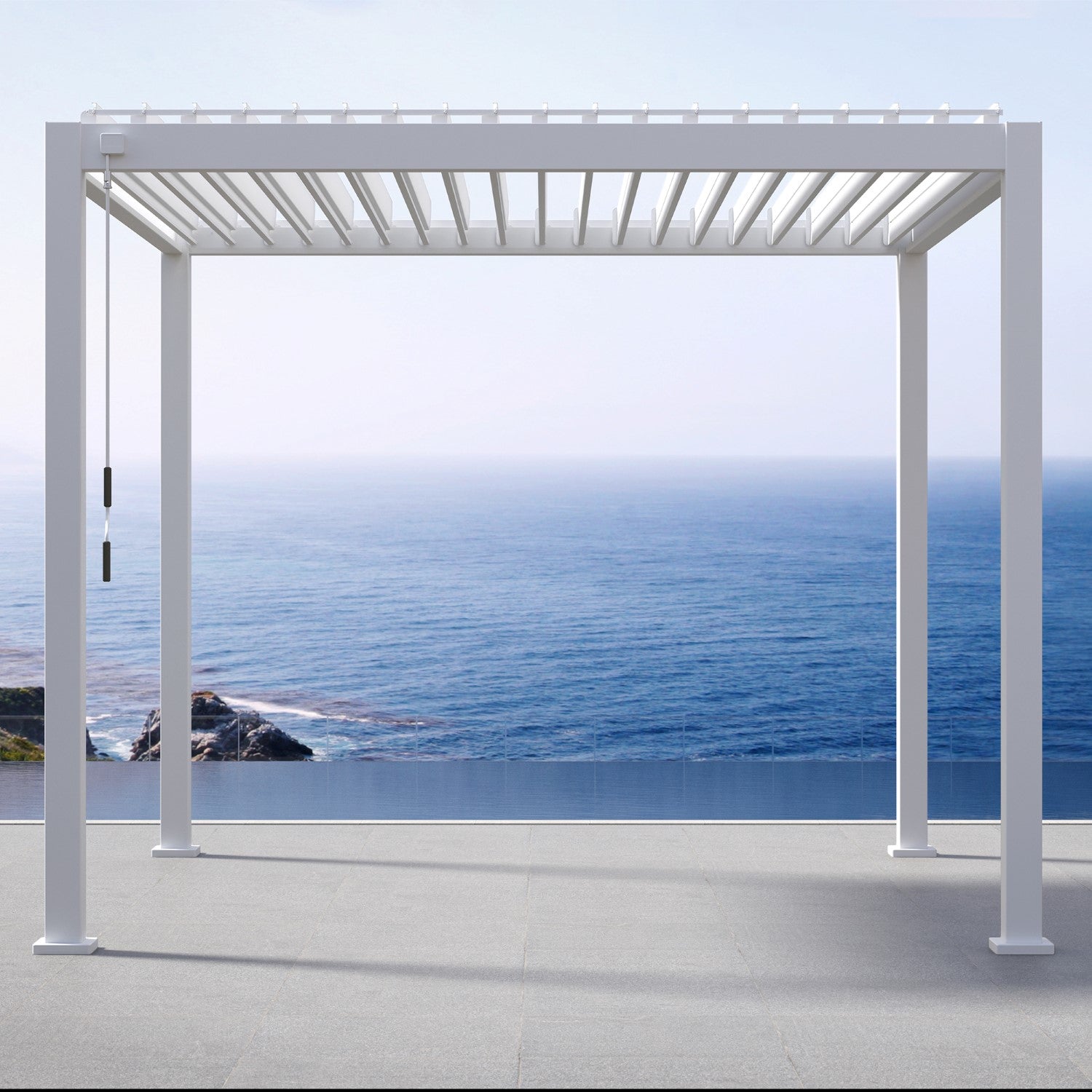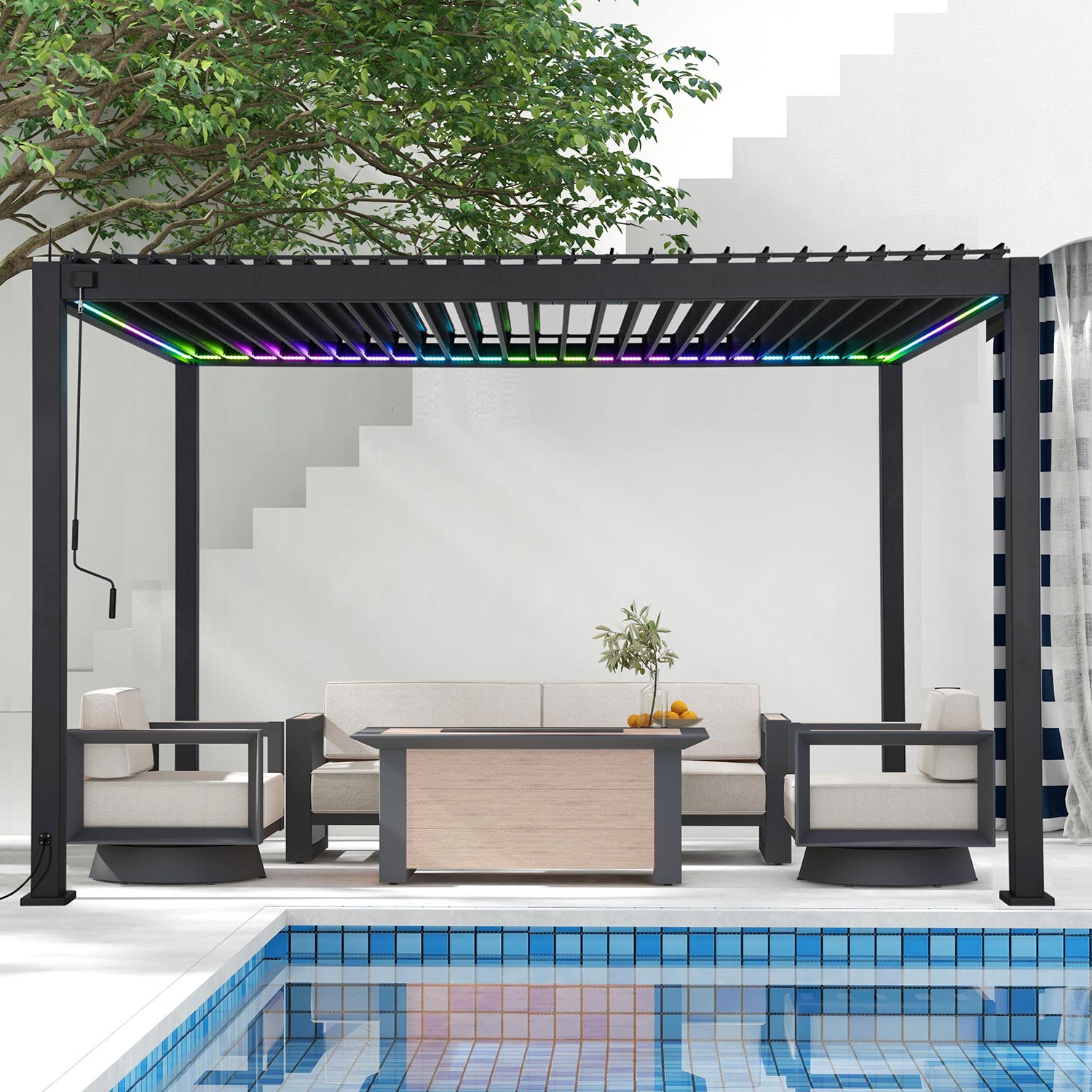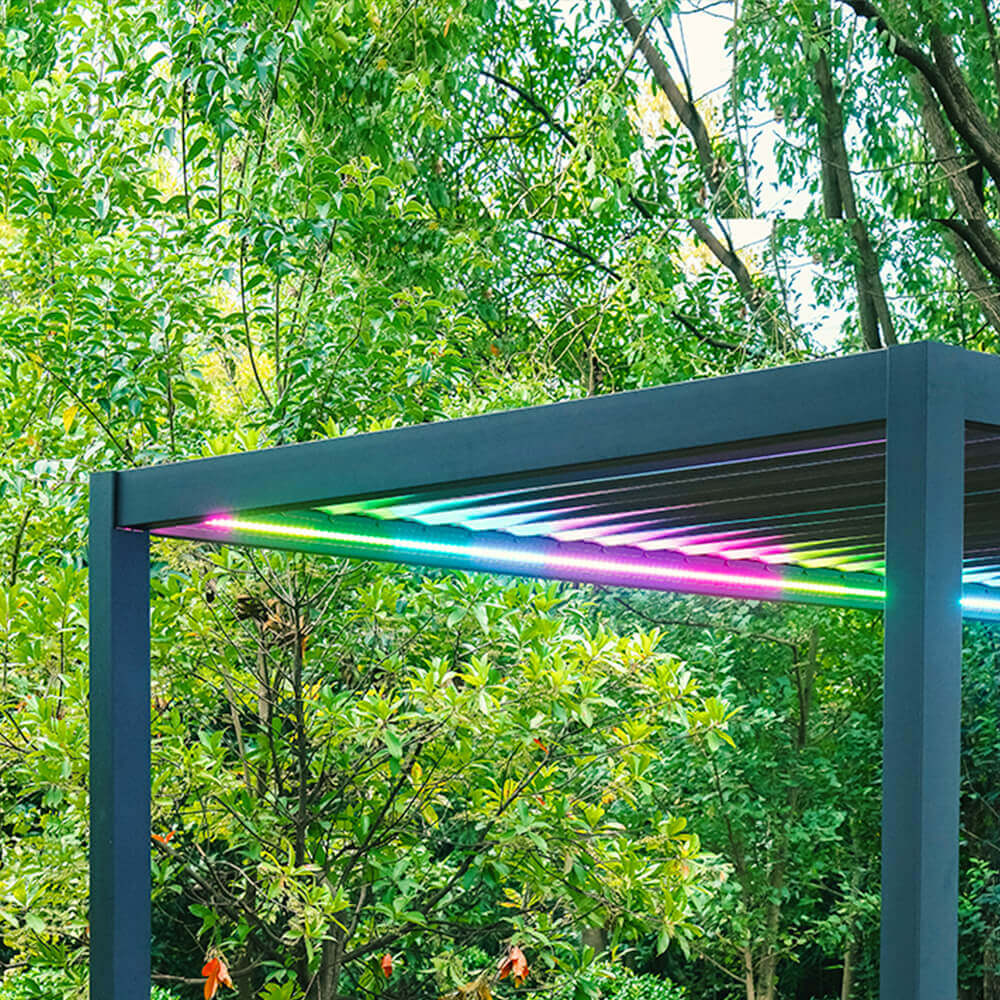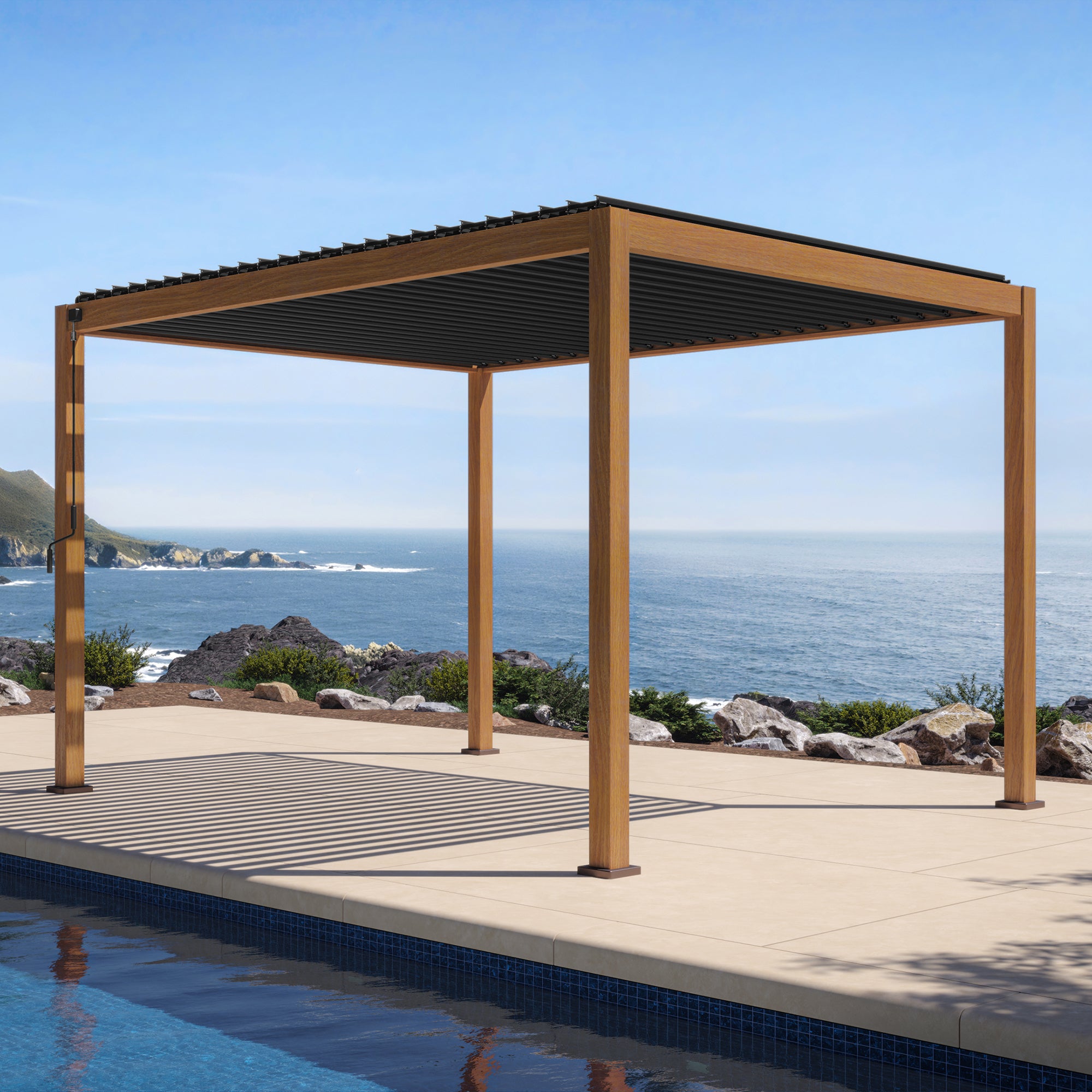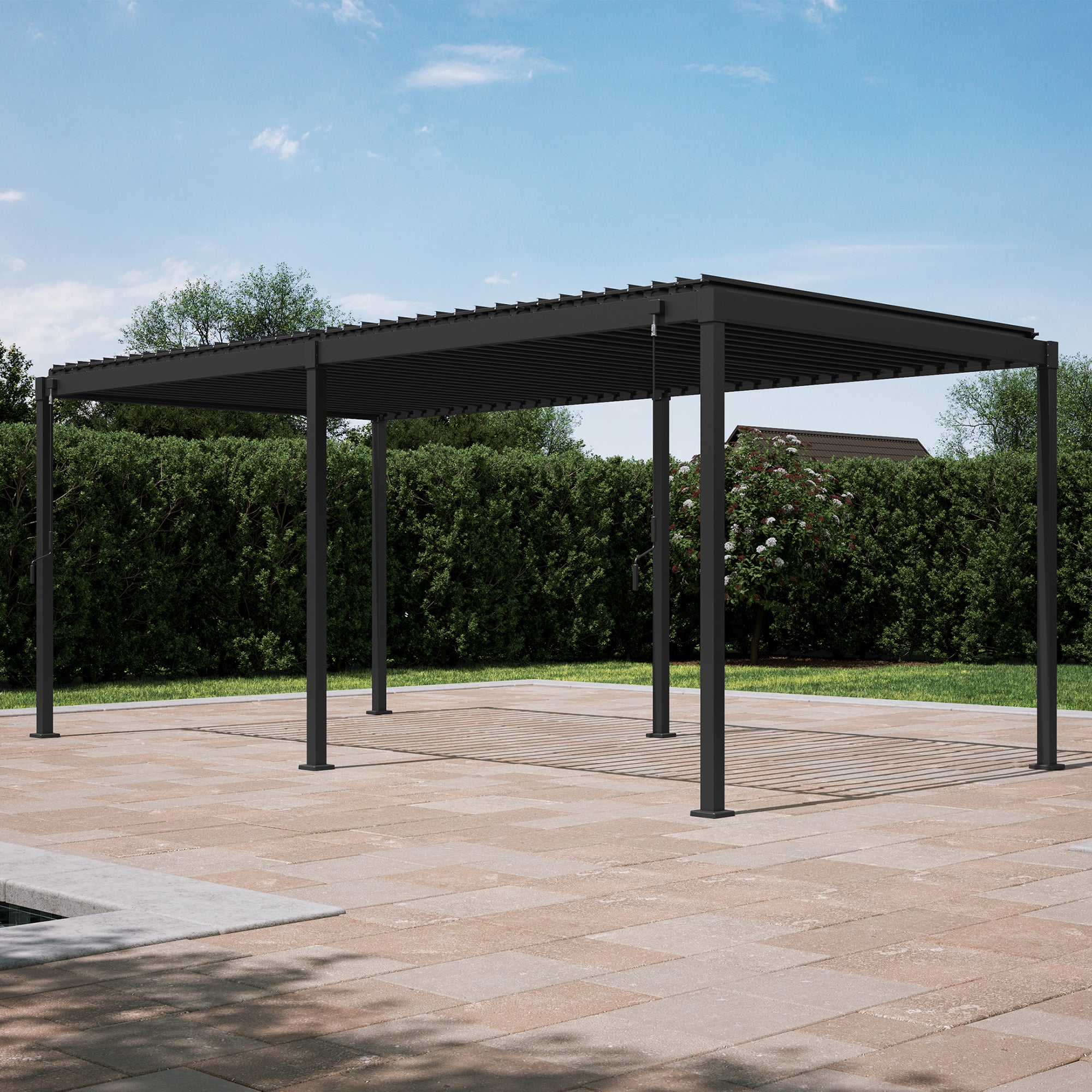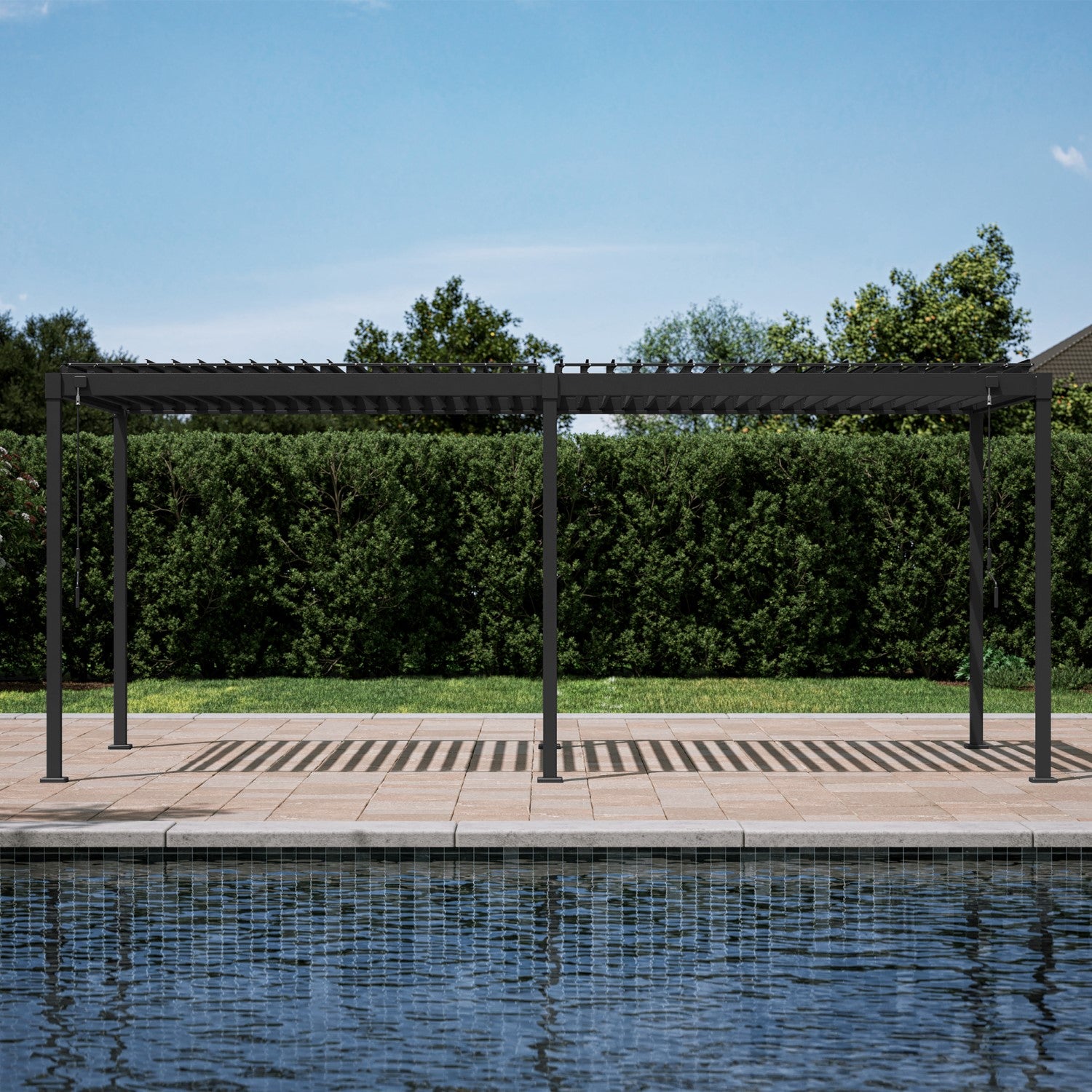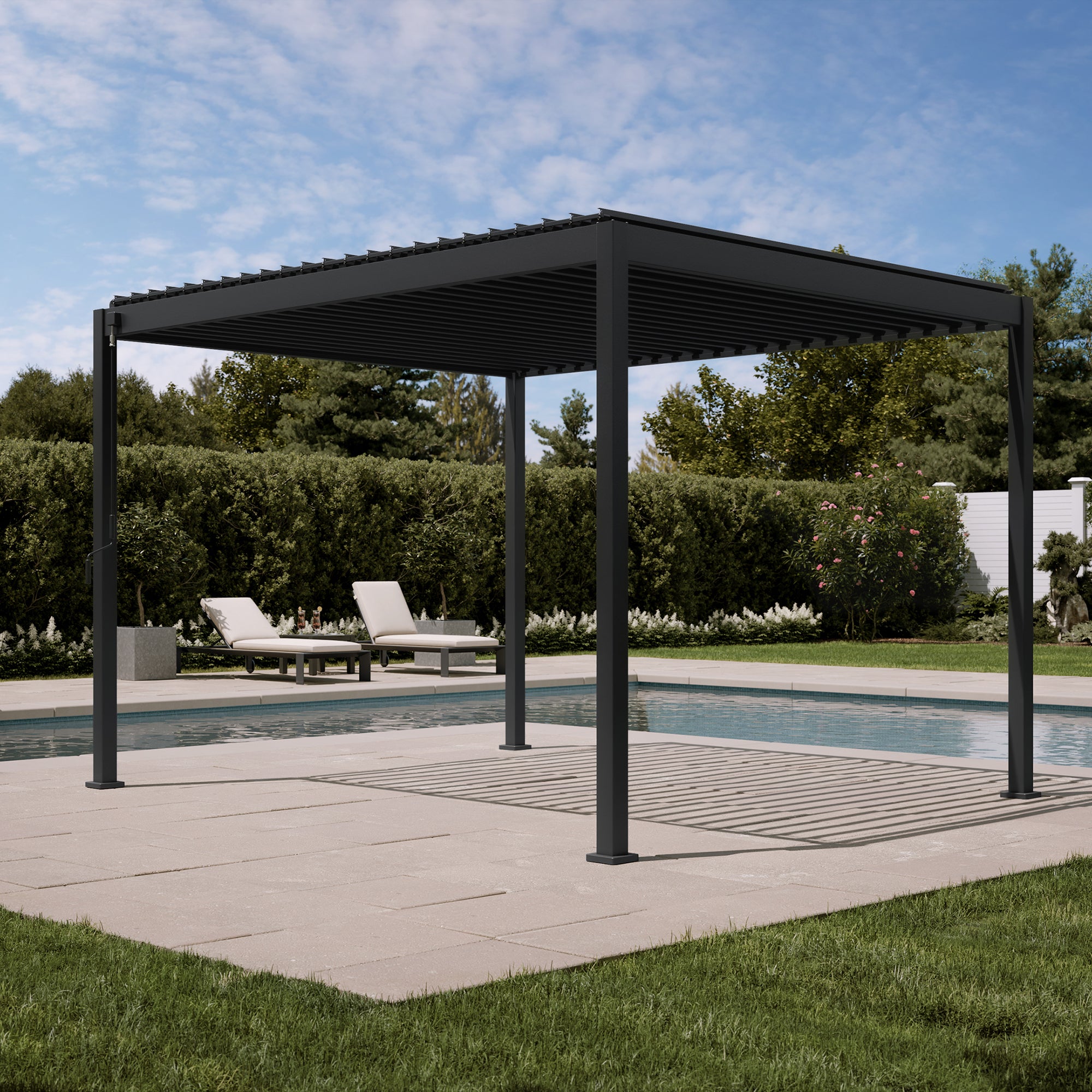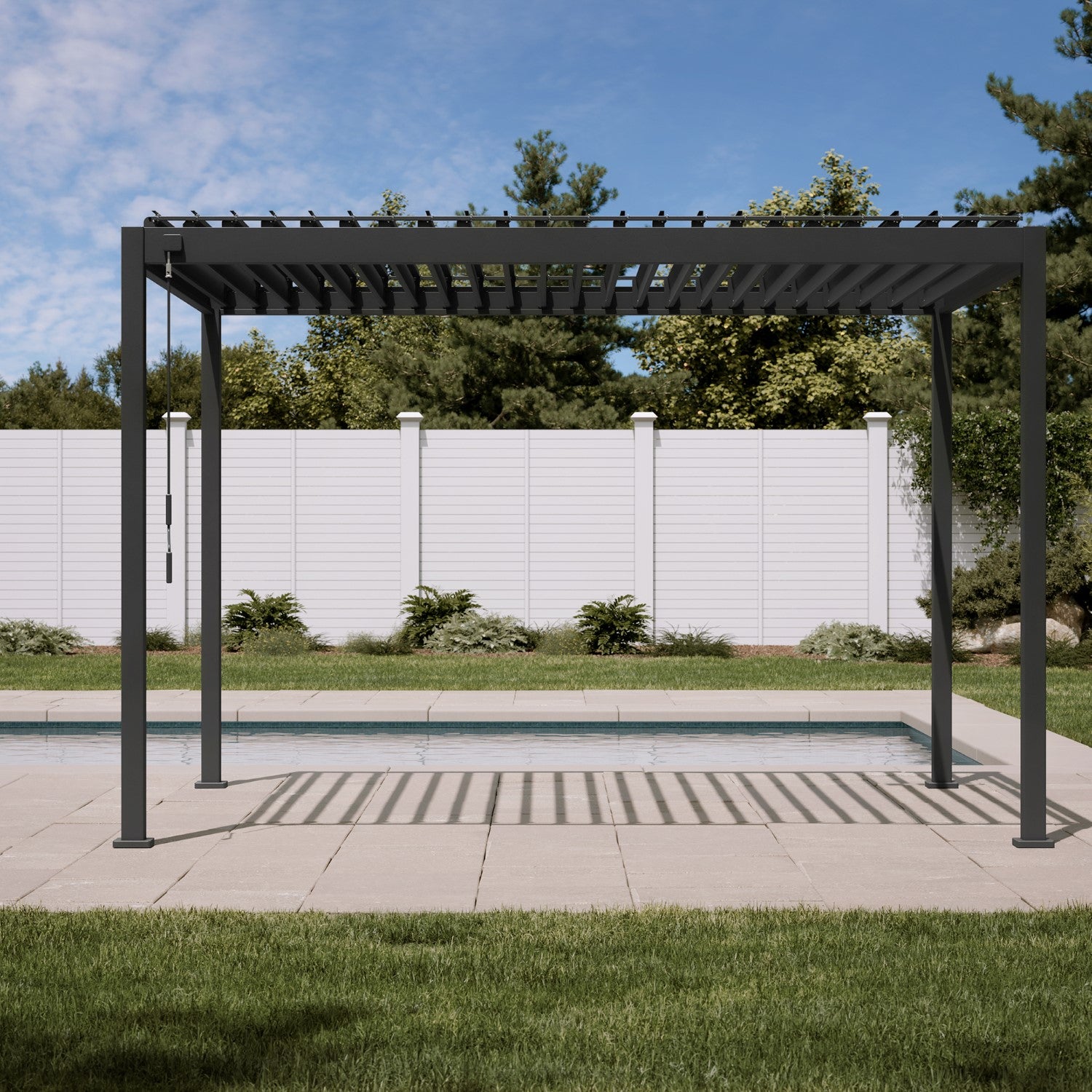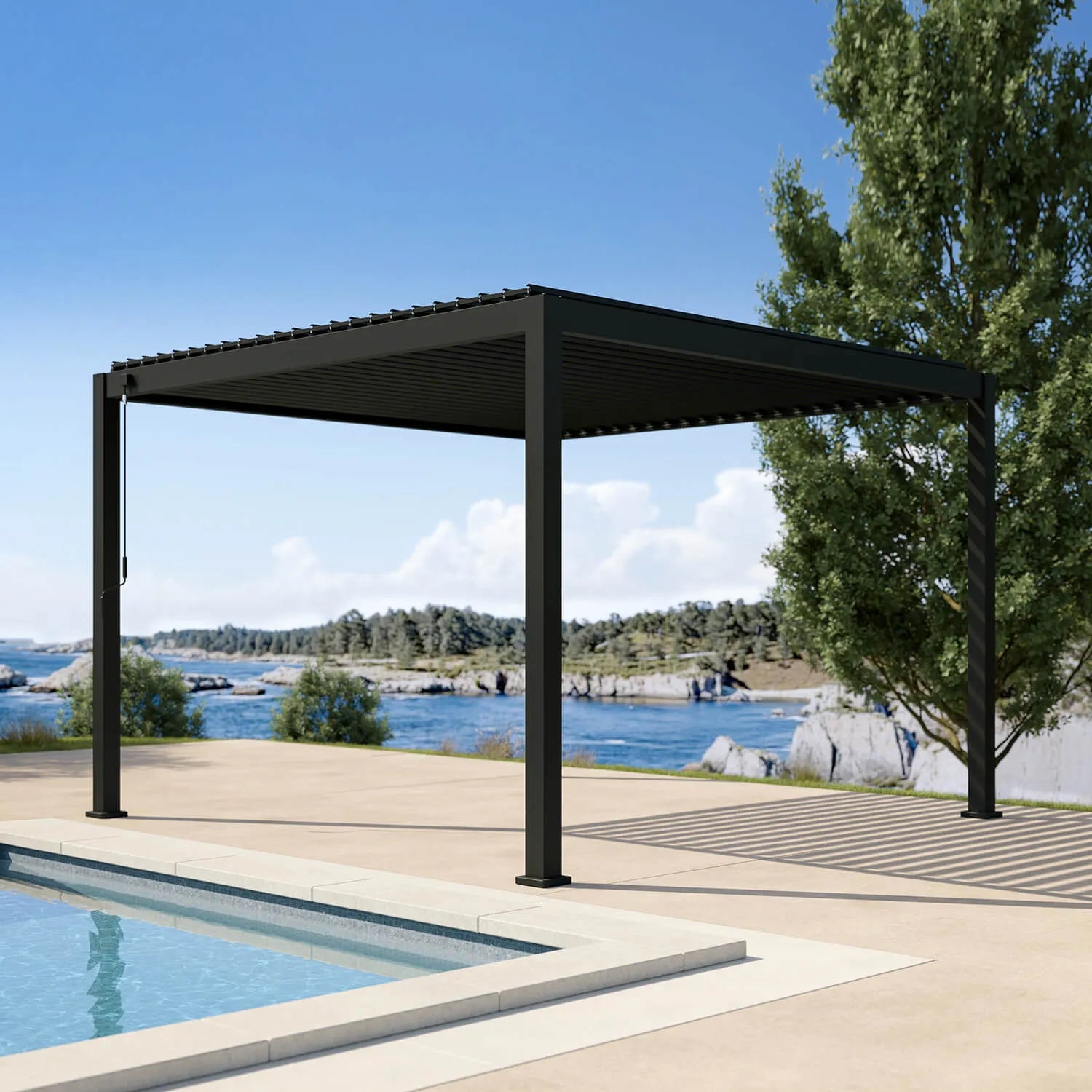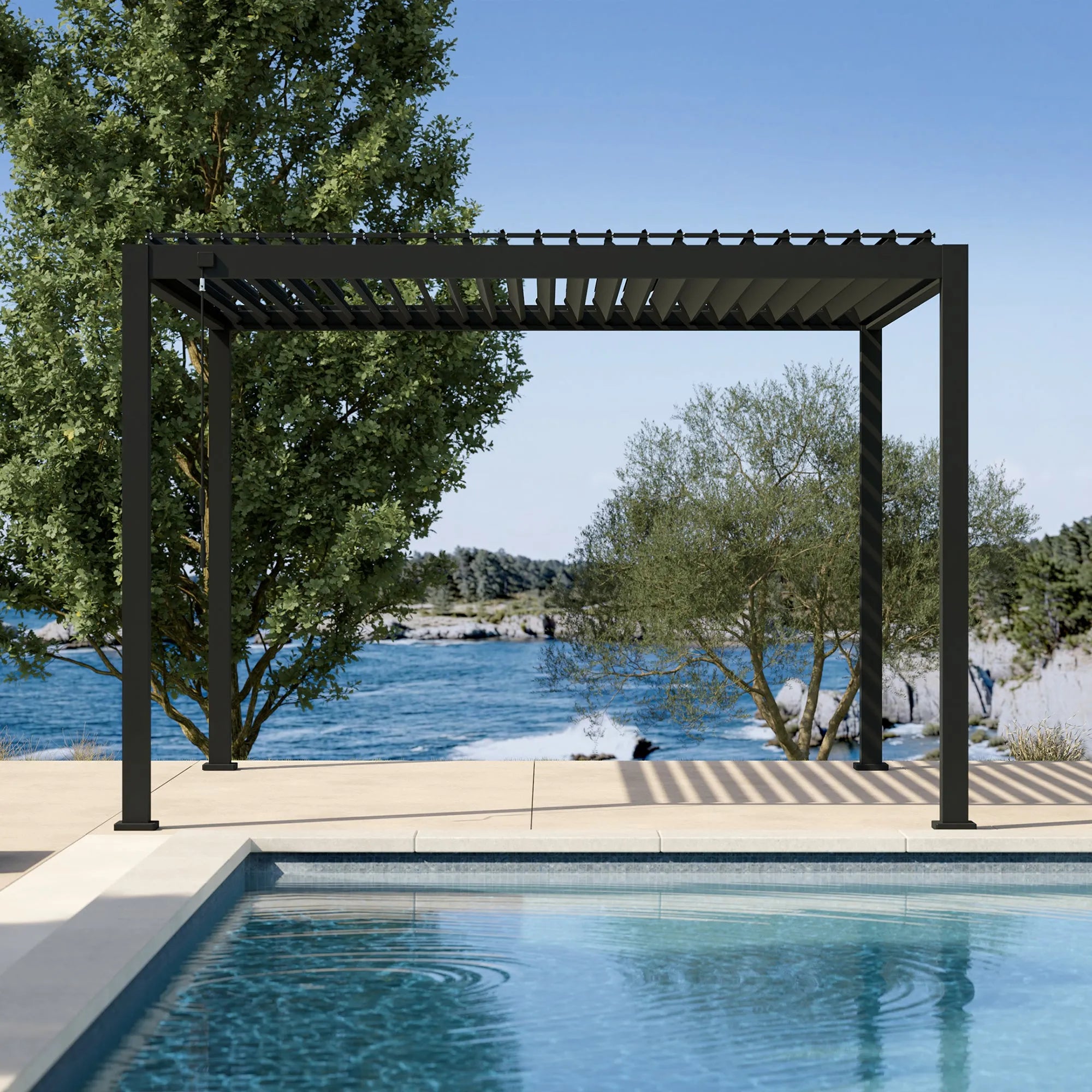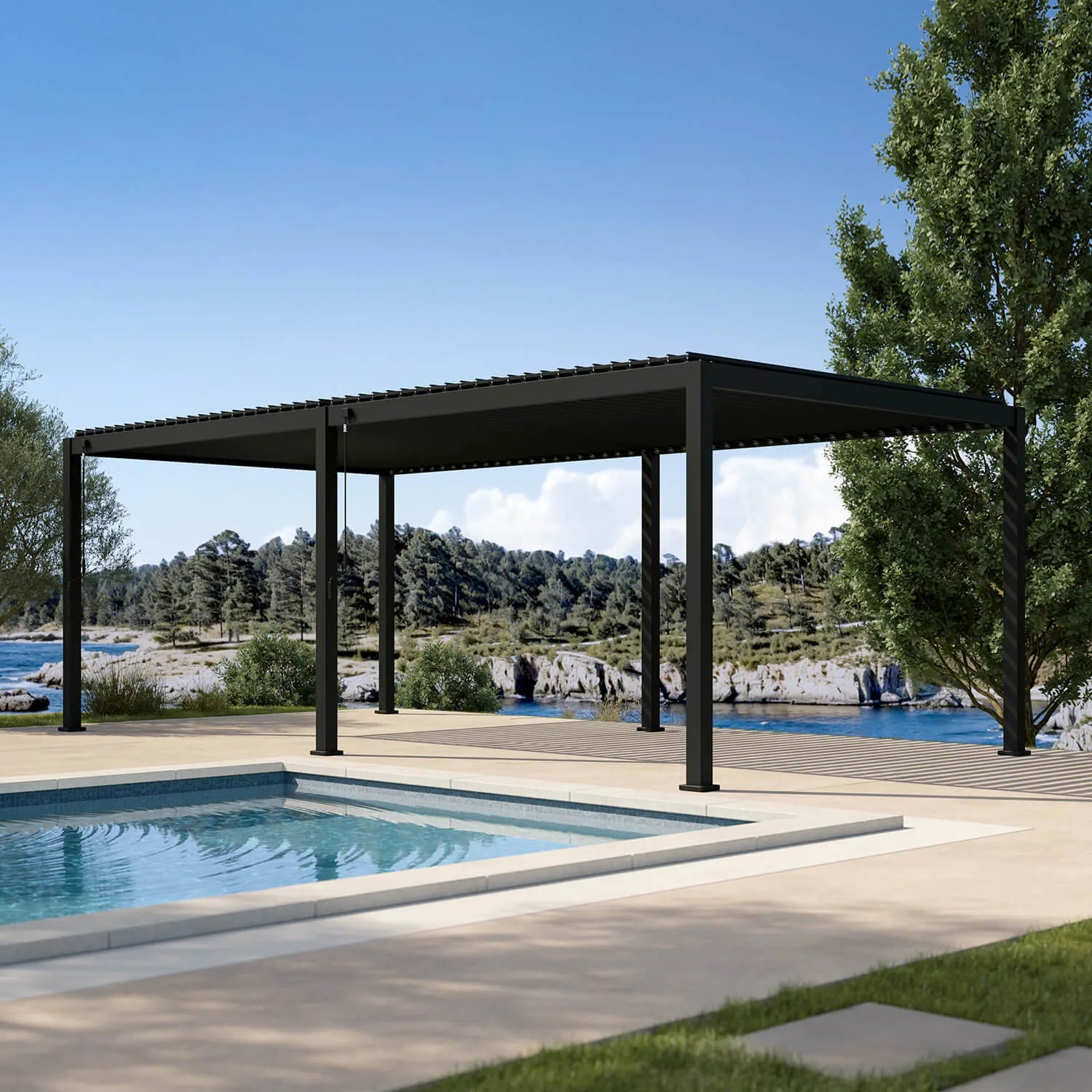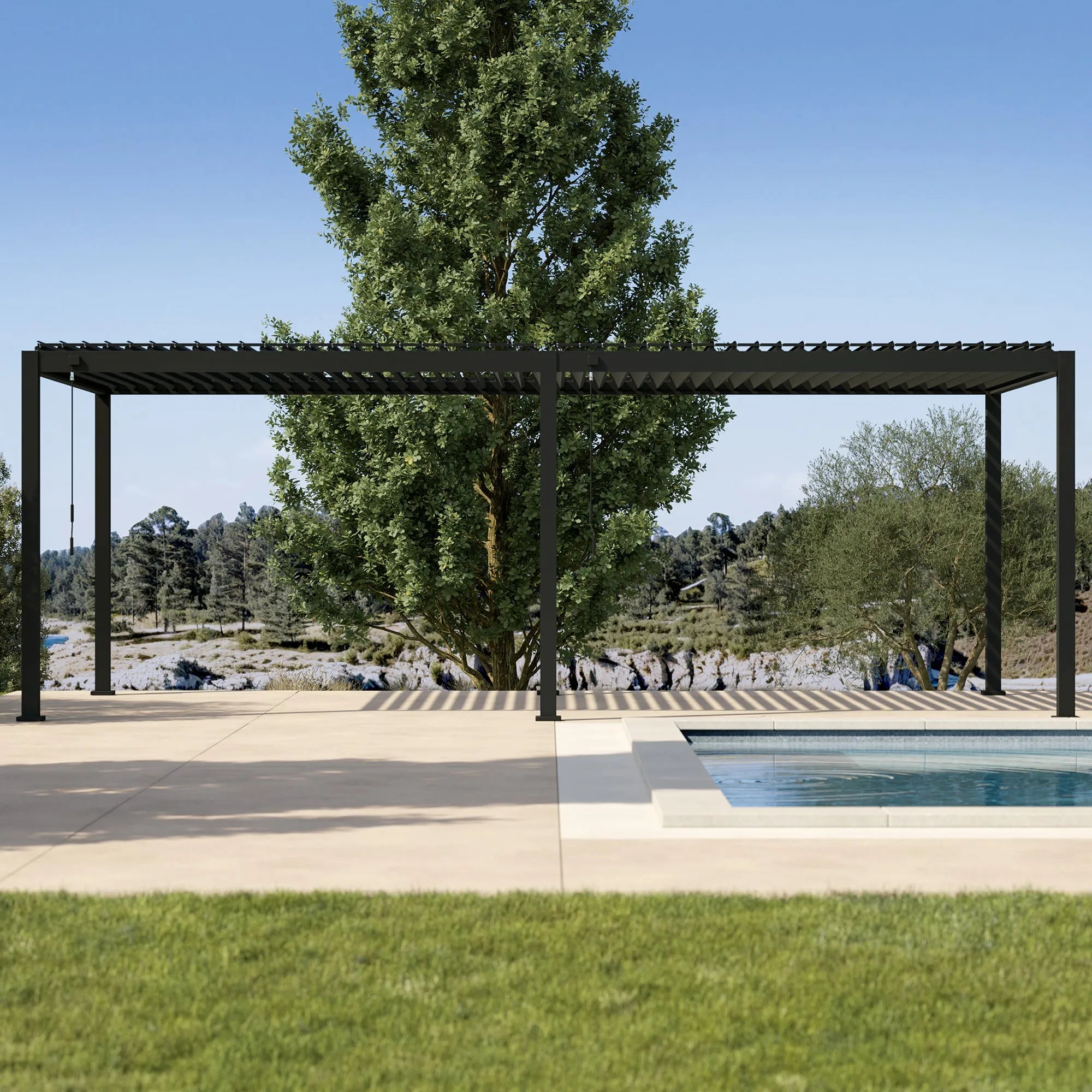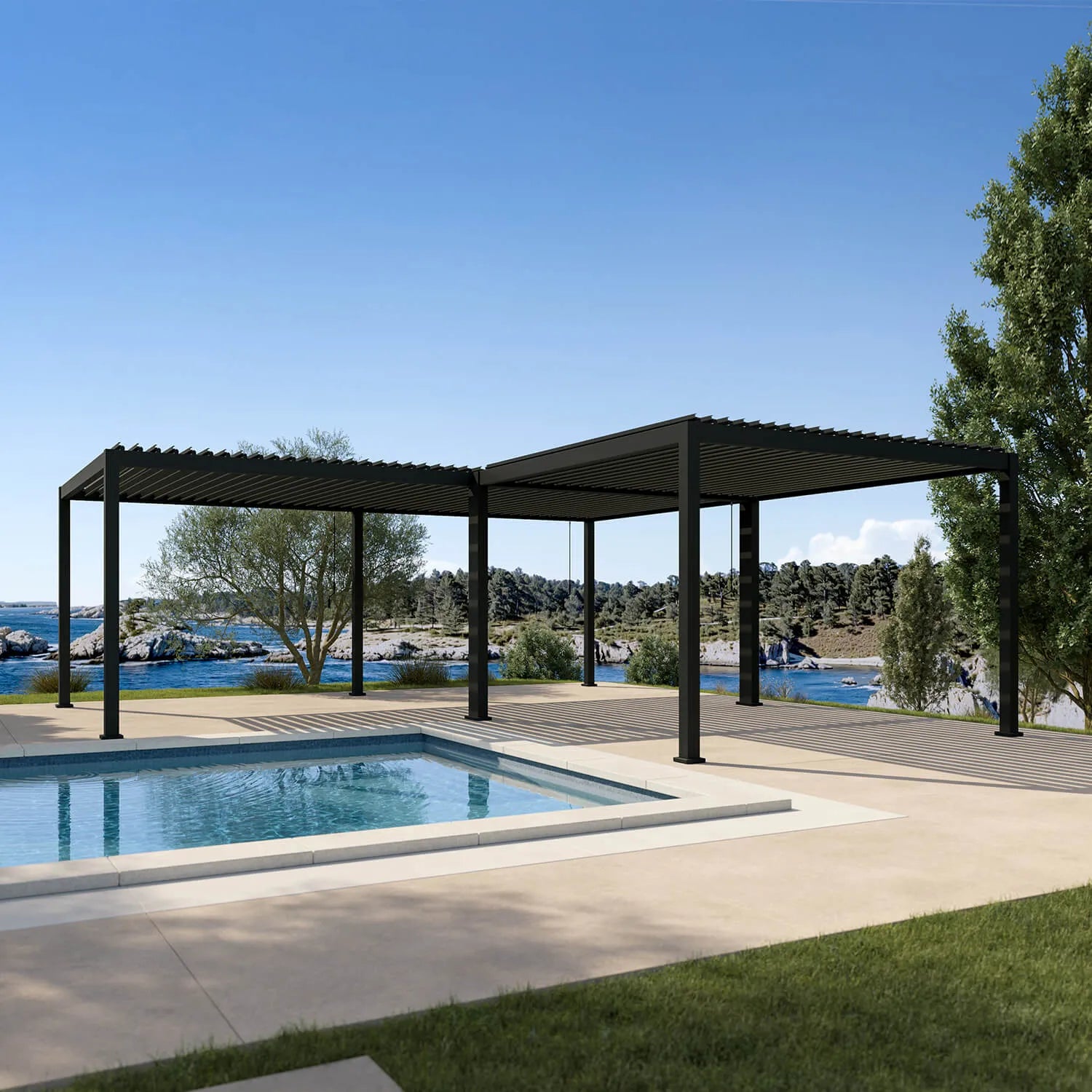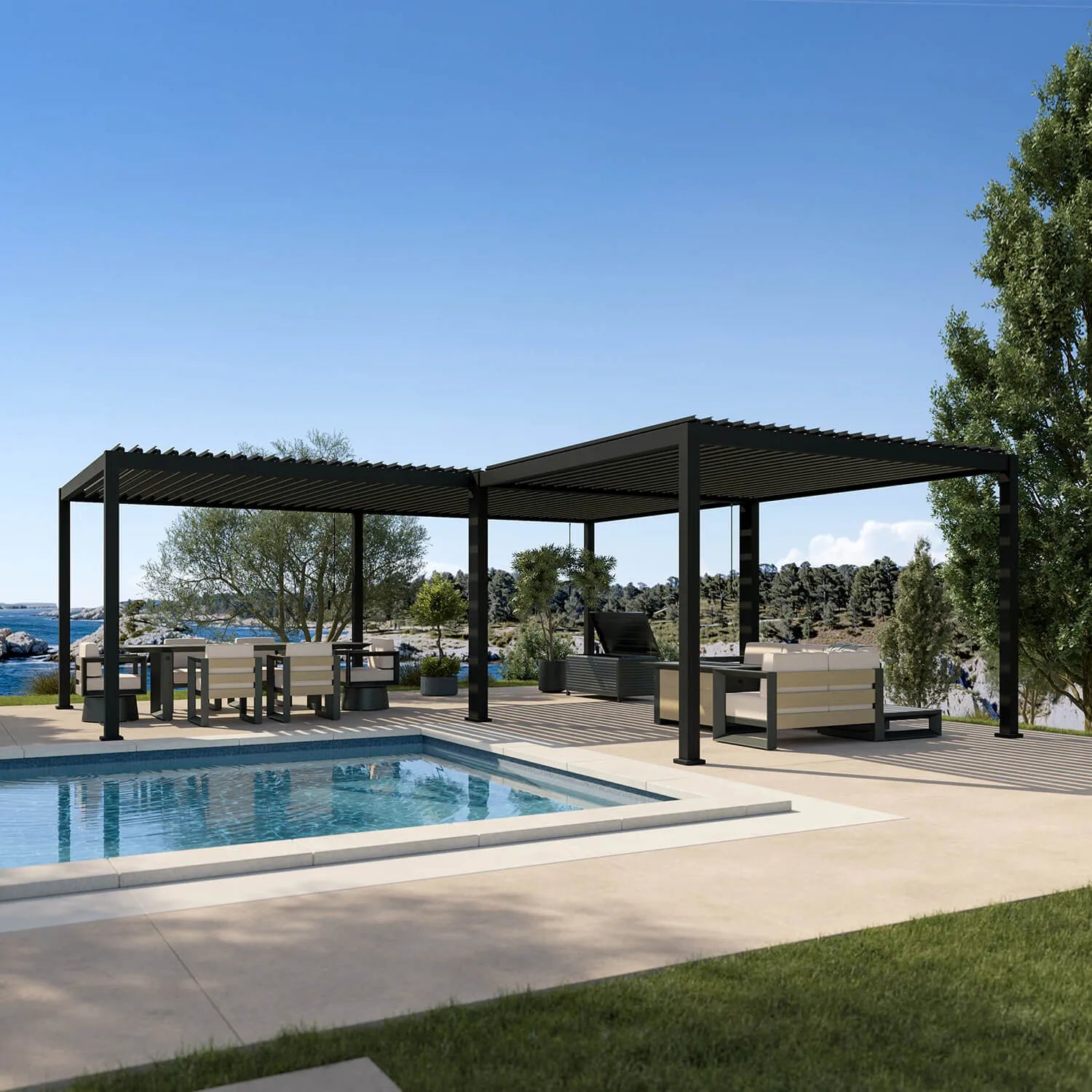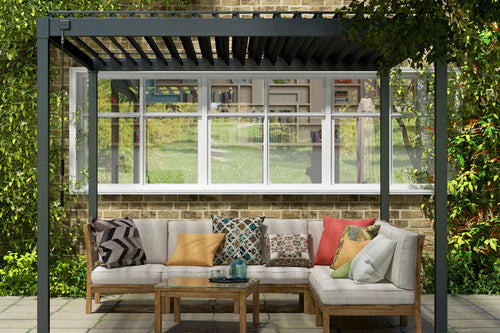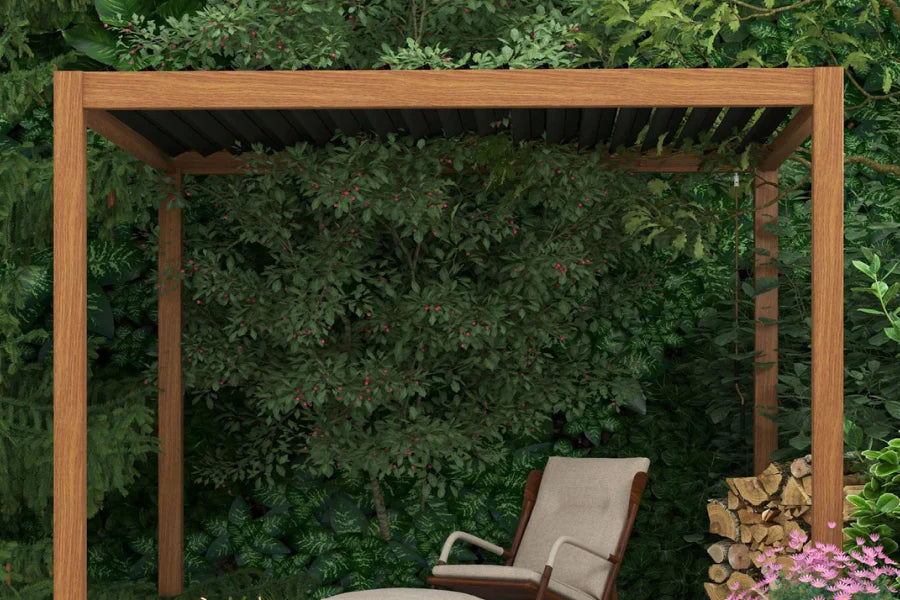

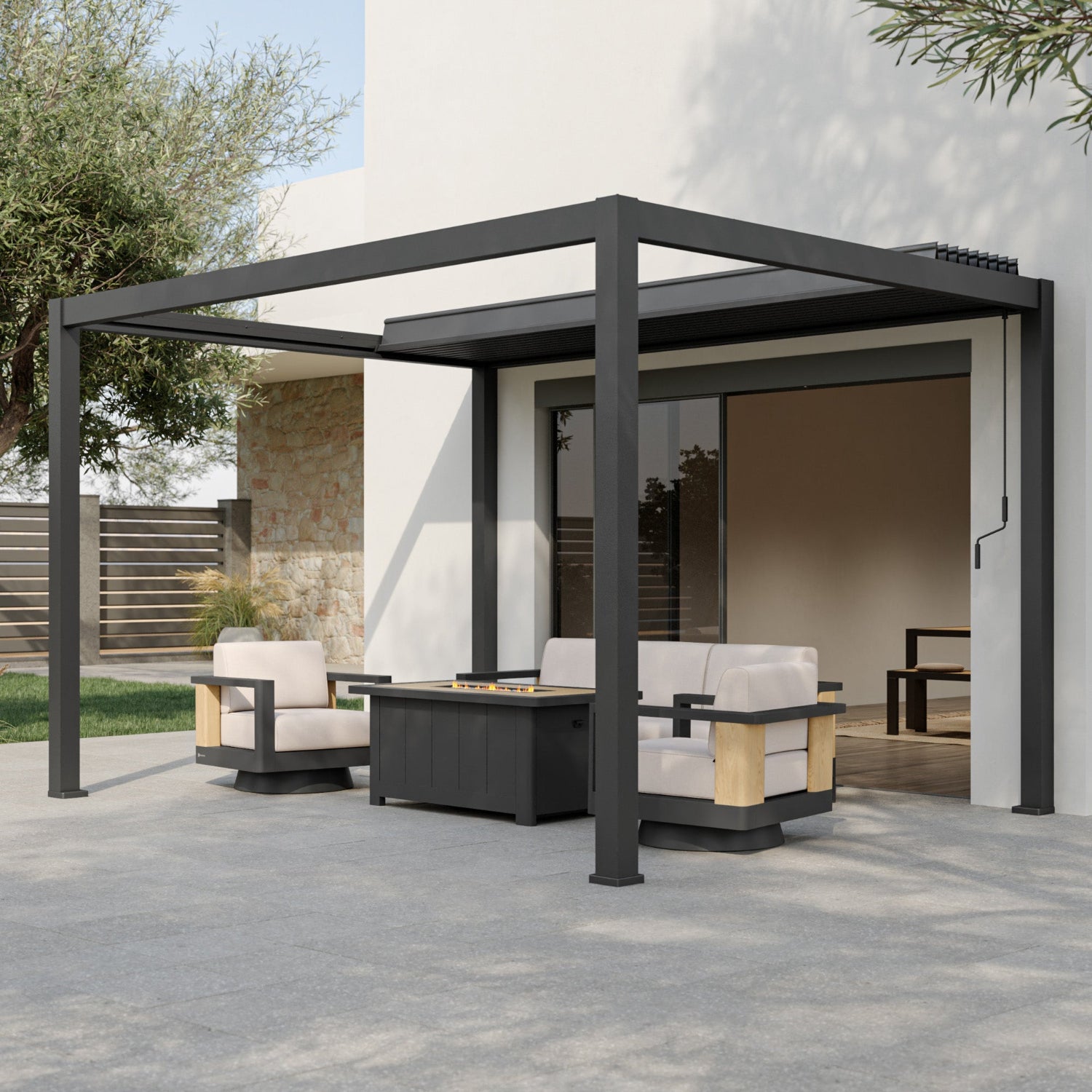
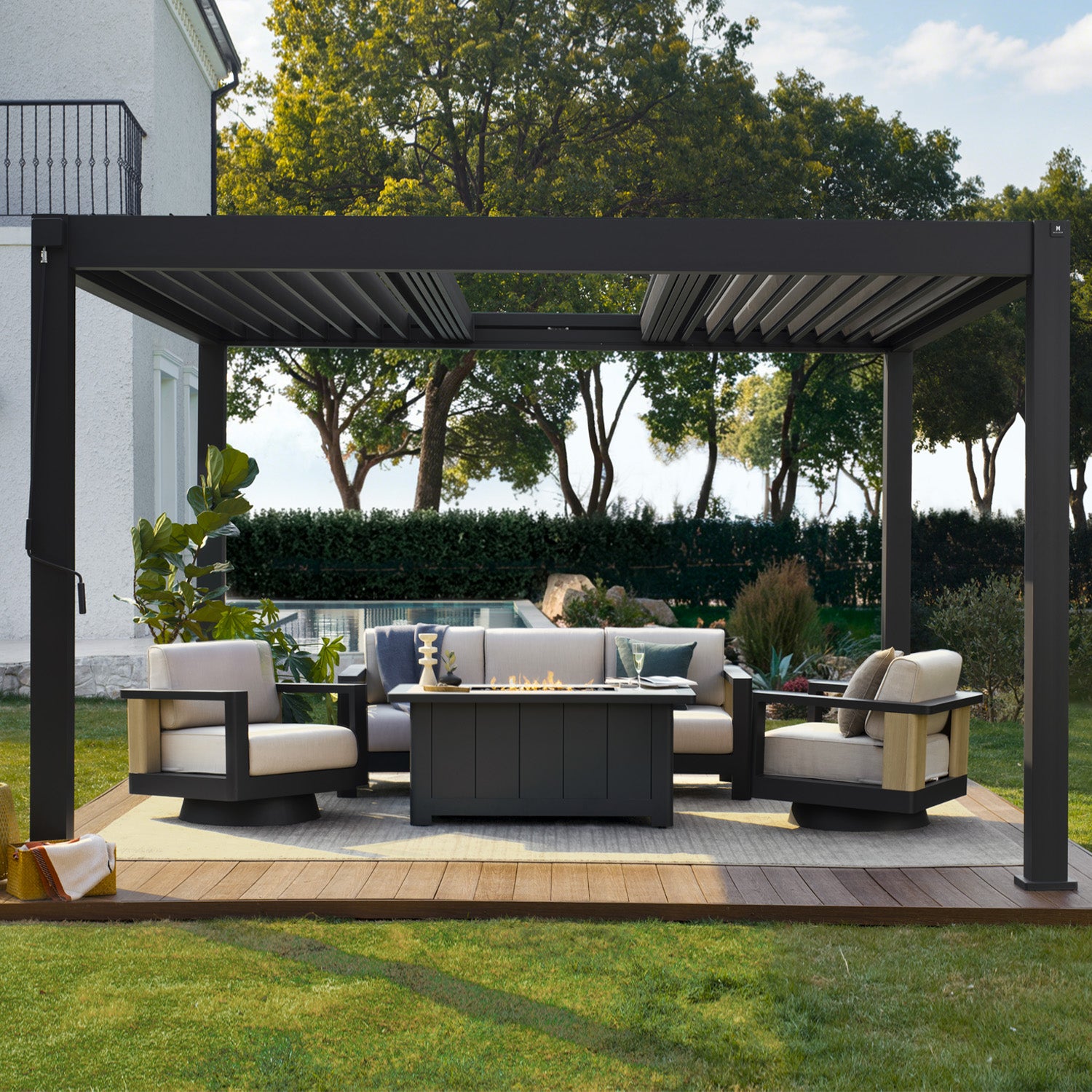
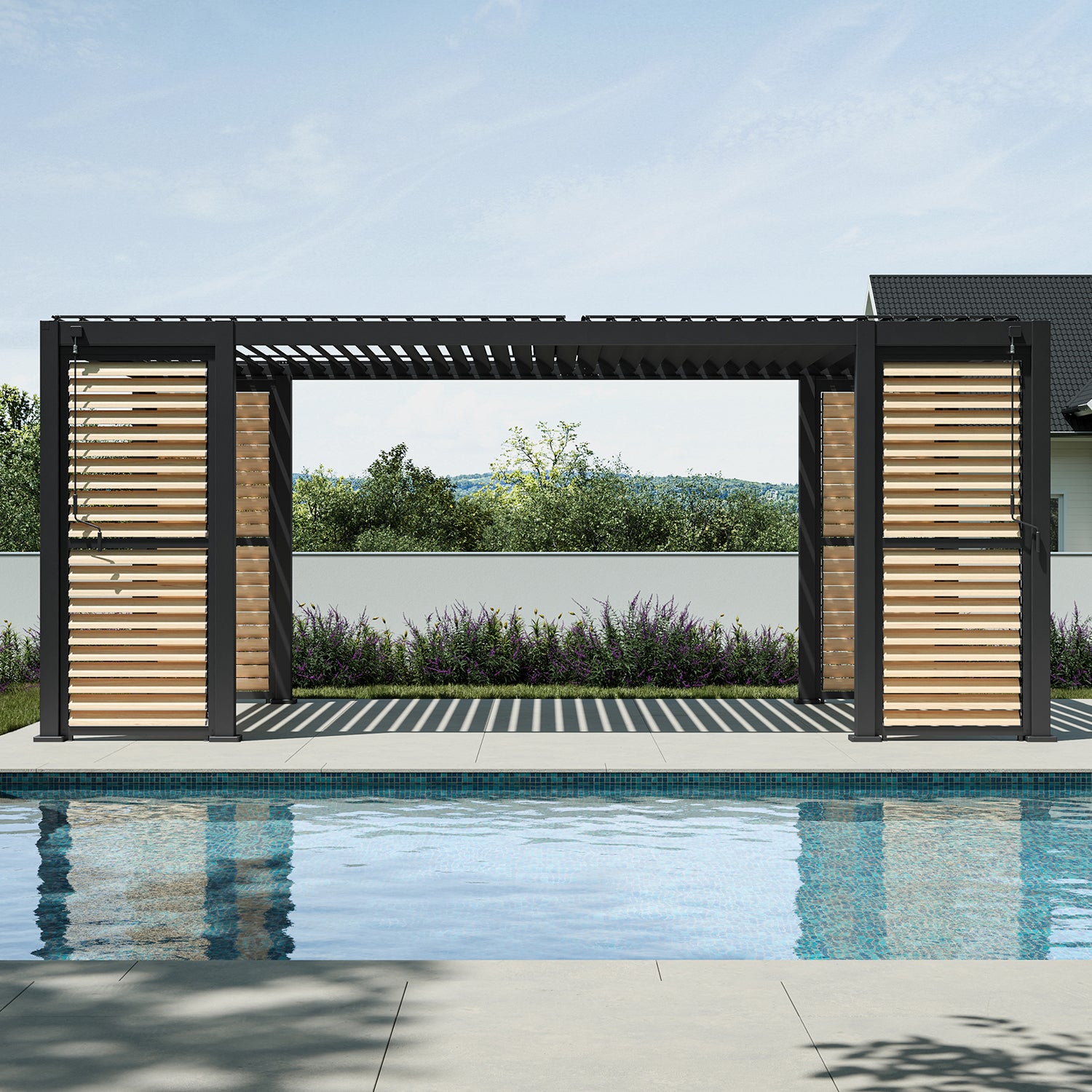

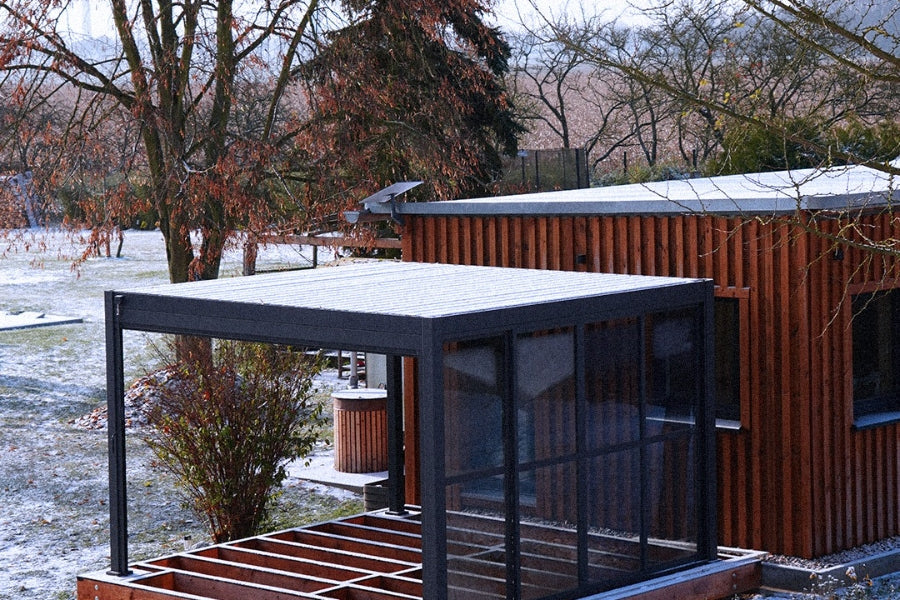
A louvered pergola can make rainy days feel a little easier. Close the louvers, and you may get a drier, more usable space underneath. Open them before snow, and you can help reduce buildup on top.
But the weather is never just one thing. Light rain is different from sideways rain. A sheltered patio is different from an open, windy yard. Drainage matters. Anchoring matters. Small habits matter too, like checking the channels after leaves or pine needles fall.
Owner stories are helpful because they show how people actually use their pergolas in real weather. They can give you good questions to ask before buying. They just should not be treated as official product ratings.
Story note: Lena is a fictional composite based on weather-related owner comments. Weather numbers are owner-reported examples, not product ratings or universal promises.
The First Rain Felt Like a Test
Lena closed the louvers when the sky went dark.
Then she waited.
That is what new owners do, even if they pretend not to. They watch the first rain like the pergola is taking an exam.
One owner said the area under closed louvers stayed very dry over an outdoor kitchen setup. Another said a west-facing patio finally became usable for shade and rain. A different owner liked how rainwater drained out through the posts instead of dripping down onto people sitting underneath.
Lena stood near the door and said the thing buyers want to say:
"Okay. This is why we bought it."
But the story cannot stop there.
Rain Is Not the Same as Every Storm
Closed louvers can help during normal rain. That is the careful takeaway from the comments.
Wind-driven rain is different. Sideways rain can enter under any open-sided structure. Nearby walls, fences, rooflines, and exposure all change the result. A patio tucked beside a house is not the same as an open yard near strong gusts.
Lena learned to ask better questions:
- Which way does rain usually blow here?
- Where does water drain?
- Are the channels clear?
- What does the exact model manual say about wind and snow?
Not dramatic questions. Useful ones.
Wind Stories Need Careful Reading
Owner comments mention 50, 60, and 70 mph wind experiences. Those comments are memorable. They are also easy to misuse.
A buyer saying a pergola was still standing after a 70 mph wind event is not the same as an official wind rating. A buyer bolting a pergola to a cement pad in a windy area is not telling every homeowner to copy that exact setup. The detail is the habit: respect wind before it arrives.
Lena's neighbor put it plainly.
"So the reviews say it can handle wind?"
"No," Lena said. "The reviews say people who think about wind sleep better."
That is a better line.
Buyers should check published model ratings, anchoring guidance, local exposure, and code. Reviews are context. Specs and installation details still matter.
Winter Is About Habits
One long-term owner said they left louvers open in winter and reported no snow accumulation issues, including two storms with nearly 24 inches of heavy wet snow. That is useful. It is also one owner's report.
Lena wrote it down as a habit, not a guarantee.
Before snow, open the louvers where the manual or support guidance allows. After a storm, look at the frame, fasteners, moving parts, and drainage. If ice has formed, do not force the mechanism.
Simple. Not glamorous.
Outdoor ownership is often like that.
The Pine Needle Problem
The comment that feels most human is not about wind.
It is about debris.
One owner updated a positive review after noticing pine needles and similar debris could get into drainage paths in the legs. That kind of update is valuable because it sounds like life after the first month. Leaves fall. Seeds drop. Gutters need eyes on them. So do outdoor drainage paths.
Lena added a five-minute routine after heavy leaf fall.
Look. Clear what is visible and safe. Ask for support before modifying anything.
The pergola did not become high-maintenance. It became real.
What Buyers Should Take From This
Louvered pergola rain stories are helpful when they stay in their lane. They can show how owners use closed louvers, open louvers, drainage checks, and post-storm inspections. They cannot promise every patio stays dry in every storm.
That honesty makes the story stronger.
A buyer who understands the limits will enjoy the benefits more. Lena did. She stopped asking whether the pergola could beat the weather. She started asking how to live with the weather better.