
It is the little things that make you think about covered parking. A scorching steering wheel. Pollen on a car you washed yesterday. A roof over the driveway starts to sound pretty good.
But what kind of roof? A traditional carport is the familiar answer. A car gazebo may feel more at home in a yard where you also care about how the space looks. If you have searched for a “gazebo for car” online, you have probably noticed that the names get blurry fast.
The useful question is which structure fits your vehicle, your lot, your weather, and the way you use the space.
What Is a Car Gazebo?
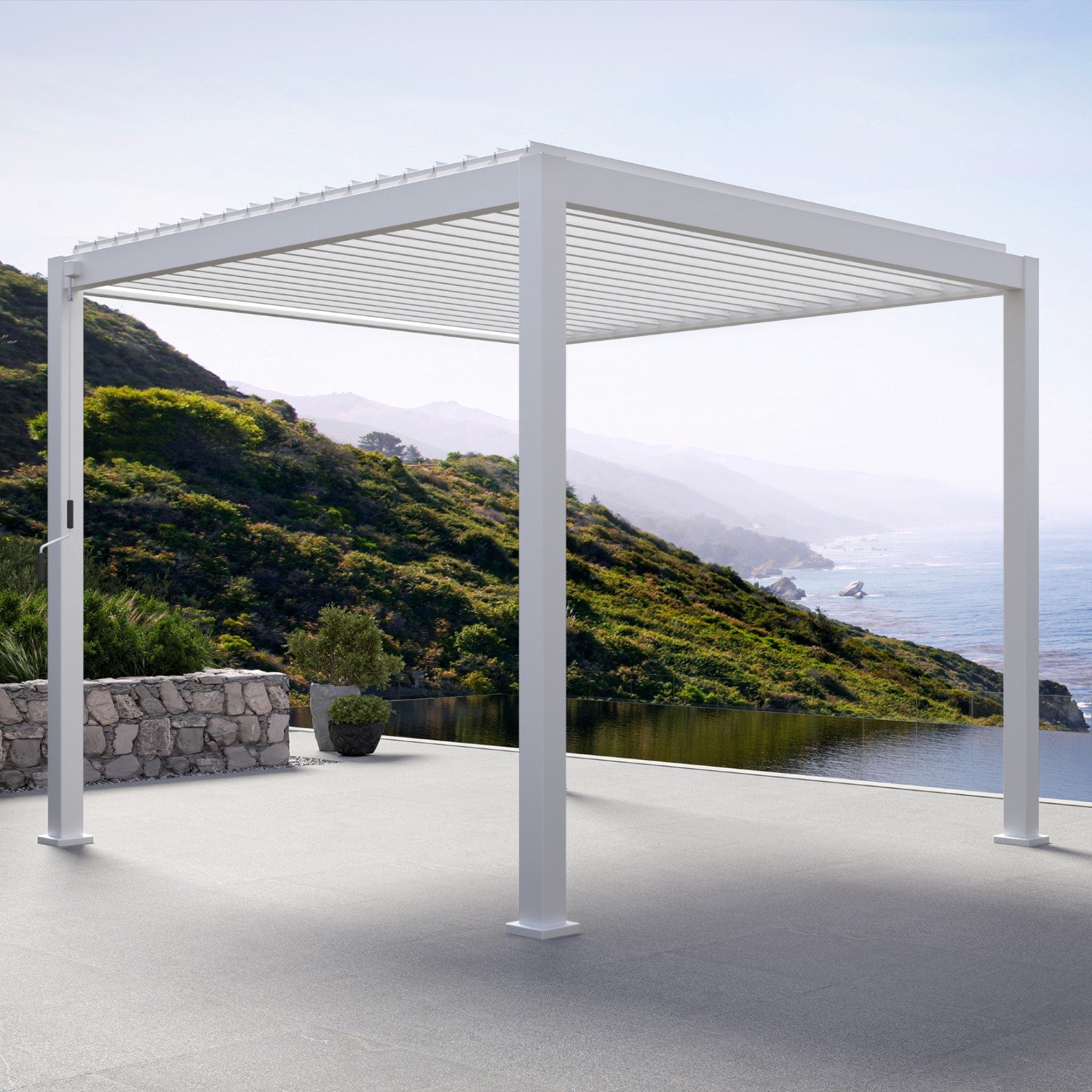
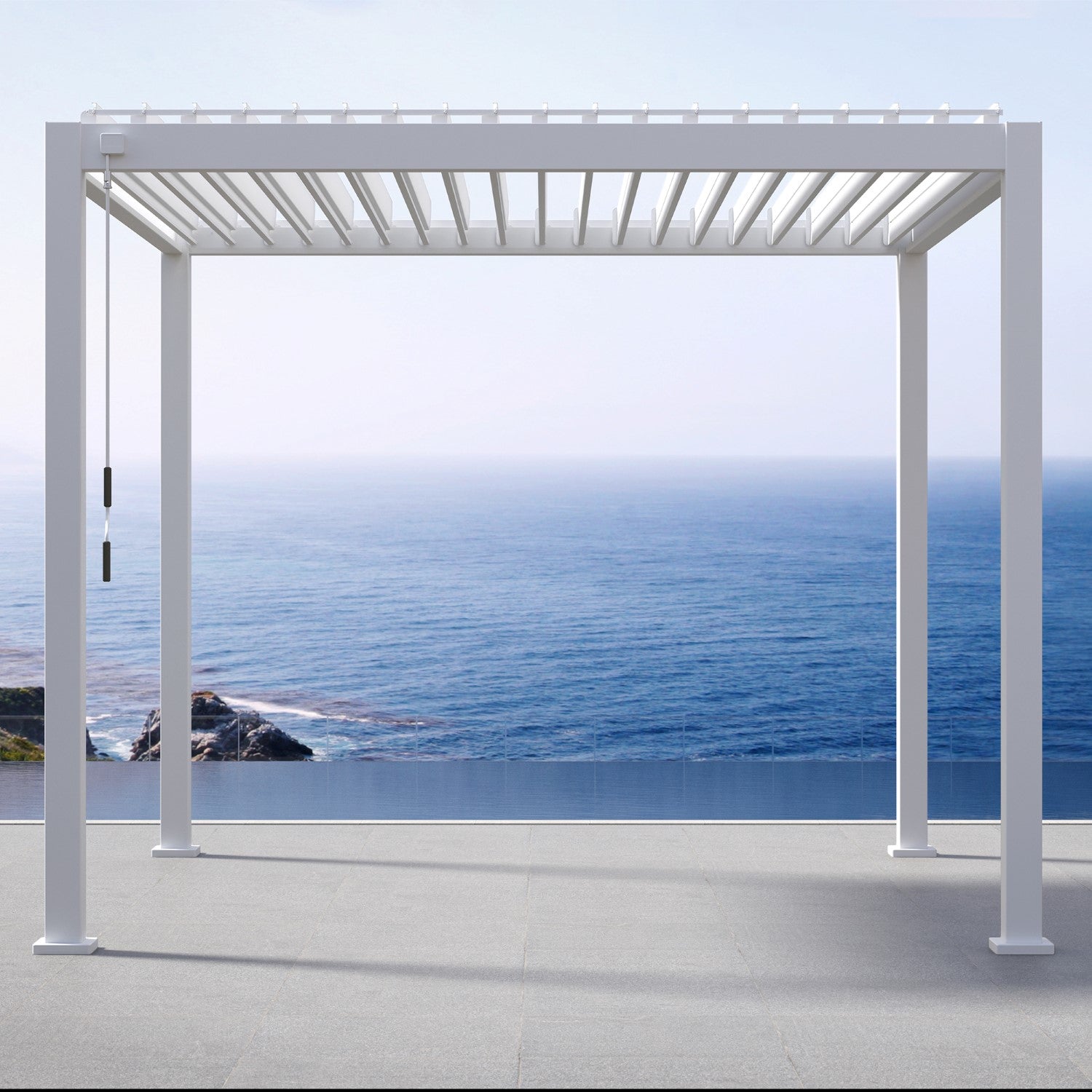
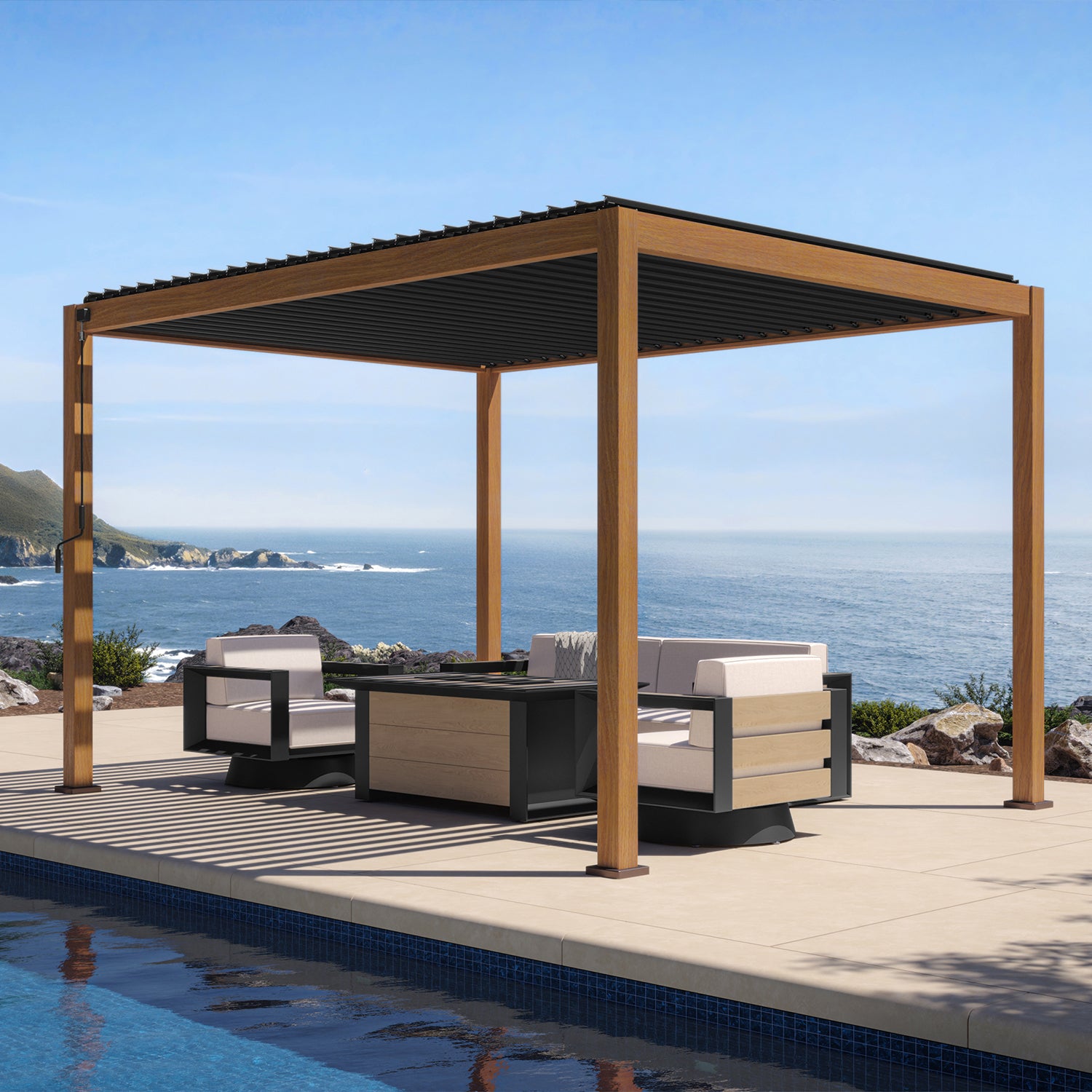
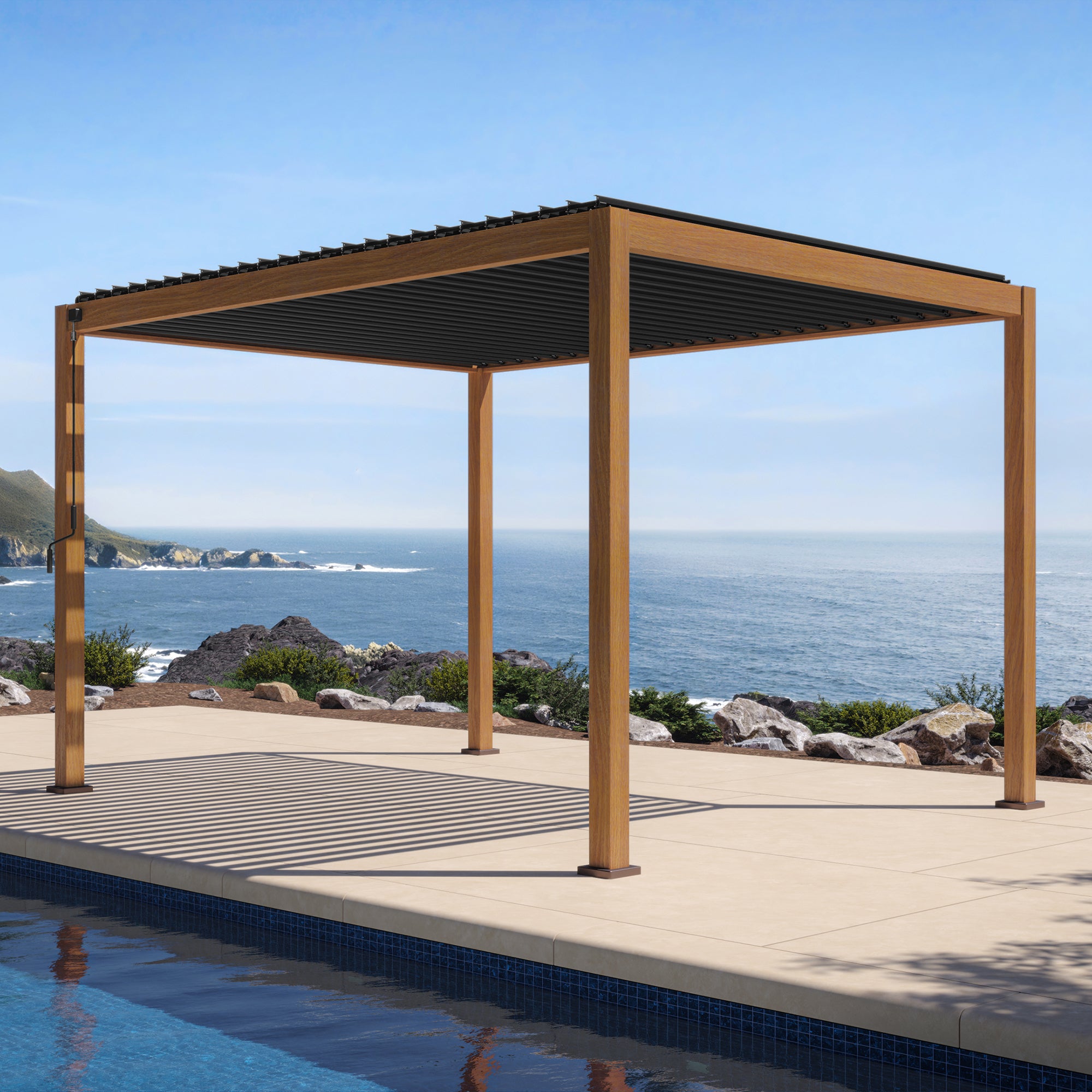
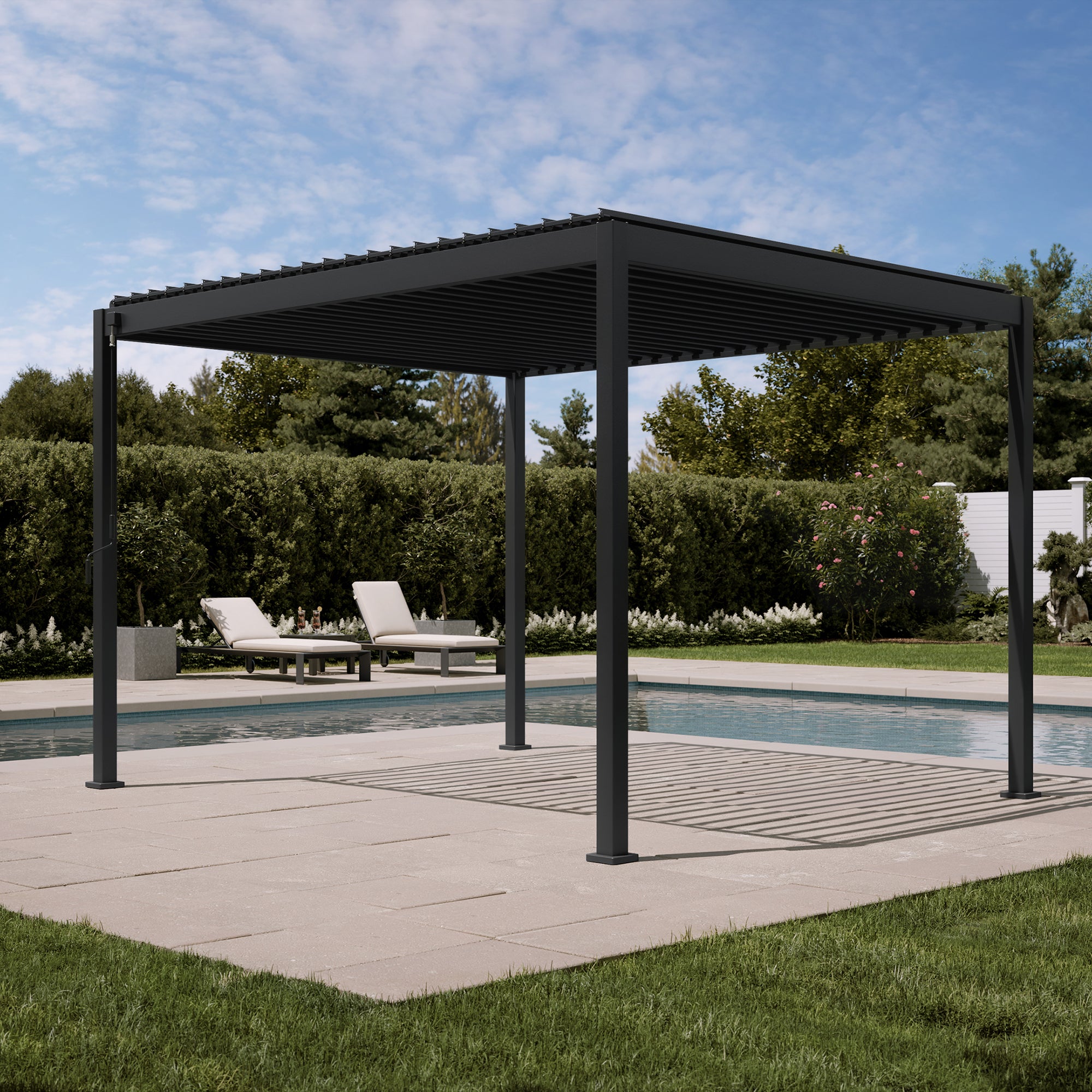
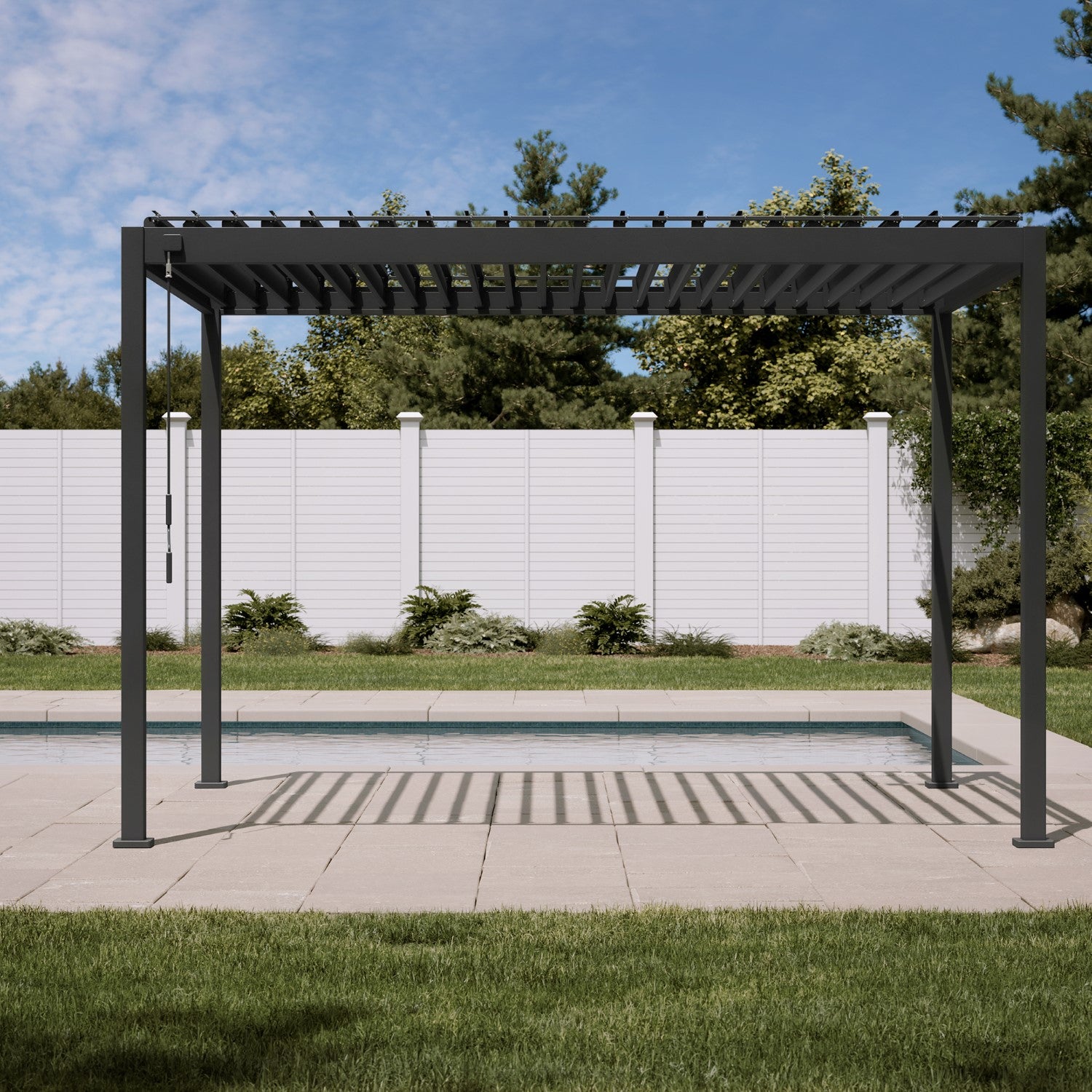
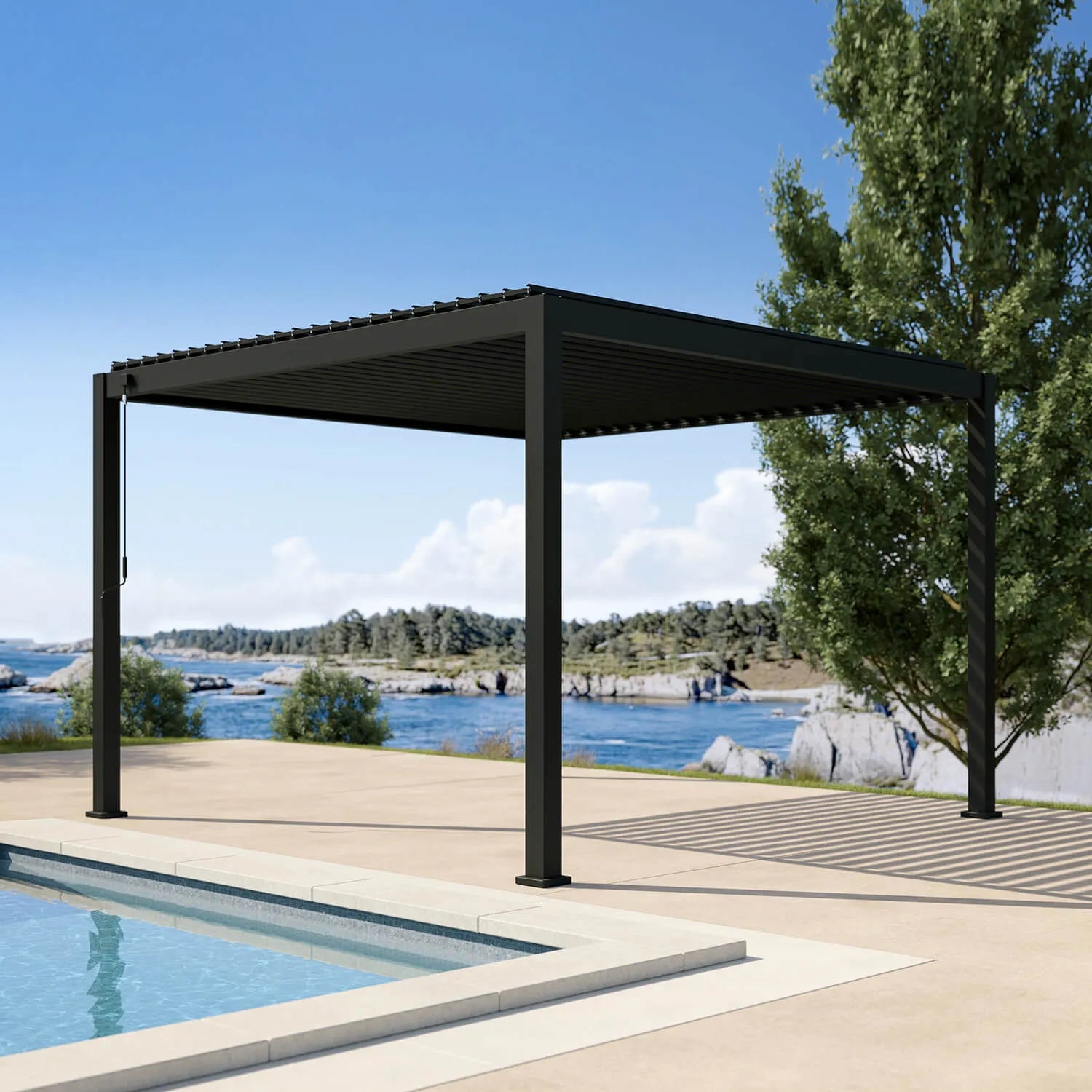
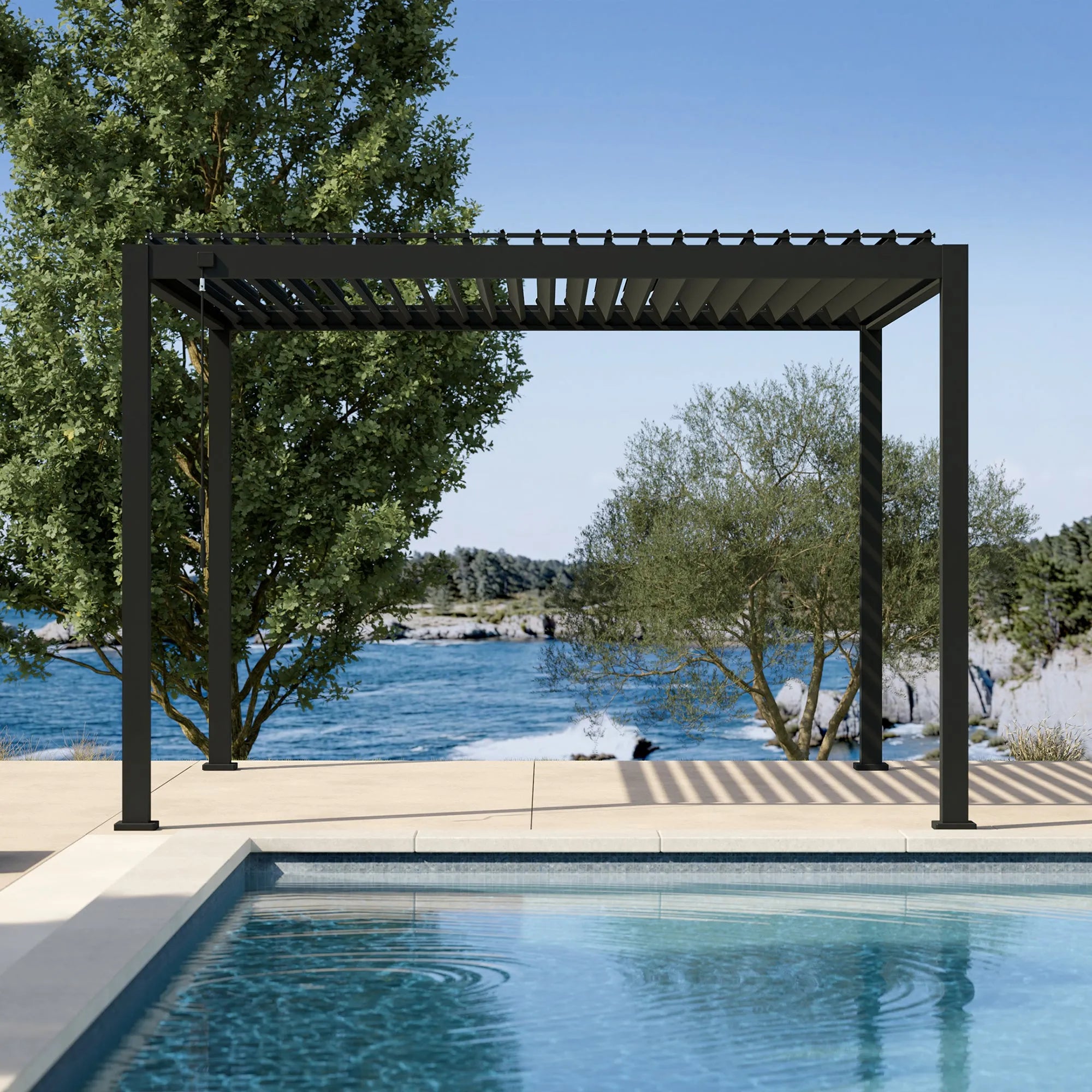
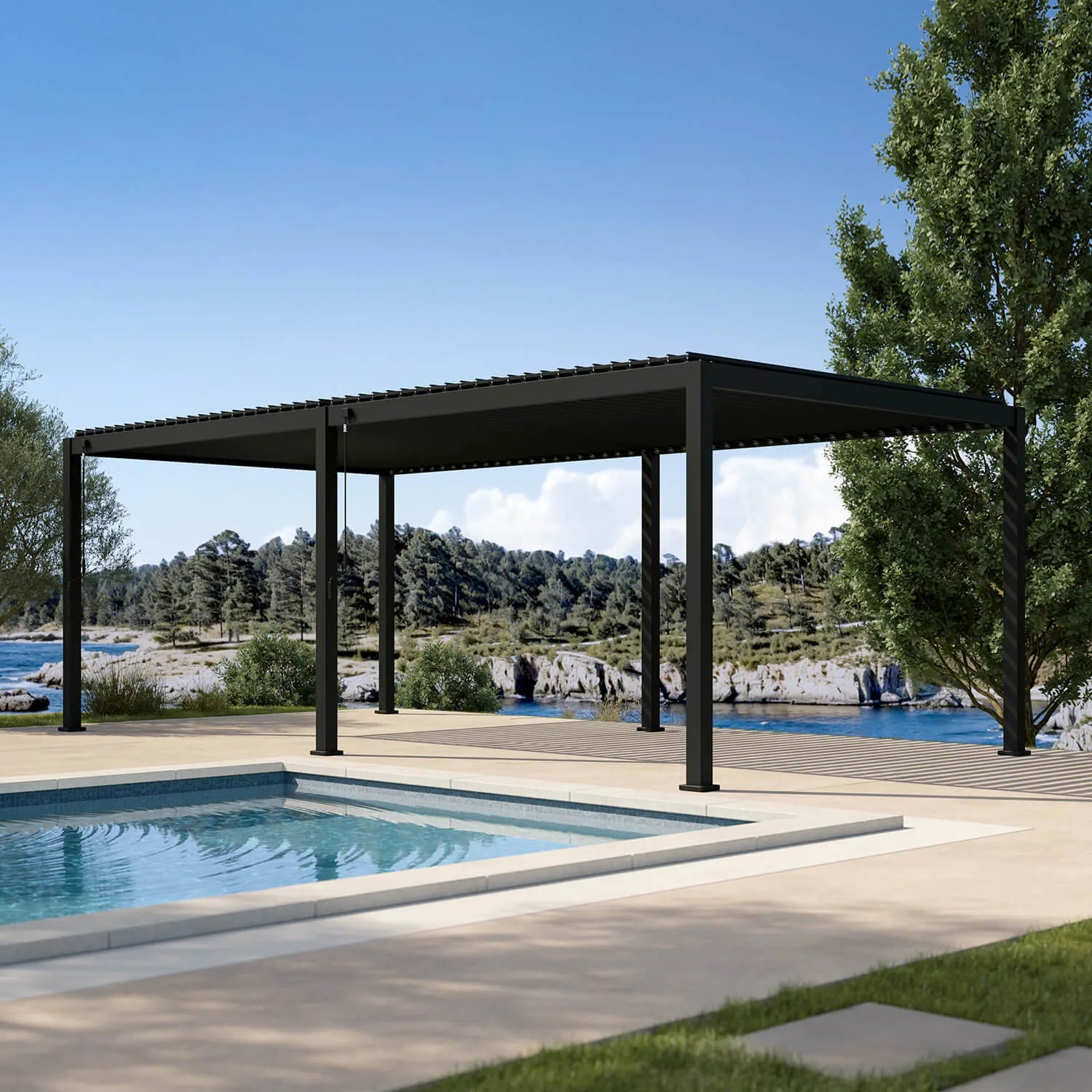
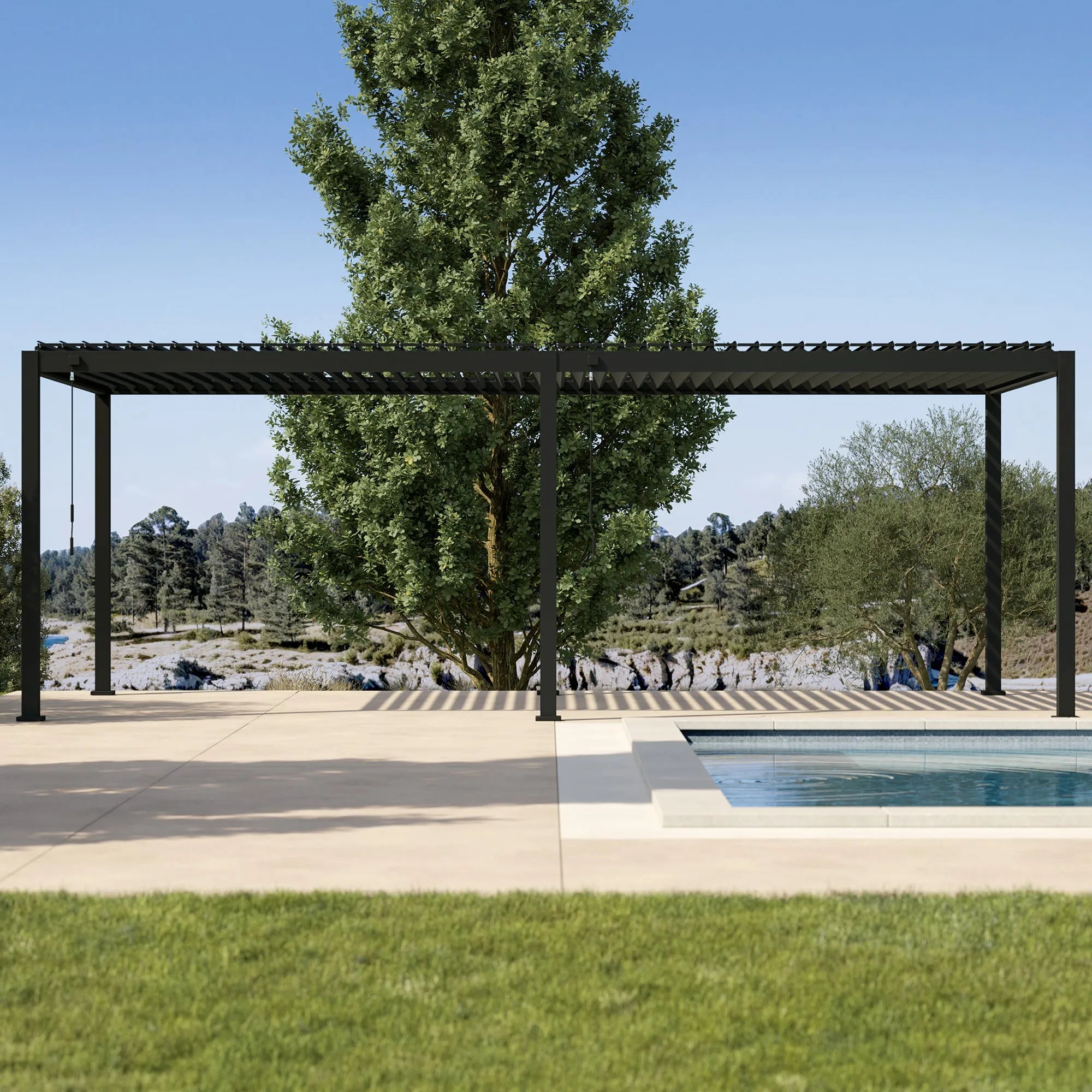
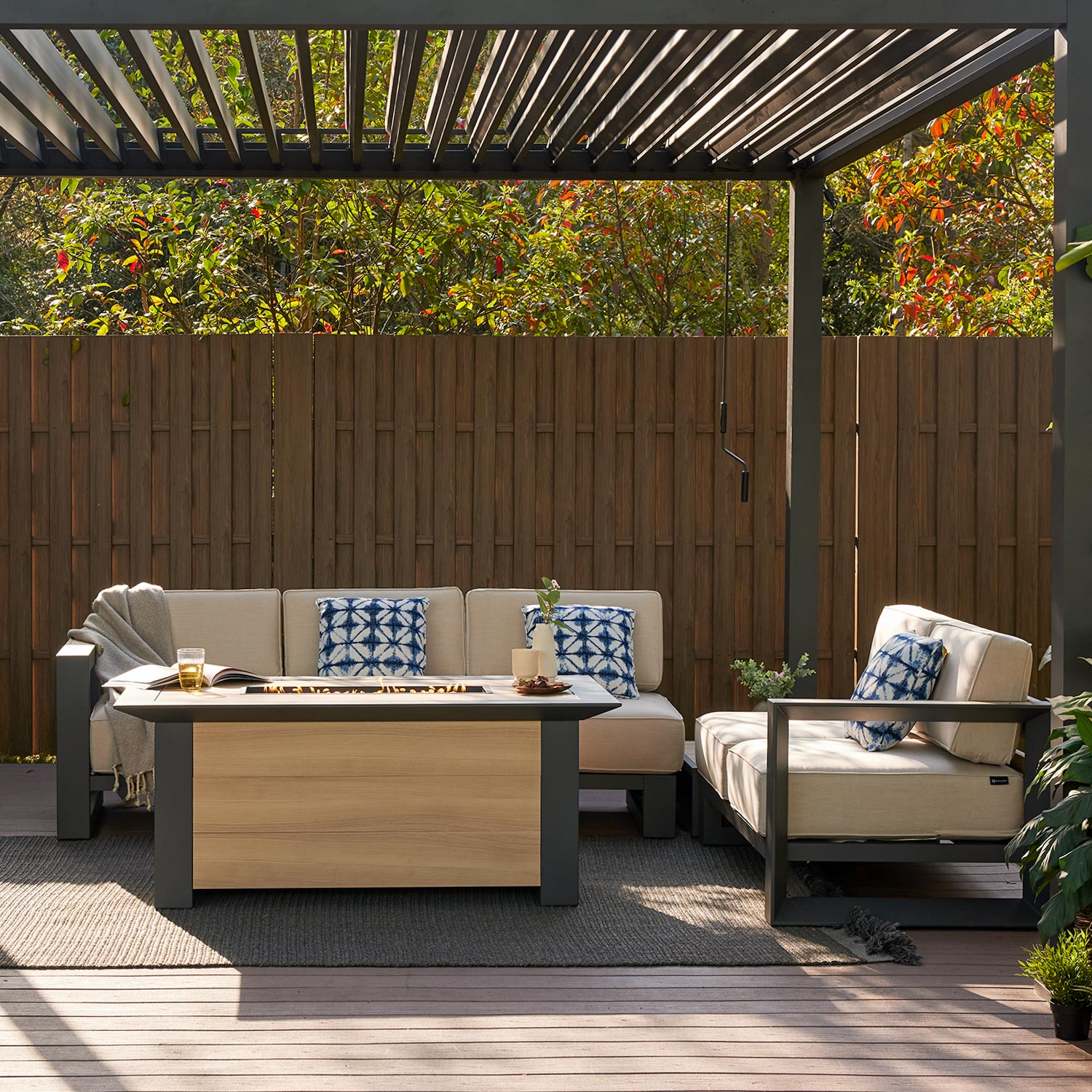
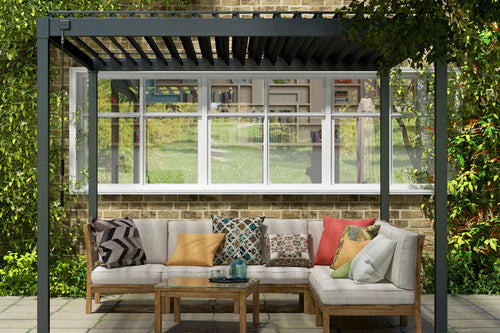
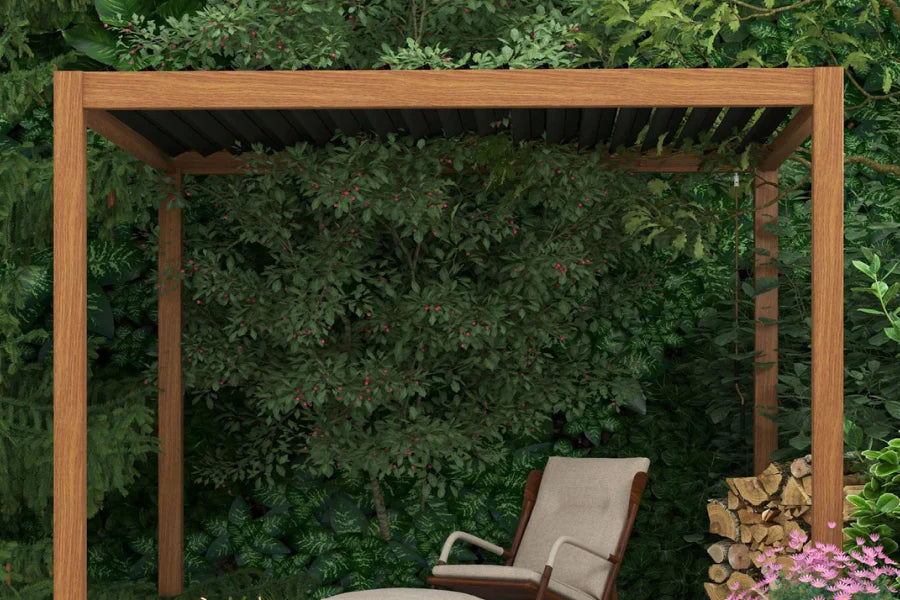
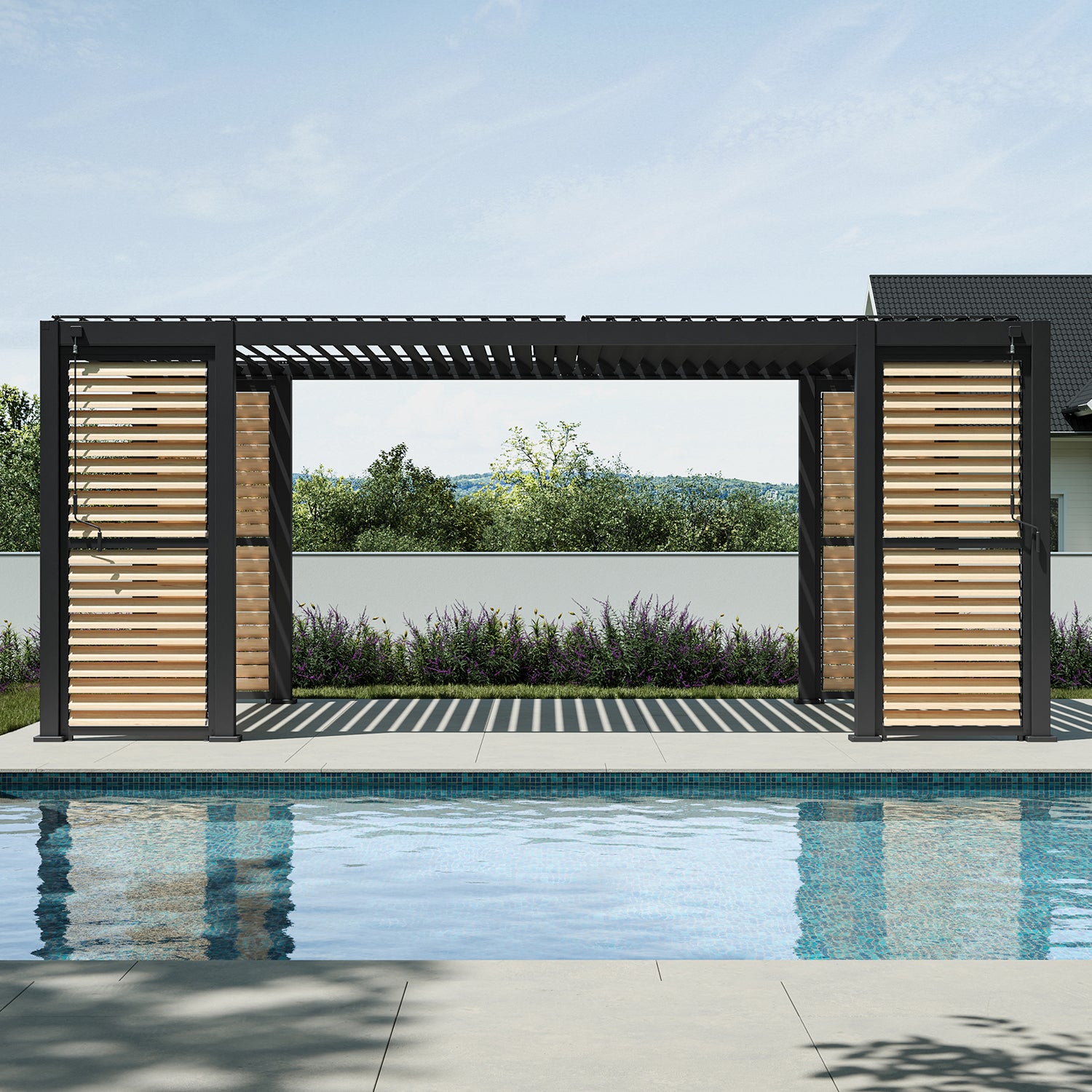
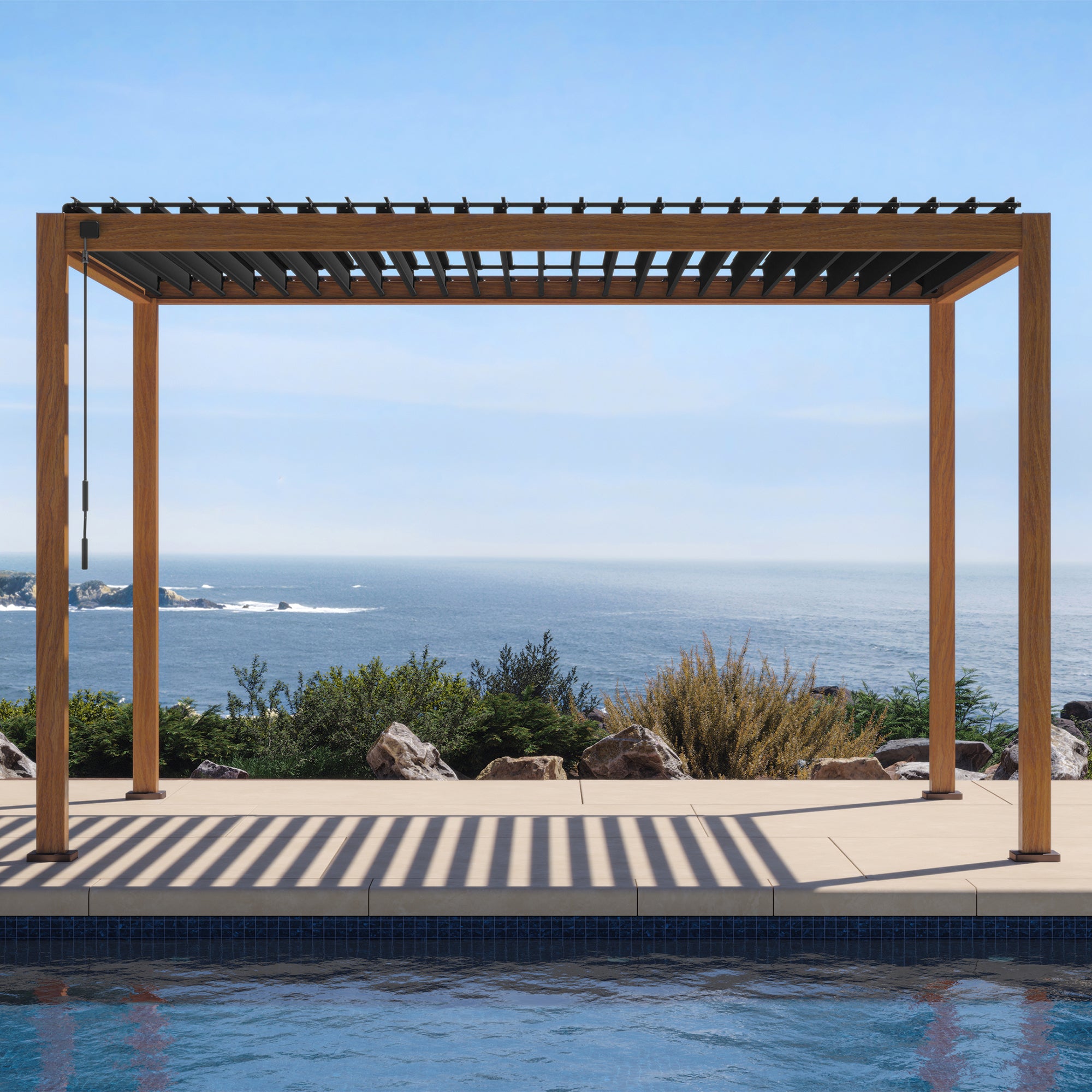
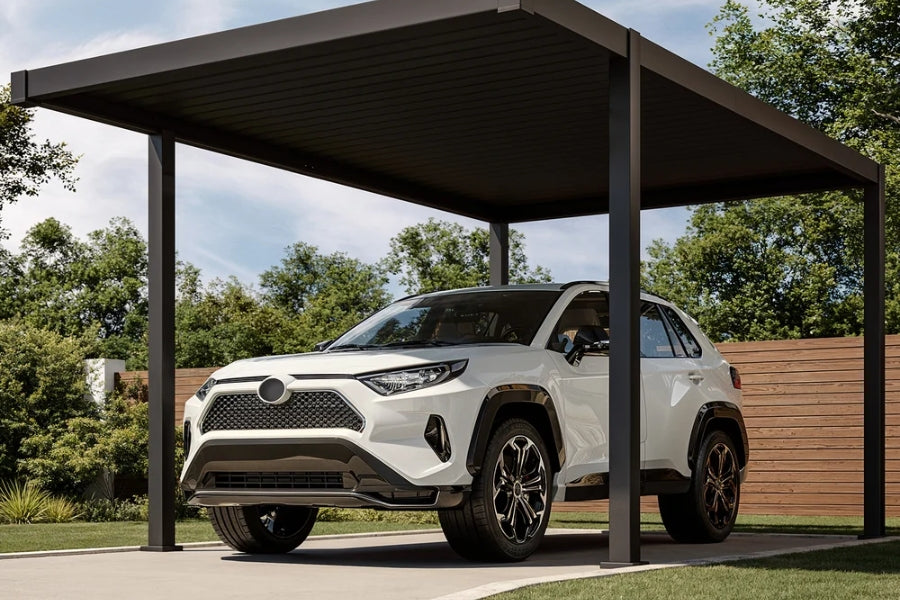
A car gazebo is an open-sided, roofed outdoor structure intended to shelter a vehicle. Think of a hardtop pavilion with a parking job. It can have the clean lines and garden-friendly look of a gazebo while keeping direct sun and falling rain off much of your car.
The important word is “intended.” A pretty backyard gazebo is not automatically suitable for parking. Its opening may be too narrow or its beam too low for a roof rack. Check the exact model's stated uses and installation documents.
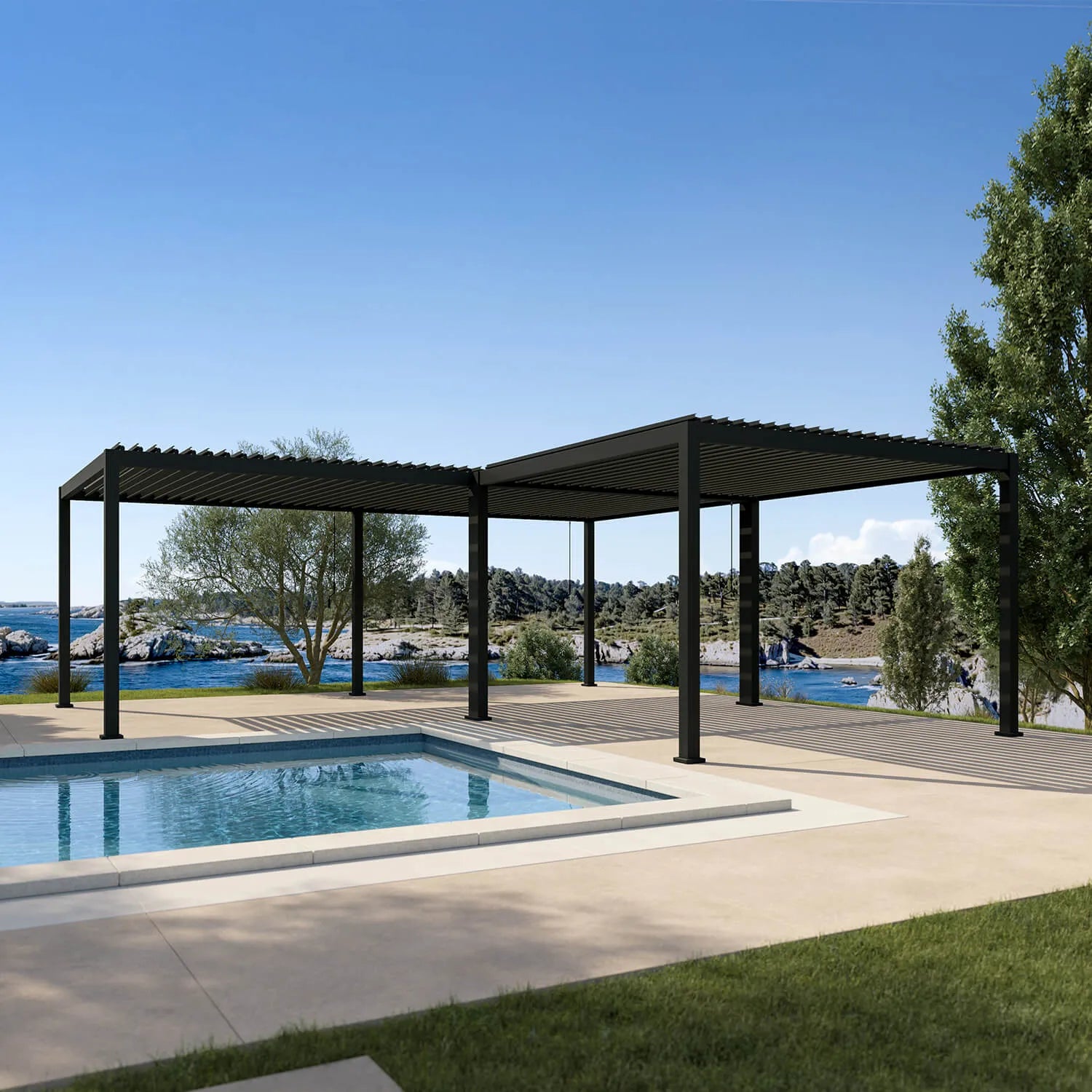
One real example is the Mirador 111A 10 by 16 foot Offset Gazebo. Mirador lists vehicle shelter among its uses. The published overall dimensions are about 10.10 feet wide, 16.37 feet long, and 8.23 feet high. Those are outside dimensions, not a promise of usable drive-through clearance. Ask for the clear opening between posts and the lowest overhead point before deciding whether your car fits.

Car Gazebo vs. Traditional Carport: Key Differences
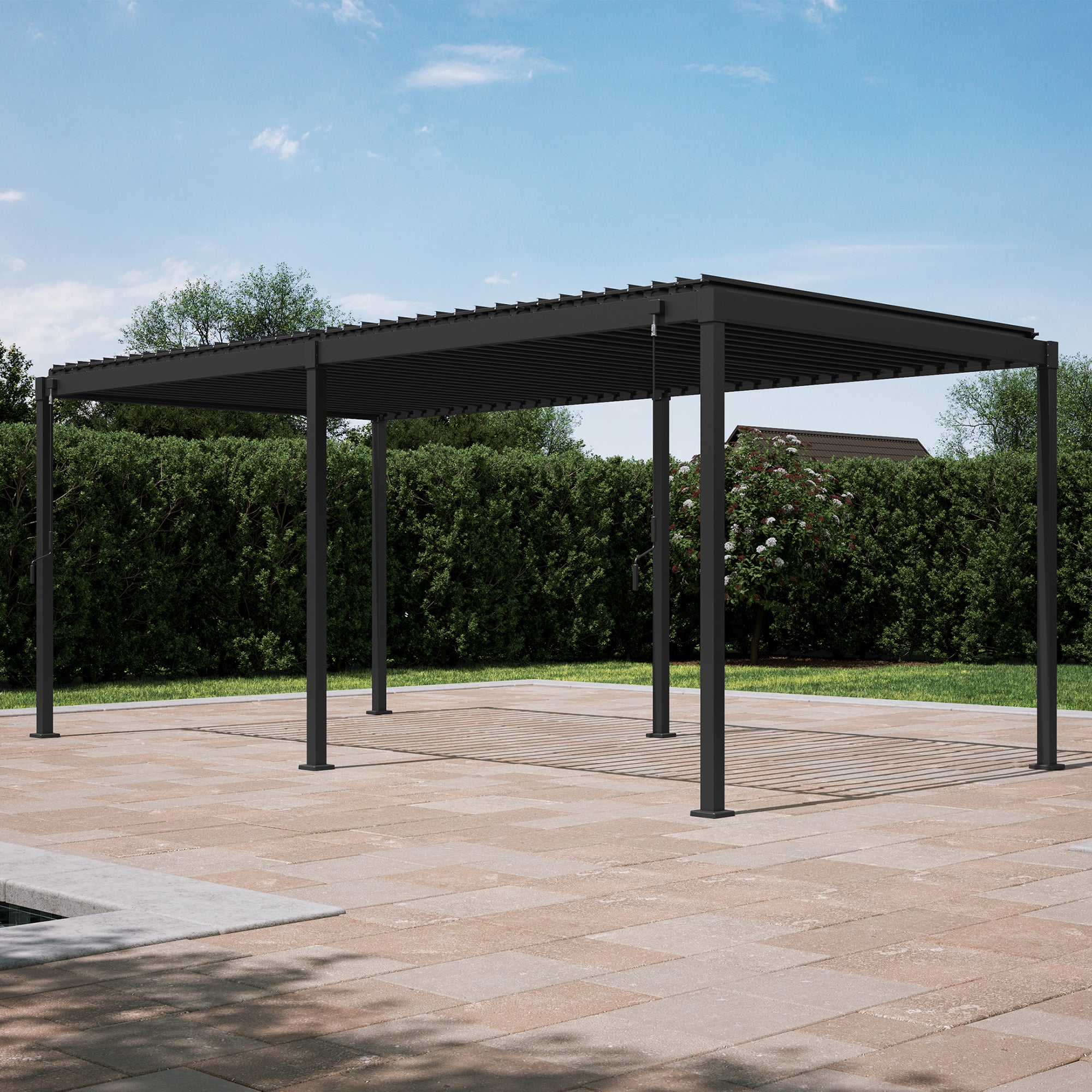
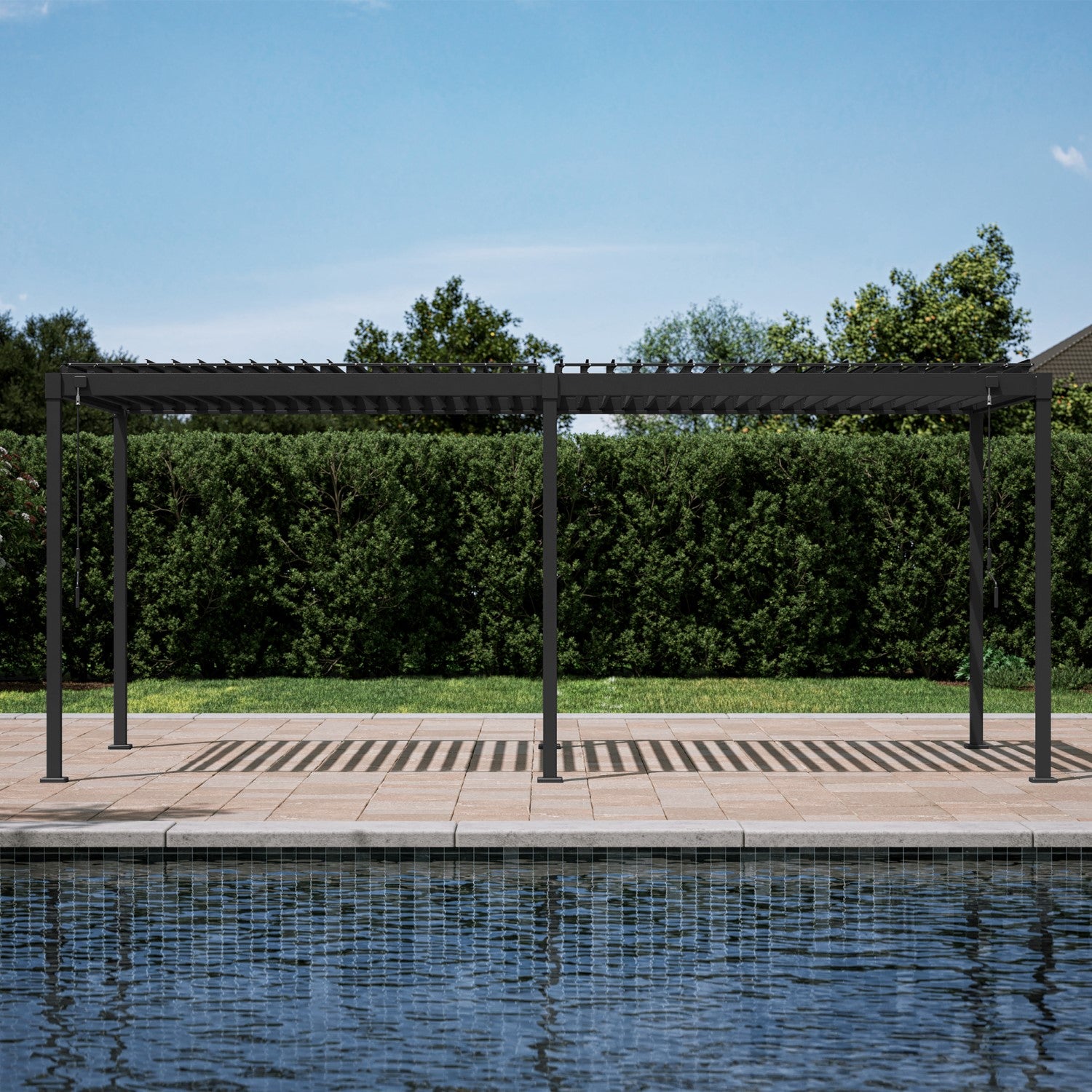
A traditional carport is built around parking first. It may be attached to a house or freestanding. Materials, roof shapes, and sizes vary widely. Some are simple single-car covers. Others are designed for two cars, a boat, or a taller vehicle. That range can make a carport easier to tailor to an awkward driveway.
A car gazebo often starts with an outdoor-room look. You may like that if the shelter sits in full view of your patio. Some designs can shade a place to sit when the car is away. Still, a car gazebo is not automatically sturdier or more expensive. The actual design matters more than the category name.
Both options are usually open at the sides. Both can reduce direct exposure from above. Neither behaves like an enclosed garage. Wind-driven rain, blowing leaves, dust, and theft risk do not disappear because you added a roof.
Which Offers Better Protection for Your Car?
For everyday sun and straight-down rain, start with the roof footprint. Does it cover the whole car, including the windshield and rear? Does it still help when you park a little off-center? A generous roof can matter more than whether the seller calls the structure a gazebo or a carport.
Next, look at local weather. In snowy or windy areas, check the model's published ratings and required anchoring. Do not assume a rating applies to every installation. A sound foundation and correct fasteners matter, too.
Open sides are the limit for both. Low afternoon sun can reach the doors and dashboard. Wind can push rain under the roof. If that is a major concern, consider the shelter's orientation and any manufacturer-approved side options. A garage or another enclosed solution may be the better fit if you need security or near-total weather coverage.
Also think about water after it leaves the roof. Gutters help only if the discharge has somewhere sensible to go.
When a Gazebo for Car Parking Makes More Sense
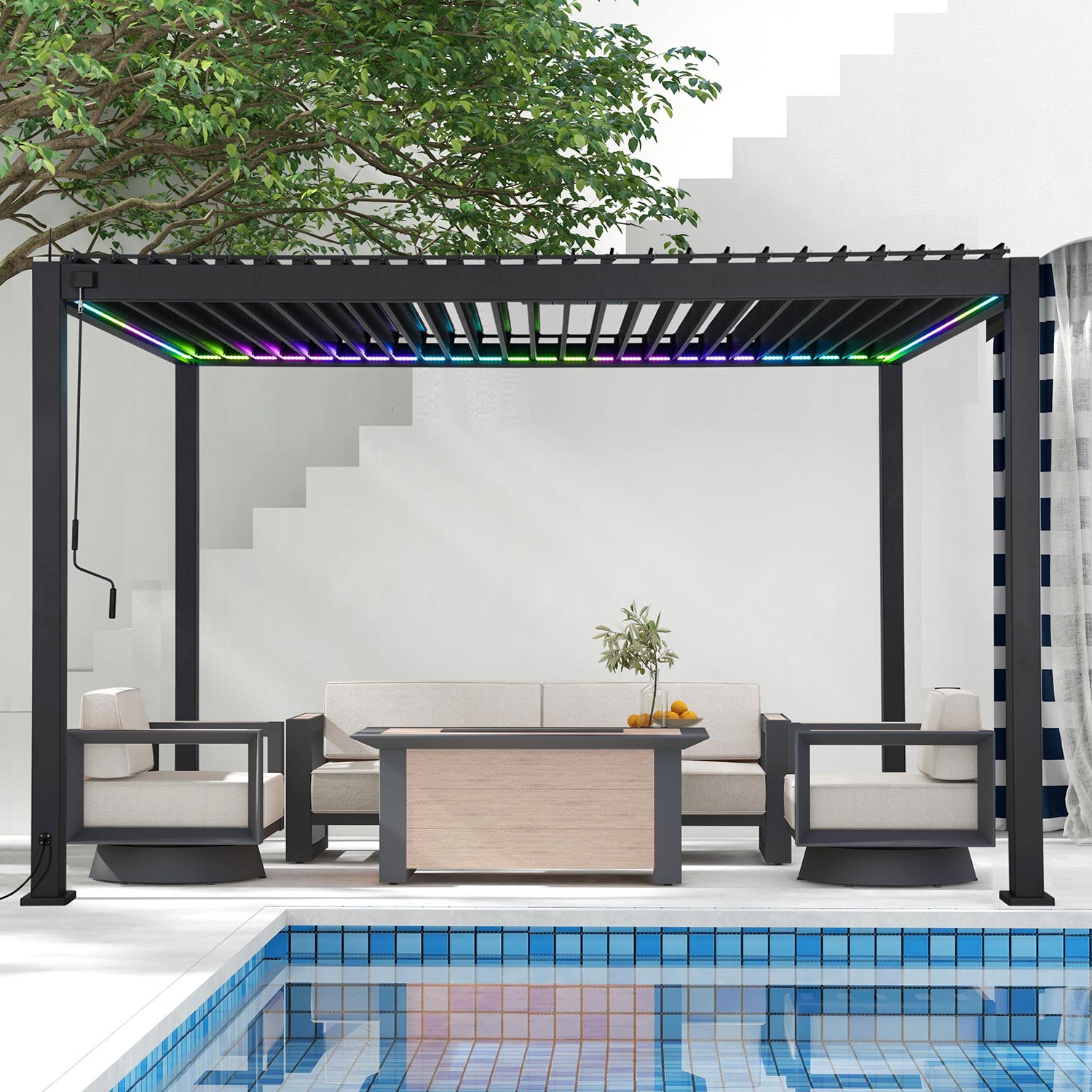
A car gazebo earns its place when the parking spot is part of the outdoor scene, not just a place to store a vehicle. Maybe the driveway borders a garden. Maybe you see the shelter from your kitchen every morning. A pavilion-style roof can look deliberate in those spaces.
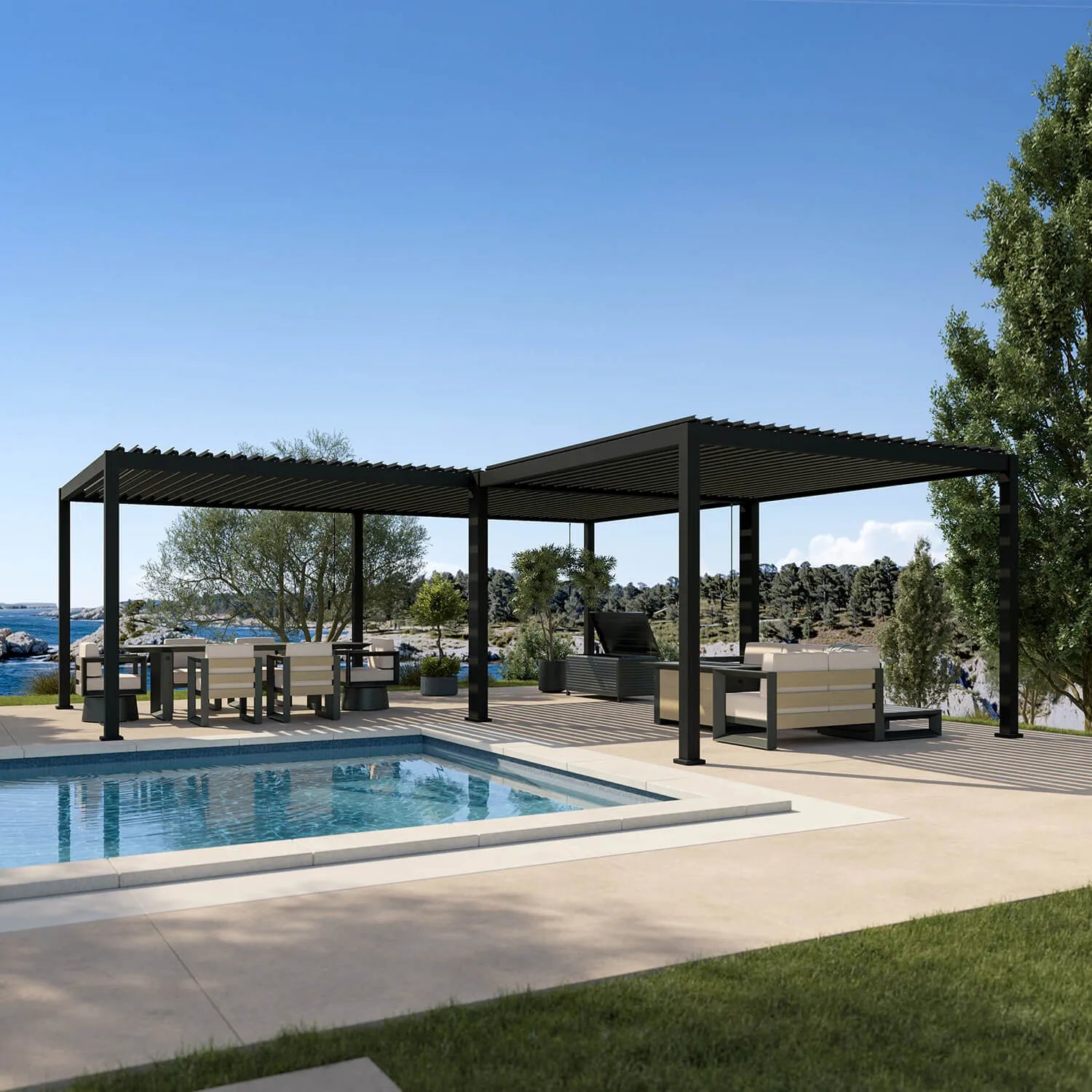
It can work for one vehicle when you want the area to do more than one job. On a car-free afternoon, the roof might shade a temporary worktable or a few chairs. But the car still needs room to enter and open its doors safely.
This is where a vehicle-rated product matters. Mirador's 111A is specifically presented as a shelter for vehicles as well as outdoor activities. Its offset layout may appeal if you want a different look from a standard rectangular parking canopy. But check the actual opening and turning path against your car. The published outside size cannot answer those questions by itself.
If you like the style of Mirador's wider gazebo collection, compare carefully: not every garden gazebo on that page is marketed for vehicle use.

When a Traditional Carport Is the Better Choice
Choose a carport when parking is the main event. If you have two vehicles, an oversized SUV, a camper, or a tricky driveway, the range of purpose-built carport spans and heights may give you more options. You can work backward from the vehicle rather than trying to make one pavilion footprint fit.
An attached carport may make sense if you want a covered route to the door. That connection brings its own drainage and permit questions. A freestanding one may fit farther from the house.
Budget is another reason to shop both categories. Do not assume one will cost less. Compare the full installed cost: structure, delivery, site preparation, footings, anchoring, labor, drainage, and any permit fees. A low kit price can look very different once the ground work is included.
Traditional carports can look good, too. A parking-first design need not feel purely utilitarian.
What to Check Before Installing Either Shelter
- Start with the car, not the brochure. Measure its length, width with mirrors, and total height with anything you actually carry on top. Then add comfortable room for the doors, the trunk or liftgate, and walking around the parked vehicle. If a second vehicle might share the space later, plan for that now.
- Measure the structure in the places that count: clear width between posts, clear height below the lowest beam, drive-in opening, and usable roof coverage. Overall dimensions can include the roof overhang and tell you little about the space your car can occupy. Sketch the turning path from the street or garage. A shelter can be wide enough on paper yet awkward to enter.
- Walk the site after rain. Where does water collect? Is the driveway level enough for the specified foundation? Are utilities, wires, trees, or a gate in the way? We also emphasizes matching dimensions to the vehicle and checking local rules.
- Then call your local building office and read any HOA rules. Setbacks, permits, anchoring, and design limits vary by address. Do this before ordering. Finally, check the current product manual, warranty conditions, and whether professional installation is needed for the performance rating you are relying on.
Is a Car Gazebo Better Than a Carport?
Sometimes, yes. If you have one suitably sized vehicle, want a shelter that feels connected to the garden, and value a space that can do a second job, a car gazebo can be the more satisfying choice. It solves a practical problem without making the yard feel like a parking lot.
If you need more parking room, an unusual height or span, or a structure that connects closely to the house, a traditional carport may be the easier design to fit to the job. Neither name guarantees stronger weather protection. Roof coverage, clearances, site conditions, and proper installation decide that.
My quick test: mark the proposed posts on your driveway with tape. Park inside the outline. Open the doors. Walk to the house. If the space works in real life, you have a better answer than any product photo can give you.
FAQs
Can any gazebo be used as a car shelter?
No. Confirm that the specific model is intended for vehicle shelter. Check its clear openings, roof height, anchoring instructions, and local approval requirements. A standard patio gazebo may not fit or be suitable for that use.
Will a car gazebo protect a vehicle as well as a carport?
It can provide comparable overhead shade and rain cover if its roof, size, and installation suit the site. Open sides still leave both structures exposed to sideways weather and blowing debris. Compare the actual designs, not the names.
Do I need a permit for a car gazebo or carport?
Possibly. Rules depend on your location, structure size, foundation, and whether it attaches to the house. Ask your local building office and check HOA rules before you order or install anything.