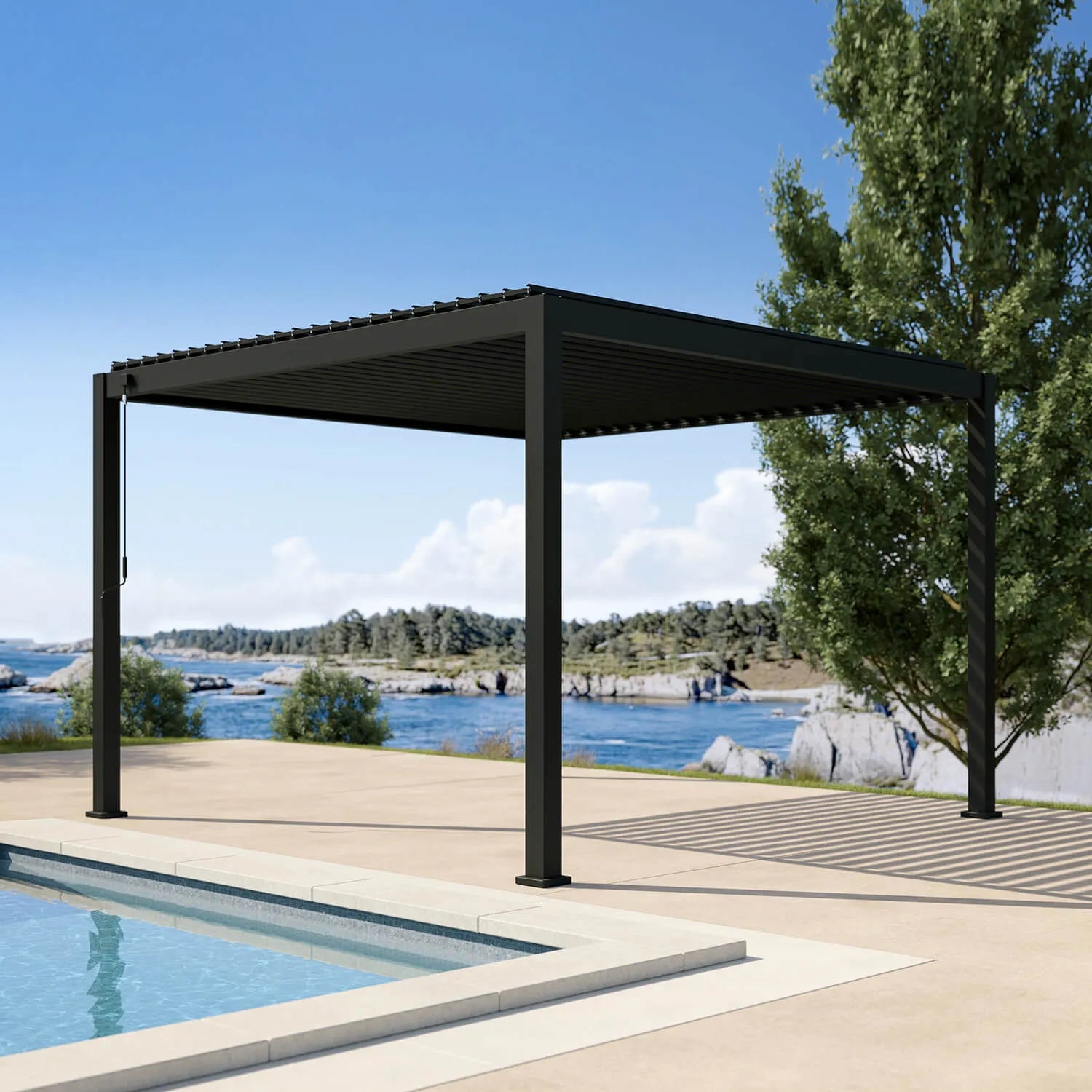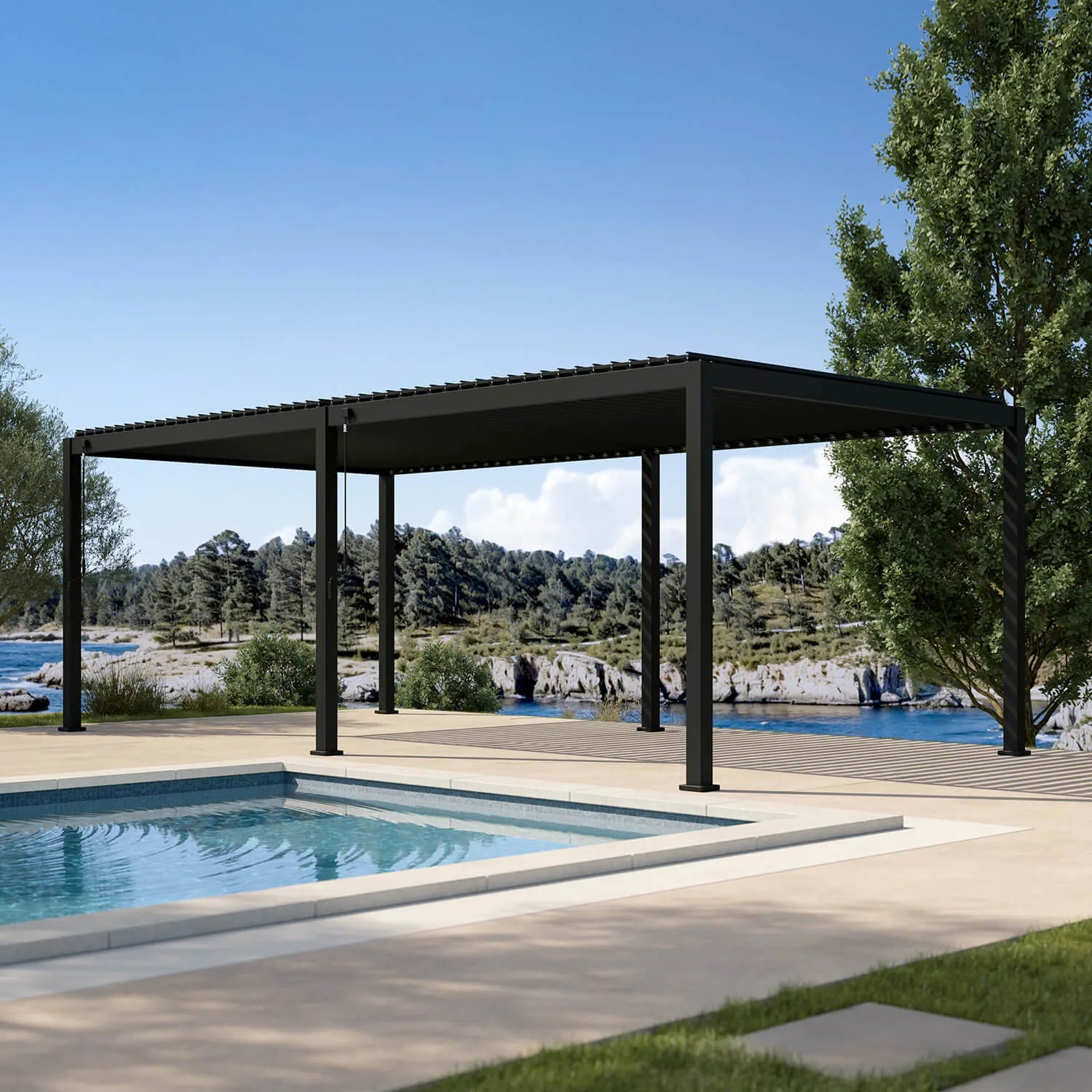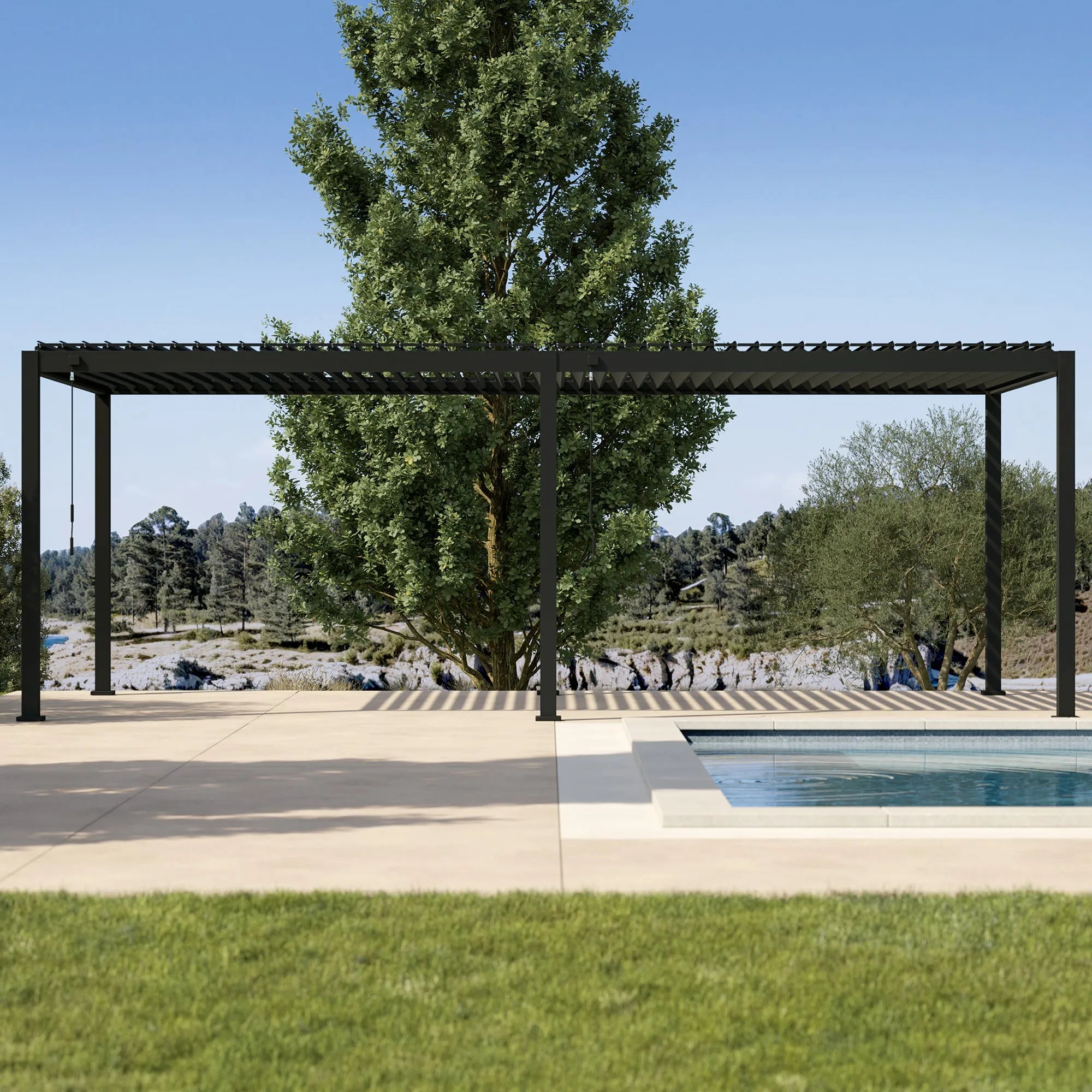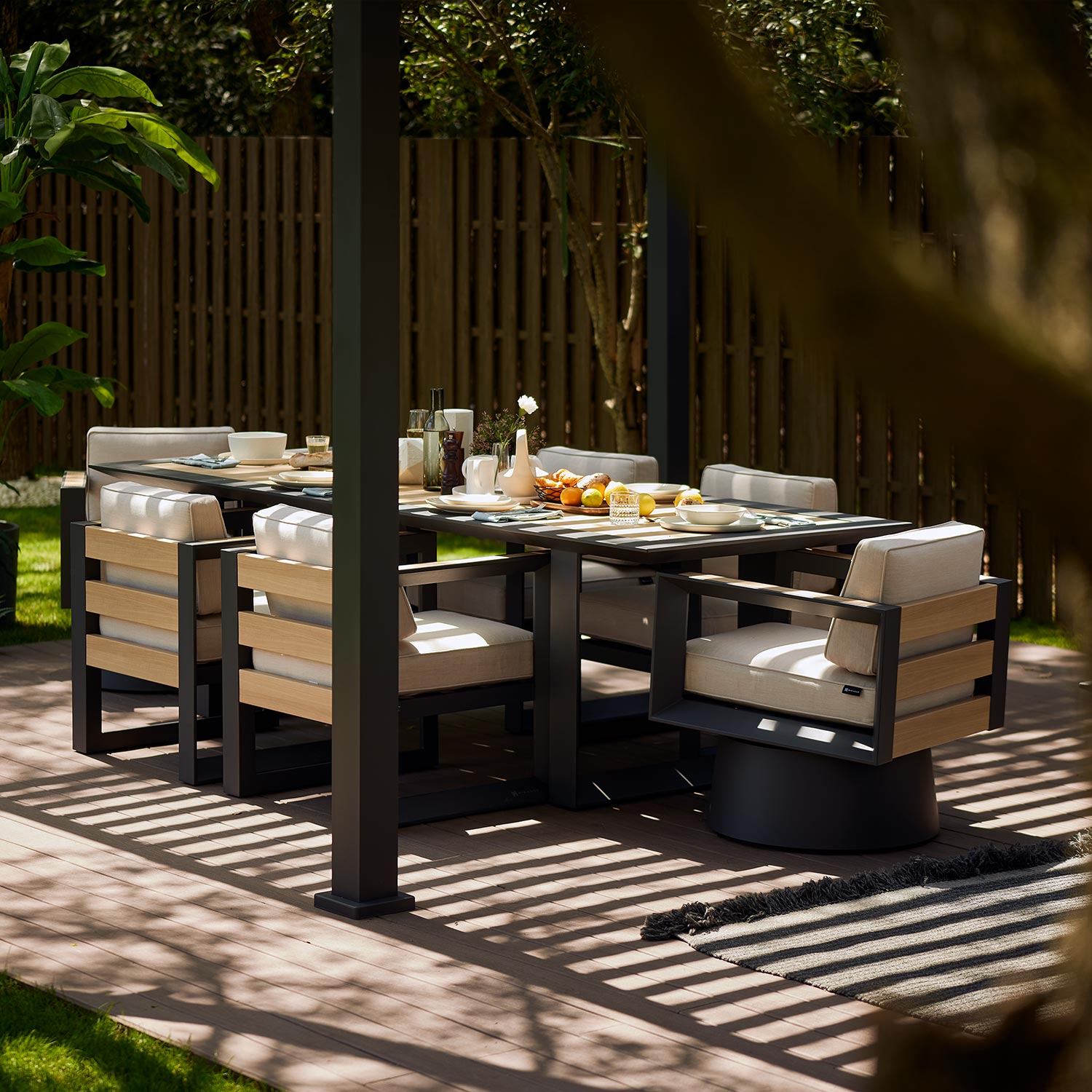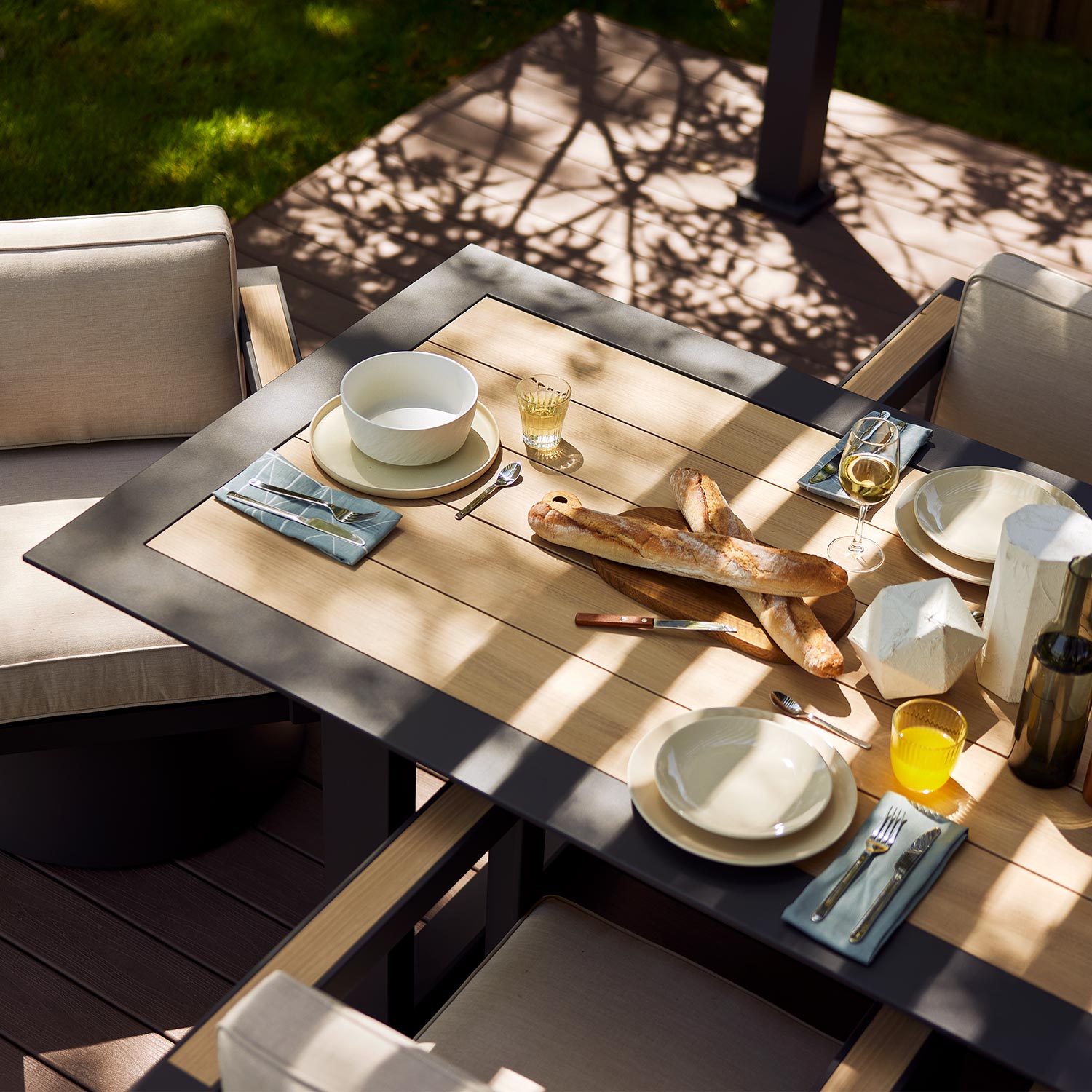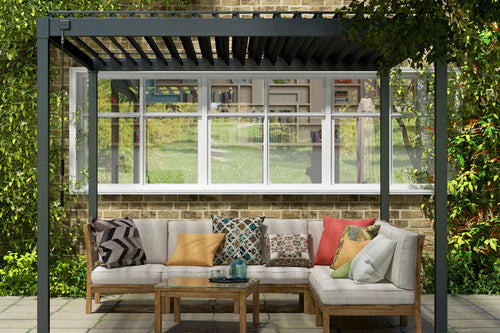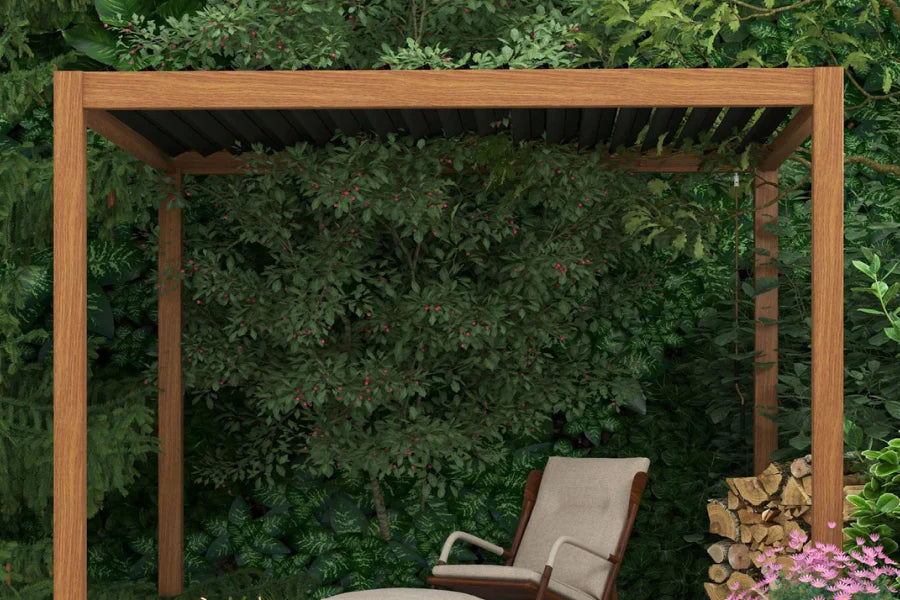

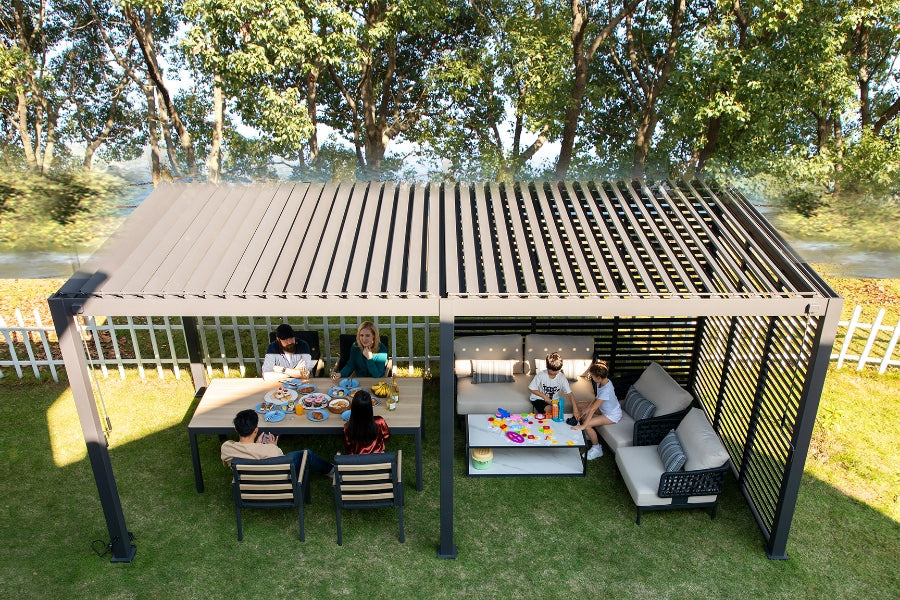
Staring at an empty backyard, it’s hard not to wonder what could make it more inviting. Maybe more shade. Maybe a better setup for grilling or hosting friends on weekends. You start searching, and two options keep showing up: pergola vs gazebo. And yeah, they look kind of similar at first glance. But they're really not, especially the roof. Choosing the wrong one is an expensive mistake.
Lately, there’s also been a noticeable shift in style preferences. Homeowners aiming for a stylish, modern backyard tend to lean toward pergolas, while gazebos are still the go-to for a more traditional, classic look.
We're Mirador Outdoor, and we've helped thousands of homeowners figure out exactly this. Here's an honest breakdown of how a louvered pergola stacks up against a gazebo for backyard use, so you can decide what's actually right for your space and your wallet.
Pergola vs. Gazebo: What's the Actual Difference?
The main difference between a pergola and a gazebo is the roof. A traditional pergola has an open framework of crossbeams and rafters. It looks great, lets light in, and gives climbing vines somewhere to go. But they don't offer protection from wind or rain because they are open on all four sides.
A gazebo? Opposite end of the spectrum. It's a freestanding structure with a solid roof. The sides can be open or closed, sometimes featuring railings or even full walls. But it's also bulky, hard to customize, and to some eyes, gazebos feel a bit out of date.
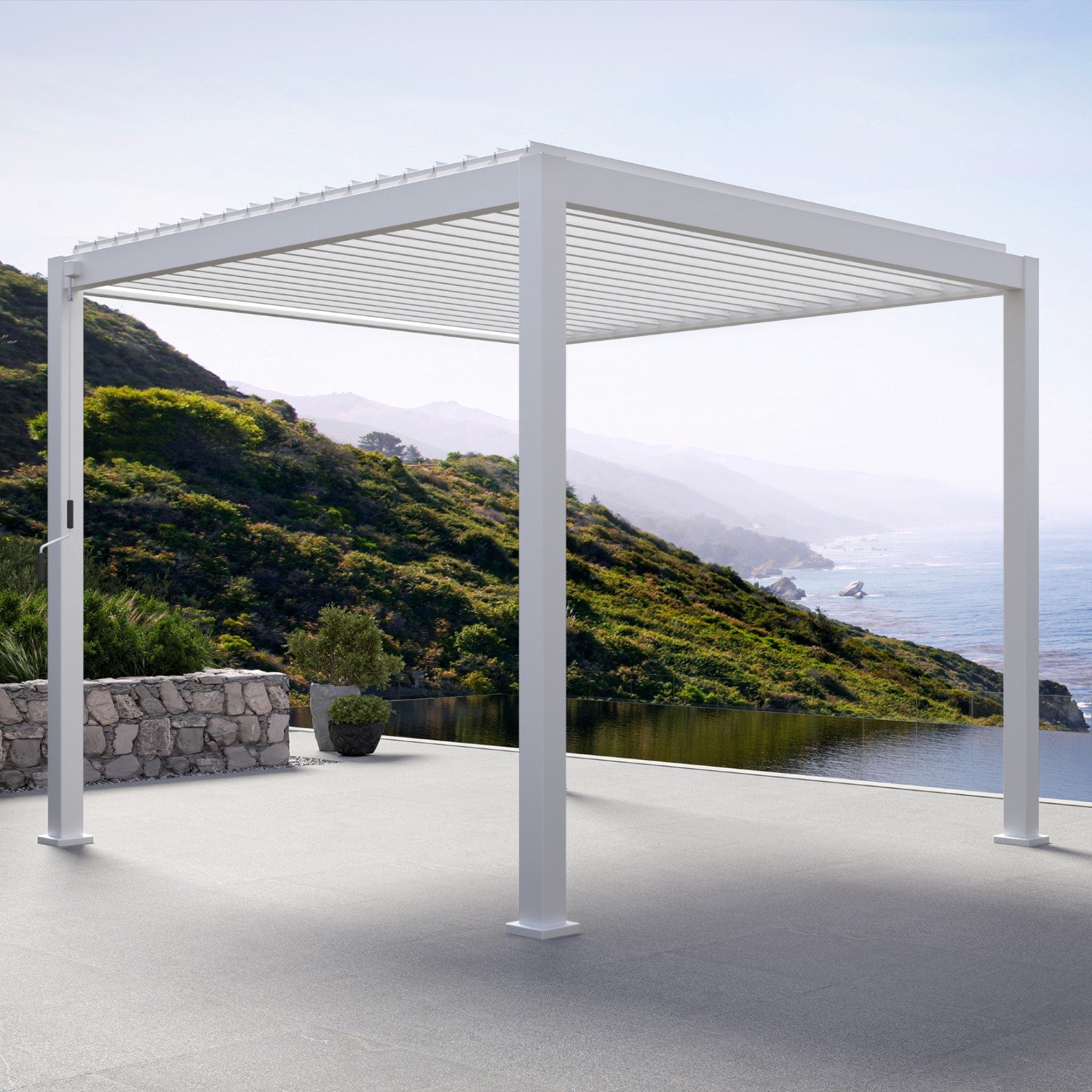
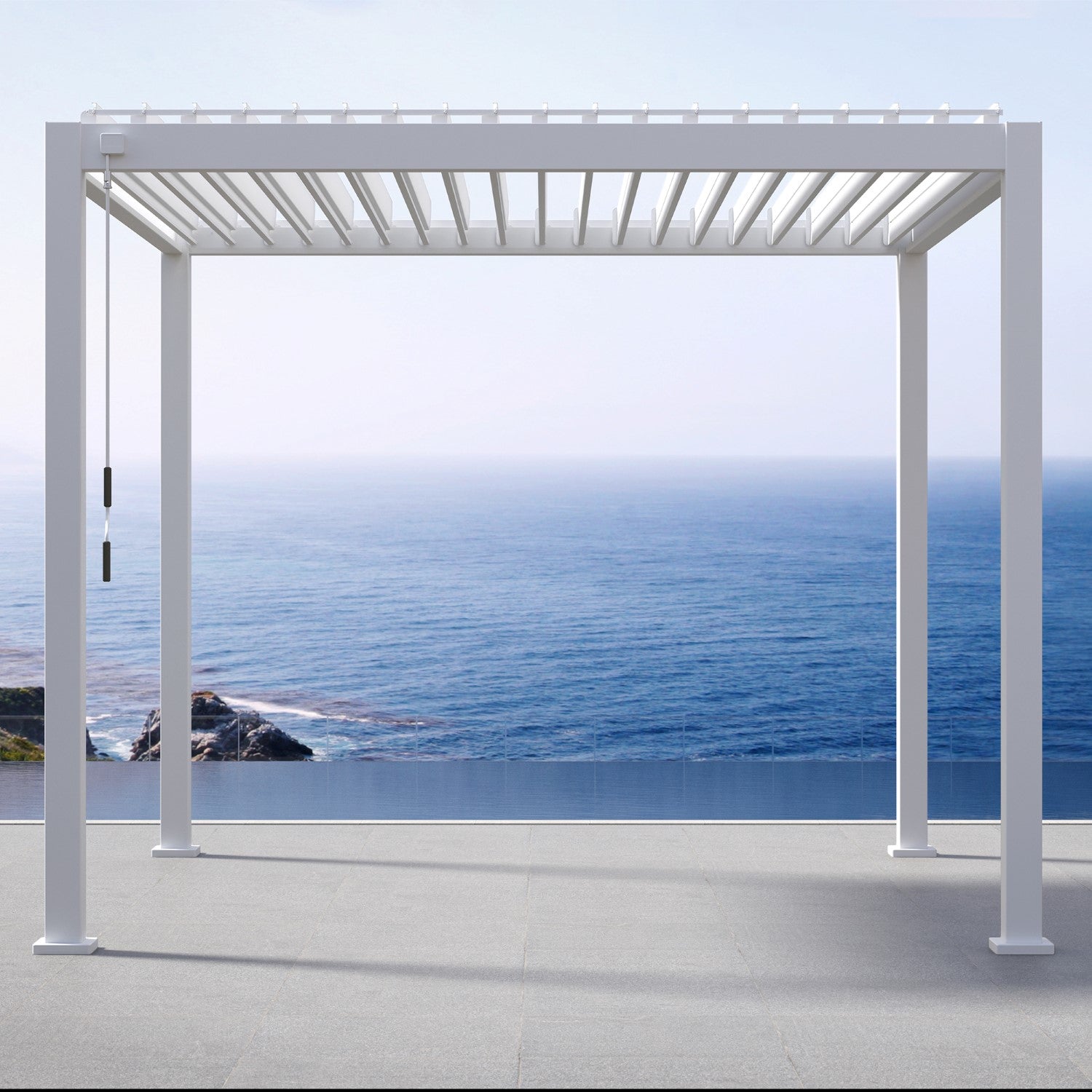
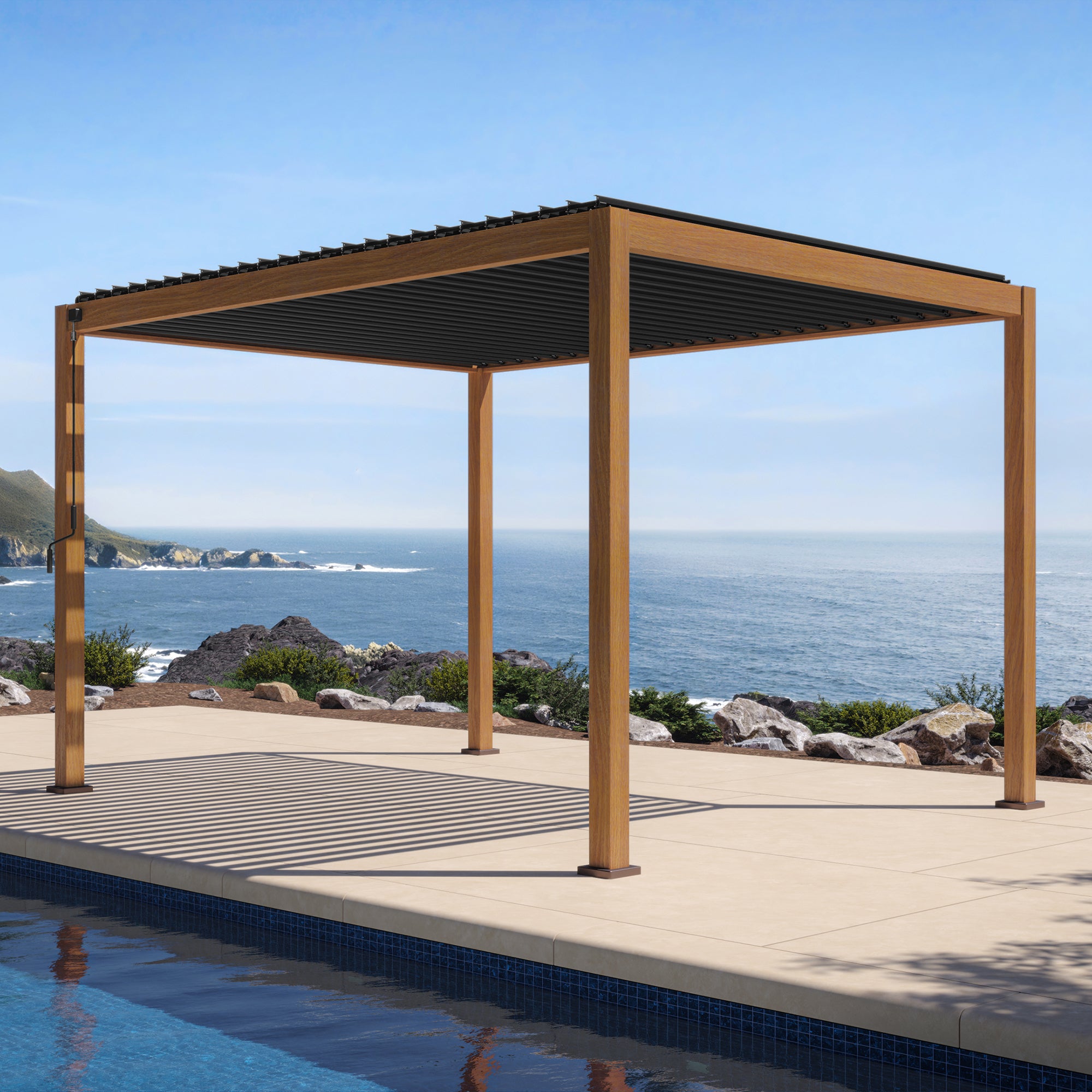
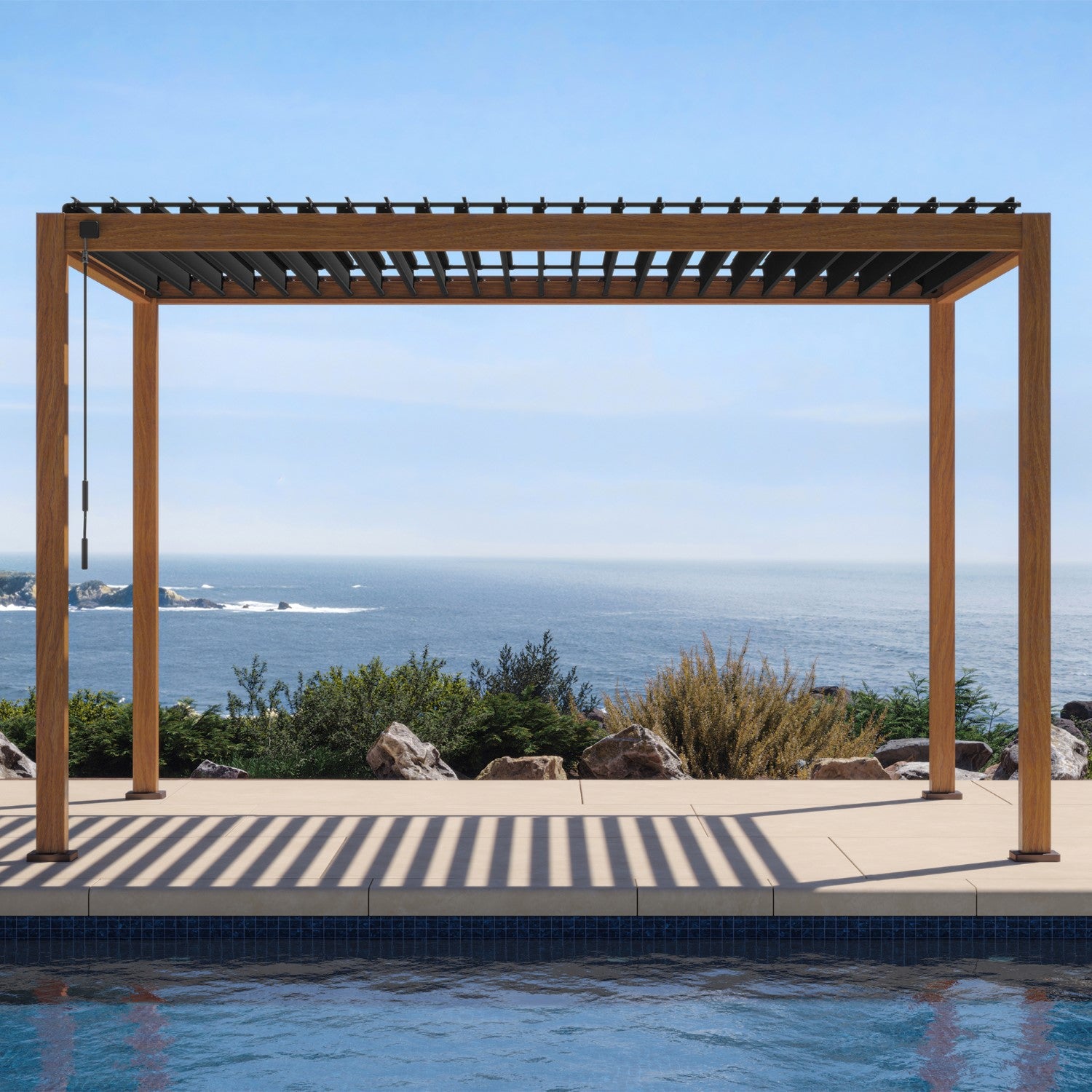
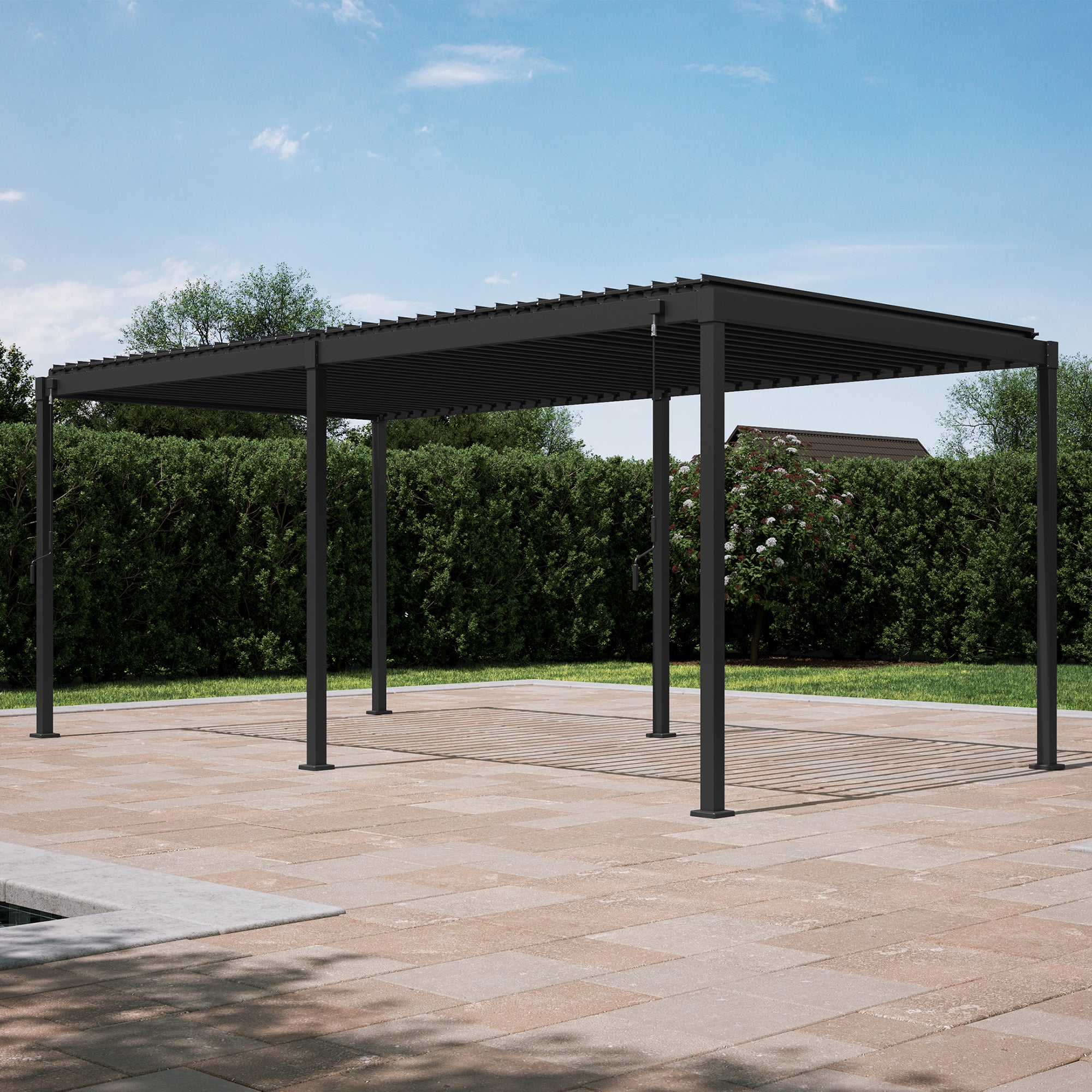
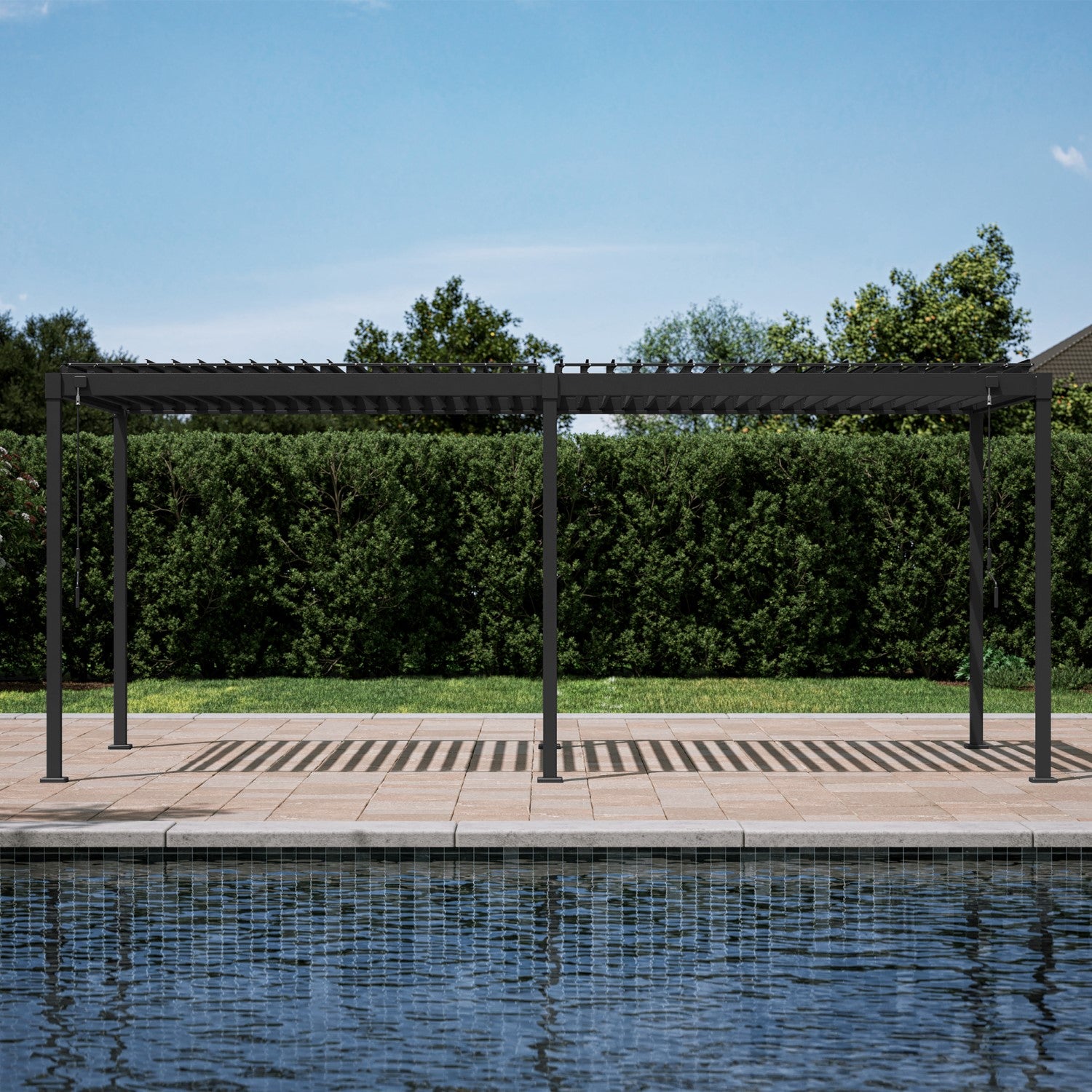
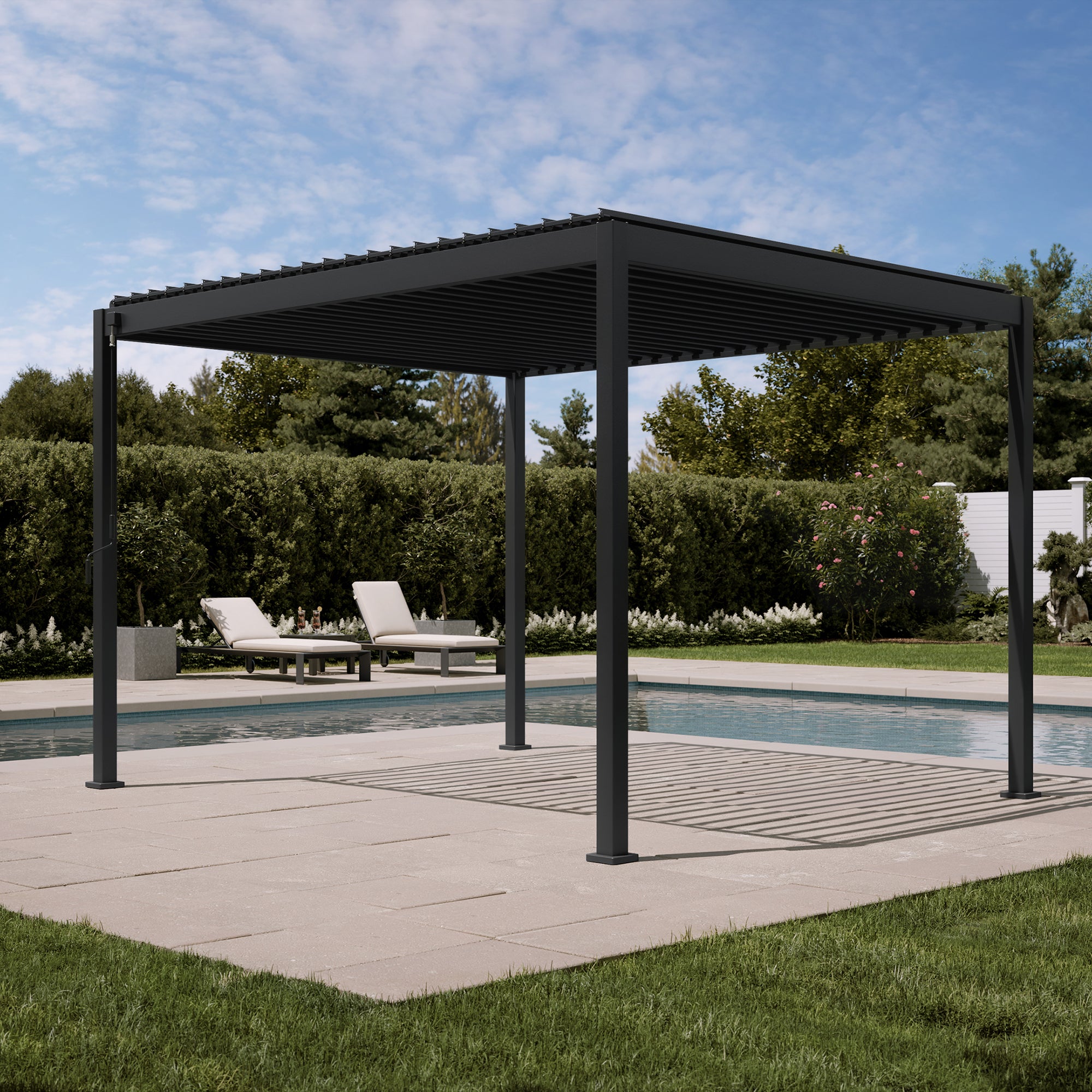
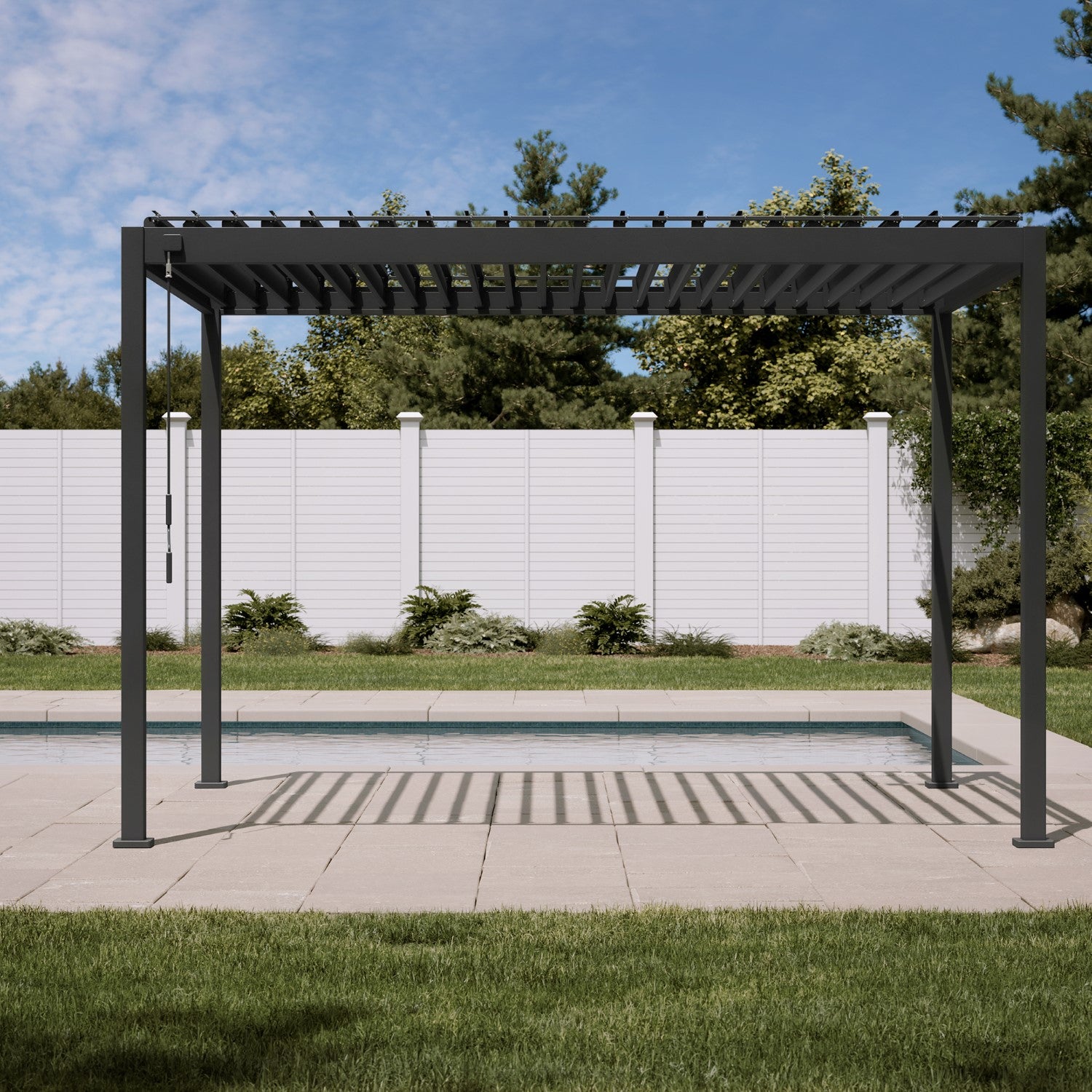
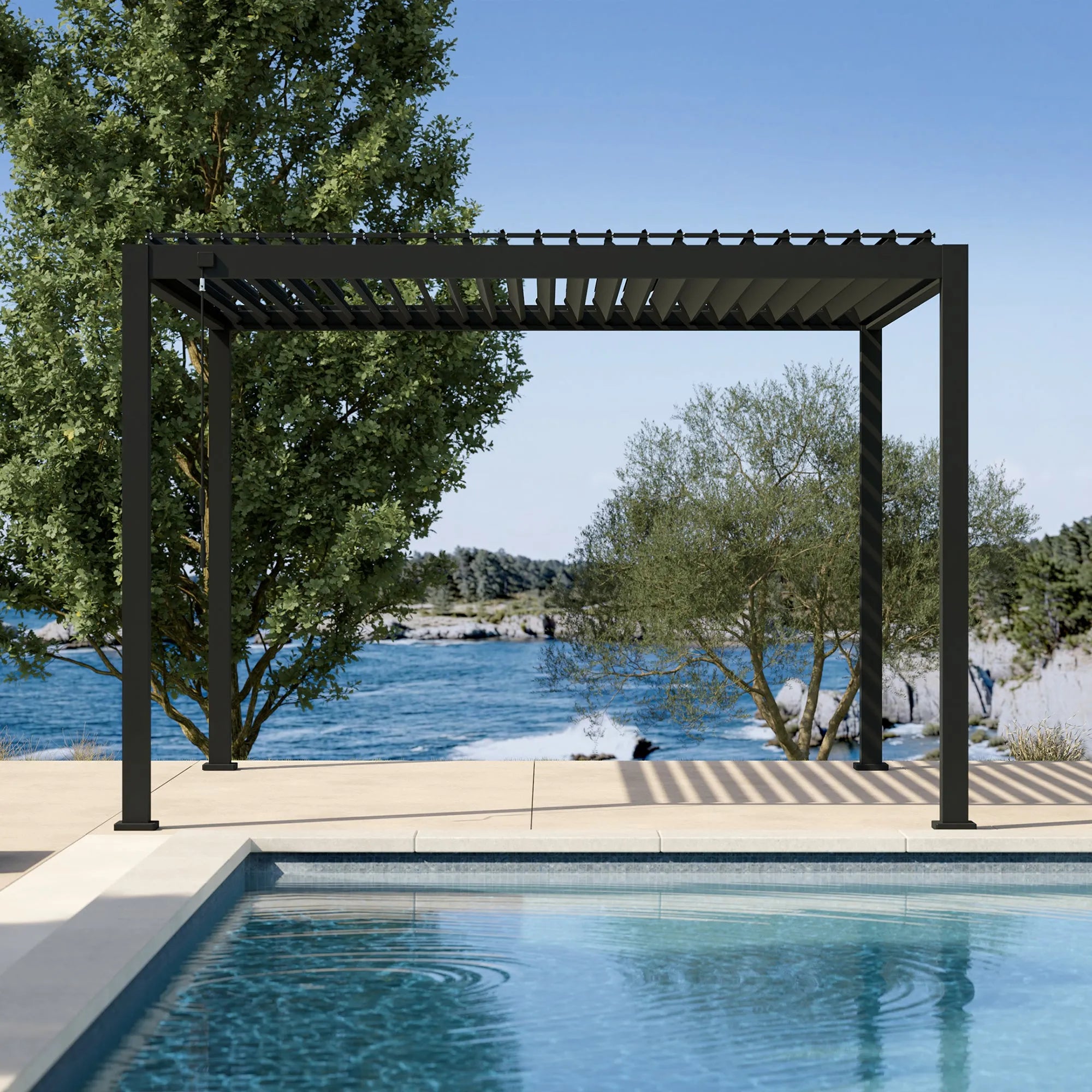
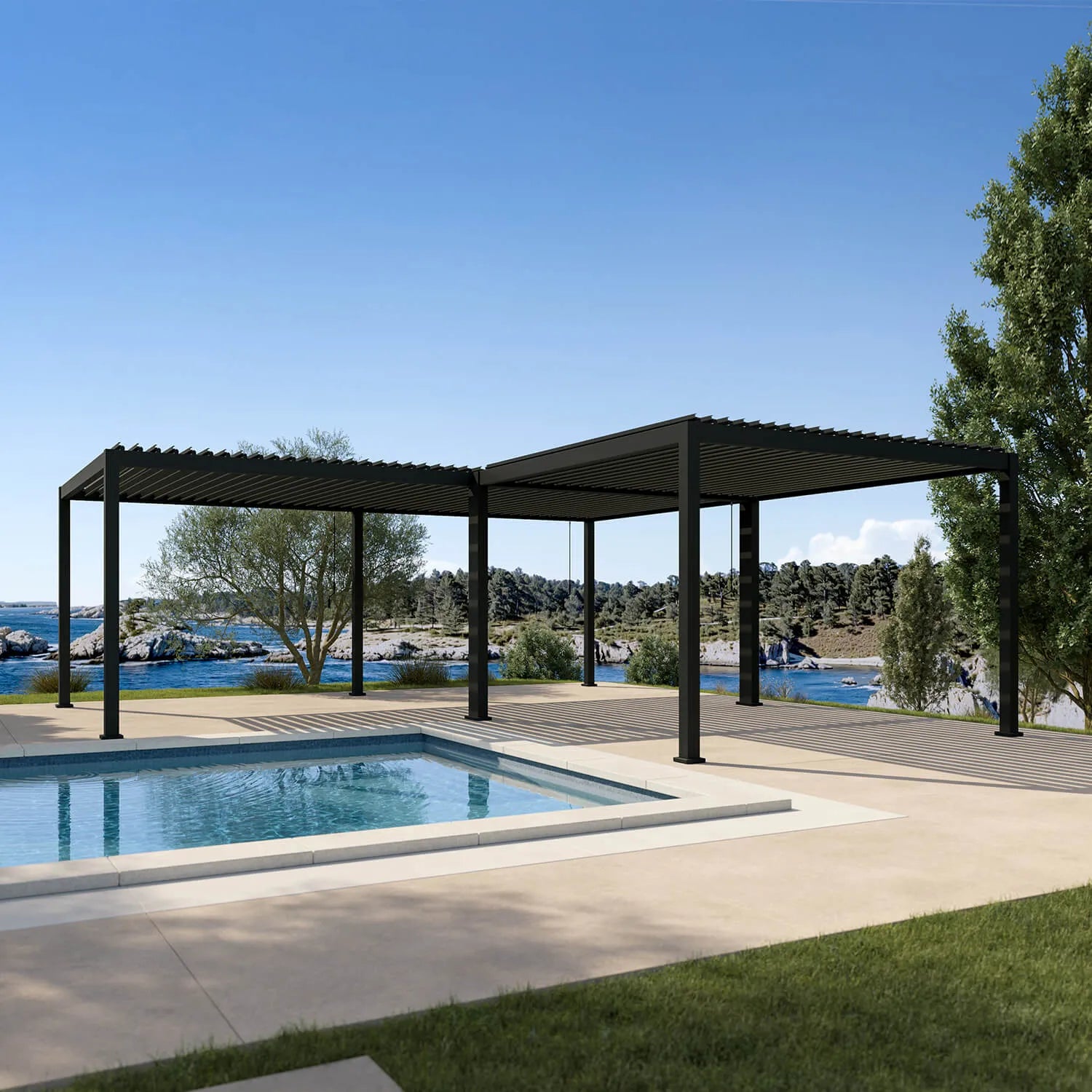
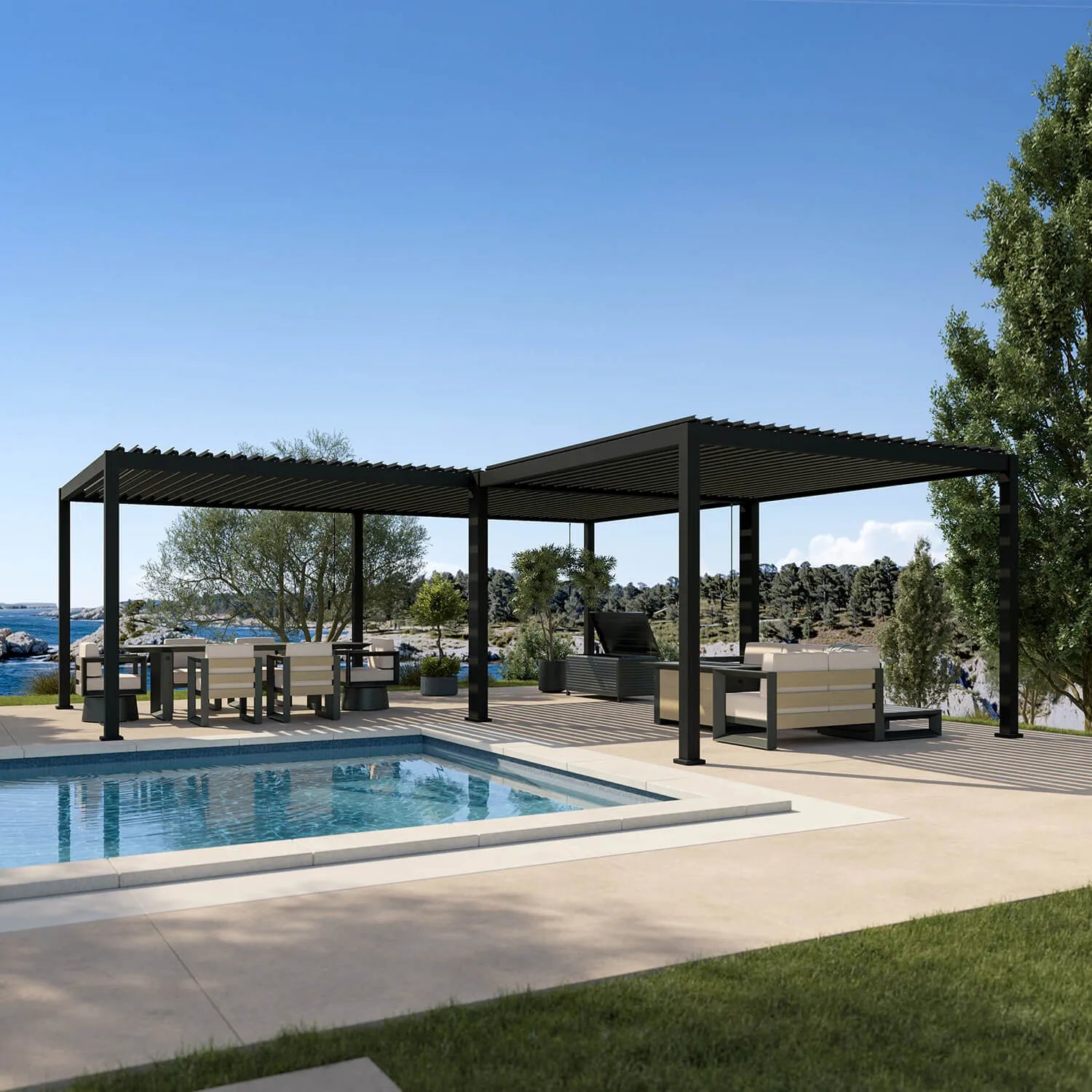
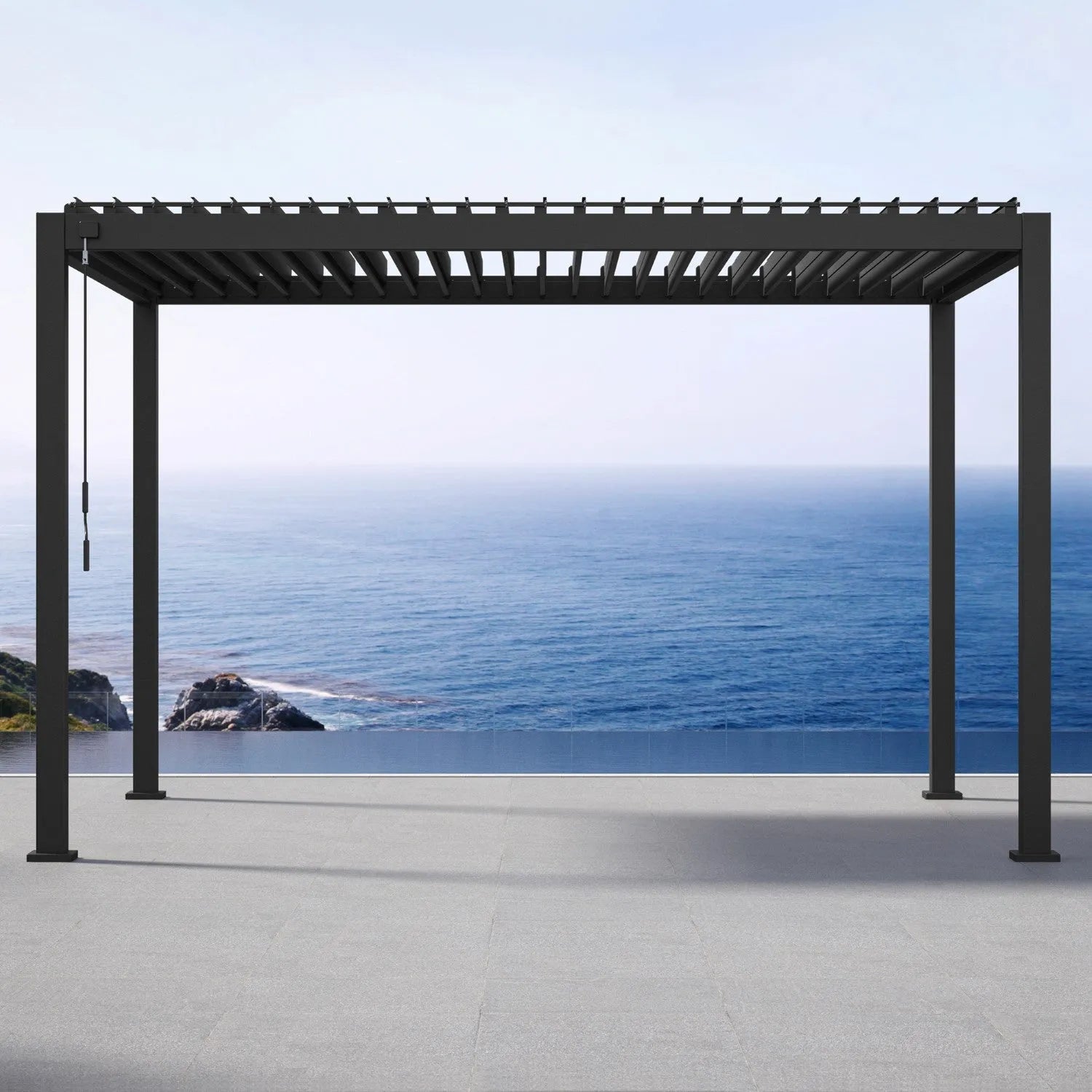
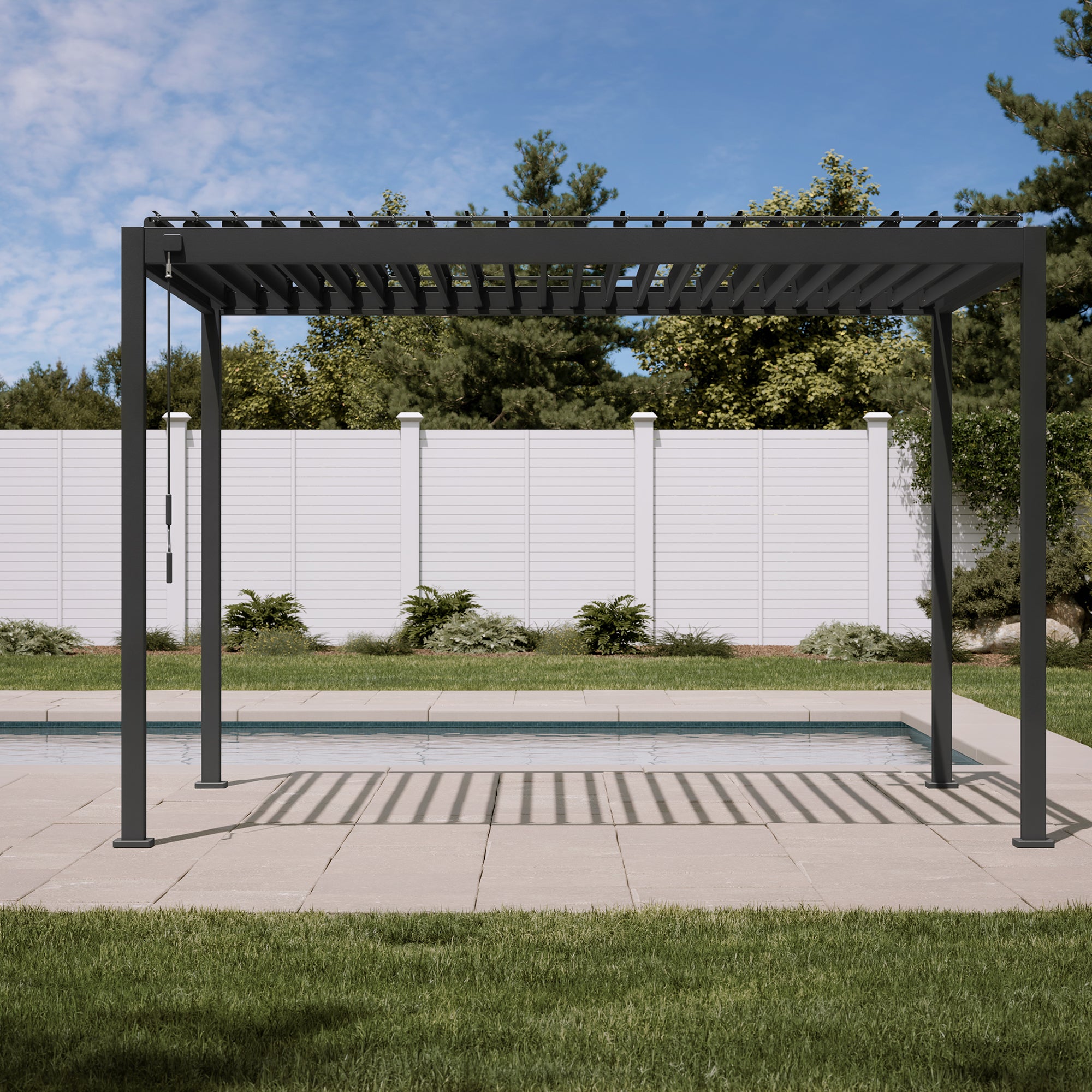
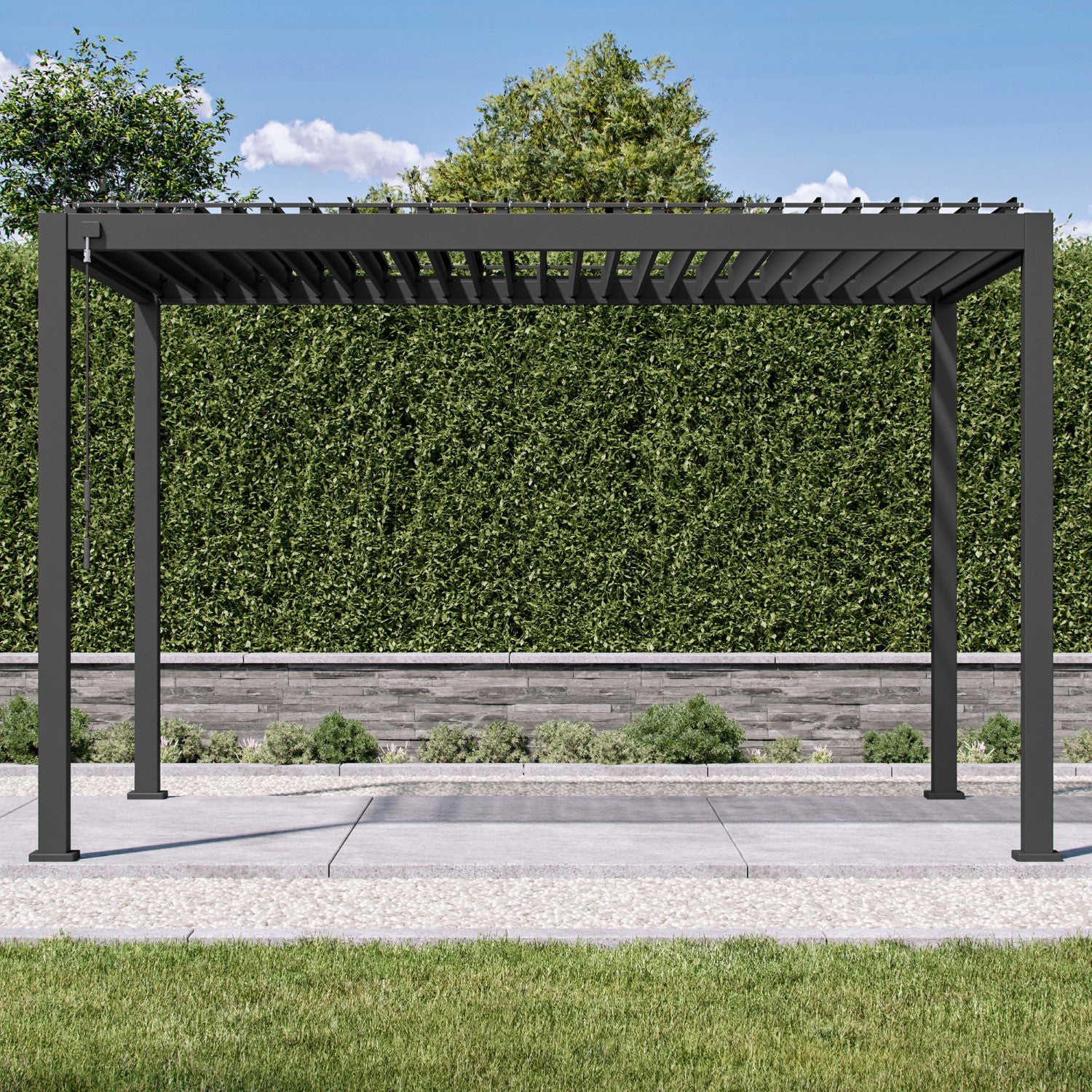
Then there's a third option: a louvered pergola. This is where things get interesting. Louvered pergolas feature adjustable roof panels that can open and close to control sunlight, airflow, and protection from rain. So you get the open-air vibe of a pergola and the weather protection of a gazebo. You can also add pull-down screens or shutter walls for even more control.
Gazebos are a good choice if you want a solid, fully enclosed roof. But if flexibility and modern style are what you're after, a louvered pergola wins that one.

Cost: Pergolas Are Easier on the Wallet
Let's talk numbers. Pergolas cost between $2,200 and $6,400 on average. Gazebo costs range from $2,700 to $10,000 on average.
Typically, pergolas cost less than gazebos. With a simple open-air frame, pergolas require fewer materials.
At Mirador, our louvered pergolas start at $1,299 and range up to $9,999, depending on material, size, and configuration. And these aren't basic open-beam pergolas. They feature adjustable louvers and a built-in drainage system.

Pergola vs. Gazebo: Quick Comparison
|
Feature |
Louvered Pergola |
Gazebo |
|
Roof Type |
Adjustable louvers (open/close) |
Solid, fixed |
|
Typical Shape |
Rectangular or square |
Octagonal or hexagonal |
|
Avg. Cost Range |
$1,300–$10,000 |
$2,700–$10,000+ |
|
Weather Protection |
Full (when louvers closed) |
Full |
|
Airflow Control |
Yes — angle the slats |
Limited (open sides only) |
|
Maintenance |
Low (aluminum/steel) |
Moderate to high |
|
DIY Install? |
Yes — kit models |
Usually needs a pro |
|
Placement |
Freestanding or wall-attached |
Freestanding only |
|
Modern Appeal |
High |
Traditional/classic |
|
Best For |
Modern patio dining, outdoor BBQs, poolside lounging, and versatile outdoor spaces requiring adjustable sun/shade. |
Traditional garden centerpieces and standalone all-weather retreats. |
Why a Louvered Pergola Beats Both Options
With a standard open-beam pergola, you're out of luck the second it starts raining. A louvered pergola, on the other hand, lets you close the slats into a flat, water-tight ceiling. The louvers rotate open to allow in sunlight or fresh air and close fully to create a solid roof that blocks out rain and harsh sun.
Our Mirador pergolas are built from premium aluminum or steel. The Takasho wood-grain models give you that warm timber look without the rot, fading, or constant resealing. Our pergolas come with manual or remote-controlled louvered roofs, so you have full control over your outdoor space. The patented integrated drainage system channels rainwater through the posts, and the structure is engineered to withstand strong winds.
Installation? Two people, basic tools, about four hours. No welds. No rivets. No contractor bill. Compare that to gazebos, where, unless purchasing a ready-made kit, a gazebo requires professional installation.

What About Home Value and ROI?
Both structures add value. But the return math favors pergolas.
Various sources suggest a return on investment (ROI) somewhere between 50 and 80 percent, so for every $1,000 spent, $500 to $800 might be recouped when the house sells.
Both add value, but pergolas can offer a higher return on investment because they are popular in modern design and cost less to install.
Real estate experts estimate a well-built pergola can return 50-80% of its cost at resale. Pergolas also photograph well for listings, creating that aspirational outdoor-living look that buyers are actively searching for.
Lower upfront cost + strong resale return = better net ROI. Pretty straightforward.

Our Recommendation
From a manufacturer's point of view, this is the easiest decision: a modern louvered pergola wins most of the time. We've seen it play out across thousands of backyards.
A louvered pergola gives you shade when you want it, open sky when you don't, and rain protection when you need it. It costs less than a gazebo, installs faster, needs less upkeep, and appeals to today's homebuyers.
Browse Mirador's full pergola collection — aluminum, steel, and Takasho wood-grain options starting at $1,299.
FAQs
Is a pergola cheaper than a gazebo?
Yes. Pergolas are generally less expensive home improvement structures compared to gazebos, due to being composed of fewer materials and having a simpler installation process. Mirador's louvered pergolas start at $1,299, while most quality gazebos start around $2,700 and climb quickly from there.
Can a louvered pergola protect from rain like a gazebo?
Absolutely. Close the louvers, and they form a water-tight roof. Mirador models also include a patented integrated drainage system that channels rainwater through the posts — so everything underneath stays dry. No puddles, no drips.
Does a pergola or gazebo add more home value?
From a real estate perspective, both structures add value. However, the modern, adaptable nature of a pergola often has a broader appeal to today's homebuyers who value flexible, multi-use spaces. Because pergolas cost less upfront, the net ROI typically edges out gazebos.
Can I install a louvered pergola myself?
Yes. Mirador pergolas are designed for DIY assembly — two people with basic tools can finish in roughly four hours. No rivets, no welds, no specialty equipment.
Which is better, a gazebo or a pergola?
Honestly, it depends on your priorities. A gazebo works if you need a fully enclosed outdoor room with a classic look, fixed shelter, and privacy. But for most homeowners who want flexible shade, modern design, lower cost, and stronger ROI, a pergola is the smarter pick. And if you go with a louvered pergola — like Mirador's lineup — you get rain protection too. It's the best of both worlds without the tradeoffs.