
Choosing an aluminum pergola or a wooden pergola for your backyard pergola project isn't as simple as picking the one that looks better in photos. Both materials have real pros and cons, and the right choice really comes down to how much time, money, and effort you’re ready to invest over the next 10 to 20 years. We've helped thousands of homeowners work through this exact decision at Mirador Outdoor, so here's what we think you should know before spending a dime.
Durability: How Long Will It Actually Last?
Here's the thing about wood: it looks gorgeous on day one. But a wood pergola's lifespan can be 10–15 years for pressure-treated pine and 15–20+ years for cedar or redwood with regular sealing. Skip a couple years of maintenance, and that number drops fast. If you stain it every year, you can expect 10 to 12 years of performance. But if you never stain it, it'll succumb to rot and mold in about 5 years.
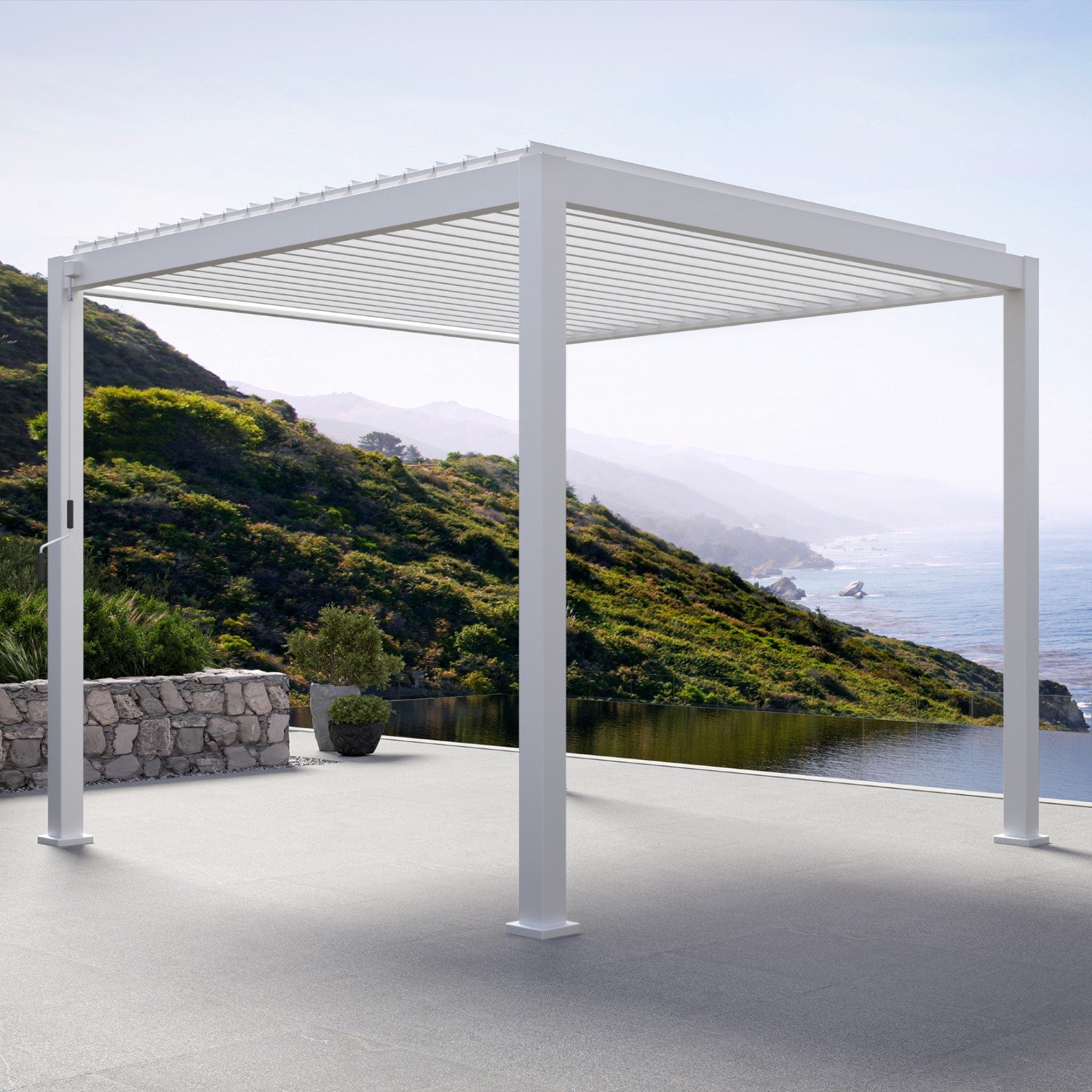
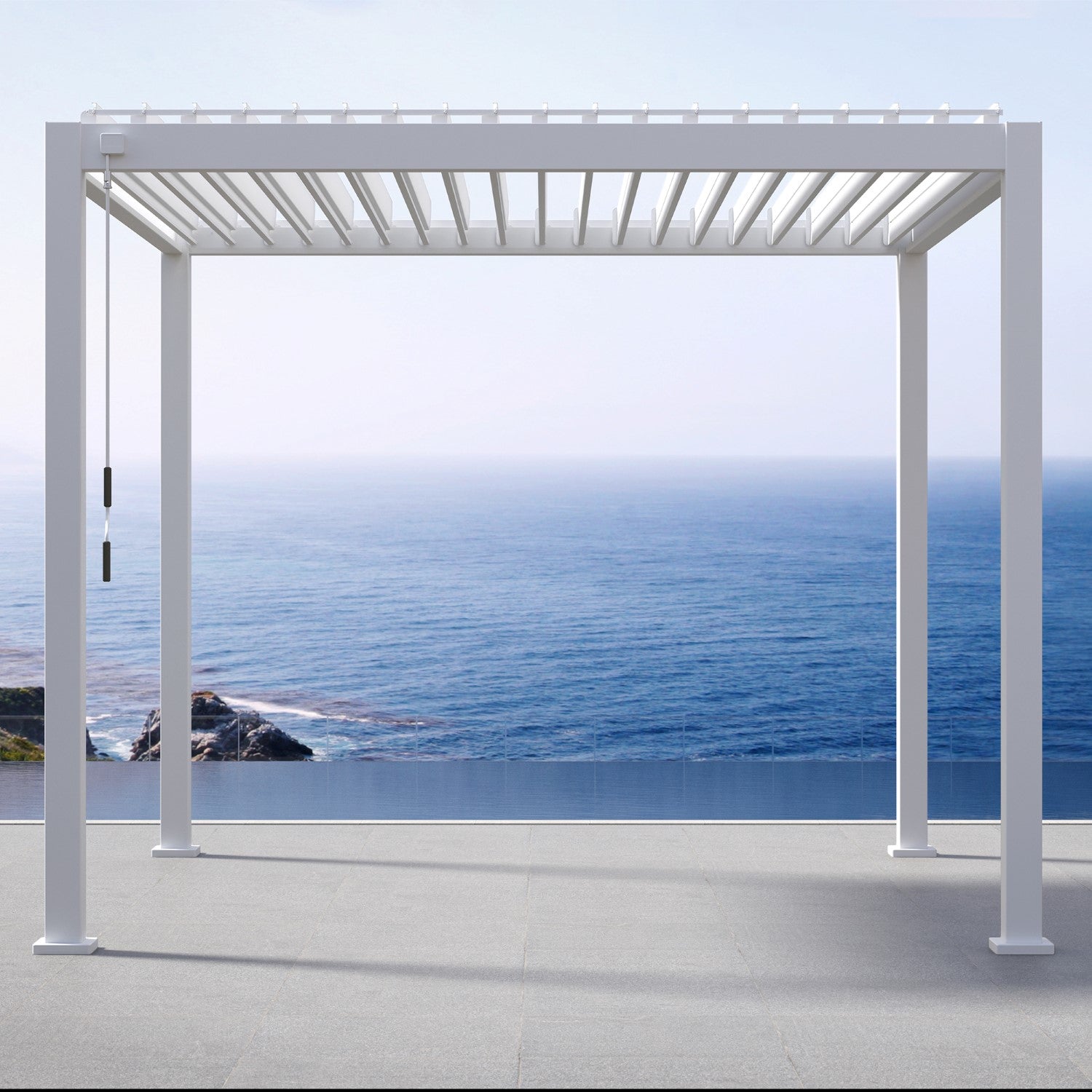
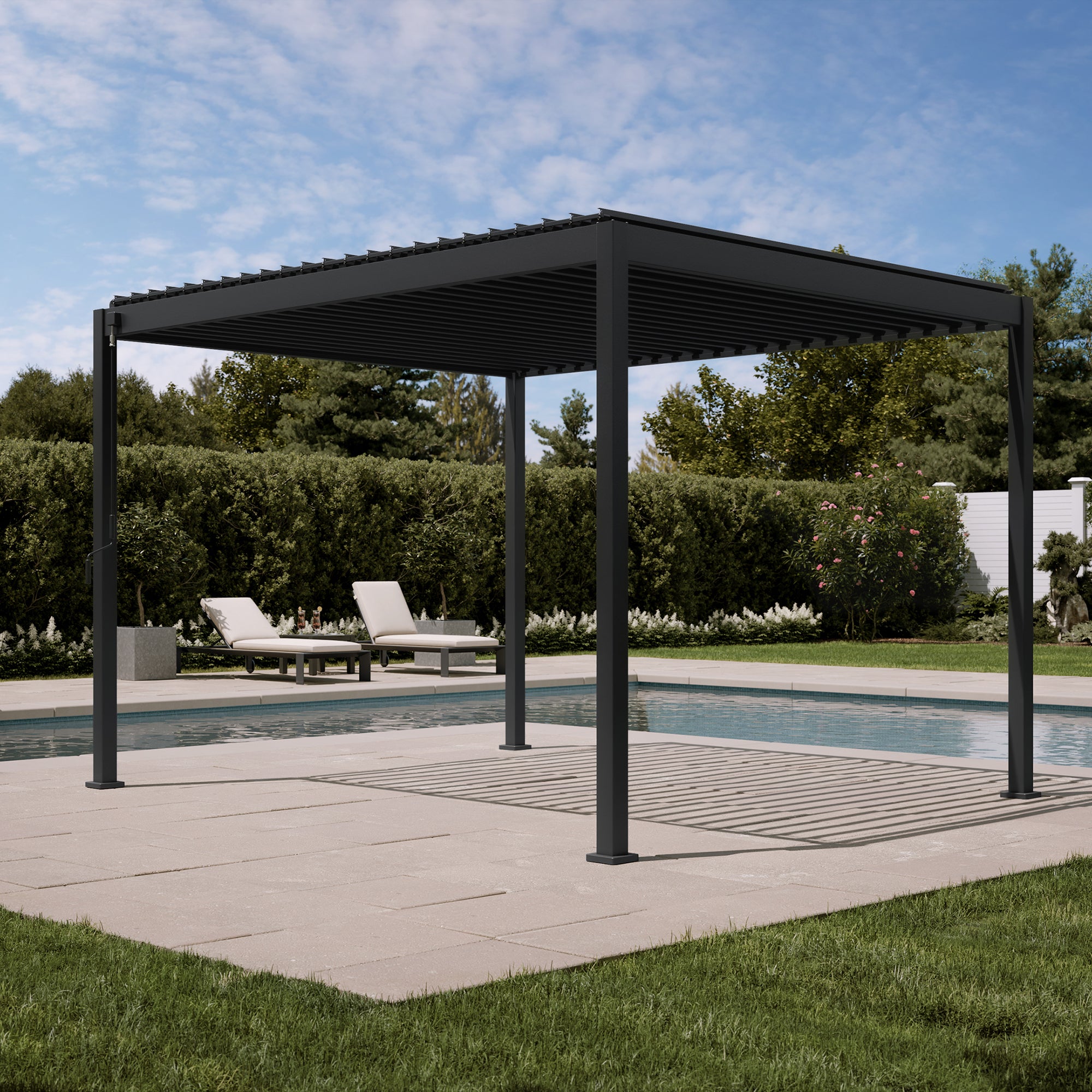
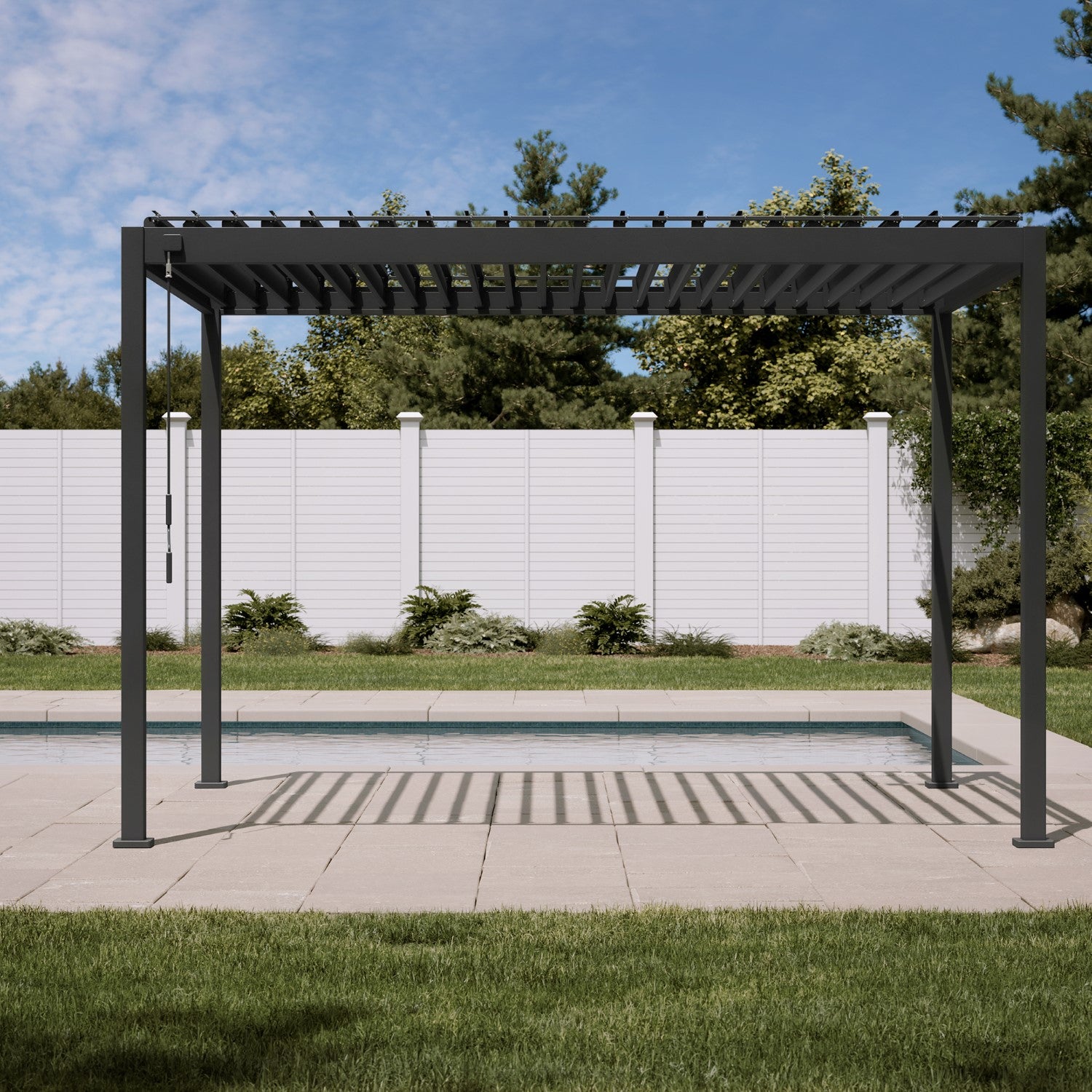
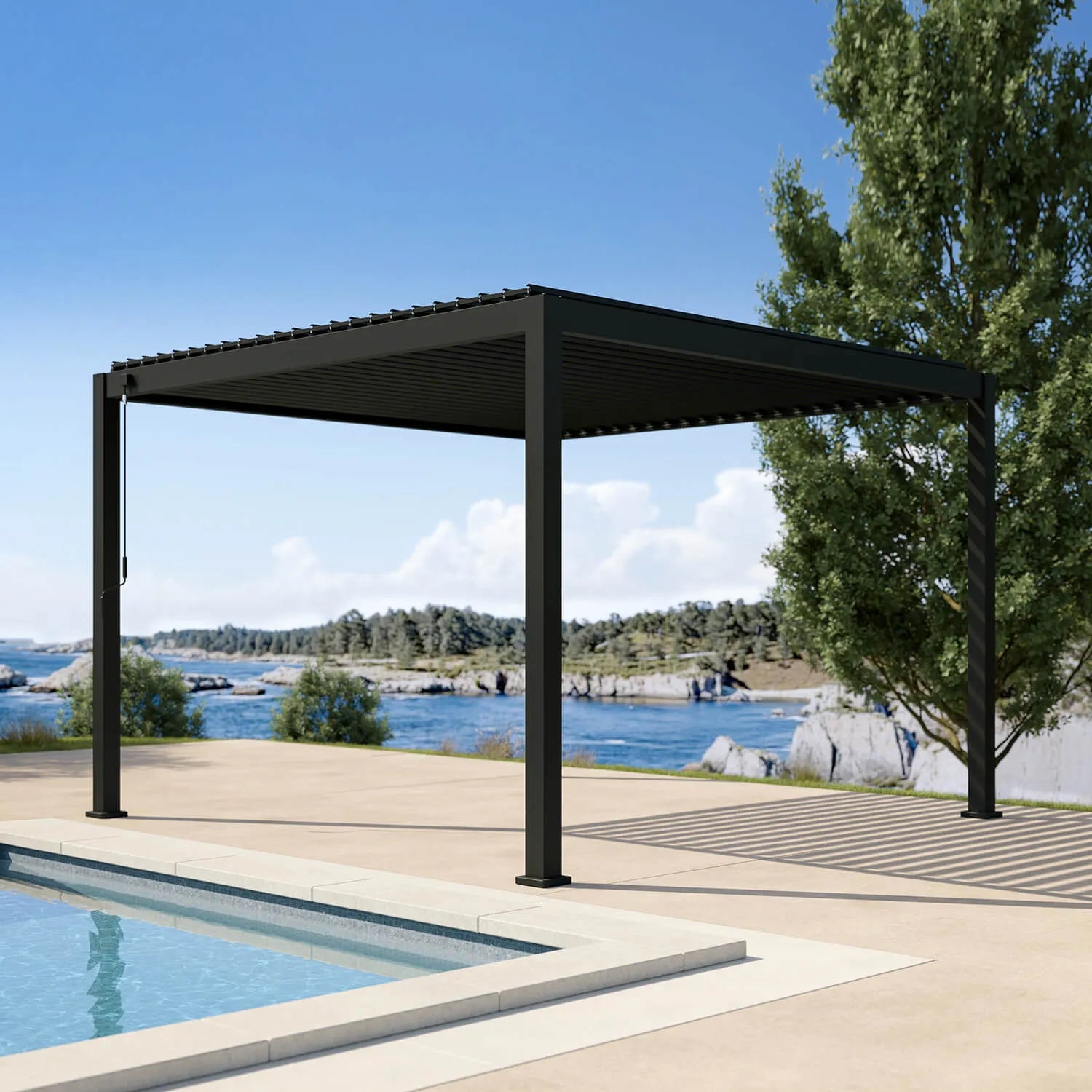
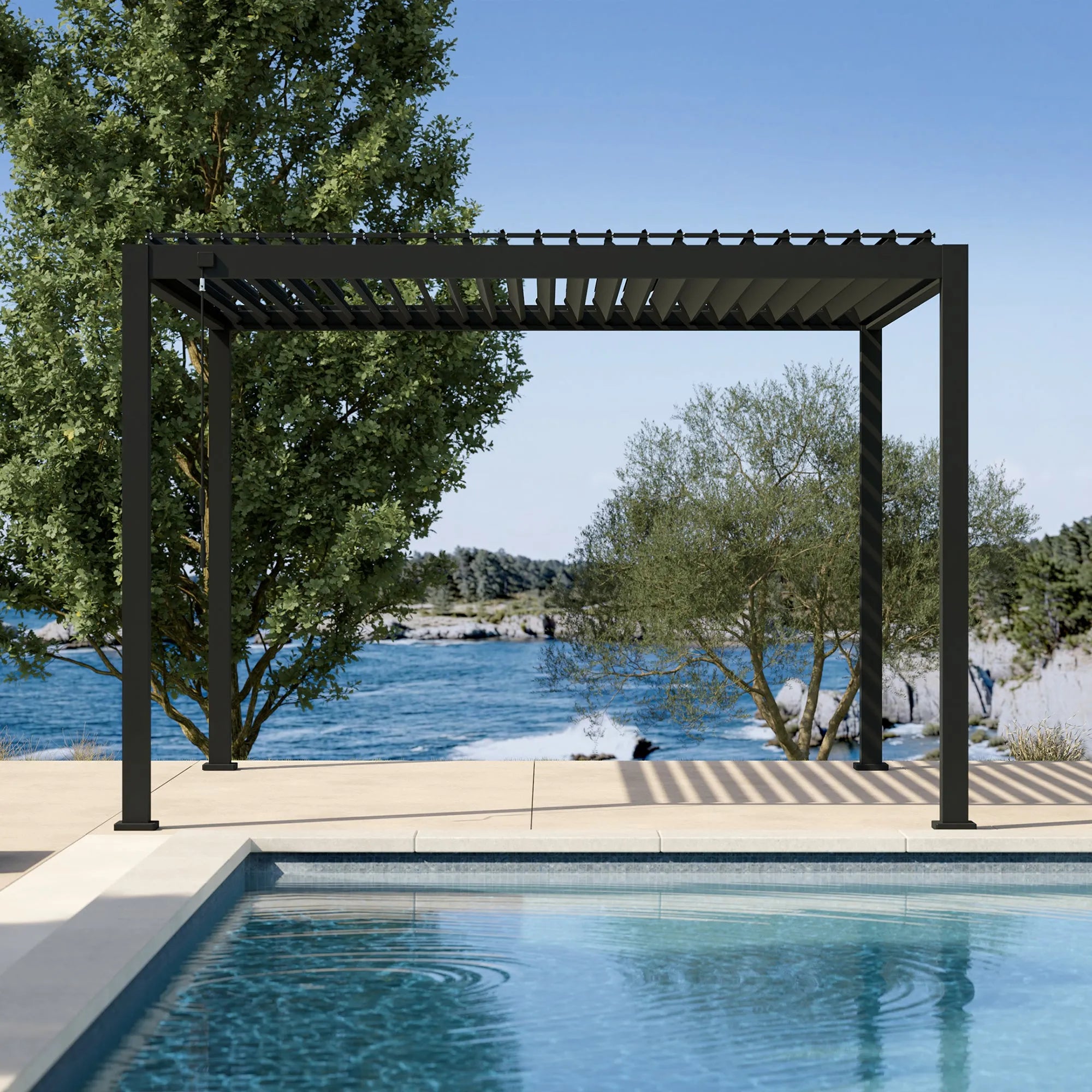
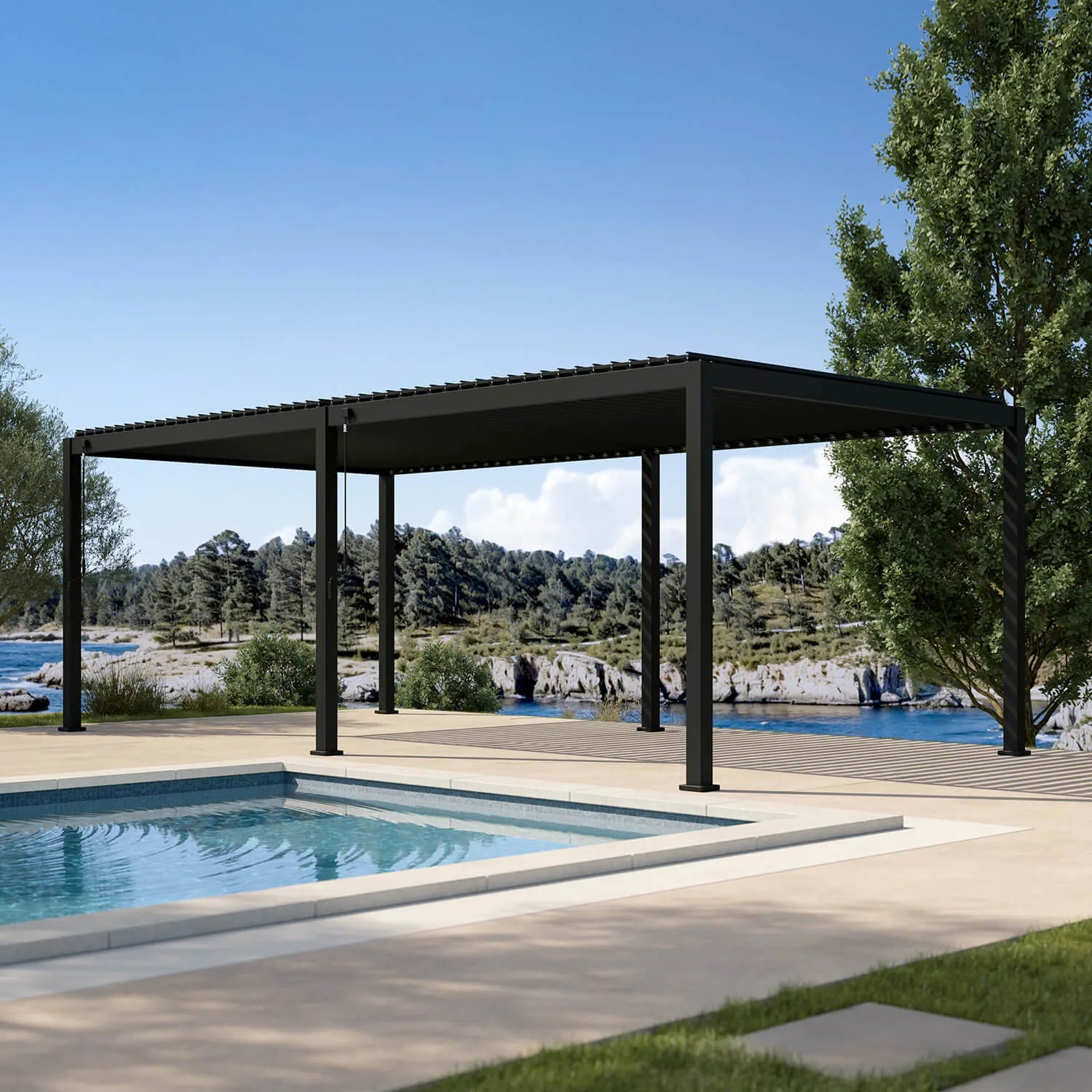
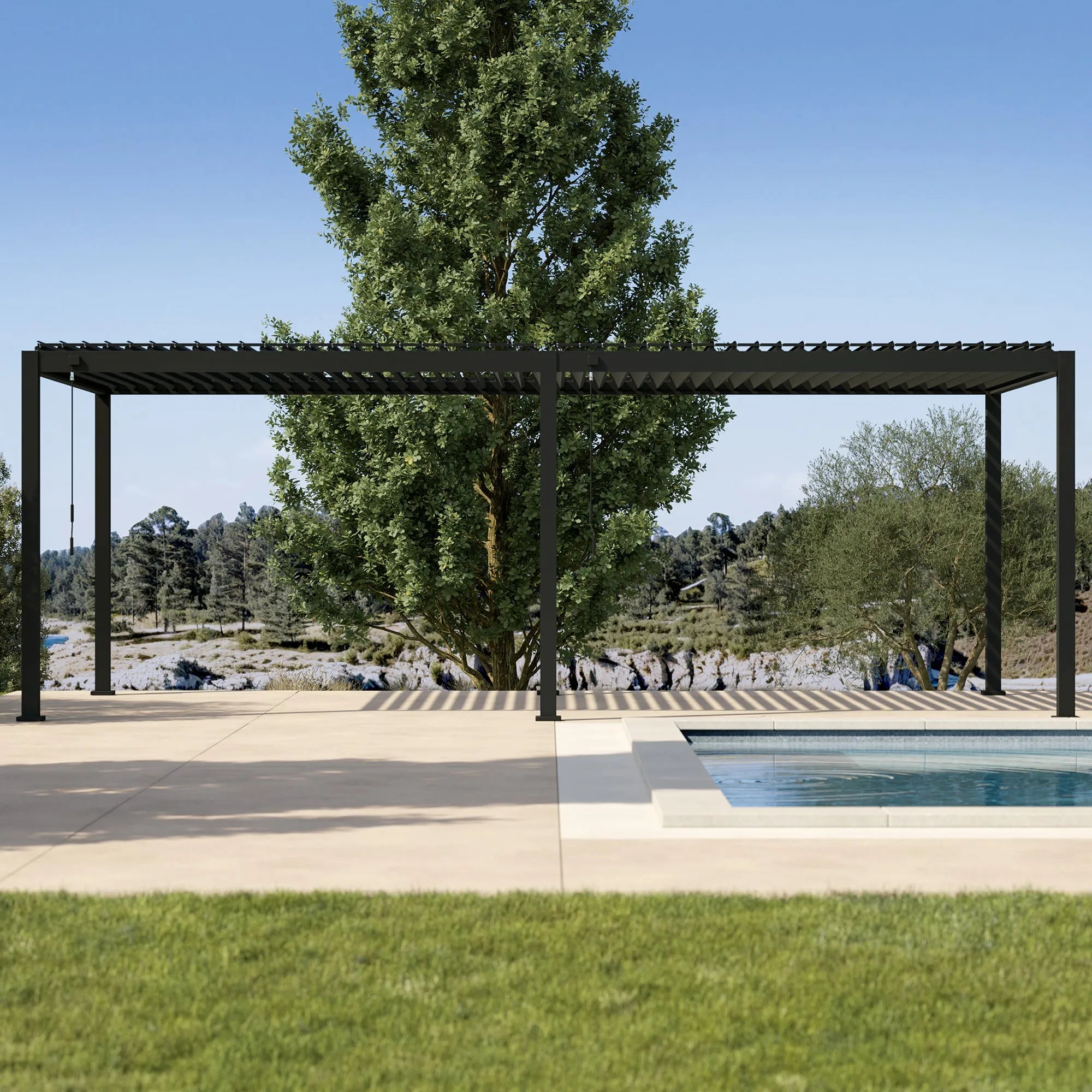
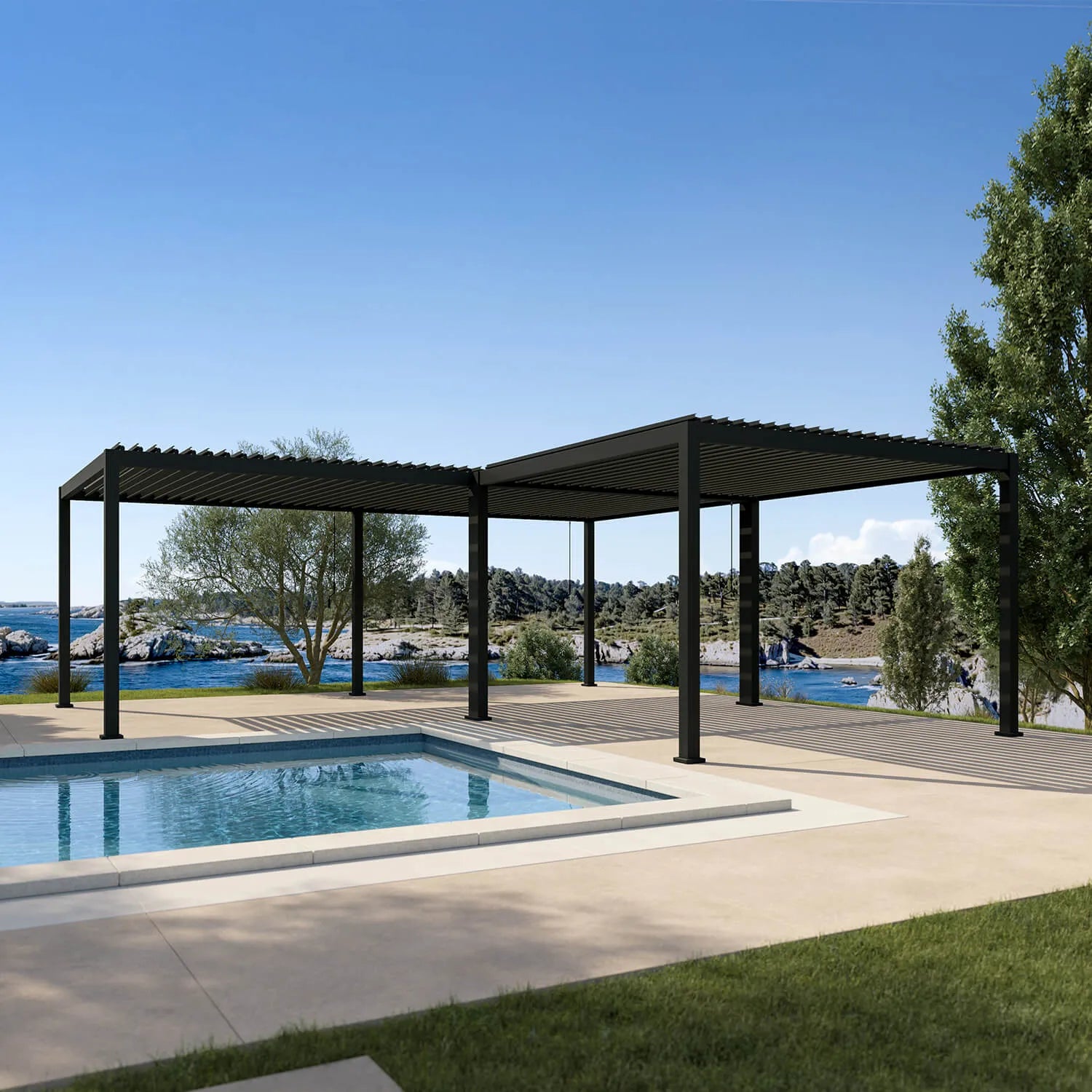
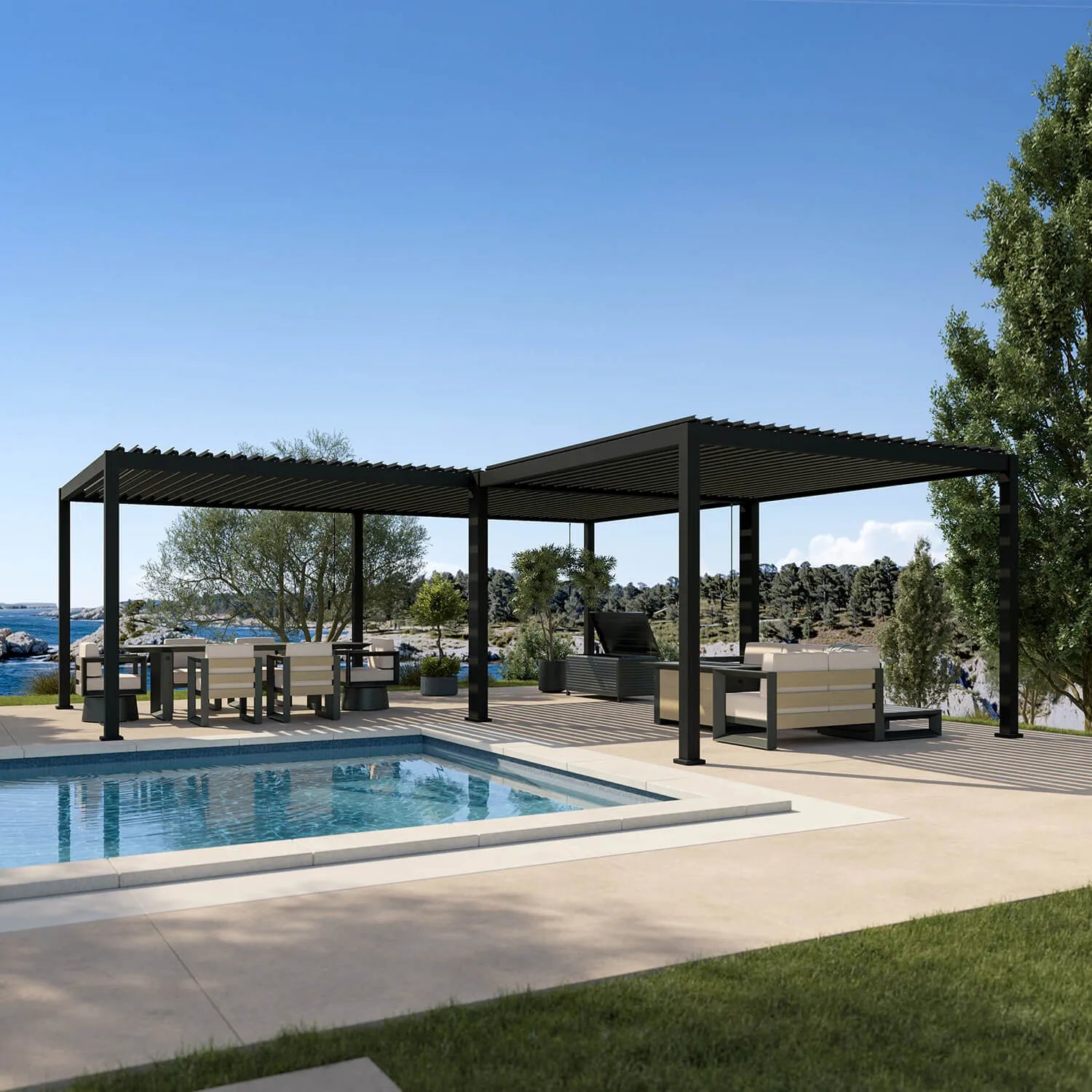
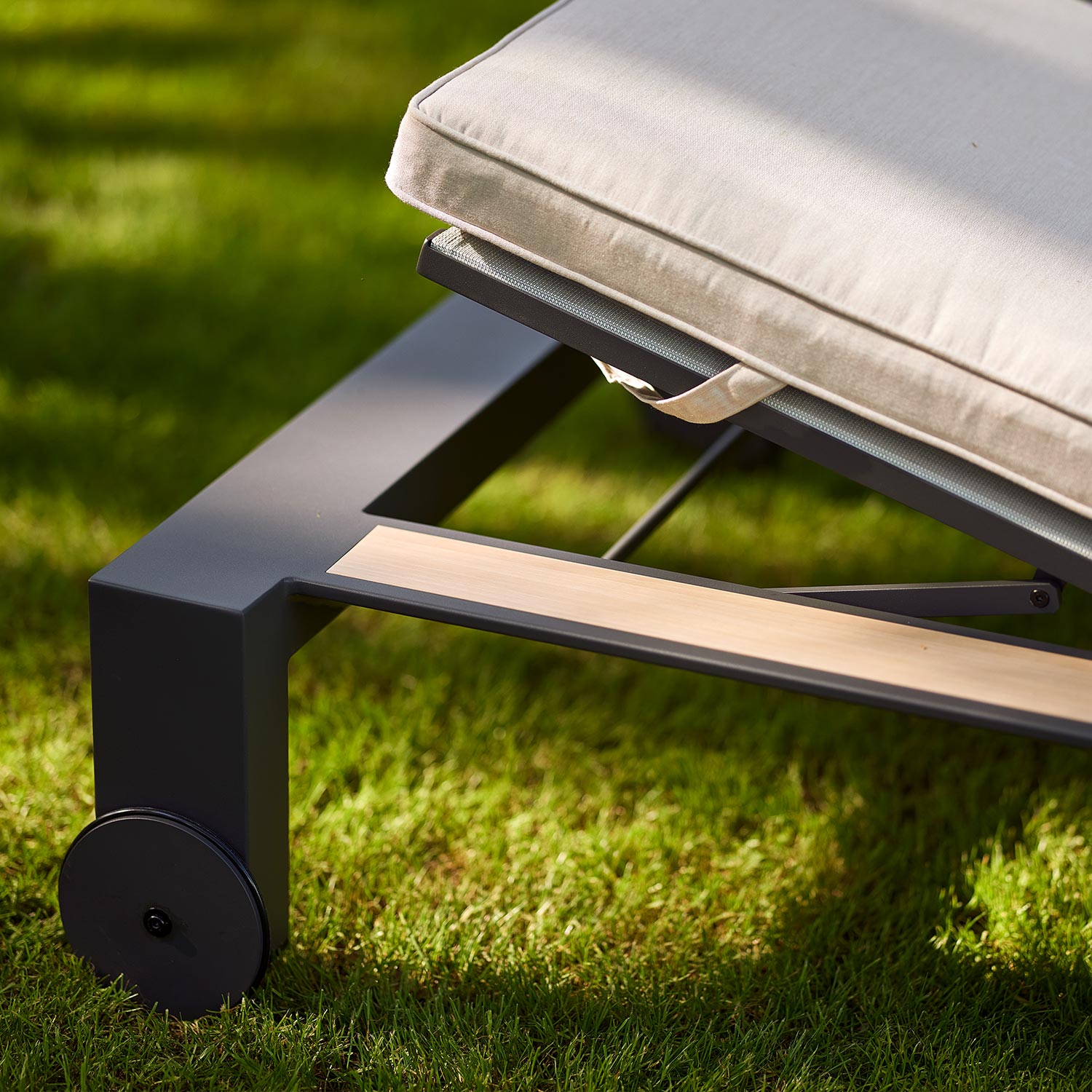
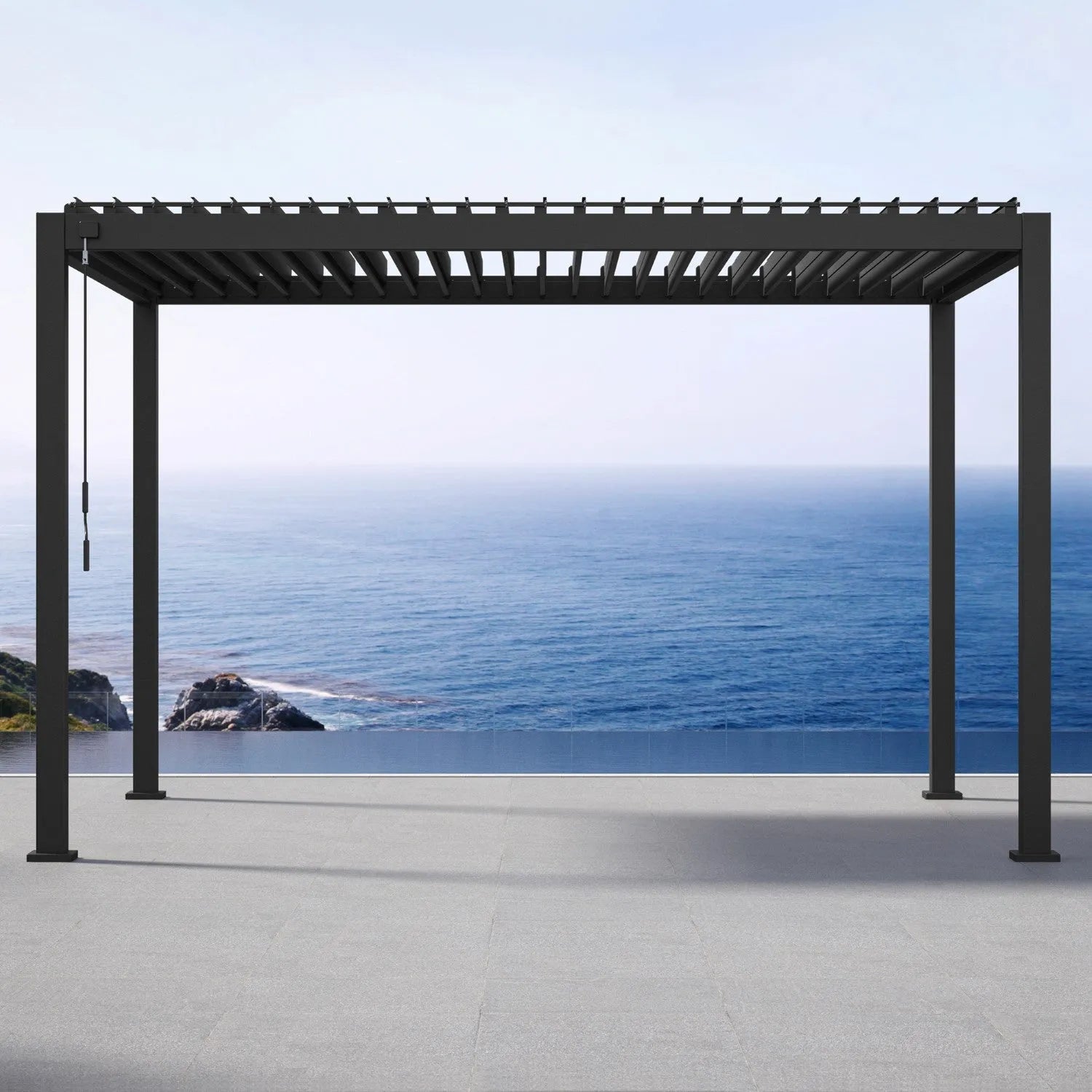
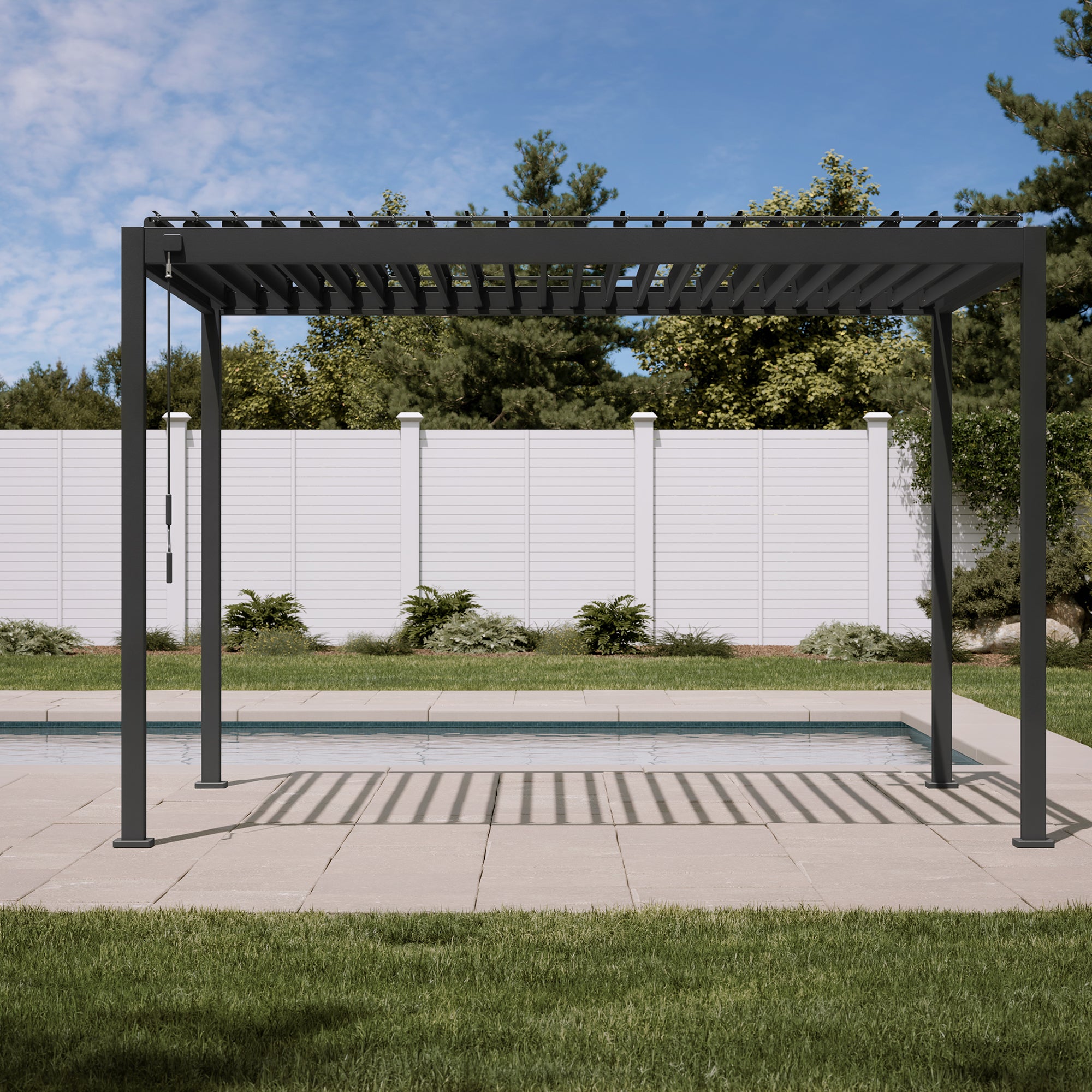
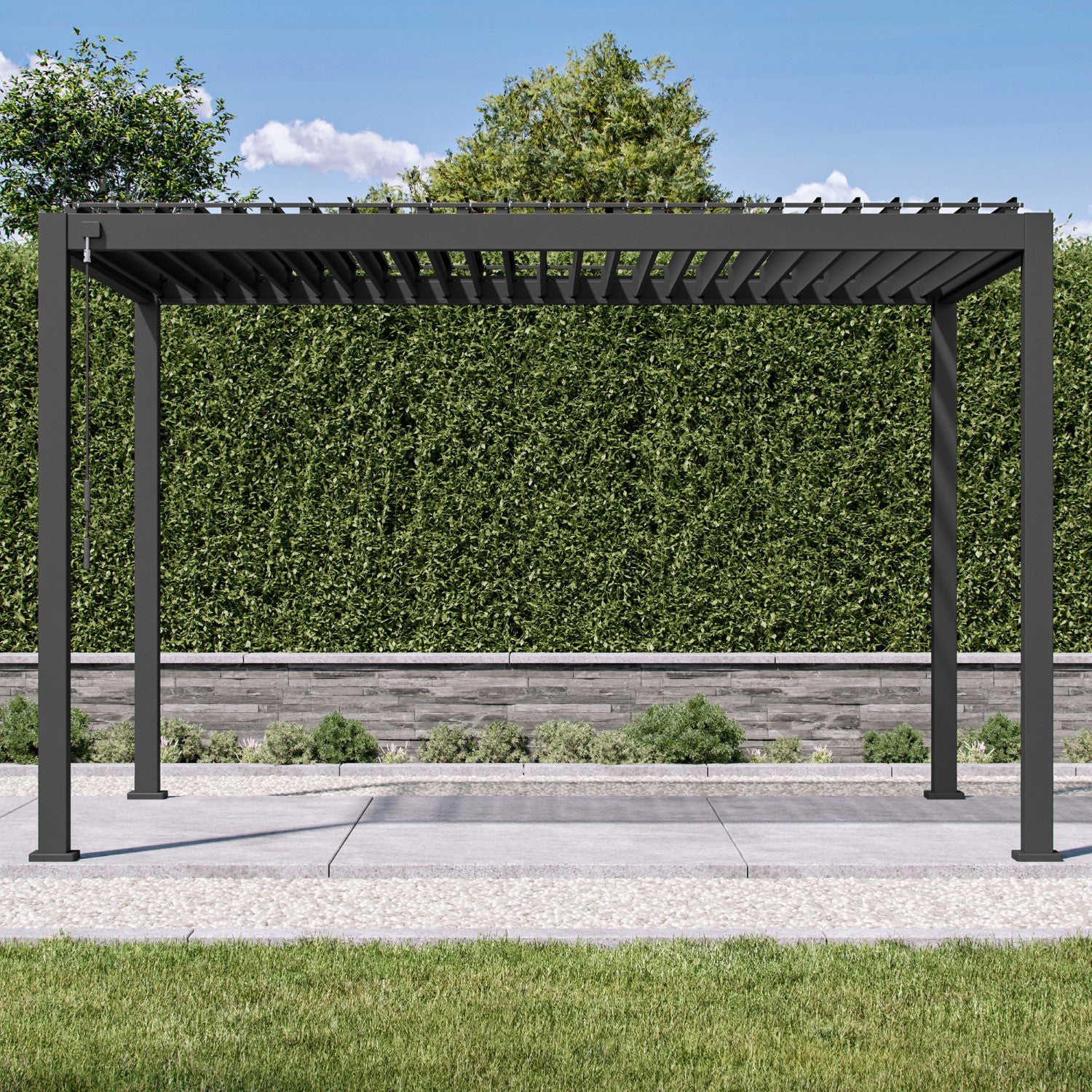
Aluminum? Totally different story. Aluminum pergola benefits include a superior strength-to-weight ratio, slimmer profiles, and 30+ year longevity with a quality powder coat. And because it doesn't rot, warp, or attract termites, that lifespan isn't conditional on you spending your weekends doing upkeep.
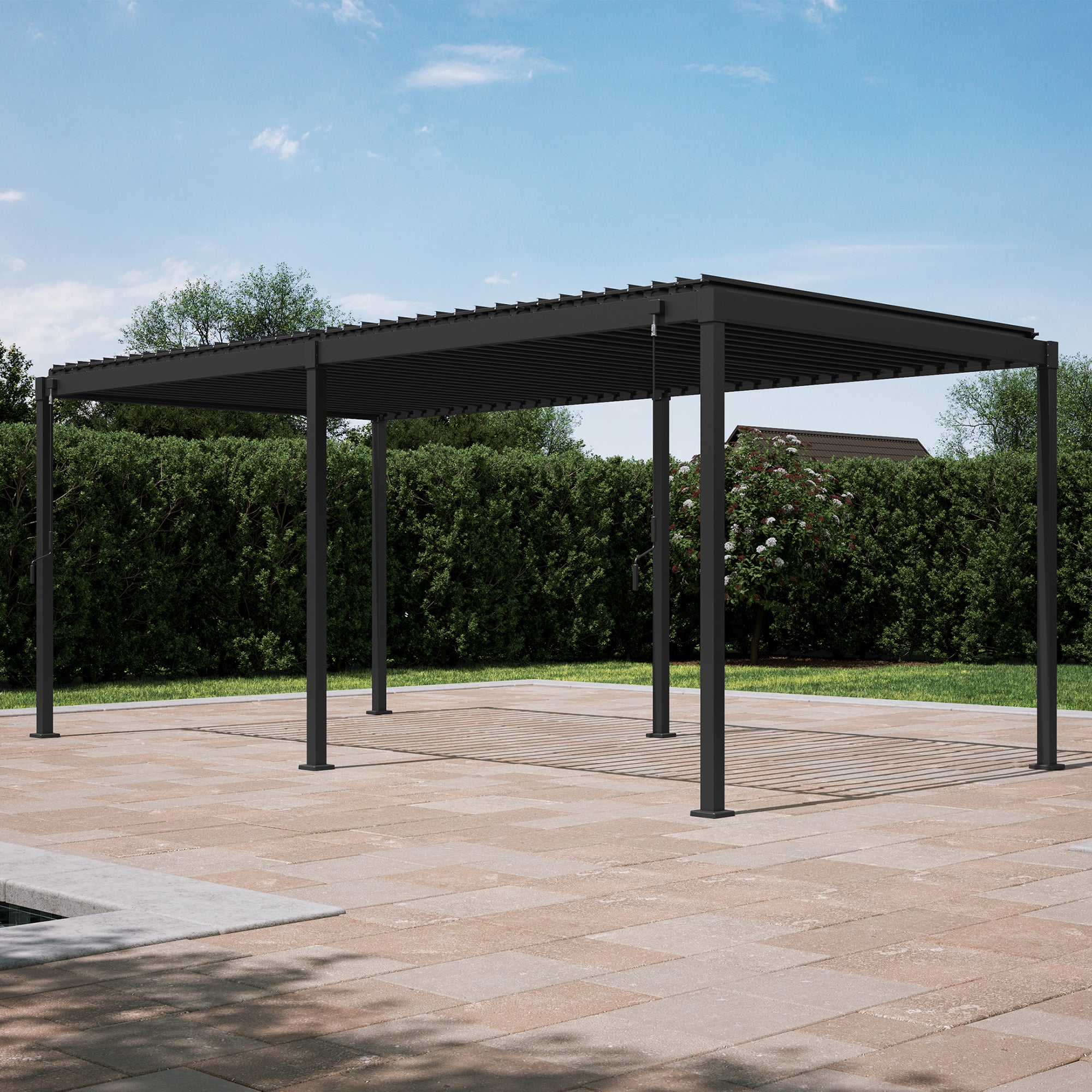
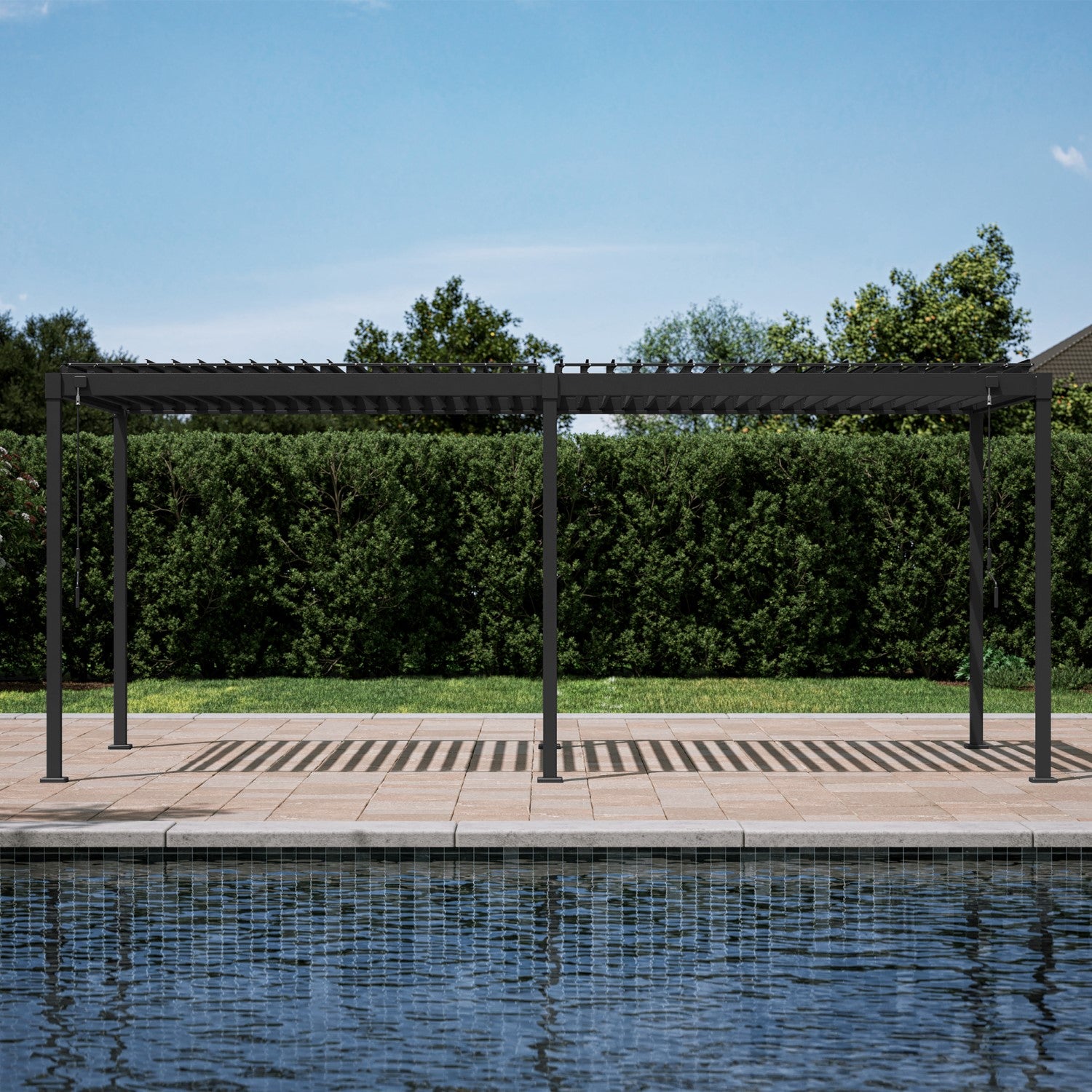
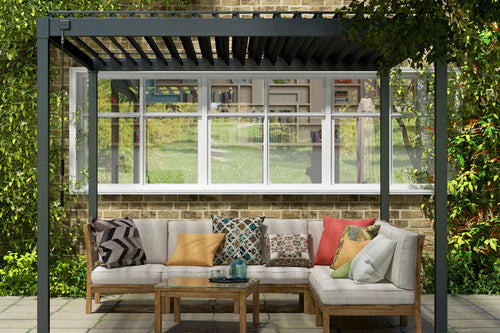
For example, some modern aluminum pergolas—like Mirador’s 111DA series—use double-layer aluminum construction to improve structural strength and weather resistance.

Maintenance: What's the Real Time Commitment?
This is where the gap gets wide. Wooden pergolas require regular staining, sealing, and repainting to preserve their appearance. Aluminum pergolas, with their durable powder-coated finish, resist fading, chipping, and peeling.
With a wood pergola, you're looking at:
- Re-staining or sealing every 1–3 years
- Pest inspections for termites and carpenter ants
- Structural checks for warping or cracked beams after storms
Over a decade, you might invest significant time and money in a wooden structure, while an aluminum structure remains virtually untouched. Honestly, most people we talk to underestimate how much work wood really takes. Aluminum? A rinse with a garden hose now and then. That's about it.
If low maintenance matters to you, aluminum pergolas are often the better choice. Most models are designed with a “set it and forget it” approach in mind.
Cost: Upfront vs. Long-Term
Let's be straight: while the initial cost of a wood pergola is generally lower, the long-term costs can add up due to maintenance and potential replacements. An aluminum pergola has a higher upfront cost but can be more cost-effective over time due to its durability and low maintenance requirements.
Pressure-treated lumber typically costs $20 to $35 per square foot, but it may require regular maintenance, such as sealing or staining, to prevent weather damage. Cedar and redwood run $25–$45 per square foot. And then add stain, sealant, tools, and your weekend labor every couple of years.
High-quality aluminum pergolas typically start at around $2,000 to $2,500, depending on size, design, and additional features. Many manufacturers also offer extended warranties and delivery options.
Style and Design: Does Aluminum Look Too Industrial?
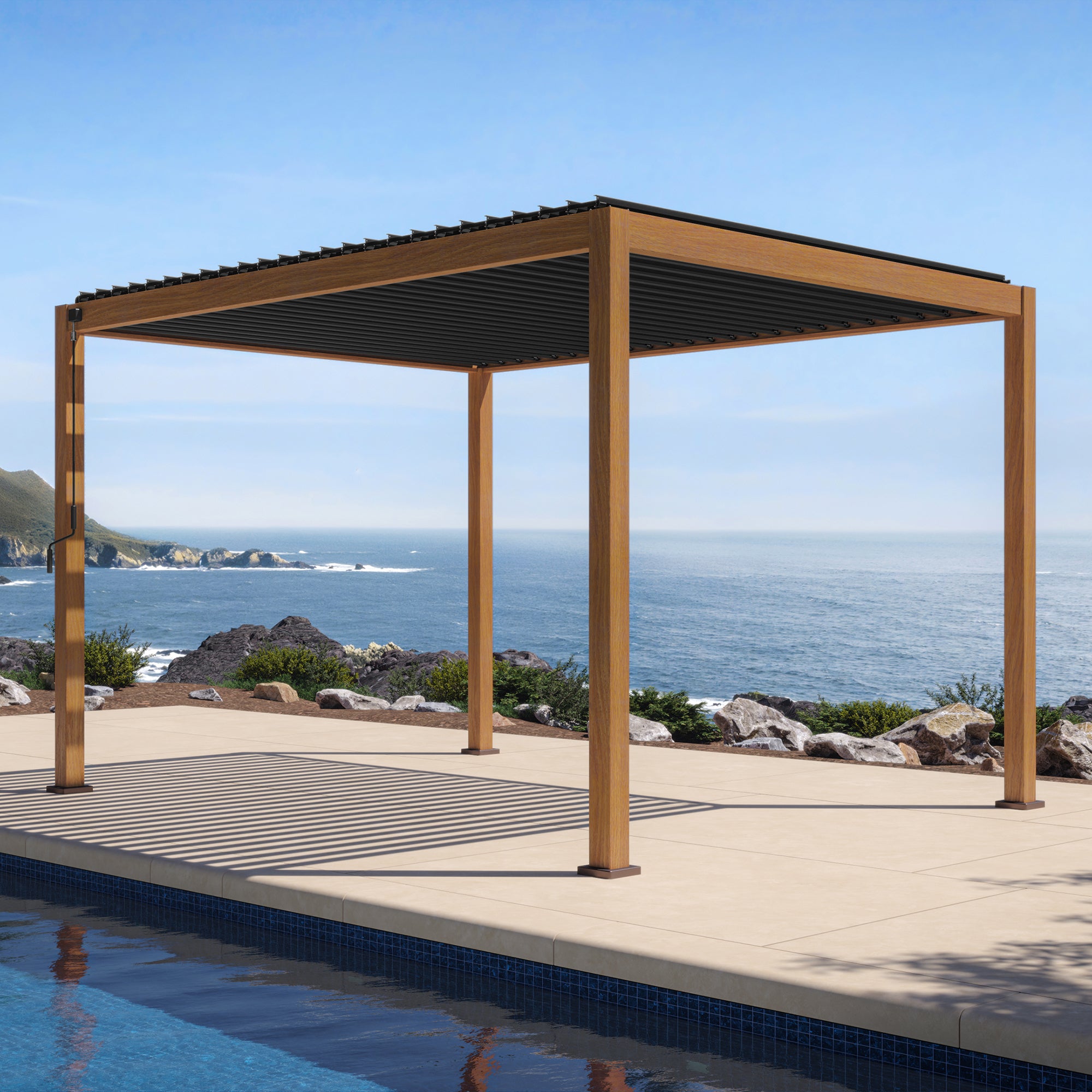
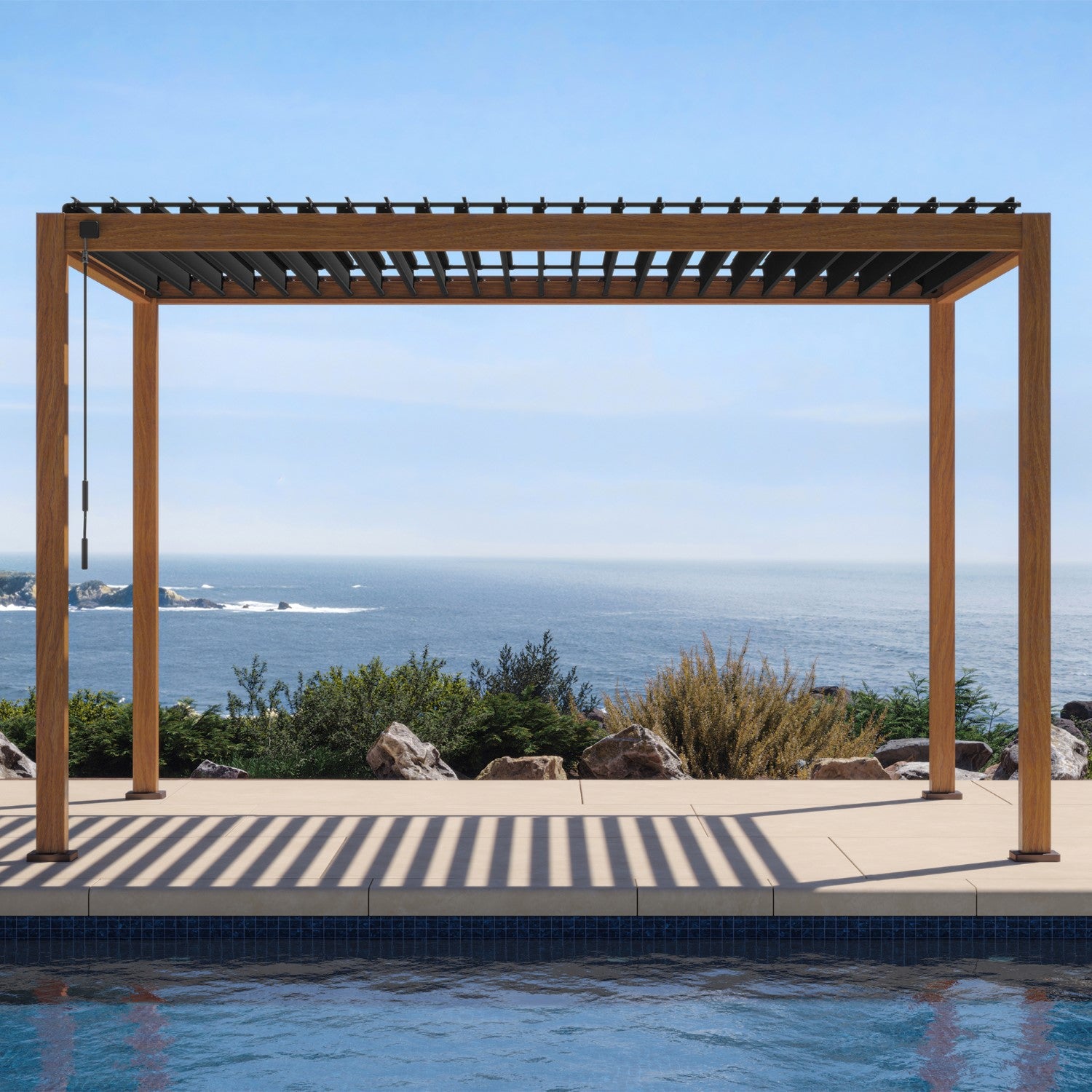
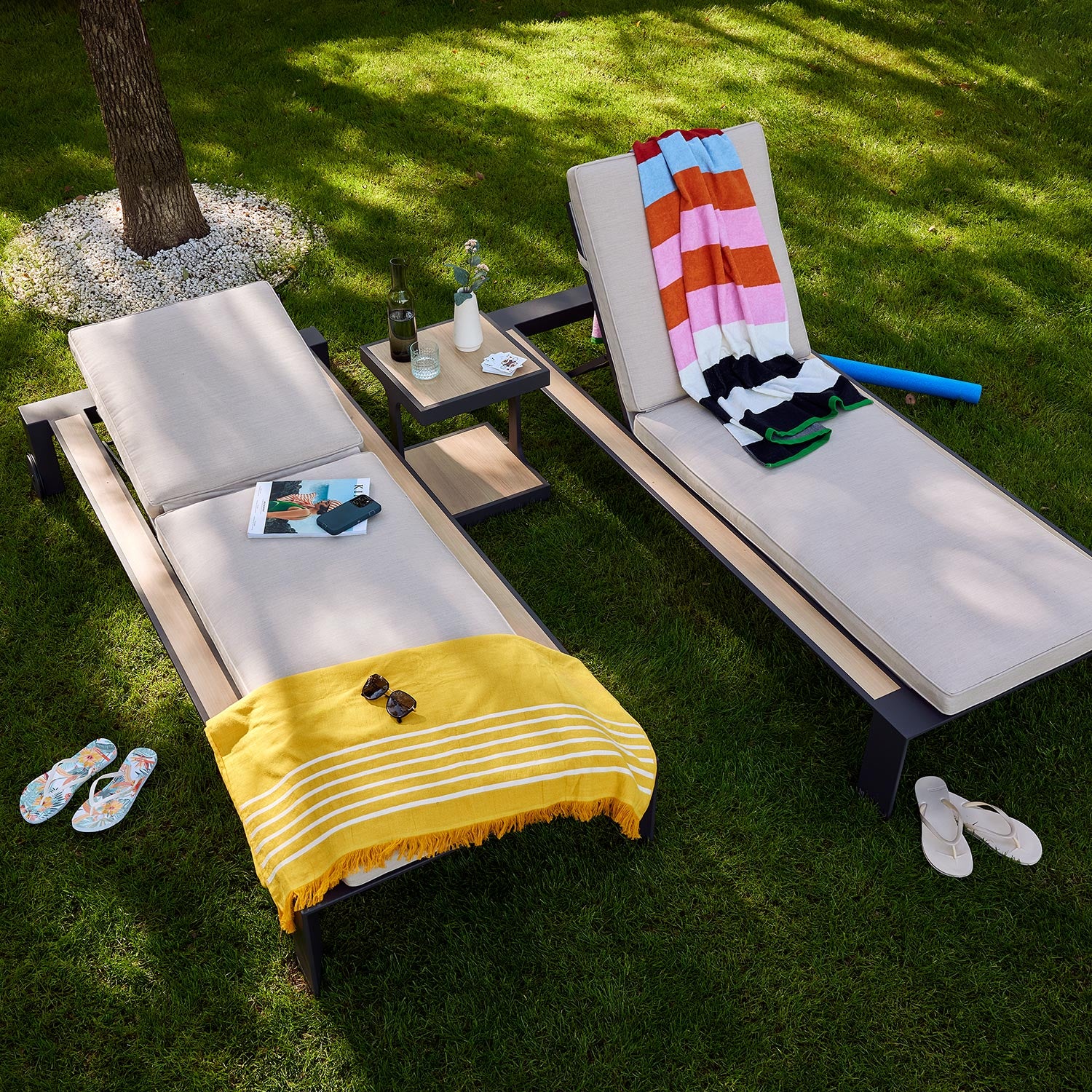
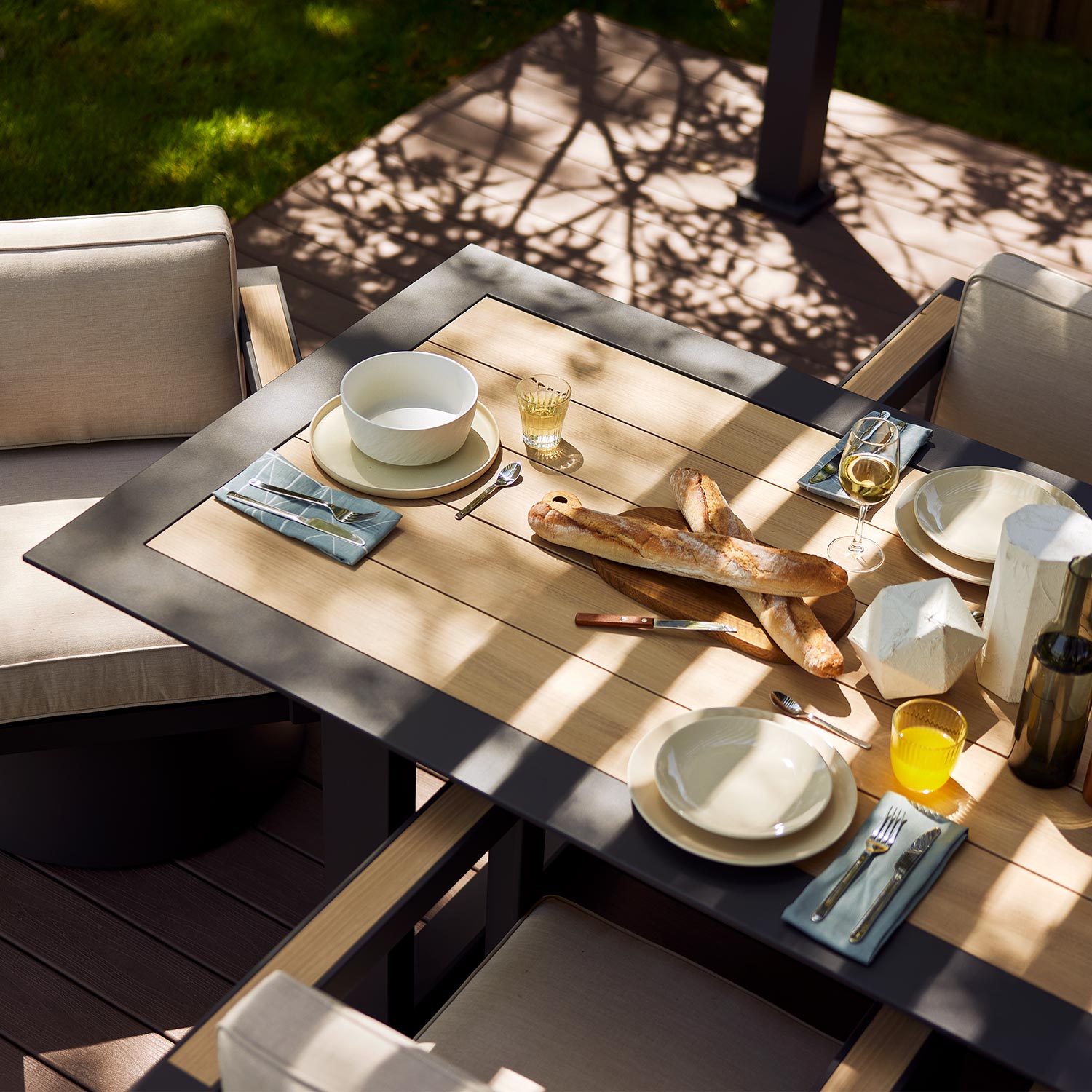
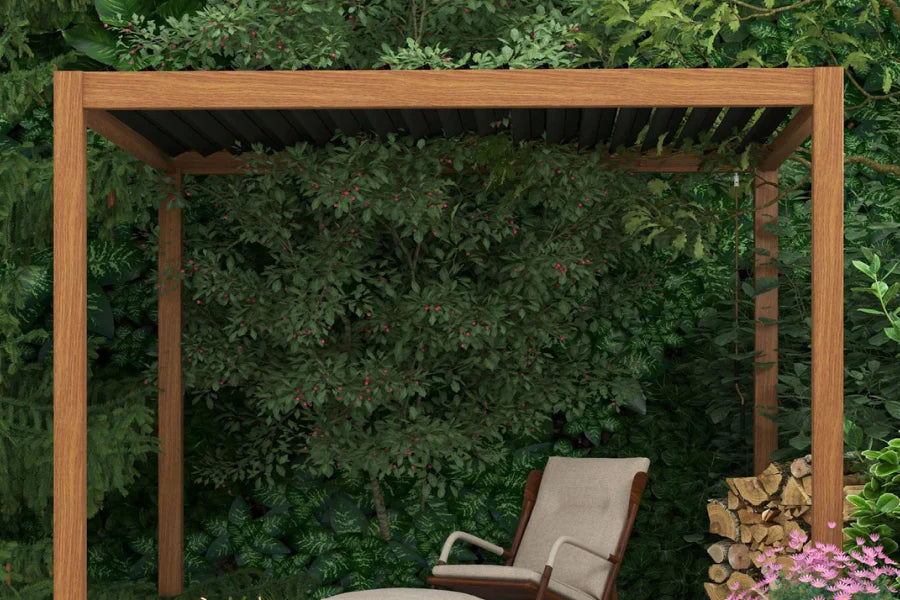
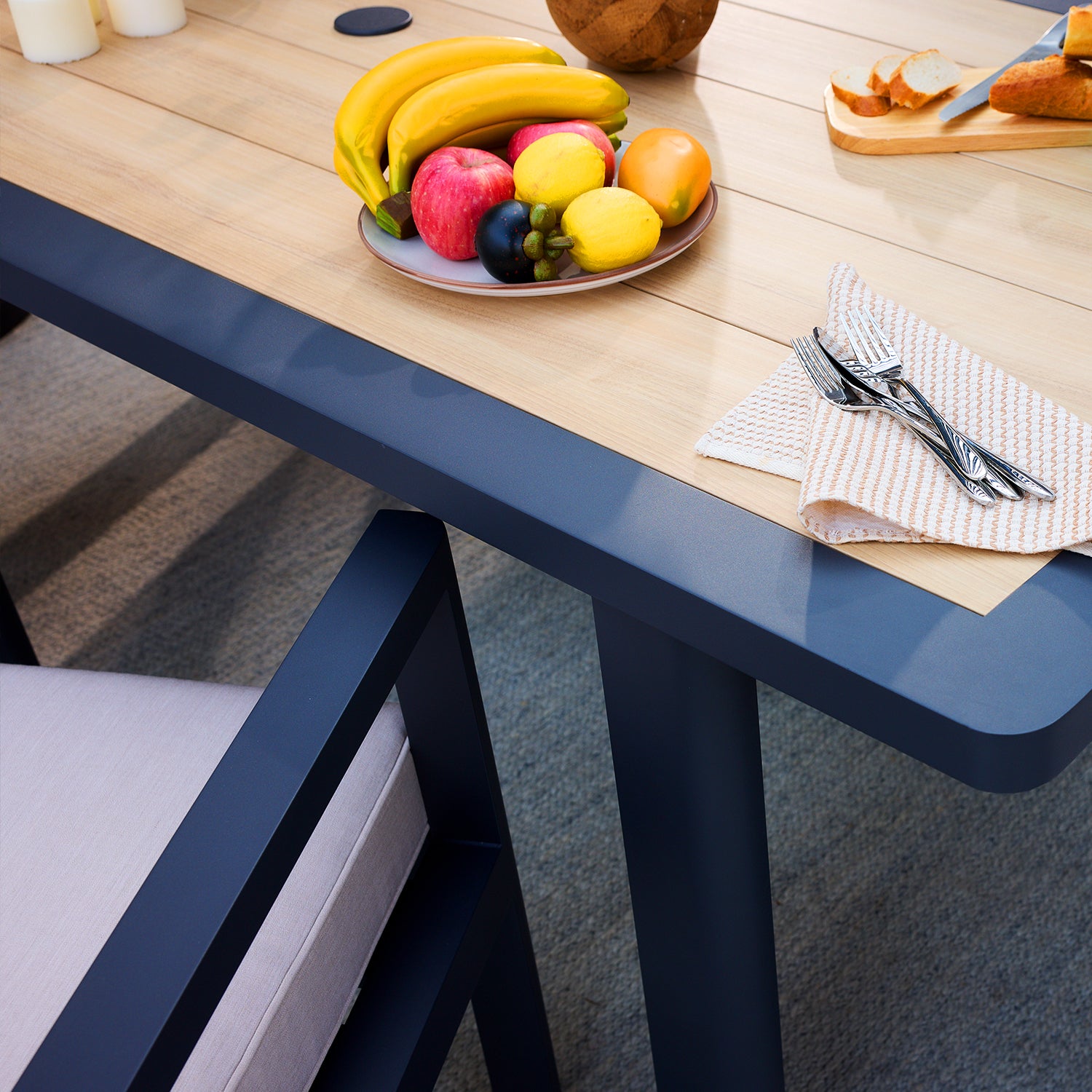
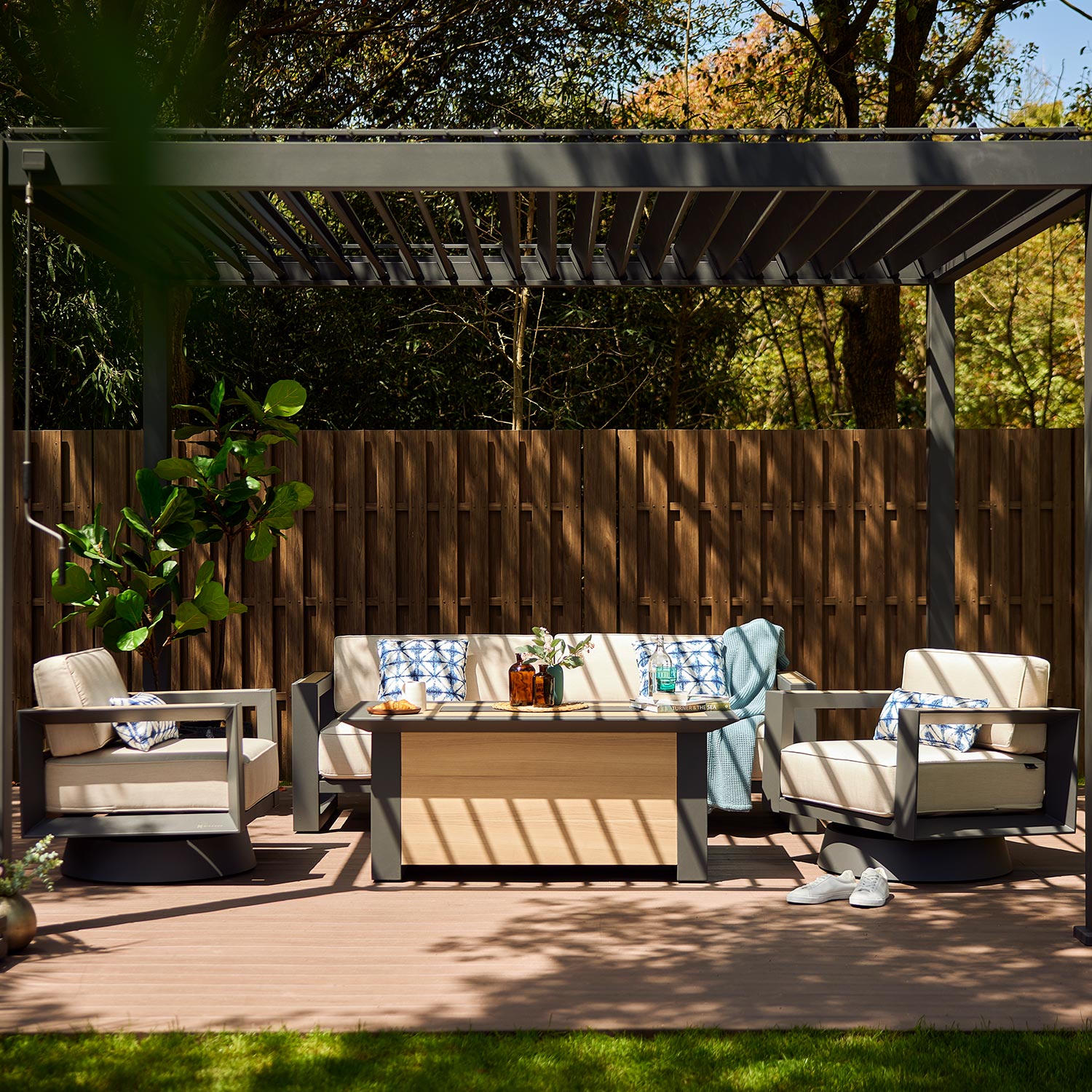
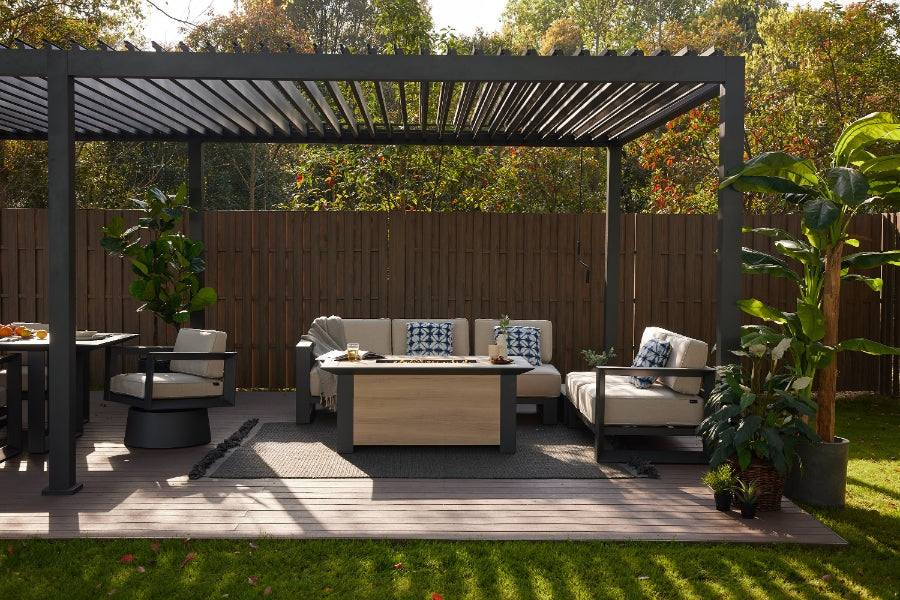
This used to be a fair criticism. Not anymore. Aluminum pergolas now come in wood finishes. This innovation rivals the look of real wood. These finishes combine the best of both worlds. You get the low maintenance of aluminum with the classic beauty of wood. Our Mirador 111S Takasho series, for example, features a realistic wood grain texture on an aluminum and steel frame. You get the warm, natural look without the rot risk.

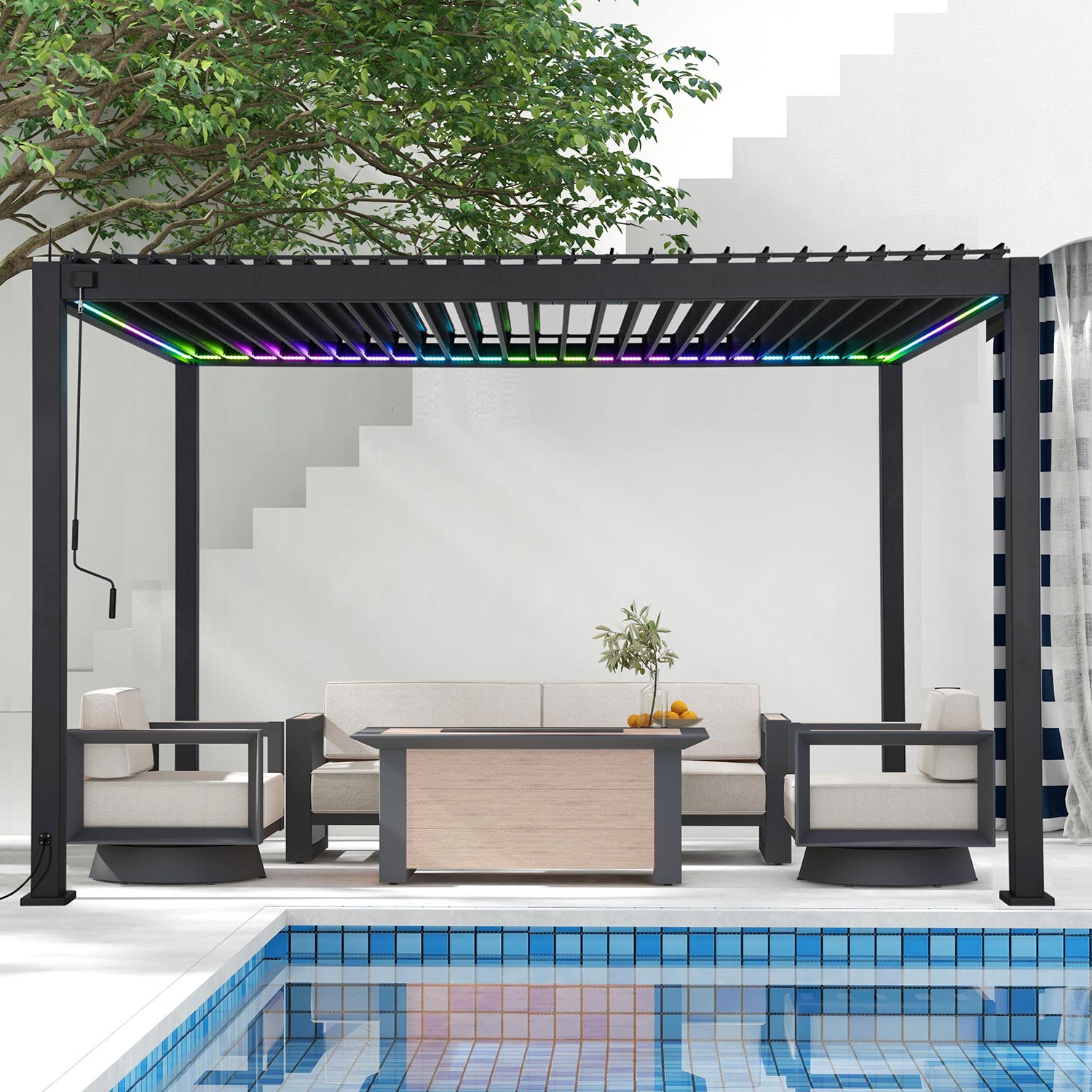
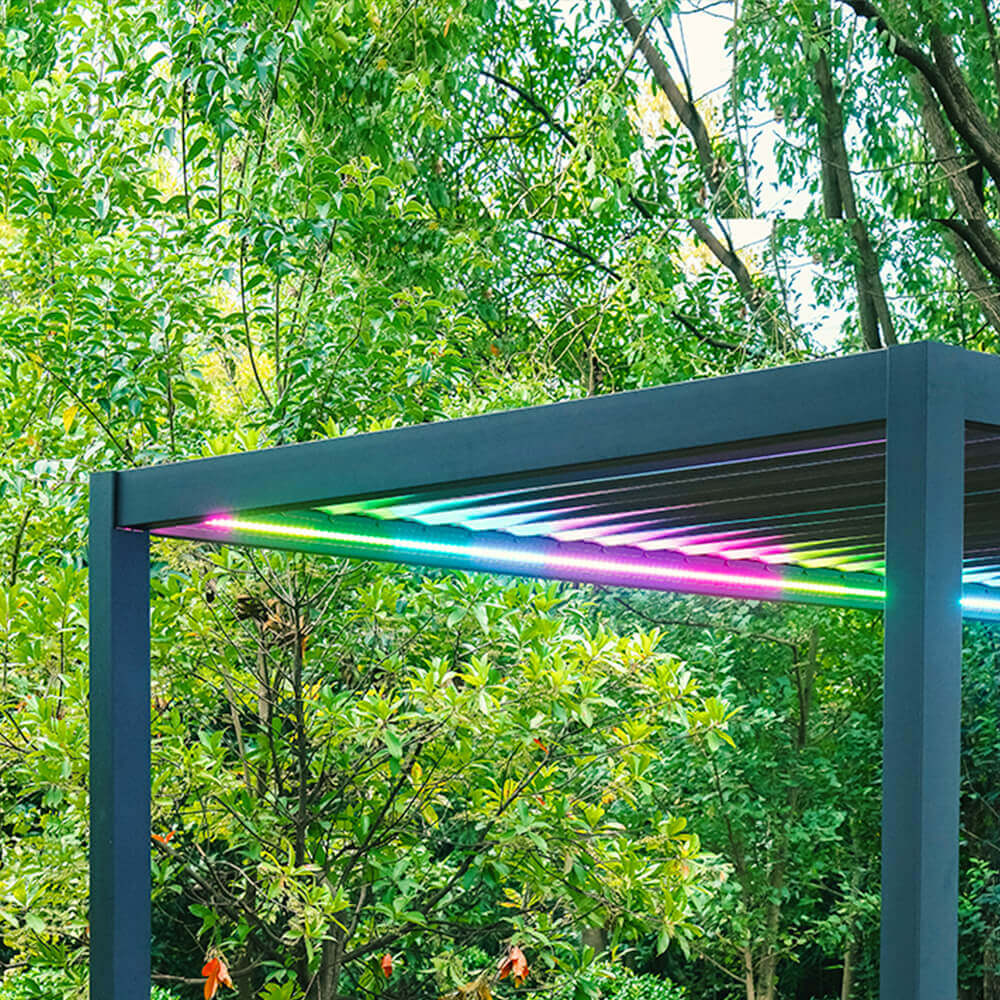
Beyond appearance, modern aluminum pergolas also offer practical features and sustainable benefits. Most high-quality aluminum pergolas also come with louvered roofs and built-in rain gutters. The adjustable louvered roof allows you to control sunlight and airflow based on the weather, while rain gutters help keep your backyard dry and reduce water pooling. On top of that, aluminum itself is an eco-friendly material, making it a sustainable choice for your backyard.
Related article: Why Aluminum is the Best Material for a Pergola: A Deep Dive into Luxury Pergolas

Quick Comparison: Aluminum vs. Wood Pergola
| Feature | Aluminum Pergola | Wood Pergola |
|---|---|---|
| Lifespan | 20–30+ years | 10–20 years (with upkeep) |
| Maintenance | Occasional rinse | Stain/seal every 1–3 years |
| Pest Resistance | Immune | Vulnerable (termites, ants) |
| Weather Resistance | Rust-proof, UV-resistant | Can warp, crack, or rot |
| Upfront Cost | Higher | Lower |
| Long-Term Cost | Lower (no upkeep) | Higher (materials + labor) |
| Louvered Roof Option | Yes | Rarely available |
| DIY Install Time | ~4 hours (kit) | Varies widely |
| Ideal For | Modern backyards, low-maintenance outdoor spaces, and humid or coastal climates | Rustic or traditional landscapes, natural garden settings, and homeowners who value a warm, classic look |
So, Which Pergola Should You Pick?
If you love the rustic charm of real wood and don't mind spending a few weekends a year on upkeep, a wooden pergola can absolutely work.
But if you want something that looks great in year one and year fifteen without the maintenance headaches, aluminum is the smarter bet for most homeowners. And with today's wood-grain finishes, you don't even have to sacrifice that natural look.
Of course, your location matters too. For example, if you live in a humid, rainy area or near the coast, wood can rot or warp faster, making aluminum a more reliable choice. Aluminum also handles heat and UV exposure exceptionally well, so it stays looking good even in sunny climates.
In our experience, most buyers who switch from wood to aluminum say the same thing: "I wish I'd done this sooner." Pretty telling.

FAQs
Is an aluminum pergola worth the higher upfront cost?
For most homeowners, yes. Aluminum pergolas stand out for their minimal upkeep. They do not need frequent treatments or repairs, making them a more cost-effective option over their lifetime. When you stop paying for stain, sealant, and replacement boards, the total cost of ownership tips in aluminum's favor within a few years.
Can aluminum pergolas handle heavy snow and strong winds?
They can. Mirador's 111DA series is rated for 17.7 lb/ft² snow loads and wind speeds up to 82 mph. We do recommend keeping the louvers open during high winds to reduce stress on the roof structure.
Do wood pergolas look better than aluminum?
That's subjective, but the gap has closed a lot. Aluminum pergolas are just as attractive as wood, with even more versatility, better durability, and lower maintenance. Aluminum can also be treated to give it a simulated wood-grain appearance. Our Takasho line is proof of that.
How long does it take to install an aluminum pergola?
Two people can assemble most Mirador pergola kits in about four hours with basic tools. No welding, no rivets, no specialty equipment needed.
Do I need a building permit for a backyard pergola?
In most cases, no, but it depends on your local building codes. We always recommend checking with your municipality before you purchase, just to be safe.